

12 Dec SEO Strategies Guide 2025
SEO Strategies Guide 2025
1. Introduction to SEO

Search Engine Optimization (SEO) is the process of improving your website’s visibility on search engines like Google. Learn more about Webociti’s SEO services to see how we can help. For additional insights, check out Google’s SEO Starter Guide.
For example, a local bakery that optimized its website saw a 50% increase in online orders within three months, thanks to improved search rankings and targeted content. Similarly, a small tech startup that revamped its SEO strategy achieved a 40% increase in organic traffic by focusing on long-tail keywords and creating high-quality blog content. When done correctly, SEO drives organic traffic, increases conversions, and enhances your brand’s credibility. In today’s competitive online landscape, a strong SEO strategy is essential to ensure your website stands out.
Did you know? Websites on the first page of Google receive over 90% of traffic. This is because users tend to trust and click on the top results, assuming they are the most relevant. Failing to make it to the first page means losing out on significant click-through opportunities, which could dramatically impact your website’s visibility and conversions. Without an effective SEO strategy, your site may go unnoticed. This guide is designed to provide actionable steps and strategies that will help you optimize your website for 2025.
2. Core Components of SEO

On-Page SEO
- Title Tags & Meta Descriptions: Craft compelling, keyword-rich titles and meta descriptions to attract clicks.
- Header Tags: Use H1, H2, and H3 tags to structure content clearly for readers and search engines.
- Content Quality: Write content that provides real value, answers user questions, and incorporates keywords naturally.
- Internal Linking: Link to relevant pages within your site to improve navigation and SEO.
- Schema Markup: Use structured data to help search engines understand your content and improve search results.
Off-Page SEO
- Link Building: Earn high-quality backlinks from reputable websites.
- Social Media Signals: Share your content on social media to increase brand visibility.
- Influencer Outreach: Collaborate with influencers in your niche to boost credibility and traffic.
Technical SEO
- Mobile Optimization: Make sure your site is responsive and mobile-friendly.
- Page Speed: Compress images, enable caching, and minimize code to improve loading times.
- Site Health: Use tools like Google Search Console to fix crawl errors, broken links, and duplicate content.
3. Content Strategies
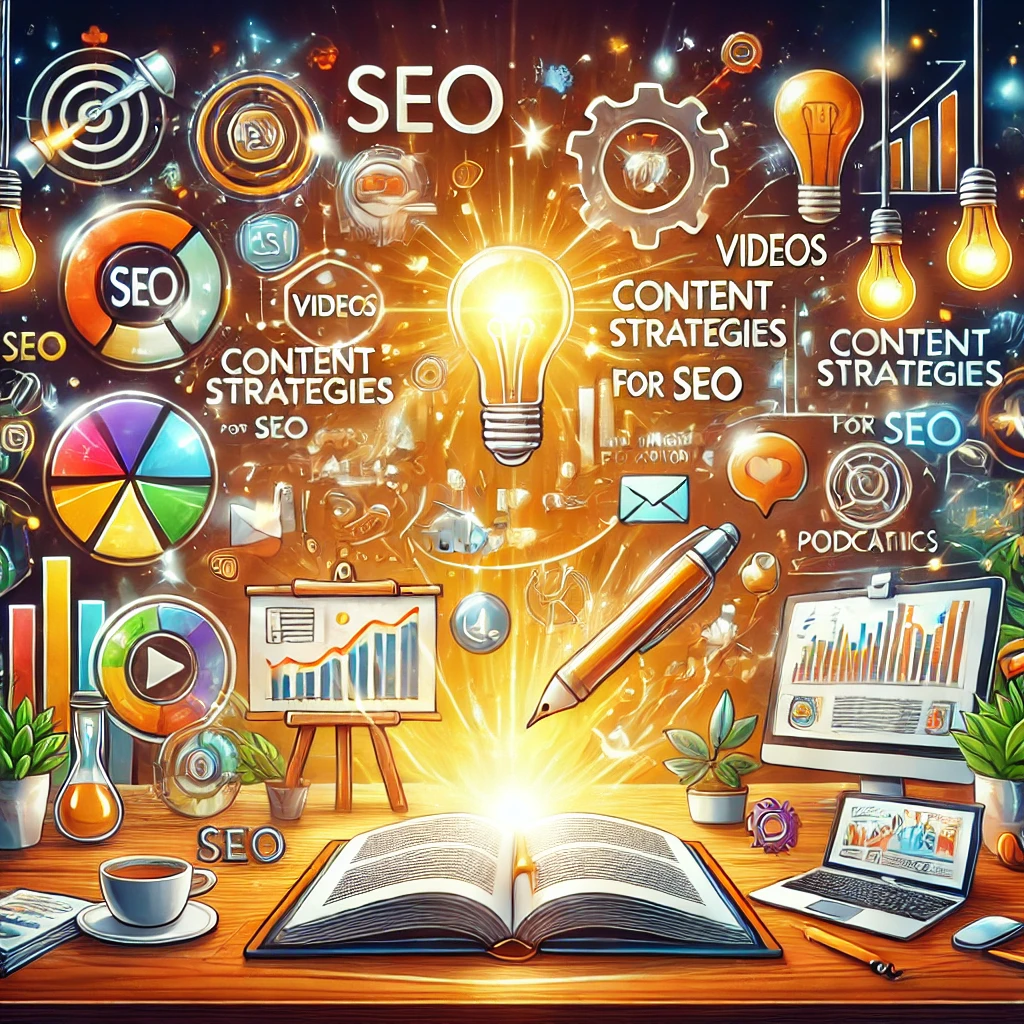
When creating content for SEO, it’s essential to go beyond simply listing features and benefits. Instead, focus on telling a compelling story that resonates with your audience. Great storytelling engages readers emotionally, making your content more memorable and impactful. Think about your audience’s challenges and craft narratives that position your brand as the solution.
For example, a travel agency might share the story of a family who had a life-changing experience on one of their vacation packages. By framing the trip as a journey filled with discovery and connection, they not only highlight the benefits of their service but also create an emotional connection with potential customers. Metrics tied to storytelling, such as reduced bounce rates and increased time on page, further emphasize its effectiveness in keeping readers engaged and boosting rankings.
- Engaging Formats: Mix articles, videos, infographics, and podcasts to keep your audience interested.
- Topic Clusters: Create pillar content supported by related articles to establish topical authority.
- Content Refreshing: Regularly update existing content to maintain relevance and improve rankings.
- Multimedia Integration: Add high-quality images, charts, and videos to increase user engagement and time on page.
4. Keyword Research
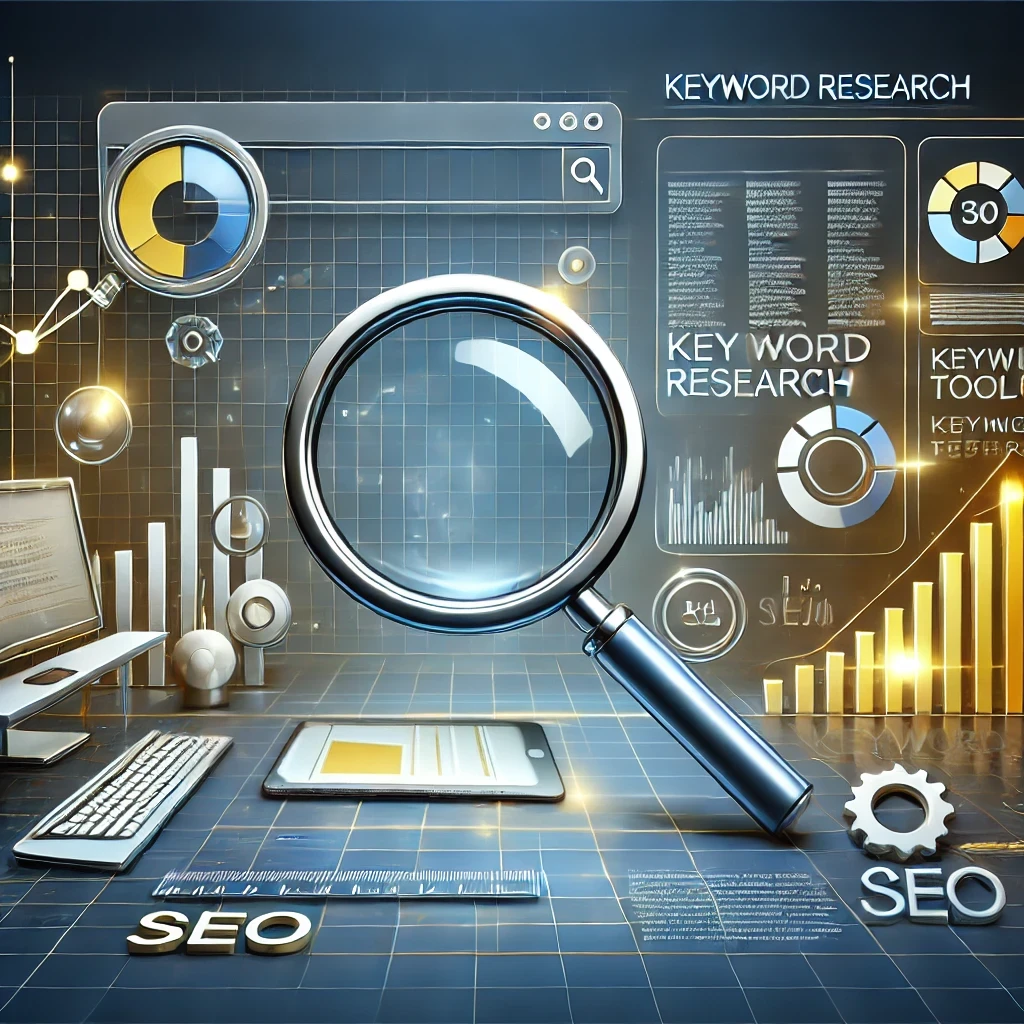
Keyword research is one of the most critical steps in any SEO strategy. It lays the foundation for your entire campaign, ensuring that you’re targeting the right audience with the right content. Without proper keyword research, your SEO efforts could fall flat, wasting time and resources. Taking the time to get it right can mean the difference between success and obscurity.
- Start with Tools: Use tools like Google Keyword Planner, SEMrush, and Ahrefs to identify relevant keywords.
- Long-Tail Keywords: Target phrases with lower competition but high search intent.
- Competitor Analysis: Evaluate which keywords your competitors are ranking for, analyze the content that ranks, and identify gaps or opportunities you can exploit.
- Search Intent: Understand whether the keyword indicates informational, transactional, or navigational intent.
5. Local SEO
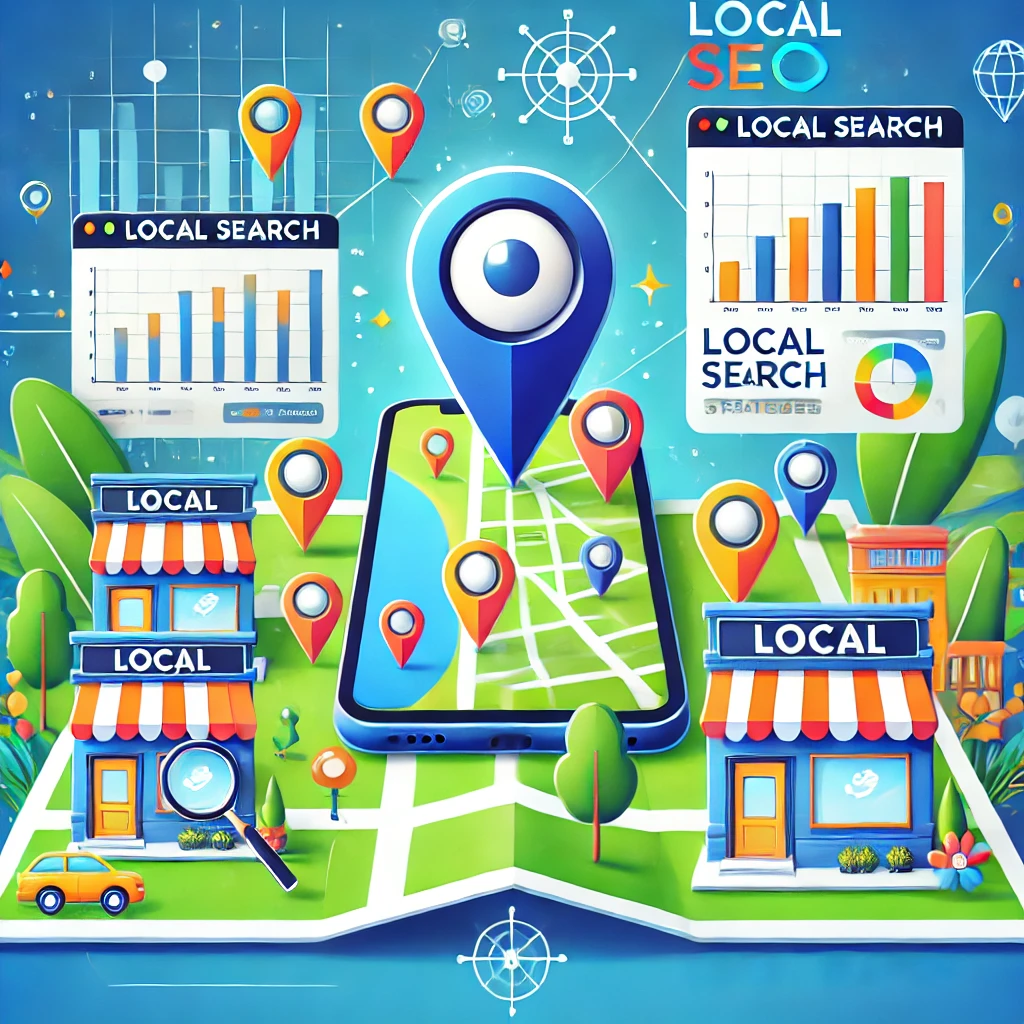
For businesses that depend on local customers, local SEO is a game-changer. A critical element of local SEO is leveraging Google Maps, as it plays a significant role in helping customers find your business easily. To optimize your Google Maps listing, ensure that your business profile is complete with accurate information such as your address, phone number, and business hours. Use high-quality photos of your storefront, products, or services to create an engaging visual presence. Additionally, incorporate local keywords in your business description and encourage customers to leave reviews, as these factors can significantly improve your ranking on Google Maps.
- Google Business Profile: Ensure your listing is complete with accurate NAP (Name, Address, Phone).
- Local Keywords: Include city or neighborhood-specific keywords in your content. Discover more tips in our Local SEO guide.
- Online Reviews: Encourage satisfied customers to leave reviews on platforms like Google and Yelp.
- Local Backlinks: Partner with local directories and businesses for backlinks.
6. Measuring Success
Knowing whether your SEO strategy is working requires tracking key metrics. Use these tools and metrics:
- Organic Traffic: The number of visitors coming from search engines. High organic traffic indicates your keywords and content are attracting the right audience.
- Bounce Rate: How often visitors leave after viewing one page. A high bounce rate may suggest your content isn’t meeting user expectations.
- Time on Page: How long users stay on a specific page. Longer times indicate that your content is engaging and informative.
- Conversion Rate: Percentage of visitors completing desired actions, like filling out a form or making a purchase.
- Click-Through Rate (CTR): The percentage of users who click on your link after seeing it in search results.
- Keyword Rankings: Monitor how your targeted keywords are performing over time.
7. Advanced SEO Techniques

Advanced SEO isn’t just about technical tweaks; it’s also about weaving storytelling into your strategy. To implement these techniques effectively, you need the right tools:
- Beginner-Friendly Tools: Yoast SEO (for WordPress), AnswerThePublic.
- Advanced Tools: SEMrush, Ahrefs, Screaming Frog SEO Spider, Moz Pro, Google Analytics, and Search Console. Explore how these tools integrate with Webociti’s Digital Marketing services.
8. SEO Trends for 2025
- Core Web Vitals: Prioritize user experience metrics like loading speed, interactivity, and visual stability.
- Video SEO: Optimize video content with transcripts, captions, and proper metadata.
- Content Personalization: Tailor content to individual user preferences and behaviors.
9. Common SEO Mistakes to Avoid
- Keyword Stuffing: Overusing keywords can lead to penalties and lower rankings.
- Ignoring Mobile Optimization: A poor mobile experience can drive users away.
- Neglecting Analytics: Without data, you’re flying blind.
10. Ready to Boost Your SEO in 2025?
Next Steps
- Identify Your Priorities: Focus on areas that need immediate attention, like page speed or local SEO.
- Consult with Experts: Work with professionals to develop a tailored strategy.
Frequently Asked Questions (FAQ)
- What is the first step in implementing an SEO strategy? The first step is conducting thorough keyword research to target the right audience effectively.
- How long does it take to see results from SEO? SEO is a long-term strategy, and it can take weeks to months to see significant results.
- What tools are essential for beginners in SEO? Tools like Google Analytics, Google Search Console, and Yoast SEO are beginner-friendly and effective.
Transform Your SEO Strategy Today
Are you ready to take your SEO strategy to the next level? Webociti specializes in creating tailored SEO solutions that drive results. Whether you need help with keyword research, content optimization, or technical SEO, our team of experts is here to assist.
Contact us today for a free consultation and let’s discuss how we can help you achieve your digital marketing goals. Call us at 678-892-7157 or visit our website to learn more!