The Ultimate Guide to Social Media Advertising, Google Ads, and Programmatic: Which is Right for Your Business?

Social media ads vs Google
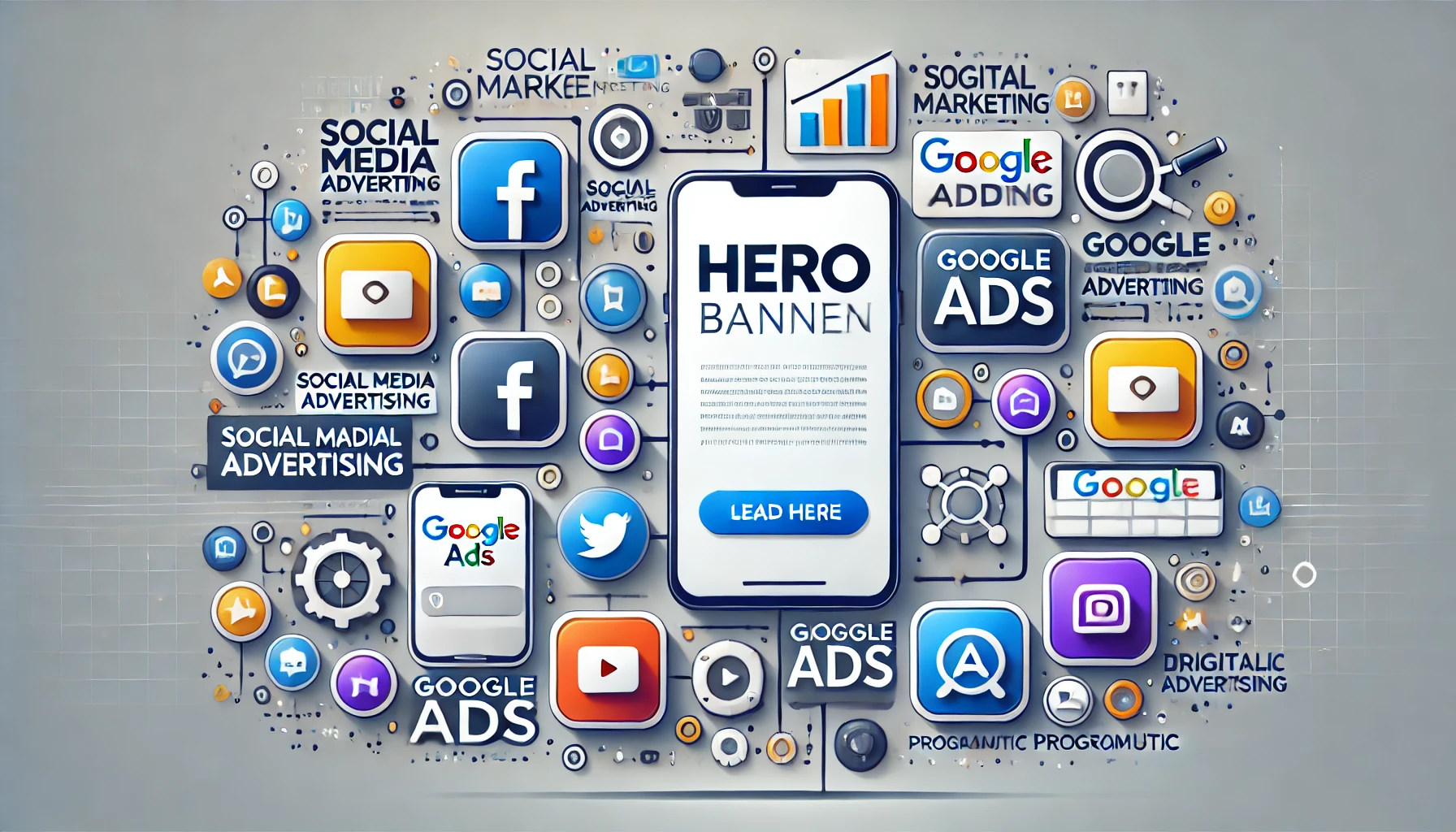
In 2024, businesses are expected to spend over $600 billion on digital advertising, but with so many platforms available, how do you know where to invest for the best returns? Among the most powerful are social media advertising, Google Ads, and the increasingly popular programmatic advertising. Each of these platforms offers unique ways to reach your audience, and understanding how they work is crucial to making an informed decision.

In this post, we’ll explore the strengths and weaknesses of each option, giving you the insight you need to choose the right advertising approach for your business.


Understanding Social Media Advertising

Social media advertising allows businesses to promote their products or services directly within the feeds of popular social platforms such as Facebook, Instagram, LinkedIn, and TikTok. This type of advertising leverages rich user data to target audiences based on their interests, behaviors, and demographics, making it an incredibly effective tool for building brand awareness and engaging potential customers.

But there’s an important distinction to make: successful social media advertising isn’t about how many likes you get, it’s about how many people engage with your posts and ads.

Engagement Over Vanity Metrics

While accumulating likes, followers, and shares might feel gratifying, these “vanity metrics” don’t necessarily translate into tangible business results. Instead, what really matters is engagement—how many people are interacting meaningfully with your content. Engagement metrics, such as comments, shares, click-through rates, and even direct messages, give you deeper insight into how your audience is connecting with your brand.

Why is engagement more important than likes?

  • Higher Engagement = More Reach: Social media algorithms prioritize content that generates high engagement, meaning the more your audience interacts with your posts (through comments, clicks, and shares), the more people will see your content organically.
  • Engagement Drives Conversions: People who take the time to engage with your posts—whether by commenting, clicking on links, or sharing—are more likely to convert into leads or customers. This makes engagement a more actionable metric for determining the success of your campaigns.
  • Better Audience Insights: Engagement shows how well your message resonates with your target audience. By focusing on engagement, you can gain a better understanding of what content drives action and tailor future campaigns for higher performance.

Key Features of Social Media Advertising

Social Media Advertising

  • Visually Driven Content: Social platforms are inherently visual, making them ideal for businesses that can create engaging images or videos.
  • Robust Audience Targeting: Social media platforms collect extensive user data, allowing for highly targeted ads based on location, interests, behaviors, and past interactions with your brand.
  • Multiple Ad Formats: You can choose from a variety of ad formats, including photo ads, video ads, carousel ads, and stories, depending on the platform and your goals.

Pros of Social Media Advertising

  • High Engagement Rates: Social media platforms encourage interaction, meaning well-crafted ads can generate high engagement, which boosts their visibility to a broader audience.
  • Great for Building Brand Awareness: Social media helps increase your brand’s visibility and fosters direct interaction with customers through comments, shares, and other engagements.
  • Affordable: Even businesses with smaller budgets can experiment with social ads and scale their spending as they see results.

Success Story: One Webociti client increased their social media engagement by 35% after shifting their focus from likes to meaningful engagement, resulting in a 20% increase in conversions. This proves that quality interaction far outweighs sheer numbers!

Cons of Social Media Advertising

  • Lower Purchase Intent: Users on social media are often not actively looking to buy, so while engagement may be high, conversions can be lower.
  • Algorithm Dependence: Changes in platform algorithms can affect the visibility and performance of your ads, requiring constant adaptation.

Need help mastering social media advertising? Our team at Webociti can craft a strategy that ensures your business gets real engagement, not just likes. Contact us today!


Understanding Google Ads

Google Ads operates on a pay-per-click (PPC) model, where businesses bid on specific keywords to have their ads appear at the top of search engine results pages. This platform is particularly effective for targeting users with a high purchase intent, as they are actively searching for products or services.

Key Features of Google Ads

Understanding Google Ads

  • Search Intent: Google Ads capitalizes on users who are already searching for solutions, making it easier to capture customers further down the sales funnel.
  • Keyword Targeting: By bidding on relevant keywords, you can ensure your ads reach users interested in your products or services.
  • Multiple Formats: Google Ads supports text ads, shopping ads, display ads, and video ads, providing versatility in reaching your audience.

Pros of Google Ads

  • High Purchase Intent: Since users are actively searching, they are more likely to convert when they see your ad.
  • Precise Keyword Targeting: You can target specific searches, ensuring your ads are relevant to what people are looking for.
  • Immediate Results: Google Ads campaigns can drive traffic and conversions quickly after launch.

Cons of Google Ads

  • Competitive and Costly: Popular keywords can be expensive, especially in competitive industries.
  • Requires Expertise: Running an optimized campaign requires PPC knowledge and can be time-consuming without proper management.

Ready to capture high-intent customers? Webociti’s Google Ads experts can help you create a PPC campaign that drives conversions. Contact us now for a free consultation!


Understanding Programmatic Advertising

Programmatic advertising is the automated buying and selling of ad inventory across a wide variety of platforms and devices. It uses machine learning and AI to purchase ad space in real time, targeting users with high precision across websites, apps, videos, and even smart TVs.

Retargeting with Programmatic Ads

One of the key strengths of programmatic advertising is retargeting—the ability to show ads to users who have already visited your website or engaged with your brand in some way.   Retargeting is an effective way to re-engage users who didn’t convert the first time they interacted with your content, helping to nurture them further down the sales funnel.
Retarageting Ads

How does retargeting work?
Through tracking pixels or cookies, programmatic platforms can display your ads to people who have previously interacted with your website, ensuring your brand stays top of mind as they browse the internet.

Key Features of Programmatic Advertising

  • Real-Time Bidding (RTB): Programmatic ads are placed using automated auctions that happen in milliseconds, ensuring that your ads are shown to the right users at the right time.
  • Cross-Platform Reach: Programmatic ads can appear on websites, apps, video platforms, and even smart TVs, giving you access to a wide range of audiences.
  • Automated Optimization: Machine learning continuously refines your campaign to improve performance over time.

Pros of Programmatic Advertising

  • Efficient and Scalable: Programmatic ads are automated, reducing the need for manual effort and allowing campaigns to scale quickly.
  • Precise Targeting & Retargeting: With access to first-party and third-party data, programmatic allows for highly granular audience targeting, including retargeting users who have previously engaged with your brand.
  • Performance Optimization: AI-powered systems adjust your bids and ad placements in real time to optimize performance and reduce wasted spend.

Cons of Programmatic Advertising

  • Complex Setup: While programmatic is automated, setting it up and managing it effectively requires specialized knowledge.
  • Potential for Ad Fraud: The automated nature of programmatic advertising can expose advertisers to risks such as bot traffic or click fraud, although many platforms offer fraud detection tools.

Want to explore programmatic advertising? Webociti’s experts can help you take advantage of this advanced advertising technique to scale your campaigns efficiently. Get in touch for more information!


Which Advertising Platform is Right for Your Business?

Each platform serves different purposes depending on your business goals, audience, and budget. Here’s a quick guide to help you choose:

1. Brand Awareness

Best option: Social Media Advertising
Social platforms are ideal for building brand awareness and engaging with a broad audience through visually compelling ads.

2. Driving Conversions

Advertising Platform is Right
Best option: Google Ads
If your goal is to capture high-intent users actively searching for products or services, Google Ads can drive immediate sales and conversions.

3. Cross-Platform Reach

Best option: Programmatic Advertising
For businesses looking to scale their advertising efforts across multiple platforms and devices, programmatic advertising offers the efficiency and reach needed to engage diverse audiences.

4. Budget Considerations

Best option: Social Media Advertising (Smaller Budgets) or Google Ads (Performance-Based)
Social media advertising allows for flexible budgets and incremental spending, while Google Ads offers predictable costs through a pay-per-click model.


The Hybrid Approach: Combining Social Media, Google Ads, and Programmatic

For many businesses, a hybrid approach—using all three platforms—yields the best results. Social media advertising can increase brand awareness and engagement, Google Ads can capture high-intent searchers ready to buy, and programmatic advertising ensures you reach your audience across multiple channels with automated precision.


Final Thoughts: Choosing the Right Digital Marketing Strategy

Choosing between social media advertising, Google Ads, and programmatic advertising depends on your business goals, target audience, and budget. Often, a mix of these platforms provides the most comprehensive approach to capturing leads at every stage of the buyer’s journey.

At Webociti, we specialize in creating tailored digital marketing strategies that include the perfect combination of social media, Google Ads, and programmatic advertising. Our team of experts can help you determine which platforms will deliver the best ROI for your business. Contact us today to get started with a free consultation!

Unlocking Growth: Content Marketing Strategies for Small Businesses

In this post: Learn 8 actionable content marketing strategies that helped a small business drive real growth—and how you can apply them too.

Want to grow your small business without spending a fortune? These content marketing strategies for small businesses helped one boutique double its customer base—and you can use them too.

That’s exactly what happened to Eliza’s Designs, a small boutique that leveraged targeted content marketing to skyrocket visibility and sales. In today’s digital-driven market, this is not just possible but increasingly common. Content marketing offers a powerful way for small businesses to build brand awareness, drive engagement, and grow efficiently. Let’s explore how you can replicate that success.

1. Define Your Audience and Goals

Before diving into content creation, define who your target audience is and what you want your content to achieve—brand awareness, leads, or engagement. Having clear goals ensures you create purposeful content.

Action Tip: Create buyer personas to detail demographics, interests, and pain points for laser-focused messaging.

2. Leverage the Power of Storytelling

Share stories about your brand’s origin, challenges overcome, and the mission that drives your business. Emotional connection builds stronger loyalty.

Action Tip: Include testimonials and customer case studies to tell authentic stories and provide social proof.

3. Optimize Content for SEO

Make your content discoverable through search engines by targeting the right keywords and structuring your pages well.

Action Tip: Use tools like Google Keyword Planner or SEMrush to identify relevant terms. Optimize titles, headers, and descriptions.

4. Diversify Your Content Formats

Different formats appeal to different segments of your audience. Go beyond blogs by using video, infographics, podcasts, and carousels.

Action Tip: Track engagement trends to see which formats work best—then invest accordingly.

5. Utilize Content Calendars

Planning content in advance helps you stay consistent and relevant. It’s also essential for seasonal and campaign timing.

Action Tip: Use Trello or Google Calendar to schedule themes, channels, and publishing dates.

6. Promote Your Content Across Channels

Content promotion is just as important as creation. Use email, social media, and partnerships to expand your reach.

Action Tip: Repurpose posts into LinkedIn articles, Instagram carousels, or newsletter segments.

7.Analyze and Adapt Your Content Marketing Strategies

Monitor performance regularly to improve results. Data should inform your strategy moving forward.

Action Tip: Review Google Analytics each month—track page views, bounce rate, and conversions.

8. Encourage User-Generated Content

Let your audience be your best advocates. UGC is authentic and adds credibility to your marketing.

Action Tip: Launch campaigns asking for photos, videos, or testimonials you can share.

Conclusion

Eliza’s Designs is just one of many success stories that show how effective content marketing can drive ROI. Strategic storytelling, SEO, and consistency are the backbone of growth in today’s digital economy.

Ready to see results? Schedule a free consultation today and discover how Webociti’s proven content marketing strategies can help grow your business.


📞 Let’s Get Started