
Customer-Centric Marketing: How Top Brands Solve Real Problems

Setting the Scene: A Shift in Strategy

Consumers are tuning out product pitches—but they’re leaning in when brands talk about their struggles, dreams, and daily frustrations. That’s why today’s smartest marketers are turning to customer-centric marketing strategies that focus on solving real problems—not just selling features.

Traditional marketing often highlights a product’s features or superiority—but that alone doesn’t cut it anymore. Today’s customers expect brands to understand their needs and provide real solutions. The shift from product-focused to problem-solving marketing isn’t just a trend; it’s a fundamental change in how companies connect with their customers.

 

Marketing experts discussing strategies on a digital display

Marketing experts discussing strategies on a digital display


Problem-Solving at the Core of Customer-Centric Marketing Strategies

The heart of customer-centric marketing strategies lies in identifying real problems your audience faces—and positioning your product as the solution. This approach builds deeper trust, boosts engagement, and strengthens long-term loyalty.

For instance, instead of promoting a cleaning product based on ingredients, emphasize how it creates a safer home by eliminating 99.9% of germs, offering peace of mind to busy families. The product becomes the solution to a real-life concern—not just a commodity.


Creating Curiosity and Engagement

Curiosity drives engagement. When your marketing sparks curiosity, it turns passive readers into active seekers of information. Storytelling is a powerful tool here. Use scenarios that reflect your audience’s daily lives and position your product as the hero.

For example, when marketing a financial app, tell a story about a couple navigating unexpected expenses and how the app helps them plan for a dream vacation. The emotional payoff makes the product relevant and memorable. This is just one of many ways customer-centric marketing strategies can create powerful engagement moments.


Learning from the Best: Case Studies

Some of the most successful brands today didn’t get there by pushing features—they did it by solving problems their customers care about.

Take Slack, for instance. Instead of advertising itself as just a chat app, Slack focused on solving workplace chaos. Their messaging positioned the tool as a way to simplify communication, reduce email clutter, and streamline teamwork. That real-world benefit helped Slack explode in popularity.

Another great example is Dove. Rather than selling soap, Dove launched its “Real Beauty” campaign to address self-esteem and confidence issues among women—turning the product into a symbol of empowerment. Sales soared, and the brand built deep emotional connections with its audience.

These real-life case studies show how customer-centric marketing strategies can generate emotional impact, loyalty, and measurable business growth. Learn more about this approach from this HubSpot guide to customer-centric marketing.


5 Ways to Apply Customer-Centric Marketing Strategies Today

  • Talk to your customers: Conduct surveys, interviews, or use social listening to uncover the problems they care most about.
  • Mirror their language: Use copy that reflects the way your audience talks about their challenges and desires.
  • Position your product as the guide: Don’t make it the hero. Instead, show how it helps your audience overcome obstacles.
  • Share transformation stories: Showcase real customers and how your product changed their situation for the better.
  • Focus on benefits over features: Shift your messaging from “what it does” to “how it improves life or work.” This is one of the most effective customer-centric marketing strategies you can implement today.


Common Pitfalls to Avoid

Even with the best intentions, brands can fall into traps. Here are a few mistakes to watch out for when applying customer-centric marketing strategies:

  • Talking too much about yourself: If your marketing starts with “we” or “our product,” flip it to focus on the customer instead.
  • Overloading on features: Don’t list features without explaining their value. Tie every feature to a customer problem it solves.
  • Neglecting emotion: Facts tell, but stories sell. Make sure your messaging connects emotionally, not just logically.


Trends in Customer-Centric Marketing Strategies

As digital transformation accelerates, customers expect more personalized, value-driven interactions. Forward-thinking companies are investing in AI-driven personalization, predictive analytics, and omnichannel experiences to stay ahead. According to Gartner, businesses that integrate personalization into their customer-centric marketing strategies see significantly higher engagement and conversion rates.

Another key trend is the rise of interactive content—from quizzes and polls to calculators and assessments. These tools don’t just entertain; they offer valuable insights into customer needs while showcasing how your product or service fits into their journey. Embedding these into your customer-centric marketing strategies can elevate engagement and increase lead quality.


Start Using Customer-Centric Marketing Strategies Today

Want a marketing strategy that speaks directly to your customers’ pain points—and earns their trust? At Webociti, we help businesses like yours turn problems into growth opportunities through proven customer-centric marketing strategies.

📞 Schedule Your Free Consultation or call us at 678-892-7157.

Implementing customer-centric marketing strategies doesn’t happen overnight—but small changes add up. Start by rethinking your email campaigns, website copy, or ad messaging. Focus each piece of content on how your brand improves your customer’s life, not just what you sell. Over time, this shift will reshape how people connect with your business.


Conclusion

In today’s crowded digital space, products alone don’t stand out. Brands that win are those that offer solutions, tell authentic stories, and put the customer first. By embracing customer-centric marketing strategies, you move from pitching products to building meaningful relationships—and that’s where real growth begins.


 

Email Marketing Best Practices for Local Businesses: Engaging Your Local Audience Effectively

In an era where digital communication is key, email marketing remains a powerful tool for local businesses. It’s not just about sending emails; it’s about crafting messages that resonate with your community. For businesses in the United States, where community ties and local engagement are paramount, email marketing can be particularly effective. This post explores best practices and strategies to maximize the impact of your email campaigns, ensuring they speak directly to your local audience.

Understanding Your Audience


Segment Your Audience

Tailor your content to different segments of your local market. This could be based on location, interests, or past purchasing behavior. For example, a restaurant in Atlanta might send different emails to customers who prefer vegan options versus those who love barbecue.

Personalize Your Messages

Use the recipient’s name and reference local events or situations. Personalization increases open rates and engagement, making your audience feel more connected to your brand.

Crafting Your Message


Localize Your Content

Incorporate local news, events, or issues into your email content. This demonstrates your involvement in the community and can create a stronger bond with your audience.

Use a Friendly, Conversational Tone

Speak to your audience as neighbors. A warm, conversational tone can make your emails feel more personal and less like a corporate broadcast.

Designing Your Email


Mobile Optimization

Ensure your emails are mobile-friendly. With most users checking emails on their phones, a mobile-optimized design is crucial.

Visually Appealing Layout

Use a clean, simple layout with high-quality images and easy-to-read fonts. Include images that showcase your local area or community events.

Effective Subject Lines


Be Clear and Concise

Your subject line should clearly state the email’s purpose. Avoid being too salesy; instead, focus on offering value. Email

Localize Your Subject Lines

Include references to your city or local area to catch the attention of your audience immediately.

Timing and Frequency


Find the Right Time

Test different sending times to see when your audience is most likely to open your emails. This can vary significantly depending on local lifestyles and routines.

Don’t Overwhelm Your Audience

Be mindful of how often you send emails. Too many emails can lead to unsubscribes, while too few might make your audience forget about you.

Creating Engaging Content

Local Email Marketing

Tell Stories

Share stories about your business, employees, or local community projects you’re involved in. Storytelling can be a powerful tool to connect emotionally with your audience.

Include Local Offers and Promotions

Tailor your offers to your local audience. This could be discounts for local residents, special events, or early access to new products or services.

Utilizing Calls to Action (CTAs)


Clear and Compelling CTAs

Your CTA should be clear and direct, telling your readers exactly what you want them to do next, whether it’s visiting your store, attending an event, or taking advantage of a special offer.

Test Different CTAs

Experiment with different CTA placements and wording to see what works best with your local audience.

Measuring Success


Track Key Metrics

Keep an eye on open rates, click-through rates, and conversion rates to understand how well your emails are performing.

Use Feedback

Pay attention to replies and feedback from your audience. This can provide valuable insights into what they like and dislike about your emails.

Compliance and Best Practices


Follow CAN-SPAM Act Guidelines

Ensure you comply with email regulations by including an unsubscribe option, using accurate header information, and not using deceptive subject lines.

Respect Privacy

Be transparent about how you use subscriber data and ensure you have permission to email your contacts.

Conclusion

Email marketing is more than just a way to communicate with your audience; it’s a tool to build and strengthen community ties. By understanding your local audience, crafting engaging, personalized content, and continuously measuring and refining your approach, your email marketing campaigns can become a vital part of your local business’s success.

Remember, the key is to remain authentic and true to your local roots while embracing the power of digital communication. As you integrate these best practices into your email marketing strategy, you’ll not only see better engagement but also foster a deeper connection with your community.

Are you ready to take your local business’s to the next level?

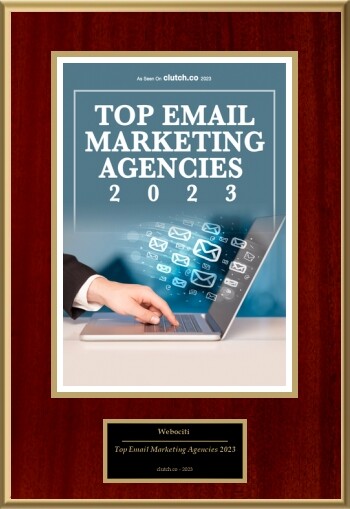
Webociti Top E-mail Marketing Company
Contact Webociti today for a personalized consultation. Our team specializes in crafting bespoke email marketing solutions that resonate with local audiences. Let’s work together to create email campaigns that not only reach but also engage and inspire your community. Click Here to get in touch with us, or call us directly at 678-892-7157. Start transforming your email marketing strategy today!

5 Ways to Know You’ve Hired the Right Team for Marketing a Law Firm

Hiring the right marketing team is essential to the success of your law firm. This team will not only be responsible for generating new leads but also for branding and creating a positive image for your firm. From creating the best logo for your law firm to handling your social media accounts, the right marketing team will do it all.

But how do you know if you’ve hired the right marketing team? Here are five ways to tell:

1. They Have a Proven Track Record

The first way to know you’ve hired the right marketing team is by looking at their track record. Do they have experience working with law firms? Do they have a portfolio of satisfied clients? If the answer to both of these questions is yes, then you can be sure that you’ve hired the right team.

You can also ask the team for references from past clients. This will give you a better idea of what it’s like to work with them and whether or not they’re the right fit for your firm.

Other ways to determine the track record of every member of your marketing team include:

  • Check their online presence: Do they have a blog? Are they active on social media?
  • Look at their previous work: Have they created successful marketing campaigns for other businesses in the past?
  • Check their LinkedIn profiles: What is their experience? Do they have any recommendations from past clients?

2. They Understand Your Business

It’s not enough for a marketing team to simply be good at what they do. They also need to understand your business and your goals. Otherwise, they won’t be able to create a successful marketing strategy for your firm.

The best way to gauge whether or not a marketing team understands your business is by talking to them. Ask them questions about your firm and see how they respond. If they’re able to answer your questions in a way that shows they understand your business, then you know you’ve found the right team.

You can also ask the team for their ideas on how to market your firm. If they’re able to come up with a comprehensive and well-thought-out plan, then it’s a good sign that they understand your business.

3. They Have a Creative Approach

A good marketing team will have a creative approach to marketing your firm. They should be able to think outside the box and come up with creative solutions to problems.

One way to gauge the creativity of a marketing team is by looking at their previous work. Have they been able to create successful and innovative campaigns in the past? If so, then you know you’ve found a team that’s not afraid to think outside the box.

You can also ask the team how they would approach marketing your law firm. If they have a well-thought-out and creative answer, then you know you’ve found a winner.

4. They Understand Your Target Audience

A good marketing team will take the time to understand your target audience. They should know who your ideal client is and what their needs are.

They should also be able to create marketing campaigns that are specifically tailored to your target audience. This way, you can be sure that your marketing dollars are being spent in the most effective way possible.

If a marketing team doesn’t take the time to understand your target audience, then they’re not worth your time.

5. They Understand Your Goals

A good marketing team will understand your goals for the campaign. They should be able to develop a plan that is in line with what they want to achieve.

The best marketing teams will also be able to provide you with measurable goals. This way, you can track the progress of the campaign and see if it’s achieving the results you want.

Goals that are too vague or unmeasurable are a red flag that the marketing team doesn’t understand what they’re doing.

Below are the characteristics of measurable goals your team should be striving for:

  • They are specific: Measurable goals are specific and leave no room for interpretation.
  • They are achievable: They should be ambitious but still achievable.
  • They are relevant: The goals should be relevant to your overall marketing strategy.
  • They are time-bound: Measurable goals should have a timeline attached to them.

Final Thoughts

Your law firm’s marketing campaign is only as good as the team you hire to execute it. This is why it’s so important to take your time and find the right team for the job.

By keeping an eye out for the strategies listed above, you can be sure that you’ve found a team that will do a great job of marketing your law firm.

Don’t forget to choose a team you can work with. A good marketing team will be easy to communicate and collaborate with. This way, you can focus on running your law firm while they handle the marketing aspects.