9 Signs Your Website Is Losing Customers

Your website is your digital storefront—so why are customers walking away? Here’s how to spot (and fix) the common issues that are signs your website is losing customers.

In today’s digital world, your website is often the first interaction potential customers have with your business. Think of it as your storefront—the first impression that sets the tone for their experience. If your website is slow, cluttered, or outdated, visitors won’t stick around. Worse, they’ll head straight to your competitors. Here are nine telltale signs your website is losing customers, along with actionable tips to turn things around.

Quick Summary

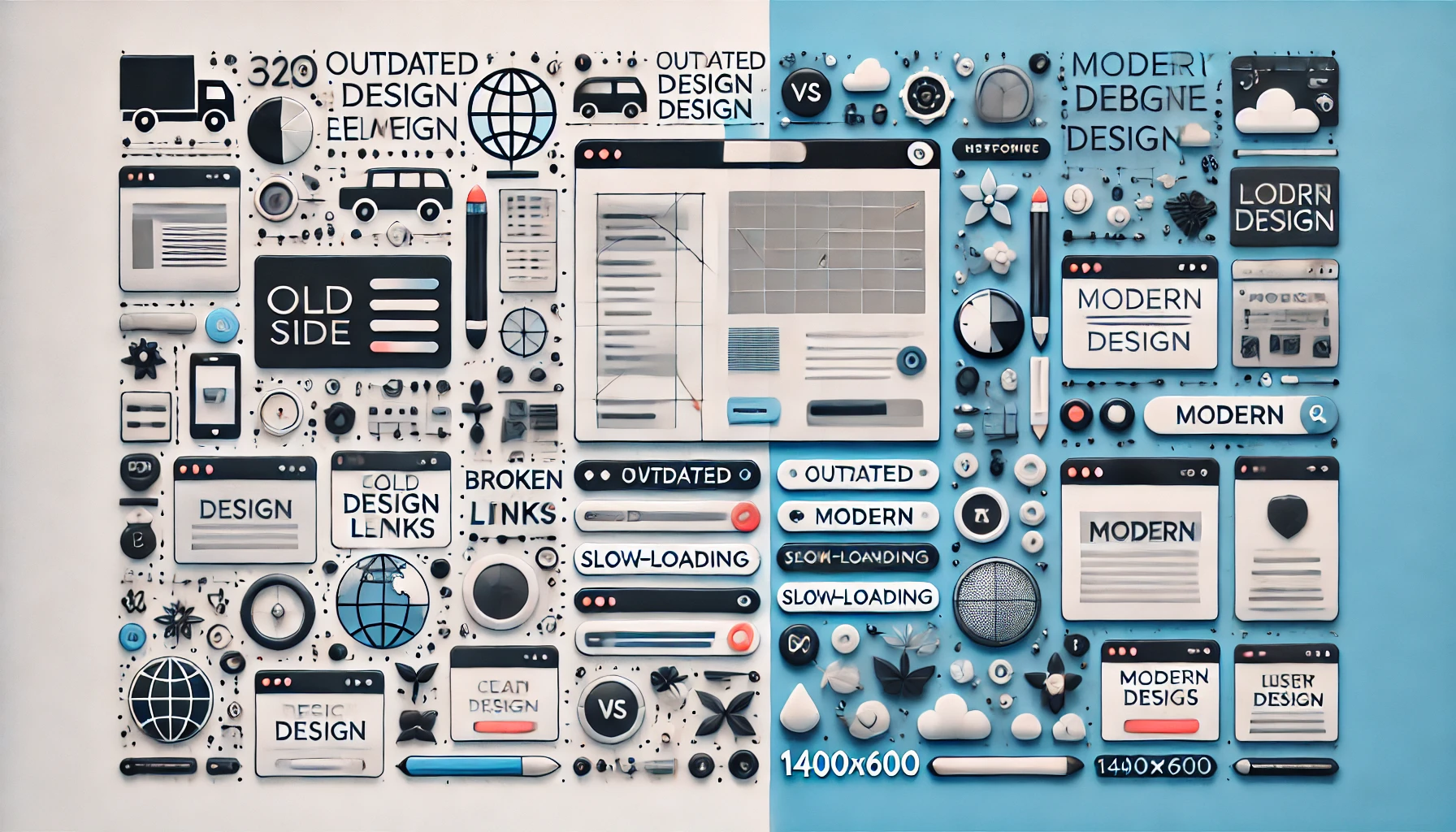
Graphic titled '9 Signs Your Website Is Losing Customers' highlighting issues like poor content quality, outdated design, and slow loading speeds.

  • The importance of storytelling and engaging messaging
  • Copying competitors instead of being unique
  • Lack of trust signals
  • Poor content quality
  • No clear call to action (CTA)
  • Outdated design
  • Lack of mobile optimization
  • Unclear navigation
  • Slow loading speeds
Quick Tip: If you recognize any of these issues on your website, don’t wait—take action now to improve your site’s performance and customer experience.
Contact us for a free consultation.

1. The lack of storytelling and engaging messaging

The Problem: Many websites fail to connect emotionally with their audience, focusing only on features or technical specifications. This approach often fails to address customer needs or pain points, making it harder to resonate and leaving no lasting impression.

The Fix:

  • Tell a brand story that speaks to your audience’s values and aspirations.
  • Use storytelling to show how your product or service helps with real world problems.
  • Address your audience’s challenges and goals head-on.
  • Emphasize the benefits of your product or service and how it can help improve their lives or fix their problems.
  • Include customer success stories or case studies to show real results.
  • Use customer-centric language, such as “Here’s how we help you…” rather than “What we offer.”

Why It Matters: Stories and engaging messaging build trust and create an emotional connection with your audience. By shifting the focus from your product to your customers’ experiences, you differentiate your brand, inspire action, and foster loyalty.

2. Copying Competitors Instead of Being Unique

The Problem: It’s tempting to replicate what your competitors are doing, but this approach can make your brand blend in rather than stand out. Customers are looking for unique solutions, not a copycat business.

The Fix:

  • Identify your unique value proposition (UVP) and make it the centerpiece of your messaging.
  • Focus on how your brand solves problems differently or better than others.
  • Avoid using cookie-cutter templates or language from competitors’ websites.
  • Highlight your company’s story, mission, and values to create a deeper connection with your audience.
  • Be yourself and emphasize what makes you stand out. Show your unique value and the things you do better than your competitors.

Why It Matters: Being unique helps you stand out in a crowded market and establishes your brand as an innovator. Customers are more likely to choose a brand they feel is authentic and original, rather than one that blends in with the rest.

3. Lack of Trust Signals

The Problem: In the digital age, trust is everything. If visitors can’t verify your credibility, they won’t feel confident doing business with you. Missing trust signals like customer reviews, certifications, or secure payment options can drive potential customers away.

The Fix:

  • Display testimonials, case studies, and reviews prominently on your website.
  • Use trust badges for secure payments and privacy assurances (e.g., “SSL Secured” or “Verified by [Payment Provider]”).
  • Include an “About Us” page that highlights your company’s expertise and values.
  • Provide clear contact information to show visitors there’s a real team behind the website.

Why It Matters: Trust signals reduce hesitation by providing reassurance that your business is credible and reliable. Without these, customers may abandon your site for a competitor that appears more trustworthy.

4. Poor Content Quality

The Problem: Low-quality, irrelevant, or outdated content can turn visitors off. If your website doesn’t provide value or answer users’ questions, they’ll leave unsatisfied and unlikely to return.

The Fix:

  • Regularly update your content to ensure it remains relevant and accurate.
  • Use clear, concise language tailored to your target audience.
  • Incorporate visuals like images, videos, and infographics to enhance engagement.
  • Add a blog or resource section to position your brand as an industry expert and improve SEO.

Why It Matters: High-quality content not only improves SEO but also keeps visitors engaged and builds your authority in the industry. Customers return to websites that consistently provide value and answer their questions.

5. No Clear Call to Action (CTA)

The Problem: Your website may look great and provide valuable information, but if it lacks a clear next step, visitors won’t know what to do. Whether it’s contacting you, purchasing a product, or signing up for a newsletter, every page needs a purpose. Most importantly, your website must clearly guide people on how to do business with you.

The Fix:

  • Place prominent CTAs on every key page (e.g., “Contact Us,” “Buy Now,” “Learn More”).
  • Use actionable language that creates urgency, such as “Get Your Free Quote Today!”
  • Ensure CTAs stand out visually with contrasting colors and strategic placement.
  • Test different CTAs to determine what resonates best with your audience.

Why It Matters: CTAs act as signposts that guide visitors toward conversion. Without them, potential customers may feel lost and leave without taking any action, reducing your site’s effectiveness.

6. Outdated Design

The Problem: A website with a dated look or poor design elements can make your business appear unprofessional and out of touch. First impressions matter, and users often judge credibility based on design within seconds of landing on a site.

The Fix:

  • Adopt a clean, modern design that reflects your brand’s identity.
  • Use high-quality visuals and consistent fonts and colors throughout your site.
  • Ensure your website’s design is mobile-responsive, as over half of web traffic comes from mobile devices.
  • Regularly update your website to stay aligned with current design trends and user expectations.

Why It Matters: Your website’s design is often the first impression customers have of your business. A modern, professional design builds trust and confidence, encouraging visitors to stay and explore.

7. Lack of Mobile Optimization

The Problem: With more people browsing on smartphones than ever, a non-mobile-friendly website is a dealbreaker. Visitors will leave if they have to pinch, zoom, or scroll excessively to navigate your site.

The Fix:

  • Use responsive design techniques to ensure your site adapts to any screen size.
  • Test your website on various devices to identify usability issues.
  • Simplify forms and call-to-action buttons to make them easy to interact with on mobile.
  • Optimize images and videos for mobile to ensure fast load times.

Why It Matters: Mobile optimization ensures accessibility for the majority of internet users, who browse on mobile devices. A seamless mobile experience improves engagement and reduces bounce rates.

8. Unclear Navigation

The Problem: If visitors can’t find what they’re looking for quickly, they’ll leave. A confusing or cluttered navigation menu creates frustration and increases bounce rates.

The Fix:

  • Streamline your menu to include only the most important pages.
  • Use clear and concise labels that reflect user intent (e.g., “Services” instead of “What We Offer”).
  • Implement a search bar for easy access to specific information.
  • Test your navigation regularly to ensure it’s intuitive on both desktop and mobile devices.

Why It Matters: Clear navigation creates a seamless user experience, helping visitors find what they need quickly. This reduces frustration, decreases bounce rates, and increases the likelihood of conversions. A well-structured navigation menu keeps users engaged and encourages them to explore more pages on your site.

9. Slow Loading Speeds

The Problem: In the age of instant gratification, nobody wants to wait for a website to load. According to Google’s performance scoring, 53% of mobile users abandon a site if it takes longer than three seconds to load. A slow website frustrates users and sends a signal to search engines that your site isn’t user-friendly, hurting your SEO rankings.

The Fix:

  • Optimize images by compressing their file sizes without sacrificing quality.
  • Use a Content Delivery Network (CDN) to ensure fast loading times across different locations.
  • Minimize code by eliminating unnecessary CSS, JavaScript, and plugins.
  • Upgrade your hosting plan if your current provider doesn’t offer sufficient speed.

Why It Matters: Website speed impacts user experience and SEO rankings. Faster sites keep visitors engaged, reduce bounce rates, and improve conversion rates. Additionally, search engines prioritize fast-loading sites, helping you rank higher in search results.

Back to Top

The Top 7 Warning Signs Your Website Needs a Makeover

In the fast-paced world of digital marketing, your website serves as the storefront of your business. It’s often the first interaction potential customers have with your brand, and as we all know, first impressions matter. Just like physical stores need renovations to stay modern and appealing, websites also require updates to keep up with changing trends, user expectations, and business growth. A website that’s outdated, slow, or poorly designed can cost you in terms of both user engagement and conversions.

In this blog post, we’ll explore the top 7 warning signs that your website might need a makeover and how a fresh design can significantly impact your user experience and bottom line.

1. Your Website Isn’t Mobile-Friendly

More than half of all web traffic now comes from mobile devices. If your website isn’t mobile-friendly, you’re likely losing a significant portion of potential customers. A website that doesn’t scale properly on mobile screens can frustrate users, leading to higher bounce rates and lower conversions.
SEO

Signs your website isn’t mobile-friendly:

  • Visitors have to pinch or zoom to view content.
  • Buttons or links are hard to click because they are too small.
  • The layout looks skewed or off-balance on mobile devices.
  • Page load times are significantly longer on mobile.

Having a responsive, mobile-optimized website is no longer optional; it’s a necessity. Not only does it improve the user experience, but Google also prioritizes mobile-friendly sites in its search rankings.

If your website isn’t mobile-friendly, you could be missing out on valuable leads. Contact us today to explore how Webociti can help redesign your site for the modern mobile experience and drive more conversions.

2. Your Website Is Slow to Load

Did you know that 40% of visitors will abandon a website if it takes more than 3 seconds to load? In the age of instant gratification, users expect websites to load almost instantaneously. If your website is slow, it’s a sure sign you need a makeover.

Signs your website is too slow:

  • High bounce rates (users leaving your site after visiting only one page).
  • Poor performance scores on website speed tests like Google PageSpeed Insights or GTmetrix.
  • Complaints from users about slow page load times.
  • Noticeable delays in loading images, videos, or interactive elements.

A website that loads quickly improves user experience, boosts engagement, and has a positive impact on your SEO ranking. During a website makeover, optimizing images, compressing files, and updating outdated code can significantly improve load times.

3. Your Website Looks Outdated

Design trends in web development evolve rapidly, and what looked modern five years ago may now appear outdated. An old, cluttered design can make your business look unprofessional and out of touch. A dated website can hurt your brand image and decrease your credibility with visitors.

Signs your website design is outdated:

  • Your site uses outdated design elements like skeuomorphism, Flash animations, or old fonts.
  • It lacks modern web features like parallax scrolling, minimalist design, or clean, intuitive navigation.
  • Your website hasn’t been updated in the last 3-5 years.
  • The design looks cluttered, making it difficult for visitors to navigate.

A website makeover will give your business a fresh, modern look that aligns with current design trends and meets user expectations. Incorporating features like sleek typography, bold visuals, and intuitive navigation can dramatically improve your site’s overall appeal.

4. Your Website Isn’t Generating Leads or Conversions

Your website is a powerful tool for lead generation and sales, but if it’s not delivering, something may be off with the design or user flow. Visitors might find it difficult to navigate, locate the right information, or take action, such as filling out a form or making a purchase.

Signs your website isn’t optimized for conversions:

  • Visitors leave your site without taking any action.
  • Your call-to-action (CTA) buttons are hard to find, unclear, or ineffective.
  • Forms are too complicated or lengthy, leading to high abandonment rates.
  • Analytics show low conversion rates despite high traffic.

A website makeover can focus on streamlining the user journey and optimizing the layout for conversions. Simple adjustments like improving CTAs, shortening forms, and using persuasive design elements can make a significant difference in lead generation and sales.

5. Your Website Is Difficult to Update

In today’s digital landscape, you need to be able to update your website regularly—whether it’s adding new content, updating services, or making design tweaks. If your website relies on outdated technology or content management systems (CMS), making these changes can be a cumbersome and time-consuming process.

Signs your website is difficult to update:

  • You need a developer to make even small changes.
  • Your CMS is outdated and lacks modern features.
  • It takes too long to upload new content, images, or updates.
  • Your team finds it challenging to keep the site current with new information.

A website makeover can include migrating to a modern CMS like WordPress, which makes it easier for you to update content and manage your site without the need for technical expertise. This ensures your site stays relevant and up-to-date.

6. Your SEO Performance Has Plateaued

Search Engine Optimization (SEO) is crucial for driving organic traffic to your site, but if your website isn’t performing well in search results, it might be time for a refresh. Google’s algorithms are continually evolving, and an outdated website can negatively impact your rankings.

Signs your website is underperforming in SEO:

  • Your website’s search rankings have stagnated or dropped.
  • Pages are missing essential SEO elements like meta tags, alt text, or proper headings.
  • You’re not generating organic traffic despite optimizing content.
  • Broken links, outdated URLs, or old content remain on your site.

A website makeover can include updating your on-page SEO, improving your website’s structure, and fixing any technical SEO issues. These updates will help you regain visibility in search engines and drive more organic traffic to your site.

7. Your Website Doesn’t Reflect Your Current Brand or Business Offerings

As your business evolves, so should your website. If you’ve recently rebranded, introduced new services, or shifted your business model, your website must reflect those changes. A mismatch between your current brand and your website can confuse visitors and weaken your brand’s identity.
Mobile

Signs your website no longer aligns with your brand:

  • Your site’s color scheme, messaging, or imagery is inconsistent with your current branding.
  • Your products or services have changed, but your site still reflects old offerings.
  • You’ve rebranded or changed your logo, but your site still uses the old one.
  • Your business has expanded to new markets, but your site doesn’t showcase this growth.

A website makeover allows you to align your online presence with your current business and branding. This ensures that visitors get a cohesive brand experience, which helps build trust and encourages engagement.

8. Your Competitors’ Websites Are Better

Take a moment to check out your competitors’ websites. If they’re sleeker, faster, and more modern than yours, it’s time to take action. A website that doesn’t measure up to industry standards can leave you trailing behind in the digital race.

Signs your competitors’ websites are outperforming yours:

  • They have better SEO rankings.
  • Their sites are more visually appealing and easier to navigate.
  • Their mobile experience is superior.
  • They offer a more seamless user journey, leading to higher conversions.

A website makeover will allow you to stay competitive and meet or exceed industry standards, ensuring that you capture and retain more customers.

Conclusion

Your website is more than just a digital brochure—it’s the cornerstone of your online presence and often the first interaction a potential customer has with your brand. If any of the signs mentioned above resonate with you, it’s time to consider a website makeover.

Investing in a modern, functional, and mobile-friendly website will improve user experience, increase conversions, and ensure your business remains competitive in the digital marketplace.

At Webociti, we specialize in designing websites that not only look great but also deliver measurable results. Contact us today for a consultation, and let us help you transform your website into a powerful tool for business growth.