In today’s digital landscape, where trends and technologies seem to change overnight, one marketing method has stood the test of time: email marketing. With its direct and personalized approach, email marketing continues to be a potent tool for businesses to build lasting relationships with their audience and drive valuable conversions. In this blog post, we delve into the art of email marketing, exploring how it can be harnessed to create meaningful connections and achieve measurable results.

Understanding the Power of Email Marketing

Email marketing is more than just sending messages to a list of contacts; it’s about delivering targeted, relevant content that resonates with recipients. It’s a way to establish a two-way communication channel between your brand and your customers. The inbox is a personal space, and when users grant you access, they expect value in return.

Segmentation: The Foundation of Personalization

One of the core principles of effective email marketing is segmentation. Not all subscribers are the same; they have varying interests, preferences, and behaviors. By segmenting your email list based on demographics, interests, purchase history, and engagement level, you can tailor your messages to specific groups. This personalization boosts engagement rates and ensures that recipients receive content that aligns with their needs.

Crafting Compelling Content

The success of an email marketing campaign hinges on the quality of the content you deliver. A well-crafted email should be informative, relevant, and engaging. From attention-grabbing subject lines to concise yet informative body content, every element should contribute to the overall message. Visuals such as images and videos can enhance the impact of your emails, but be cautious not to overwhelm or distract from the main message.

Nurturing Customer Relationships

Email marketing is a powerful tool for nurturing customer relationships throughout the customer journey. Beyond promotional emails, consider incorporating emails that educate, entertain, or provide valuable resources to your subscribers. This approach positions your brand as a trusted advisor and fosters a deeper connection.

Driving Conversions with Call-to-Actions

The ultimate goal of email marketing is to drive conversions. Whether it’s making a purchase, signing up for a webinar, or downloading an e-book, your emails should include clear and compelling call-to-actions (CTAs). A strategically placed CTA guides recipients towards the desired action and simplifies the conversion process.

Monitoring and Optimizing

Data is a goldmine in the realm of email marketing. Analyzing metrics like open rates, click-through rates, and conversion rates provides valuable insights into the effectiveness of your campaigns. By continuously monitoring and analyzing this data, you can identify trends, preferences, and areas for improvement. A/B testing different elements of your emails, such as subject lines, content, and CTAs, allows you to refine your approach over time.

Compliance and Transparency

As email regulations continue to evolve, maintaining compliance and transparency is paramount. Ensure that your email campaigns adhere to relevant laws and regulations, such as the General Data Protection Regulation (GDPR) or the CAN-SPAM Act. Provide recipients with clear options to opt-in and opt-out, and make your privacy policy readily accessible.

Conclusion: The Ever-Evolving Art

In a fast-paced digital world, the art of email marketing remains a constant, albeit ever-evolving, strategy. It’s a dynamic blend of personalization, content creation, relationship-building, and data analysis. When executed thoughtfully, email marketing becomes a powerful driver of engagement, conversions, and customer loyalty. By understanding the nuances of this art form and staying attuned to the preferences of your audience, you can harness the full potential of email marketing and create a lasting impact in the digital space.

Ready to master the art of email marketing?

Looking to elevate your email marketing game? Let us help you craft engaging email campaigns that resonate with your audience and drive remarkable results. Contact us today to start your journey towards email marketing mastery. 678-892-7157

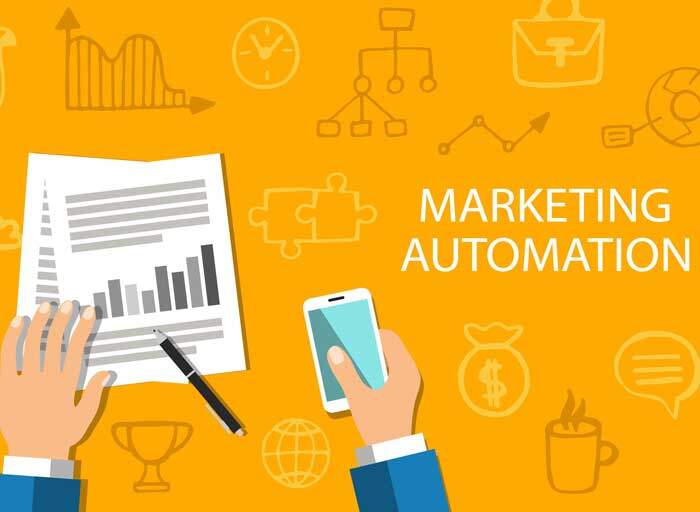
Marketing automation is not a new phenomenon. It has been around since software was first used to insert names and addresses in a direct mail piece generated by word processing software. Direct mail marketers have used automation for decades.

Marketing automation has evolved since that early time with the main difference being that modern marketing automation tools deliver your message in real time and helps you navigate the unending data available about your customers using both digital and offline communication channels.

Some marketing automation can take place on your business’s website. When a visitor signs up for your newsletter, your site immediately sends an email to the visitor welcoming then to your newsletter mailings. Collecting the email address and sending a welcome email are examples of how marketing automation can work.

Every Business Can Afford Marketing Automation

When marketing automation first came on the scene, it was a style of marketing reserved only for companies that were financially successful since they built their own software “in-house.”

As the efficacy of automated marketing became obvious, there was a proliferation of third-party vendors that created Software as a Service (SaaS). While most automation services do charge a fee for automation tools, there are some automated marketing tools that are free.

Free Online Marketing Automation Tools

There are all sorts of free marketing software available for small and medium-sized businesses.

Some, like buffer only do one thing, in buffer’s case that thing is posting automatically on social media. The company offers a two-week free trial and a free small user account.

Others, like the free version of mautic offers many automation solutions for your online marketing that include:

  • Core features
  • Custom domain
  • Dedicated On-boarding and Training
  • Phone and Email Support
  • Contact Database
  • Contact Import
  • Metrics
  • More

By the Numbers

Most companies cite “saving time” as the main reason for using marketing automation. Following are 10 statistics about marketing automation that relate to marketing automation benefits.

  1. 71% of companies report they use marketing automation.
  2. Saves time – 74%
  3. Increase customer engagement – 68%
  4. More timely communication – 58%
  5. More opportunities including up-selling – 58%
  6. Reduces marketing expenses, on average by 12.2%
  7. Companies heading towards the top tier of their industries and use MA – 63%
  8. 70% of companies outsource all or part of their lead generation strategies.
  9. The primary pain for companies using marketing automation is finding the right staff to maintain social media sites and content – 73%
  10. 61% of companies reported that implementation of MA is difficult.

So, companies agree that their reach and message are vital to their online marketing and using MA is a sound way to transmit their messages. But, nearly two-thirds of company that have implemented marketing automation say it was hard to implement.

How Webociti Can Help Your Online Marketing

Small and medium-sized businesses are the ones that find it difficult to implement a marketing automation plan. If your company is struggling with online marketing because of marketing automation issues,  contact me for help.

Webociti is an internet marketing agency specializing in marketing strategy, planning and implementation. We provide digital marketing services in the following areas; search engine optimization (SEO) pay-per-click (PPC) advertising management, SEO Website design, Website development, social media marketing, marketing automation services, marketing consulting, SEO training, and business consulting services.

Until next time,

Joe Mediate