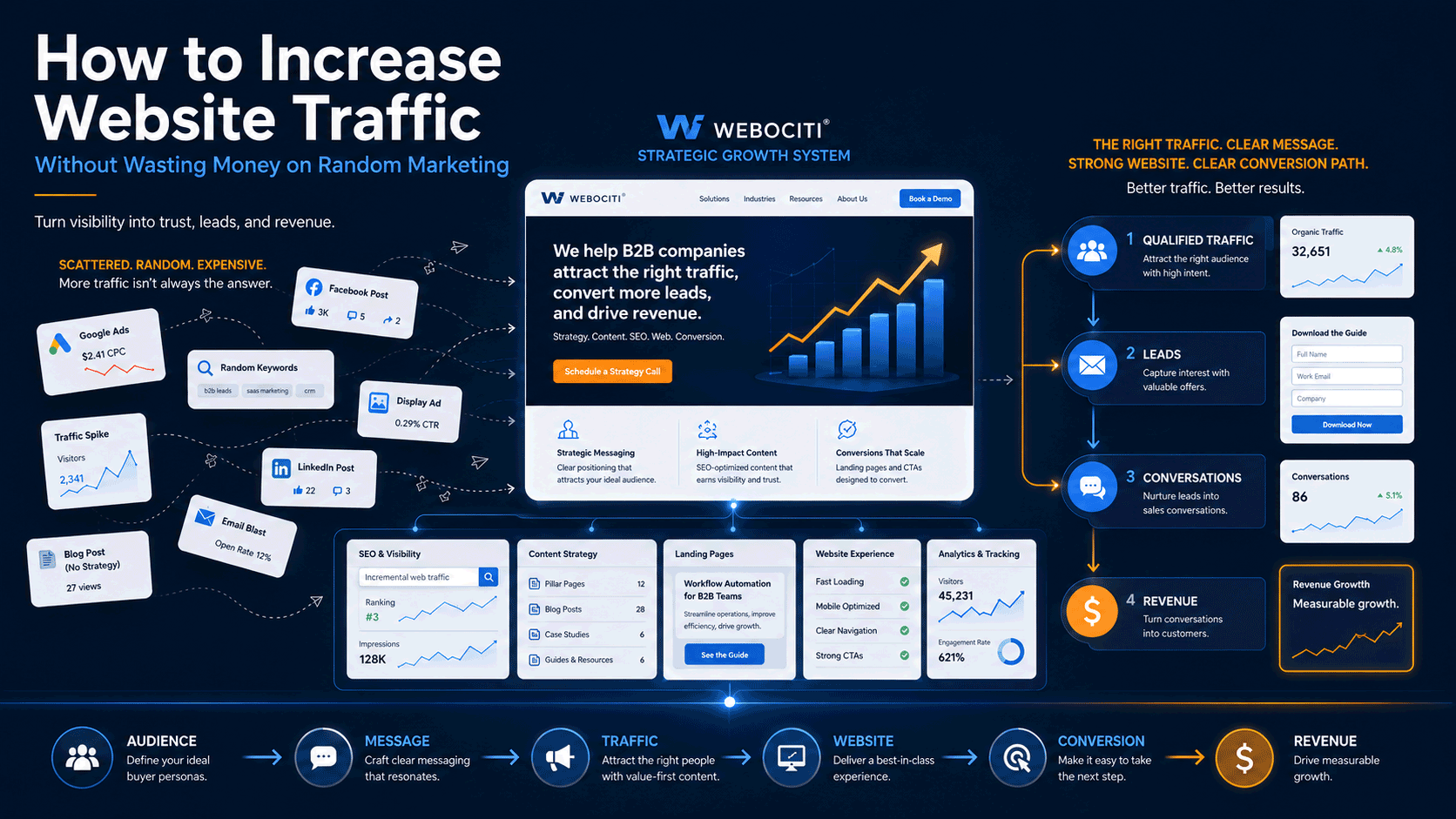
TL;DR: Product page SEO drives revenue when search intent, technical structure, trust signals, and conversion clarity work together. Rankings alone don’t sell optimized decision-making does.

In summary

Most product pages rank poorly or rank but don’t convert because they focus on keywords instead of buyer intent. High-performing product pages combine technical SEO, structured data, persuasive content, internal linking, and frictionless UX to turn search visibility into measurable revenue.

Why Product Page SEO Is Where Revenue Actually Happens

In eCommerce, category pages attract traffic but product pages close the sale.

If your product pages don’t rank for high-intent searches or fail to support decision-making once visitors arrive, your SEO investment stalls at visibility instead of revenue.


Step 1: Align the Product Page With Purchase Intent

Product page SEO starts with understanding the exact query that brings the buyer to the page. Is the search branded? Comparison-based? Feature-specific? Use-case driven?

  • Target long-tail purchase queries (brand + product + attribute)
  • Match page title and H1 to buyer language
  • Avoid keyword stuffing prioritize clarity
  • Ensure metadata reflects transactional intent

Product pages should answer the buyer’s final question not introduce the product for the first time.


Step 2: Build Unique, Conversion-Supporting Content

Manufacturer copy rarely ranks — and it rarely persuades. High-performing product pages include original content that supports decision confidence.

  • Clear value proposition above the fold
  • Use-case explanations
  • Specifications formatted for scanability
  • Benefit-driven subheadings
  • FAQ blocks that reduce purchase friction

If your product description looks identical to 20 competitors, search engines and buyers have no reason to choose you.


Step 3: Implement Clean Product Structured Data

Product schema enhances visibility and improves click-through rate by enabling rich results.

  • Product
  • Offer
  • AggregateRating (when applicable)
  • Review
  • Availability

Structured data doesn’t improve rankings directly but it improves how your listings appear, which increases performance.


Step 4: Strengthen Internal Linking to Support Rankings

Many eCommerce stores accidentally create orphaned product pages. Without internal links, Google treats those pages as low priority.

  • Link products from relevant categories
  • Add “Related Products” and cross-sells
  • Link from blog guides to priority SKUs
  • Reduce crawl depth for high-margin products

Internal linking isn’t just for SEO it also increases average order value.

If you’re restructuring an ecommerce website or launching a redesign, follow our website migration SEO checklist
to avoid losing rankings during site changes.


Step 5: Remove Conversion Friction

Even perfectly optimized pages fail when buyers hesitate.

  • Clear pricing
  • Visible shipping & returns
  • Trust badges
  • Customer reviews
  • Fast mobile performance

As we discussed in our guide on
Why SEO Is Still the Most Reliable Long-Term Growth Channel, sustainable SEO growth depends on alignment between visibility and conversion.


Common Product Page SEO Mistakes

  • Thin content
  • Duplicate manufacturer descriptions
  • Over-optimized anchor text
  • Slow mobile performance
  • Too many filter-indexed variations
  • Ignoring search intent mismatch

How Product Page SEO Compounds

When structured properly:

  • Each optimized product builds domain authority
  • Internal links strengthen priority categories
  • Rich snippets improve click-through rates
  • Better UX increases repeat buyers

Product page optimization is not a one-time task it’s an ongoing performance system.


Where Product Page SEO Fits Into the Bigger System

Product page SEO works best when connected to:

  • Category page strategy
  • Technical SEO structure
  • Content marketing
  • Conversion optimization

If you haven’t read it yet, start with our foundational guide: SEO for eCommerce Websites: What Actually Drives Revenue.


What To Do Next

If your product pages are ranking but not converting or not ranking at all the issue is rarely “more keywords.”

It’s alignment between search intent, technical execution, and buyer decision-making.

When those elements work together, product page SEO becomes a predictable revenue driver not a guessing game.

If you’re scaling ecommerce growth, working with an experienced SEO services team helps align strategy, technical execution, and conversion performance.

Want to improve product page performance?

Request a technical SEO review and we’ll identify where your product pages are losing visibility, conversions, and revenue.

Request a Free SEO Review

TL;DR:SEO for eCommerce websites drives revenue when technical foundations, category structure, product intent, and conversion paths work together as a system not isolated “SEO tasks.”

In summary

Most eCommerce SEO fails because it chases traffic instead of purchase intent. The stores that win build search visibility around how customers actually browse, compare, and buy using category architecture, product page optimization, internal linking, and technical performance to turn rankings into revenue.

Why SEO for eCommerce Websites Is Different Than “Normal” SEO

eCommerce sites don’t have a handful of service pages — they have dozens (or thousands) of products, multiple collections, filters, variants, and constantly changing inventory. That complexity is exactly why SEO can become a revenue engine… or a mess that burns time without meaningful outcomes.

The goal isn’t to “rank more pages.” The goal is to build visibility for the searches that indicate buying intent, then make it easy for searchers to choose you and complete a purchase.

Why Traffic Alone Doesn’t Drive Revenue

Many stores see an SEO bump and still don’t see sales lift. That’s usually because they’re ranking for broad, informational queries that don’t match purchase intent or because the site experience doesn’t convert once visitors arrive.

Sustainable eCommerce SEO focuses on the full chain: discovery → evaluation → decision. If any link breaks, rankings become a vanity metric.

The 5 Revenue Drivers of eCommerce SEO

1) Technical Foundation That Helps Search Engines Trust the Site

You can’t “content your way” out of technical problems. eCommerce SEO requires clean crawling and indexing, fast performance, stable templates, and controlled duplication from filters and variants.

  • Indexation control (what should and shouldn’t be indexed)
  • Canonical strategy for variants and duplicate URLs
  • Core Web Vitals + mobile performance
  • Clean category/product hierarchy and internal link depth

As Google explains, performance directly impacts both user experience and search rankings.

2) Category Page Strategy (Where Most Revenue SEO Lives)

In eCommerce, category and collection pages often carry the biggest revenue weight — because they match
how people shop (browse by intent, then narrow down).

  • Build category pages around buyer language, not internal naming
  • Target “money” queries: brand + product type + use case
  • Add helpful category content (brief, scannable, non-fluffy)
  • Use internal links to push authority into the right collections

3) Product Page Optimization That Supports Decision-Making

Product pages are where intent becomes revenue. SEO is only helpful if the page answers the questions buyers need to feel confident.

  • Unique product copy (not manufacturer boilerplate)
  • Clear value, specs, use cases, and trust signals
  • Strong internal linking: related products, accessories, “frequently bought together”
  • Clean structured data (Product, Offer, AggregateRating when applicable)

4) Internal Linking That Guides Both Crawlers and Customers

eCommerce sites naturally create “orphan” pages — products that exist but aren’t supported by internal links. Internal linking is how you control what ranks and what fades.

  • Use category → subcategory → product pathways consistently
  • Link to top collections from authority content (guides, “best of,” comparisons)
  • Reduce crawl depth for priority revenue pages
  • Avoid creating index bloat from thin tag/filter pages

5) Conversion Alignment (Because Rankings Don’t Pay Bills)

Search visibility is only valuable when it leads to action. That means aligning SEO landing pages with clear conversion paths — and removing friction in the purchase journey.

  • Fast pages, clear pricing, shipping/returns visibility
  • Stronger PDP trust: reviews, guarantees, comparison points
  • Better category UX: filters that help buyers, not hurt indexing
  • Landing-page intent match: the page must match the query’s promise

Platform Notes: Shopify vs WooCommerce vs Custom Stores

The fundamentals are the same, but execution varies. Shopify can create duplication through collections and URL patterns. WooCommerce can get heavy with plugins and performance issues. Custom builds often struggle with template consistency and crawl logic.

The key is not the platform — it’s the system: technical control + intent-driven architecture + conversion alignment.

Platform migrations require careful SEO planning. Our website migration checklist walks through the exact process to protect rankings.


Serious about scaling eCommerce revenue?
If you need an SEO system designed around revenue architecture — not traffic vanity metrics explore our SEO strategy framework →

How eCommerce SEO Compounds Over Time

Unlike paid traffic, SEO compounds. A strong category architecture strengthens future category launches. Great product pages rank and convert for years. Internal links push authority where you want it. And every improvement builds on the last.

This is why we’ve framed SEO as a long-term asset in our guide: Why SEO Is Still the Most Reliable Long-Term Growth Channel.

When to Invest in eCommerce SEO

eCommerce SEO becomes high-leverage when:

  • You sell products with repeat or evergreen demand
  • You’re competing in a category where ads are expensive
  • You want more first-time buyers without perpetual ad spend
  • You need stronger visibility for “ready to buy” searches

What to Do Next

If your SEO efforts are generating traffic but not revenue, it’s time to audit the system not the keywords., start by treating it as a system. That system connects search intent, technical structure, category architecture, product optimization, and conversion performance.

If your business competes in a high-density market and needs a strategy-led approach to search visibility, you’ll see the same framework applied in our location-based work as well including
Atlanta SEO services.

And if you’re mapping a broader marketing system that integrates SEO with the rest of your digital growth engine, this companion guide helps: Internet Marketing for Business Growth.


When SEO is engineered into the structure of the business not layered on top it becomes an asset that compounds for years.

If you’re evaluating how search should support revenue at scale, the first step is not more keywords. It’s clarity around structure, intent alignment, and conversion architecture.

This systems approach to search visibility is the same foundation we apply in competitive markets — including Atlanta SEO services.

TL;DR: Local SEO helps businesses get found by nearby customers at the exact moment they’re searching. When done correctly, it drives high-intent traffic, trust, and consistent local growth.

In summary

Local search plays a critical role in how customers discover, compare, and choose nearby businesses. This article explains how local SEO works, why it matters more than ever, and how search visibility turns local intent into real customer demand.

What Is Local SEO?

Local SEO is the practice of optimizing your online presence so your business appears when people search for products or services in a specific geographic area. These searches often include location modifiers like “near me,” city names, or neighborhood terms.

Unlike traditional SEO, which targets broad or national visibility, local SEO focuses on connecting businesses with customers who are ready to take action nearby. If you’re evaluating how local visibility fits into broader strategy, this guide explains why search engine optimization still matters as a growth channel.

Why Local Search Has Become the Default Buying Path

Today’s buyers rely on search engines to solve immediate problems. Whether they’re looking for a service provider, comparing options, or checking availability, local search is often the first step.

Search engines prioritize local relevance because proximity, intent, and trust signals help deliver better results to users. Businesses that appear in these results gain a significant advantage before a customer ever visits a website. This is part of the larger framework outlined in how search engines drive business growth.

How Local SEO Translates Visibility Into Customers

Local SEO works by aligning your business with how search engines evaluate relevance and trust. When done well, it helps your business appear consistently across key local touchpoints.

  • Search results for location-based queries
  • Google Business Profile listings
  • Maps and mobile search results
  • Local directories and citations

This visibility builds familiarity and credibility, making customers more likely to choose your business when they’re ready to act.

To understand how local visibility fits into a broader search strategy, revisit our article on What Makes SEO Work Today, which explains SEO as a long-term system.

What Actually Matters for Local SEO Today

Modern local SEO is not about stuffing city names into pages. It requires a coordinated approach that supports both search engines and real buyers.

  • Accurate and consistent business information
  • Clear alignment with local search intent
  • Authority signals like reviews and trusted mentions
  • Location-relevant content that answers real questions
  • Technical foundations that support crawlability and speed

When these elements work together, local SEO becomes a predictable growth channel rather than a guessing game. This compounding effect is why many businesses treat SEO as a long-term growth channel rather than a short-term tactic.

Where Many Local SEO Efforts Fall Short

Many businesses struggle with local SEO because they focus on isolated tactics instead of outcomes. Rankings are tracked, profiles are created, and content is published—but results remain inconsistent.

The missing piece is strategy. Without a clear plan that connects visibility to customer behavior, local SEO activity often fails to translate into measurable growth. This is especially common when comparing internet marketing companies in Atlanta that emphasize tasks instead of systems.

How Local SEO Supports Long-Term Business Growth

Unlike short-term advertising, local SEO compounds over time. Each improvement strengthens your visibility, trust, and relevance within your market.

Businesses that invest in local search visibility benefit from lower acquisition costs, stronger brand recognition, and demand that continues even when marketing budgets fluctuate. This alignment is part of a broader internet marketing growth strategy.

What This Means for Businesses Competing Locally

For businesses operating in competitive regions, local SEO must be treated as a system—not a checklist. Success comes from aligning technical execution, content, authority, and conversion paths with how local buyers actually search.

This same framework is applied when delivering Atlanta SEO services designed to help businesses capture local demand and convert search visibility into real revenue.

Final Takeaway

Local SEO influences nearly every local buying decision. When built correctly, it becomes a reliable engine for attracting qualified customers and supporting sustainable business growth.


Related Strategic Insights

TL;DR: SEO works when it’s built as a system—not a checklist. Businesses see real results when strategy, buyer intent, technical execution, and conversion alignment work together.

In summary

Many businesses invest in SEO but fail to see meaningful results because they focus on isolated tactics instead of building a cohesive growth system. This article explains what actually makes SEO work today—and why strategy, intent, and execution alignment matter more than ever.

The SEO Frustration Gap

Most businesses don’t fail at SEO because it’s ineffective—they fail because they approach it without a system. Pages get optimized, keywords get tracked, and tools get installed, yet results remain inconsistent or disappointing.

The problem isn’t effort. It’s fragmentation. SEO only works when every part of the strategy supports how real buyers search, evaluate options, and make decisions. If you’re questioning whether SEO still delivers long-term value, this explains why SEO remains the most reliable long-term growth channel.

Why SEO Fails for Most Businesses

SEO often breaks down because it’s treated as a collection of tactics rather than a strategic growth channel. Common failure points include:

  • Chasing keywords without understanding buyer intent
  • Optimizing pages that don’t support conversion
  • Ignoring technical issues that block visibility
  • Publishing content without authority or differentiation
  • Measuring traffic instead of business impact

These efforts may produce activity, but they rarely produce outcomes. Businesses evaluating partners often see this gap when comparing internet marketing companies in Atlanta that focus on deliverables versus those building measurable systems.

What SEO Actually Requires Today

Modern SEO requires coordination across multiple disciplines—not just content or keywords. To work effectively, SEO must include:

  • A strong technical foundation that allows search engines to crawl and trust your site
  • Search intent alignment that matches content to buyer needs
  • Authority signals that establish credibility and expertise
  • Conversion paths that turn visibility into action
  • Measurement tied to revenue, not just rankings

When these elements work together, SEO becomes predictable and scalable. This broader view connects directly to how search engines drive business growth when strategy leads execution.

For businesses planning a redesign or platform move, our SEO migration checklist outlines the exact steps needed to protect search visibility.

SEO Is a Growth System Not a Marketing Channel

Unlike paid advertising, SEO compounds over time. Each improvement builds on the last, creating durable visibility that supports long-term growth.

Businesses that treat SEO as a system benefit from lower acquisition costs, stronger brand authority, and demand that continues even when ad budgets pause.

For businesses building broader digital strategy, this is why SEO anchors integrated internet marketing for business growth.

Where DIY SEO Typically Breaks Down

Many teams attempt SEO internally, but it often stalls due to competing priorities, lack of specialization, or misinterpretation of data.

Without a clear strategy and experienced execution, SEO becomes reactive instead of intentional and momentum is lost.

How Businesses See Real SEO Results

Companies that succeed with SEO focus less on tactics and more on outcomes. Real results look like:

  • Consistent inbound demand from qualified searchers
  • Content that supports long sales cycles
  • Search visibility aligned with revenue goals
  • Clear insight into what’s working and why

Businesses that see consistent results typically rely on structured execution from a professional SEO services partner rather than isolated tactics.

Execution depth also matters. Improving category-level SEO structure and refining product page SEO for revenue impact are examples of how tactical work supports strategic growth.

What This Means for Growing Businesses

SEO works best when it’s planned and executed as part of a broader growth strategy. For businesses competing in competitive markets—especially locally—this requires a deliberate, system-driven approach.

If you’re evaluating SEO for a competitive market, this is the same framework we apply when delivering Atlanta SEO services designed to support long-term growth, not short-term wins.

When SEO is built the right way, it stops being a gamble and becomes a reliable engine for business growth.


Related Strategic Insights

TL;DR: Search engines shape how buyers discover, evaluate, and choose businesses.
SEO leads the way by turning search demand into long-term visibility, trust, and revenue.

In summary:
Search engines influence nearly every buying decision by shaping how customers discover, compare, and evaluate businesses. This article explains how search visibility drives sustainable business growth—and why SEO remains the foundation of long-term digital strategy.

How Search Engines Drive Business Growth (And Why SEO Leads the Way)

Search engines are no longer just tools for finding information — they are the primary way buyers research problems, compare solutions, and decide which businesses they trust. For companies competing in crowded markets, search visibility has become a direct driver of growth, not a supporting tactic.

Search Engines as the Starting Point for Modern Buyers

Today’s buyers rely on search engines at every stage of the decision-making process. Whether they are identifying a problem, researching options, or validating a short list of providers, search results shape perception long before a conversation ever begins.

This shift means business growth increasingly depends on how well your company appears when buyers are actively looking — not when you interrupt them with ads. This is the broader strategic framework behind internet marketing for business growth.

How Search Visibility Translates Into Revenue

Search engines reward relevance, clarity, and authority. When your business consistently appears for the right searches, it builds familiarity and trust before a prospect ever visits your website.

  • High-intent searches signal readiness to evaluate or buy
  • Visibility reinforces credibility and expertise
  • Repeated exposure shortens sales cycles

This is why search performance is no longer measured only in rankings or traffic, but in qualified leads, pipeline influence, and long-term demand. Businesses evaluating partners often explore how to choose an internet marketing company in Atlanta based on this strategic alignment.

Why SEO Leads the Search Growth System

Search Engine Optimization sits at the center of sustainable search growth because it aligns with how search engines actually work. Unlike short-term tactics, SEO builds durable assets that compound over time.

Modern SEO combines:

  • Technical SEO: Ensuring your site can be crawled, indexed, and trusted
  • Content Strategy: Answering real buyer questions at every stage
  • Authority Building: Earning relevance through links and brand signals
  • Conversion Alignment: Turning visibility into measurable outcomes

This system-based approach allows SEO to support both awareness and revenue — not just rankings. For a deeper breakdown of execution alignment, see what makes SEO work today.

SEO vs. Short-Term Search Tactics

Paid ads, social campaigns, and one-off promotions can drive bursts of traffic, but they stop working the moment spend stops. SEO, by contrast, continues to deliver value as long as buyers are searching.

That’s why many businesses treat SEO as a growth foundation rather than a channel. It supports every other marketing effort by capturing demand that already exists. This long-term compounding effect is explained further in why SEO compounds over time as a growth strategy

How SEO Supports the Buyer Journey

Awareness

SEO content helps buyers understand problems and opportunities, positioning your brand as a trusted guide early in the journey.

Evaluation

As searches become more specific, SEO ensures your expertise is visible when buyers compare options and solutions.

Decision

At the point of action, search visibility reinforces confidence and supports conversion through clear messaging and intent-driven pages. This is why understanding why search engine optimization still matters is critical for growth-focused businesses.

When SEO Makes the Most Business Sense

SEO is particularly effective for businesses that:

  • Compete in crowded or competitive markets
  • Have longer or more considered sales cycles
  • Serve defined geographic or service areas
  • Want sustainable growth instead of short-term spikes

For companies operating in competitive regions like Atlanta, strong SEO visibility creates a measurable advantage by capturing demand at the exact moment buyers are searching.

For businesses operating in competitive regional markets, location-specific SEO becomes even more critical. Local visibility strategies, such as those outlined in Local SEO Explained, support geographic demand capture.

Learn how Webociti approaches Atlanta SEO services
to support long sales cycles, competitive industries, and sustainable growth.

SEO as a Business Growth System

When SEO is treated as an ongoing system — rather than a checklist — it becomes one of the
most reliable growth engines available to modern businesses.

By aligning search visibility with buyer intent, technical performance, and conversion
strategy, SEO turns search engines into long-term revenue drivers instead of unpredictable
traffic sources.

If you’re evaluating SEO as a growth channel, explore our SEO services for growing businesses to see how strategy-led optimization supports sustainable results.

Final Takeaway

Search engines now influence nearly every buying decision. Businesses that understand how search drives discovery, trust, and evaluation — and invest in SEO accordingly — are better positioned to grow consistently in competitive markets.


Related Strategic Insights

TL;DR: Search engine optimization (SEO) helps businesses increase qualified visibility, attract high-intent buyers, and compete in crowded markets by aligning technical SEO, content, and authority with how people actually search today.

In summary:
Search engine optimization (SEO) helps businesses increase visibility, attract
qualified traffic, and compete in search results where buying decisions begin.
This article explains what SEO is, why it matters today, and how it supports
long-term business growth.

What Is Search Engine Optimization?

Search engine optimization is the practice of improving a website’s visibility in organic search results across platforms like Google Search, Google Maps, and increasingly, AI-generated search experiences.

Modern SEO is not a single activity. It is the coordination of several disciplines working together, including:

  • Technical SEO: Ensuring search engines can crawl, index, and understand your site
  • On-page optimization: Structuring pages around search intent and relevance
  • Content strategy: Creating useful, authoritative content that answers real buyer questions
  • Authority & trust signals: Building credibility through links, mentions, and brand presence
  • Conversion alignment: Turning visibility into leads, calls, and revenue

When these components operate together, SEO becomes a system rather than a checklist. This is explored further in our breakdown of what makes SEO work today.

Why SEO Is More Than Rankings Today

For many years, SEO success was measured by where a page ranked for a specific keyword. While rankings still matter, they are no longer the full picture.

Today, effective SEO is about being visible across multiple result types, supporting the buyer journey, and establishing trust before a buyer ever clicks. That’s why many businesses view SEO not just as a tactic, but as the most reliable long-term growth channel.

How SEO Supports the Buyer Journey

Awareness

At the awareness stage, buyers are identifying problems or exploring opportunities. SEO content at this stage builds credibility and introduces your brand as a knowledgeable guide.

Evaluation

As buyers move into evaluation, searches become more specific and comparative. SEO supports deeper education and positions your brand as a qualified option.

Decision

At the decision stage, intent is highest. SEO ensures your business appears when buyers are ready to take action, supported by clear messaging and conversion paths. For businesses comparing providers, this often begins when evaluating an internet marketing company in Atlanta with a strategy-first approach.

What Makes SEO Challenging

Many SEO efforts struggle due to algorithm changes, increasing competition, content saturation, and a lack of strategy tied to business goals.

Most failures happen when SEO is treated as a one-time project rather than an ongoing system. Understanding how search engines drive business growth helps align execution with outcomes.

SEO as a Business Growth System

Sustainable SEO performance starts with strategy, followed by disciplined execution and continuous refinement based on real performance data.

When SEO is integrated into broader growth planning, it becomes a compounding asset rather than a recurring expense. This broader framework is central to how we approach internet marketing for business growth.

When SEO Makes the Most Sense

SEO is particularly effective for businesses operating in competitive markets, serving defined geographic areas, or relying on trust-driven buying decisions.

Companies often partner with professional SEO services to ensure technical execution, content strategy, and measurement are aligned.

For businesses competing locally, strong visibility through Atlanta SEO services helps capture demand where proximity and relevance matter most.

Final Takeaway

Search engine optimization remains one of the most valuable growth channels available when it is aligned with buyer intent, executed strategically, and measured against real business outcomes.


Related Strategic Insights

Measuring the Results of Your SEO Campaign

In today’s digital marketing landscape, understanding the effectiveness of your SEO efforts is crucial. However, not everyone is clear on how to track and interpret the results. Whether you’re using sophisticated tools or basic analytics, it’s essential to know how your strategies translate into real-world performance. This guide will walk you through the key performance indicators (KPIs) you should monitor and the tools that can help you measure the long-term success of your SEO campaigns.

Setting Your SEO Measurement Goals

To accurately gauge your campaign’s effectiveness, start by establishing a clear baseline for your KPIs. What aspects of your digital presence are you monitoring? Typical metrics include:

  • Traffic: The volume of visitors to your site.
  • Conversions: How many of these visits convert into actionable results such as sales, sign-ups, or other desired actions.
  • Leads: The number of potential customers interested in your services.
  • Revenue: The direct earnings from SEO-driven traffic.
  • Customer Lifetime Value: The projected revenue a customer will generate during their relationship with your company.

Ensure these metrics are part of a well-documented internet marketing plan that outlines the steps to achieve your business goals.

Choosing the Right Tools

While many enterprises invest in comprehensive marketing software that offers built-in analytics, not every business can afford such tools. Small businesses and startups, for instance, might rely on simpler, cost-effective methods. Essential tools and platforms include:

  • Google Analytics: Provides robust data on traffic, keyword positions, and conversions.
  • Google Search Console: Helps monitor site performance in Google search results, providing insights into site traffic and keyword effectiveness.
  • Moz Keyword Explorer: Offers detailed keyword analysis and SERP (search engine results page) analytics.

The Three Crucial SEO KPIs

Focus on these three fundamental KPIs to understand how well your SEO strategies are performing:

  • Keyword Position: This tracks the ranking of your keywords in search results. High rankings are often correlated with increased traffic.
  • Site Traffic: Measures the number of visitors to your site. Increasing traffic is a primary goal of SEO.
  • Conversions and Bounce Rates: Conversions indicate successful engagement, while bounce rates can tell you if visitors do not find what they expect or if the site fails to keep them engaged.

Leveraging Free and Paid Tools

Here are some additional tools to consider:

  • Quantcast: Offers audience insights for better targeting.
  • Opentracker: Provides real-time tracking of visitors and their actions on your site.
  • Kissmetrics: Focuses on analytics that can help improve conversion rates and reduce bounce rates.

Managing Your SEO Efforts

While keeping up with SEO can be demanding, it’s vital for maintaining competitive in digital spaces. If managing your campaign in-house becomes too burdensome, consider partnering with a professional agency like Webociti. We offer comprehensive SEO services that include detailed analytics and strategic guidance to ensure your marketing efforts achieve optimal results.

Conclusion

Effectively measuring your SEO campaign’s results empowers you to make informed decisions that can significantly improve your online presence. By setting clear goals, utilizing the right tools, and focusing on key metrics, you can ensure that your SEO efforts lead to tangible improvements in traffic, engagement, and revenue.

Are you ready to optimize your SEO strategy for better results? Don’t let the complexities of SEO metrics deter you from achieving your marketing goals. Contact Webociti today at 678-892-7157 for expert advice and tailored solutions that drive success. Let us help you simplify the analytics process and provide you with clear, actionable insights that can transform your business. Start enhancing your SEO strategy now by scheduling a consultation to discuss your specific needs and how we can support your growth.

Mastering Content Creation with StoryBrand: A 7-Step Guide

In today’s competitive digital landscape, capturing the attention of your target audience and driving meaningful engagement is essential. At Webociti, we harness the power of compelling storytelling through the StoryBrand framework to elevate brands and boost conversions. These seven steps will guide you in creating resonant content that motivates your audience to act.

Step 1- Identify Your Target Audience

Understanding who you’re communicating with is the first step in effective content creation. Clearly define your target audience and immerse yourself in their needs, desires, and challenges. This deep understanding allows you to craft messages that resonate personally.

Step 2: Craft a Compelling Brand Story

Every standout brand has a compelling story. Utilize the StoryBrand framework to weave a clear, engaging narrative that showcases your brand’s mission, values, and unique selling points. You should connect emotionally, drawing your audience closer to your brand.

Step 3: Define Clear Objectives

Set specific objectives before crafting your content. Are you aiming to generate leads, increase web traffic, or boost brand awareness? Defining these goals ensures that your content aligns with your broader marketing strategies and achieves desired outcomes.

Step 4: Develop a Content Strategy

An organized content strategy is vital. Plan the types of content you will create, choose platforms for distribution, and schedule your postings. This structured approach keeps your efforts consistent and effective.

Step 5: Create Engaging and Relevant Content

Now, produce content that engages and adds value. Storytelling should be at the heart of your content, making it relatable and impactful. Tailor every piece—whether blog posts, videos, social media updates, or podcasts—to meet your audience’s interests and needs.

Step 6: Optimize for Search Engines

Enhance your content’s reach by optimizing for search engines. Perform keyword research and integrate these keywords thoughtfully into your content. Also, optimize your meta tags, headers, and URLs to boost your online visibility and attract organic traffic.

Step 7: Measure and Refine

After publishing your content, it’s crucial to evaluate its performance. Monitor metrics like traffic, engagement, conversions, and social interactions. Analyze this data to refine your strategy, improve your content, and achieve better results continually.

Take Action

Implement these seven steps to leverage the StoryBrand framework effectively, enhancing your brand’s online presence, engaging your audience, and increasing conversions. At Webociti, we’re ready to help you craft compelling content that achieves significant impact. Contact us today to discover how our content marketing services can transform your digital strategy.

Content Marketing Trends 2024: Key Strategies for Success

In the ever-evolving digital landscape, content remains king. As we move into 2024, businesses must adapt to the latest content marketing trends to stay ahead. With search algorithms evolving, AI-powered tools emerging, and consumer expectations shifting, it’s more important than ever to craft engaging, data-driven content strategies.

1. Content Marketing Trends 2024: How Personalization is Driving Engagement

Today’s consumers expect highly personalized content that speaks directly to their interests and needs. Businesses leveraging AI-driven customer segmentation and behavior analysis can tailor their content to different audience segments.

For instance, Forbes reports that businesses using personalized email marketing see 50% higher engagement rates than those using generic content. Personalized video content is also gaining traction, offering brands a more immersive way to connect with their audience.

Brands like Amazon and Netflix have set the bar high with AI-driven recommendations. Smaller businesses are now catching up, using customer data to create content that resonates, whether through personalized blog posts, dynamic social media ads, or interactive experiences.

2. The Rise of Visual & Interactive Content

With shrinking attention spans, static content is no longer enough. In 2024, short-form videos, infographics, live streaming, and augmented reality (AR) experiences are dominating content marketing strategies.

People engaging with social media content

Platforms like TikTok, Instagram Reels, and YouTube Shorts have proven that short, engaging videos are key to grabbing audience attention. According to a HubSpot report, 91% of businesses now use video marketing, with 88% reporting a positive ROI.

Interactive content—such as quizzes, polls, and 360-degree virtual tours—also drives engagement. By encouraging participation, brands can create memorable experiences while gathering valuable consumer insights.

3. AI and Content Marketing Trends 2024: How AI is Changing Strategies

Artificial Intelligence is revolutionizing how content is created, optimized, and distributed. AI tools like ChatGPT, Jasper AI, and Google’s RankBrain help businesses streamline content production, enhance personalization, and improve SEO.

One of AI’s biggest contributions is in predictive analytics. By analyzing past engagement data, AI can forecast content trends and suggest high-performing topics. Google’s BERT and RankBrain algorithms now prioritize intent-driven content, meaning marketers must focus on crafting valuable, well-researched, and user-friendly content.

Additionally, AI-powered automation is making content marketing more efficient. Businesses can now automate email campaigns, chatbot interactions, and even video production, freeing up resources for more strategic initiatives.

4. Ethical and Sustainable Content Marketing in 2024

Today’s consumers are more socially conscious than ever, demanding transparency and sustainability from brands. This has led to a shift toward ethical and responsible content marketing.

  • Data Privacy Compliance – Brands must adhere to privacy regulations like GDPR and CCPA by being transparent about data collection.
  • Diversity & Inclusion – Consumers expect representation in marketing. Brands that prioritize inclusivity gain stronger loyalty and trust.
  • Sustainable Content Creation – Reducing digital carbon footprints by using eco-friendly hosting solutions and minimizing unnecessary data storage.

Companies like Patagonia and Ben & Jerry’s actively promote sustainability in their content, proving that ethical marketing isn’t just a trend but a competitive advantage.

5. Tracking and Improving Your Content Performance

In 2024, successful content marketing is all about measuring what matters. Vanity metrics like likes and shares are taking a backseat, while key performance indicators (KPIs) such as customer acquisition cost (CAC), customer lifetime value (CLV), and conversion rates are becoming more important.

Success in content marketing through analytics

Marketers now rely on real-time analytics dashboards to monitor content performance and adjust strategies accordingly. A/B testing is also critical, allowing businesses to experiment with different headlines, visuals, and CTAs to maximize engagement.

AI-powered predictive analytics can even forecast future trends, enabling brands to stay ahead of the competition.

Final Thoughts

The landscape of content marketing is evolving rapidly. Businesses that prioritize personalization, AI-driven insights, interactive content, and ethical marketing will be well-positioned for success in 2024.

Is your business ready to embrace these trends? Contact Webociti today to develop a data-driven content marketing strategy that delivers real results.

Call Us: 678-892-7157


The Truth About SEO: It’s Not Dead, It’s Just Evolving

Many alarmists in the digital marketing world claim that Search Engine Optimization (SEO) is dead. They couldn’t be more wrong. While SEO has changed dramatically, its purpose remains the same: to attract relevant visitors to your site and convert them into customers.

The Impact of Google Algorithm Updates

Some believe SEO is obsolete due to frequent Google algorithm updates and similar changes by other search engines. However, these updates don’t kill SEO—they refine it, eliminating outdated tactics and rewarding high-quality, user-focused content.

Outdated SEO Tactics That No Longer Work

  • Keyword stuffing (overusing keywords unnaturally)
  • Duplicate content across multiple domains
  • Buying mass backlinks from low-quality sites
  • Spinning content (auto-generating low-value articles)
  • Over-optimizing just for rankings, instead of focusing on user experience

Using these tactics today can lead to penalties from search engines and lower your search rankings.

What SEO Has Become

Today’s SEO is about delivering value and relevance. Google now prioritizes:

  • Mobile-first optimization – Your site must work seamlessly on all devices.
  • Quality content – Informative, well-researched, and engaging.
  • Search intent optimization – Matching content with what users are actually looking for.

SEO Matters More Than Ever

Studies show that 51% of website traffic comes from organic search, and over 40% of online revenue is generated through organic traffic. Mobile searches now exceed desktop, making mobile SEO optimization critical to success.

How to Improve Your SEO

1. Use Long-Tail Keywords Strategically

Instead of keyword stuffing, focus on natural long-tail keywords that match search intent. For example, instead of just “cook,” you might use:

  • Home cooking tips
  • Easy cooking recipes
  • Professional chef techniques

2. Optimize for Mobile

If your website is more than two years old, it might not be mobile-friendly. With over 60% of searches now happening on mobile devices, having a responsive, fast-loading site is crucial for SEO and user experience.

3. Use Rich Media Wisely

Google favors content that engages users. Adding images, infographics, and videos boosts engagement, but balance is key. Ensure:

  • ALT text for images so search engines can understand them (e.g., “SEO optimization tips for better rankings”)
  • Text-heavy content to accompany visuals for better ranking
  • Fast-loading media to avoid slow site performance

4. Build High-Quality Backlinks

Backlinks from authoritative sites signal trust to search engines. Focus on:

  • Guest blogging on industry-relevant sites
  • Getting featured in online publications
  • Building partnerships for content collaborations

5. Improve Page Speed and User Experience

Google considers page speed a ranking factor. Slow-loading pages lead to high bounce rates and poor SEO performance. Optimize by:

  • Compressing images for faster load times
  • Using caching plugins for improved performance
  • Eliminating unnecessary scripts that slow down the site

6. Leverage Local SEO for Better Reach

For businesses with a physical location, local SEO is crucial. Optimize by:

  • Creating a Google My Business profile
  • Getting listed in local directories
  • Encouraging customer reviews

Need Help with SEO? Contact Webociti!

Struggling to rank higher on Google? Let Webociti help you implement a modern, effective SEO strategy. Call us today at 678-892-7157, or contact us here to start improving your online presence!


Photo Credit: Molly SVH License: Creative Commons Attribution 2.0 Generic. Courtesy of Wikimedia Commons