5 Reasons a Marketing Agency Beats a Freelancer Every Time

In today’s fast-paced and competitive business world, effective marketing is no longer a luxury – it’s a necessity. Whether you’re a startup looking to establish your presence or a growing business aiming to scale, having the right marketing partner is crucial. Many businesses face a tough choice: Should you hire a freelancer or work with a marketing agency? While freelancers may offer flexibility and affordability, agencies provide the expertise, scalability, and strategic approach necessary for sustained success.

This blog explores five compelling reasons why partnering with a marketing agency is the smarter choice for businesses looking to achieve real, measurable results.

1. A Full Team of Experts

When comparing a Marketing Agency vs Freelancer, agencies bring a full team of experts to the table. Freelancers are often skilled in one or two areas of marketing, such as content creation or social media management. Agencies, on the other hand, provide a full team of specialists, from graphic designers and copywriters to SEO analysts and strategists. This diverse expertise ensures your campaigns are comprehensive and aligned with your business goals.

Example: A freelancer might create beautiful social media posts, but a marketing agency Comparison of a marketing agency vs freelancer highlighting the benefits of agencies for businesses.will also track performance, optimize ad spend, and ensure your posts align with your brand’s overarching strategy.

2. Scalability and Resources

Freelancers can handle only so much work at once. As your business grows, you may outpace their capacity. Agencies are built to scale with your needs, offering the resources and manpower to manage larger campaigns and expand into new channels without skipping a beat.

Benefit: Need a sudden increase in ad spend for a product launch? An agency can quickly mobilize a team to meet your needs, while a freelancer might struggle to keep up.

3. Strategic Planning and Long-Term Vision

Strategic planning is a key advantage of choosing a Marketing Agency vs Freelancer. Marketing agencies don’t just execute campaigns; they create long-term strategies tailored to your business. Agencies invest time in understanding your target audience, analyzing competitors, and crafting data-driven plans to achieve sustained growth. Freelancers, by contrast, often focus on individual tasks rather than big-picture strategy.

Key Insight: With an agency, you’re not just getting a service provider – you’re gaining a strategic partner dedicated to your success.

4. Access to Advanced Tools and Technology

Marketing agencies invest in premium tools and software for analytics, automation, and campaign management. These tools allow for more precise targeting, better performance tracking, and superior optimization. Most freelancers rely on free or limited tools, which can restrict the effectiveness of your campaigns.

Advantage: Agencies leverage tools like SEMrush, HubSpot, or Google Analytics to gain deeper insights and maximize your ROI.

5. Reliability and Consistency

Freelancers, while talented, are individuals and may face challenges like bandwidth issues, personal emergencies, or competing priorities. Agencies, with their teams and structured processes, ensure consistent delivery of results regardless of circumstances. Additionally, agencies often provide dedicated account managers to keep communication seamless and progress on track.

Example: If your freelancer suddenly becomes unavailable, your marketing could come to a halt. An agency ensures continuity and peace of mind.

Final Thoughts

For businesses seeking growth, the decision between a Marketing Agency vs Freelancer is clear. While freelancers can be a great choice for small, isolated projects, marketing agencies are the go-to solution for businesses aiming to grow, scale, and thrive in today’s competitive landscape. With their team expertise, strategic planning, and reliable resources, agencies provide unmatched value that can transform your marketing efforts.

Investing in a marketing agency is more than just outsourcing tasks – it’s partnering with a team that’s dedicated to your success. By leveraging their experience, tools, and strategic insight, you can unlock new levels of growth and performance that freelancers simply can’t deliver.

Ready to take your marketing to the next level? Learn more about how agencies excel compared to freelancers by checking out this detailed guide on outsourcing marketing. Contact Us to see how our team can help your business grow.

Schedule Your Free Consultation

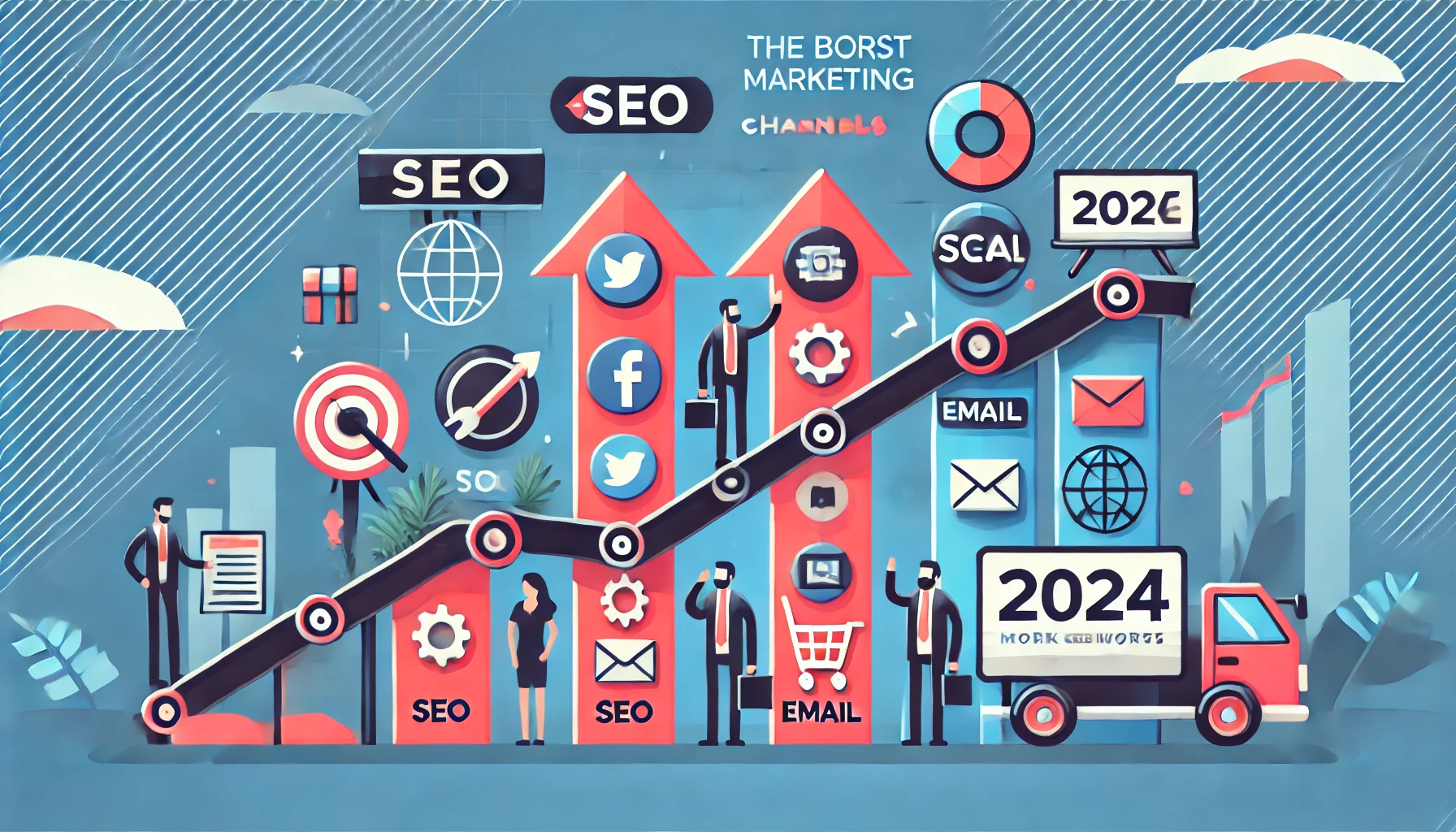
Are you wasting money on the wrong marketing channels? Discover which ones give small businesses the best ROI this year.

As a small business owner, you’ve got to make every dollar count, especially when it comes to marketing. With so many channels to choose from, it can be overwhelming to figure out where your hard-earned money will get the best return on investment (ROI). Some strategies work like magic, while others drain your budget without delivering the results you need.

In 2024, the marketing landscape continues to evolve, and staying ahead means understanding which channels are thriving—and which ones are falling behind. Let’s break down the best (and worst) marketing channels for small businesses this year.


The Best Marketing Channels for Small Businesses in 2024

1. Search Engine Optimization (SEO)

Why It Works: SEO is still one of the most effective long-term strategies for attracting potential customers. Ranking high on Google means getting in front of people actively Top marketing channels for small businesses in 2024searching for what you offer. By optimizing your website for relevant keywords, creating high-quality content, and ensuring a user-friendly experience, you can drive organic traffic without paying for each click.

2024 Tip: Focus on local SEO if you have a brick-and-mortar business. Claim your Google My Business profile, optimize for location-based keywords, and encourage positive reviews from satisfied customers.

For more insights on improving your SEO strategy How SEO Can Boost Your Small Business in 2024.

2. Social Media Advertising (Facebook, Instagram, TikTok)

Why It Works: With billions of active users, social media platforms offer highly targeted advertising opportunities. You can narrow down your audience based on demographics, interests, behaviors, and more. Instagram and TikTok, in particular, have seen a surge in engagement, making them great platforms for brand awareness and lead generation.

2024 Tip: Leverage short-form video content, like Reels and TikToks, to boost engagement and visibility. These formats are gaining more traction and offer a cost-effective way to capture attention.

3. Email Marketing

Why It Works: Email marketing remains a goldmine for small businesses. It’s one of the few channels where you can directly communicate with your audience, build relationships, and drive sales. By segmenting your list and delivering personalized, valuable content, email marketing can deliver some of the highest ROI of any channel.

2024 Tip: Automate your email marketing campaigns to nurture leads and re-engage inactive customers. Triggered emails, like cart abandonment reminders or personalized recommendations, can significantly boost conversions.

4. Pay-Per-Click (PPC) Advertising

Why It Works: PPC, through platforms like Google Ads, allows you to bid on keywords relevant to your business. It’s a fast way to get in front of potential customers. The key benefit is that you only pay when someone clicks on your ad, making it easy to track ROI and optimize your campaigns in real time.

2024 Tip: Use PPC for highly targeted campaigns, especially when testing new markets or promoting seasonal offers. Focus on optimizing ad copy and landing pages for conversions, not just clicks.

5. Content Marketing (Blogs, Videos, Podcasts)

Why It Works: Content marketing builds trust, educates your audience, and improves your SEO. Whether through blog posts, videos, or podcasts, creating valuable content positions your business as an authority in your industry. It’s a powerful way to engage with your audience over time and drive traffic to your website.

2024 Tip: Repurpose your content across multiple platforms. For example, turn a blog post into a video or break down a podcast episode into social media snippets to maximize your content’s reach.

The Worst Marketing Channels for Small Businesses in 2024

1. Print Advertising

Why It’s Failing: While print advertising might still work for some niche industries, its overall effectiveness has been steadily declining. In 2024, digital marketing channels Worst marketing channels for small businesses in 2024offer far more targeting and tracking capabilities, which means better ROI. Print ads are also more expensive and harder to measure in terms of results.

2024 Tip: If you’re set on traditional advertising, consider hybrid options like direct mail with digital tracking (such as QR codes or personalized URLs) to measure engagement.

2. Television Ads

Why It’s Failing: Unless you have a massive budget, television ads aren’t the best use of your marketing dollars. They’re expensive, hard to target, and don’t offer the granular analytics that digital channels provide. In an era where viewers are increasingly cutting the cord and opting for ad-free streaming services, TV ads are losing their influence.

2024 Tip: If video is your focus, try YouTube ads or video marketing on social platforms instead, where targeting is more precise, and budgets are flexible.

3. Billboard Advertising

Why It’s Failing: Like TV and print, billboard advertising can reach a large audience, but it’s a broad approach that doesn’t offer much targeting. With so much focus on digital channels, it’s difficult to measure the direct impact of billboard ads on your business. Additionally, as people spend more time on their phones, they may not even notice billboards anymore.

2024 Tip: If outdoor advertising appeals to your business, consider geofencing ads, which use location data to deliver ads to mobile devices when potential customers are in a specific area.

4. Cold Calling

Why It’s Failing: Cold calling used to be a staple for lead generation, but it’s increasingly seen as intrusive. Most people prefer to research products and services online before engaging with a business. In fact, many people ignore unsolicited calls, and the success rate of cold calling continues to plummet.

2024 Tip: Focus on inbound marketing strategies that encourage potential customers to come to you through valuable content, SEO, and targeted ads, rather than relying on outdated cold calling tactics.

Wrapping It Up

In 2024, the best marketing channels for small businesses are those that offer precise targeting, measurable results, and the ability to adapt to customer behaviors. Digital marketing continues to outperform traditional channels in terms of ROI, especially with the rise of data-driven strategies like SEO, social media advertising, and PPC.

Don’t waste your budget on outdated, ineffective methods. Instead, invest in the channels that are proven to deliver results for your business. With the right approach, you can attract more customers, increase your visibility, and boost your bottom line—all without breaking the bank.

Studies show that small businesses with optimized digital marketing strategies see a higher ROI than those relying on outdated methods (Business News Daily).

Ready to optimize your marketing channels? Let Webociti help you craft a strategy that brings the best ROI in 2024. Contact us today for a free consultation.

In the realm of business, especially for small enterprises with budgets that don’t rival corporate giants, every dollar counts. As a small business owner, you’ve probably heard the buzzwords “marketing” and “branding” thrown around, and you might be wondering where to allocate your limited resources for maximum impact.

In this comprehensive guide, we’ll delve deep into the realms of marketing vs branding, and we’ll make a case for the idea that, especially for smaller companies, marketing should be your primary focus. We’ll explore the fundamental differences between the two, how they contribute to your business’s success, and why, when balancing the two, an 80% investment in marketing and a 20% allocation to branding makes financial sense.

The Basics: Marketing vs. Branding


Marketing

Marketing encompasses all the activities involved in promoting and selling a product or service. It’s about creating awareness, driving leads, and converting those leads into paying customers. It’s tactical, measurable, and directly linked to revenue. But what about branding?

Branding

Branding, on the other hand, is about crafting a unique identity for your business. It’s the emotional and psychological connection your audience has with your company. It’s your company’s reputation, values, and what it represents. While essential, it doesn’t always lead to immediate sales or measurable ROI.

The Argument for Marketing:
Where the Money Is Made


Immediate Impact

Marketing efforts often yield quicker results. Whether it’s through pay-per-click advertising, email campaigns, or social media marketing, you can see direct, tangible outcomes in terms of leads and sales.

Revenue Generation

Marketing is intrinsically tied to revenue. It’s a revenue-generating machine that, when well-executed, can produce a measurable return on investment. For small businesses with limited budgets, this direct connection to profit is invaluable.

Growth Catalyst

Marketing drives business growth. By acquiring new customers, retaining existing ones, and expanding your reach, marketing acts as a propellant for your company. Growth can, in turn, lead to more significant branding opportunities down the road.

The Role of Branding Building Long-term Value


Trust and Loyalty

Branding fosters trust and loyalty. When consumers feel a strong emotional connection with your brand, they’re more likely to become long-term, repeat customers. However, building this trust often takes time and isn’t always directly quantifiable.

Competitive Advantage

A well-crafted brand sets you apart from the competition. It helps you command higher prices for your products or services, but this advantage might not be fully realized until you’ve achieved a certain level of visibility and recognition.

Finding the Right Balance

While marketing takes center stage for small businesses, branding should not be ignored entirely. Instead, think of branding as a long-term investment that becomes increasingly crucial as your company grows. It’s the foundation upon which you’ll build your marketing efforts.

Conclusion: Finding Success in a Balanced Approach

In the world of small business, the allocation of resources is a delicate balancing act. However, for companies with limited budgets, focusing on marketing as the primary revenue driver makes sense. It’s the realm where you see immediate results, generate profit, and foster growth.

As you expand and your brand gains recognition, you can gradually increase your investment in branding. This approach allows you to first establish your foothold in the market, achieve financial stability, and then build the strong, reputable brand that will carry your business into the future.

So, is marketing where the money is made for small businesses? Undoubtedly. But remember that branding, while not an immediate cash cow, lays the groundwork for lasting success. It’s the synergy between the two that will propel your small business into a profitable, well-recognized future.

Let’s Get Started

Ready to kickstart your marketing journey and drive your small business towards success? Contact Webociti today! We specialize in helping small businesses harness the power of digital marketing to maximize their growth potential. Whether it’s through strategic SEO, targeted social media campaigns, or result-oriented content marketing, we’re here to assist you every step of the way. Don’t wait; let’s get started on your path to profitability! 678-892-7157