Restaurant Marketing Insights

Restaurant marketing requires a unique balance of local visibility, brand experience,
and consistent customer engagement.

This category explores proven marketing strategies for restaurants, including local SEO,
Google Maps optimization, digital advertising, online ordering visibility, reputation
management, and customer acquisition. Each article is focused on helping restaurants
attract more diners, increase repeat visits, and compete in crowded local markets.

If you’re looking to grow foot traffic or online orders for your restaurant, explore the
articles below or learn more about our

Restaurant Marketing Services
.

Maximize Your Restaurant’s Success with Strategic Online Review Management

Did you know that a staggering 92% of potential customers check online reviews before deciding where to dine? In today’s digital age, your restaurant’s reputation online can be a make-or-break factor for success. Here’s how you can leverage online reviews to boost both revenue and customer engagement effectively.

The High Cost of Ignoring Negative Reviews

Negative reviews, or a complete lack of them, can significantly impact your restaurant’s reputation. A surprising 84% of people trust online reviews as much as a personal recommendation. A single negative comment can deter potential customers, affecting your long-term viability. Conversely, no reviews can create a perception of unreliability or poor quality, discouraging first-time visitors. Encouraging happy customers to share their share positive dining experiences online. online is essential, particularly through engaging them with loyalty programs or incentives immediately after their meal.

The Long-Term Impact of Online Reviews

The internet never forgets, and a negative review can linger indefinitely, influencing potential customers for years. This permanence means it’s crucial to provide exceptional service that compels patrons to leave positive feedback. Most negative reviews stem from poor service rather than subpar food, emphasizing the need for impeccable customer interaction every time.

Diners enjoying a meal with excellent restaurant reviews.

Understanding Key Review Platforms

Not all review platforms are created equal. Google is often the first stop for customers searching for dining options, while Yelp provides detailed reviews and photos. TripAdvisor is particularly influential for tourists, and OpenTable combines reviews with easy reservation management. By claiming and optimizing your profiles on these platforms, you can ensure accurate information and attract the right audience.

Cultivating Positive Online Feedback

As a restaurant owner, your pride in your establishment is evident, and it’s important your patrons feel empowered to express their satisfaction. Encourage them to leave feedback on popular platforms like Google, Yelp, or Facebook as soon as their dining experience concludes. Regularly monitoring these reviews not only helps you gauge customer satisfaction but also provides critical insights into areas needing improvement. Responding promptly to all reviews, especially negative ones, demonstrates your commitment to customer satisfaction and can often convert a dissatisfied customer into a loyal patron.

Crafting Effective Review Responses

Responding to reviews is both an art and a science. For positive reviews, a simple “Thank you” can go a long way, but adding a personal touch—such as referencing the specific dish they loved—can make your response more memorable. For negative reviews:

  • Acknowledge the issue: “Thank you for bringing this to our attention.”
  • Apologize sincerely: “We’re sorry your experience didn’t meet expectations.”
  • Offer to resolve: “Please contact us at [contact information] so we can make this right.”

By showing empathy and a willingness to improve, you can turn a potential PR nightmare into a demonstration of excellent customer service.

Leveraging Positive Reviews for Marketing

Great reviews are not just for your restaurant’s profile—they’re powerful marketing tools! Feature them on your website, social media posts, and even in digital or print ads. For instance:

  • Use snippets of glowing reviews in Instagram Stories.
  • Create a “Customer Spotlight” series on Facebook featuring loyal patrons.
  • Highlight top reviews on your menu or table tents.

Authentic testimonials build trust and encourage new customers to visit your restaurant.

Using Analytics for Smarter Review Management

Tools like Google My Business Insights and third-party review management platforms can help you identify patterns in customer feedback. Are complaints frequently about wait times or specific menu items? Use these insights to adjust staffing levels or refine your offerings. Consistently improving based on real data will strengthen your reputation and keep customers coming back.

Boosting Visitor Frequency Through Proactive Review Management

At Webociti, we specialize in helping restaurants like yours thrive in the digital space through targeted search engine optimization, social media strategies, and comprehensive advertising solutions. Our Audience Activator program allows you to track customer visits and analyze data to distinguish between new and returning patrons, significantly boosting your engagement and profitability. Take advantage of our integrated mobile loyalty program and other innovative services offered at competitive rates.

Case Study: From One-Star to Five-Star Success

When a local pizzeria received multiple complaints about slow service, the owner took action. By hiring additional staff during peak hours and responding to reviews with personalized messages, they improved their rating from 3.2 to 4.7 stars within six months. This turnaround led to a 30% increase in foot traffic and glowing customer feedback, proving the power of online review management.

Ready to Elevate Your Restaurant’s Online Reputation?

Here’s how we can help:

  • Improve your search engine visibility with optimized profiles.
  • Respond to reviews professionally with our expert guidance.
  • Engage customers with our innovative mobile loyalty program.
  • Use data insights to drive customer retention and boost revenue.

Contact us today at (678) 892-7157 or via email at info@webociti.com.

Schedule Your Complimentary Consultation

In the fast-paced digital world, a brand’s identity can sometimes need a facelift to stay relevant and resonate with its evolving audience and market trends. Digital rebranding is more than just updating a logo or tagline; it involves a strategic overhaul of your brand’s digital presence to better align with your company’s values, goals, and the expectations of your audience. This blog post will guide you through the digital rebranding process, offering insights on how to ensure a smooth transition without alienating your existing customer base.

Understanding the Need for Rebranding

Before diving into a digital rebrand, it’s crucial to understand why you’re doing it. Rebranding might be necessary due to a significant change in your business model, target audience, or industry context, or it could be to overcome a tarnished reputation or outdated image. A successful rebrand clarifies your brand’s position and value proposition, not just to your audience but within the marketplace.

Step 1: Research and Set Clear Objectives

Start with thorough research to pinpoint exactly what needs to change and why. Analyze your current brand’s strengths and weaknesses, gather feedback from stakeholders and customers, and study competitors. This research will inform your rebranding objectives, whether it’s to reposition your brand, reach a new demographic, or refine your brand’s message and aesthetics.

Step 2: Redefine Your Brand Identity

Your brand identity includes visual elements (logo, color scheme, typography), tone of voice, and overall messaging. This step transforms the strategic vision into tangible elements that will represent your brand. Consider what aspects of your current identity are worth keeping to maintain some level of continuity. Ensure that the new brand identity is versatile and scalable, fitting all digital platforms and resonating with the global market if necessary.

Step 3: Revamp Your Digital Assets

This involves updating all digital touchpoints with your new brand identity:

  • Website: Redesign your website to reflect the new branding with updated graphics, fonts, and colors, ensuring that the site’s Digital Rebranding Strategystructure and navigation reflect the brand’s new strategy.
  • Social Media: Update all your social media profiles consistently with new logos, banners, and bios. Start posting content that reflects the new brand voice and aesthetic.
  • Email Marketing: Adjust the templates of your newsletters and email communications to align with the new branding.
  • Digital Advertisements: Ensure any ongoing or planned advertising campaigns are updated to reflect the new branding elements and messages.

Step 4: Implement SEO Considerations

Rebranding can affect your SEO, so plan carefully to retain your search engine rankings:

  • Update your website’s SEO settings with the new brand name and keywords.
  • Redirect old URLs to new ones to maintain link equity and user access.
  • Update your business name and any references to your brand across all content and meta-descriptions to reflect your new identity.

Step 5: Launch Your Rebrand Internally

Before going public, make sure everyone within your organization understands the new brand identity and the reasons behind the rebrand. This internal alignment is crucial for delivering a consistent message externally. Provide training if necessary to ensure all teams can effectively communicate the brand’s new message and values.

Step 6: Plan an Effective Rollout Strategy

The launch of your rebranded digital presence should be strategic:

  • Announce the Change: Use your digital platforms to communicate the rebrand to your audience. Explain the reasons and benefits of the rebrand.
  • Celebrate the Launch: Consider launching a campaign that showcases the new branding with special promotions or an event.
  • Monitor Feedback: Pay close attention to how the rebrand is received and be ready to respond to feedback and questions promptly.

Step 7: Evaluate and Adapt

Post-launch, monitor the rebrand’s impact on your audience engagement, website traffic, and conversion rates. Be prepared to make adjustments based on this feedback to fine-tune your digital presence. This continuous evaluation will help ensure that the rebrand effectively supports your business goals.

Digital rebranding is a significant undertaking that requires careful planning and execution. By following these steps, businesses can ensure a successful transition to a fresh brand identity that captures the essence of their evolving strategy while maintaining a connection with their established audience.

Let’s Get Started

Are you considering a digital rebrand? Webociti can help guide you through each step of this process. Contact us today at 678-892-7157, or visit our website at www.webociti.com to learn how our digital marketing experts can assist you in transforming your brand identity and strategy for lasting success.

In today’s digital age, effective marketing strategies are crucial for restaurants to stand out in a competitive landscape and attract a steady flow of customers. Traditional marketing methods alone are no longer sufficient to reach and engage with your target audience. That’s where digital marketing comes in. In this blog post, we will explore the importance of digital marketing for restaurants and how Webociti, a leading digital marketing agency, can help you achieve remarkable results.

Targeted Advertising Campaigns

Webociti understands that reaching the right audience is paramount for restaurants. By leveraging targeted digital advertising campaigns, they can connect you with food enthusiasts in your local area actively searching for a dining experience like yours. What sets Webociti apart is their ability to go beyond demographics and target customers who dine at your competitors. Through sophisticated tracking methods using mobile phones and GPS, Webociti can determine if a potential customer received an ad and then went into your restaurant, providing valuable insights for campaign effectiveness and ROI.

Compelling Content Creation

Creating exceptional content is a cornerstone of effective digital marketing. Webociti excels in crafting compelling content that showcases your restaurant’s unique offerings, sparking an emotional connection with potential customers. From engaging blog posts and mouthwatering food photography to captivating social media content, they have the expertise to captivate and convert your audience. By highlighting what sets your restaurant apart from the competition, Webociti can entice customers to choose your establishment over others.

Search Engine Optimization

Having a beautiful website won’t yield results if it doesn’t show up in search engine results. Webociti employs advanced SEO techniques to improve your website’s visibility and rankings. By optimizing your website’s structure, keyword usage, and relevant content, they help ensure that when customers search for dining options in your area, your restaurant appears at the top of the search results. This increased visibility leads to higher website traffic and more potential customers walking through your doors.

Consistent

A strong and consistent brand image is vital for restaurant success. Webociti helps establish and maintain a consistent brand identity across all online platforms. From your website and social media profiles to online directories and review sites, they ensure your brand message and visual elements align, making a lasting impression on potential customers. By strategically crafting your brand’s narrative and visual identity, Webociti helps differentiate your restaurant from the competition and creates a memorable experience for customers.

Conclusion

In an increasingly digital world, digital marketing has become an indispensable tool for restaurants to thrive. By partnering with Webociti, you can unlock the full potential of digital marketing and transform your restaurant’s success. Their expertise in targeted advertising, compelling content creation, SEO, and brand consistency will help you attract more customers, increase online visibility, and drive business growth. Additionally, Webociti’s unique ability to target customers who dine at your competitors and track their conversion into your restaurant provides valuable insights for your marketing campaigns.

Ready to take your restaurant to new heights? Contact Webociti today and let their team of digital marketing experts guide you towards success.

Boost your restaurant’s success with Webociti’s targeted marketing solutions. Reach more diners, target competitors’ customers, and measure your ad effectiveness. Take your business to the next level today!

Remember, in the world of digital marketing, the possibilities are endless, and Webociti is here to make sure your restaurant shines brightly in the online realm. 678-892-7157

#RestaurantMarketing #DigitalMarketing #Foodie #webociti

If you’re a local restaurant owner, we feel your pain. It’s been a tough year and a half dealing with the COVID-19 pandemic, and now that the nation is beginning to reopen, there is a lot of pressure to bring more clients through your doors. But, where do you spend your limited advertising budget? You could produce lots of fancy TV and radio ads or advertise in local newspapers and magazines; however, all of these channels are expensive and hard to track. Social media is an affordable channel that you can control. With a bit of originality, you can leverage social media to bring the diners back.


Three Facts About the State of the Post-COVID Restaurant Industry

The rampage from the pandemic hit the restaurant industry more than any other sector of the economy in 2020. The National Restaurant Association reports that sales were $240 billion below the pre-pandemic forecast before the pandemic hit. More than 110,000 eating and drinking places closed temporarily or for good. At the peak of the pandemic, over 8 million workers were laid off. The good news is that most of the bad news is behind us, and the economy is surging back despite particular food, equipment and labor shortages.

Benefits of Using Social Media for Your Restaurant

Benefits of Using Social Media for Your Restaurant
The days of depending on a good location and splashy billboard are over. Consumers are pickier than ever, and they look to their friends and neighbors to suggest new places to eat and drink. Today, social media networks connect hundreds of millions of computer users and are used daily to obtain news, shop for products and suggestions for places to eat. Social media users love to share restaurant reviews and often record videos and audio recordings — or podcasts — to make their opinions heard. You can spread the word by posting articles on social media sites like Facebook, post images on Instagram, videos on YouTube and reviews on Yelp. All of these networks are free to use. If you want to increase your reach, social media advertising is a cost-effective way to put your message in front of your future patrons.

How Viral Videos Can Put Your Restaurant on the Map

When social media users like something, they share it. When enough people share an article or view a video, it spreads like wildfire or, in other words, goes viral. While many people may not prefer that term, viral videos generate a life of their own, often becoming their own story. YouTube and TikTok are the two most popular video networks. When videos go viral, traditional media and cable networks create their own stories or broadcasts based on the social media phenomenons. Many people like to visit restaurants and share their thoughts with their video articles or vlog. You can create your own video blog or encourage your better customers to record their own. Some vloggers become so popular that they get sponsored by restaurant chains or food brands to cover their production costs.

Restaurant Marketers Can Create Their Own Social Media Campaigns

It’s easy to create a social media page or share messages on Twitter. It’s free to create an account and easy to write short posts about food-related topics. Direct promotion is often frowned on by social media audiences. Be sure not to make the mistake of being overly promotional and attract bad reviews, which can have a negative effect on your business.

Social Media Advertising vs. Traditional Media Advertising

There was a time when advertising your restaurant on the local radio station or newspaper guaranteed a way to bring in traffic. But today, social media has surpassed traditional media for researching products, and global social media ad spending has grown by 50% in a single year.

Social Media Attracts All Generations

There is something for everyone in social media, and market research shows every generation uses social media to some extent. Social posts and ads are most popular among millennials and the younger “Generation Z.” Creating fun, trendy posts will draw the attention of young, upwardly mobile consumers willing to spend their money and share their experiences.

Make Social Media a Part of Your Restaurant’s Growth Strategy

Now is the best time to start your social media campaign. You can begin with free posts to your inner circle of friends and customers and ask them to share your posts. Then, you can graduate to public posts and eventually to paid advertising, where you can target the types of customers you believe will be likely to patronize your eatery. Use fun, trendy topics and take great photos and videos of your food and ambiance. Don’t be afraid to experiment, and — most importantly — spread the word to anyone willing to listen. You never know; you may soon find your tables full with a line of people waiting outside your door sharing their experiences on social media.

Contact Webociti to learn more about Social Media Marketing and how to promote your restaurant.

How to Differentiate Your Restaurant Brand

Navigating the food and beverage industry while ensuring your brand stays relevant is no simple task. Whether your products have been around for decades or are just entering the scene, regularly assessing how effectively you reach your target audience is critical. By keeping an eye on shifting diner trends and evolving consumer preferences, your brand can stay ahead in the marketplace and secure a loyal customer base.

In today’s dynamic food and drink landscape, diners are more aware of ingredients and demand transparency from the brands they support. Studies show that consumer preferences have shifted to reduce the intake of common ingredients like sugar and beef. To dive deeper into consumer preferences, check out this insightful guide from the National Restaurant Association on restaurant industry trends. To remain relevant, restaurants and food brands must embrace these changes while finding innovative ways to differentiate themselves.

Here are some actionable strategies to create and maintain a successful and memorable restaurant brand.

Differentiation Is Key

To thrive in the food and beverage industry, establishing a strong brand identity is essential. A compelling brand identity distinguishes your business from competitors and resonates with your target audience. It’s more than just a logo or tagline—it’s the mission, values, and unique experience you deliver to your customers.

Tips to Build a Unique Brand Identity

  • Define Your Mission: Clearly articulate what your restaurant stands for and the value you bring to diners.
  • Engage Through Storytelling: Share your brand’s origin story or highlight the journey of your ingredients. Authentic narratives resonate deeply with diners.
  • Optimize Visual Elements: Invest in professional logos, packaging, and interior design that reflect your brand’s personality.
  • Simplify Your Messaging: Make your messaging clear and easy to understand, ensuring it appeals to a wide range of audiences.

Pro Tip: Your brand’s story is a powerful marketing tool. Use it to emotionally connect with your audience and stand out in a crowded marketplace.

Know Your Diners Inside Out

Understanding your target audience is a cornerstone of a successful marketing strategy. How can you serve diners effectively if you don’t know what they want? By actively listening to your customers, you’ll uncover valuable insights that can shape your offerings and messaging.

Ways to Understand Your Diners

  • Leverage Social Listening: Monitor social media platforms to see what customers are saying about your brand and competitors.
  • Encourage Feedback: Use in-store surveys, online reviews, and direct interactions to gather insights.
  • Analyze Trends: Stay informed about emerging food trends and dietary preferences.

Pro Tip: Data-driven decisions based on consumer behavior will help you remain agile and responsive to changing diner expectations.

Align Your Brand With a Cause

Modern diners are not just looking for great food—they’re also looking for brands that align with their values. Supporting a cause authentic to your brand can deepen customer loyalty and attract socially conscious consumers.

How to Align With a Cause

  • Choose a Relevant Mission: Support a cause that connects naturally with your restaurant’s story, such as sustainability, local farming, or food insecurity.
  • Highlight Impact: Share stories of how your efforts are making a difference, whether it’s through sourcing practices or charitable donations.

Did You Know? Over half of today’s consumers identify as belief-driven buyers, prioritizing brands that share their values.

Embrace E-commerce and Digital Solutions

The rise of e-commerce has transformed how diners interact with brands. Even if your restaurant primarily operates in a physical location, establishing a strong online presence is vital. This includes offering online ordering, delivery options, and an optimized website.

Steps to Elevate Your Online Presence

  • Create an Intuitive Website: Ensure it’s mobile-friendly, visually appealing, and easy to navigate.
  • Partner With Online Platforms: Collaborate with delivery services like Uber Eats or DoorDash to expand your reach.
  • Offer Unique Digital Experiences: Develop exclusive online offers or promotions to encourage digital engagement.

Pro Tip: A seamless online shopping experience, including attractive packaging and a smooth delivery process, can boost repeat customers.

Invest in Multichannel Marketing

Reaching diners through various platforms ensures maximum visibility for your brand. By adopting a multichannel marketing strategy, you can engage with customers wherever they spend their time—whether on social media, email, or in-app notifications.

Strategies for Multichannel Marketing

  • Social Media Advertising: Use platforms like Instagram and TikTok to showcase your dishes with mouthwatering visuals.
  • Email Campaigns: Send personalized offers or updates to your subscribers.
  • Analytics Tools: Utilize tools like Webociti’s Audience Activator to gain insights into customer behavior and preferences.

Did You Know? Engaging customers across multiple platforms increases brand recall and builds stronger connections.

Create a Memorable In-Restaurant Experience

While digital presence is important, the in-person experience is equally critical for leaving a lasting impression. Diners remember how they felt during their visit, so every detail counts.

Tips for Enhancing In-Restaurant Experience

  • Personalized Service: Train staff to deliver exceptional customer service tailored to individual preferences.
  • Unique Atmosphere: Use music, lighting, and decor to create a distinct vibe.
  • Interactive Elements: Incorporate elements like open kitchens or tableside preparations to engage diners.

Conclusion

In the competitive food and beverage industry, building a memorable restaurant brand requires a combination of authenticity, innovation, and adaptability. By differentiating your brand, knowing your audience, aligning with meaningful causes, and embracing digital solutions, you can create a powerful and enduring presence in the market.

Need Help With Your Restaurant’s Marketing Strategy?

At Webociti, we specialize in helping businesses like yours thrive through personalized marketing solutions. From social media advertising to sales analytics, we’ll guide you through every step of the process. Contact us today at (678) 892-7157 or to schedule your free consultation and take your restaurant brand to the next level.

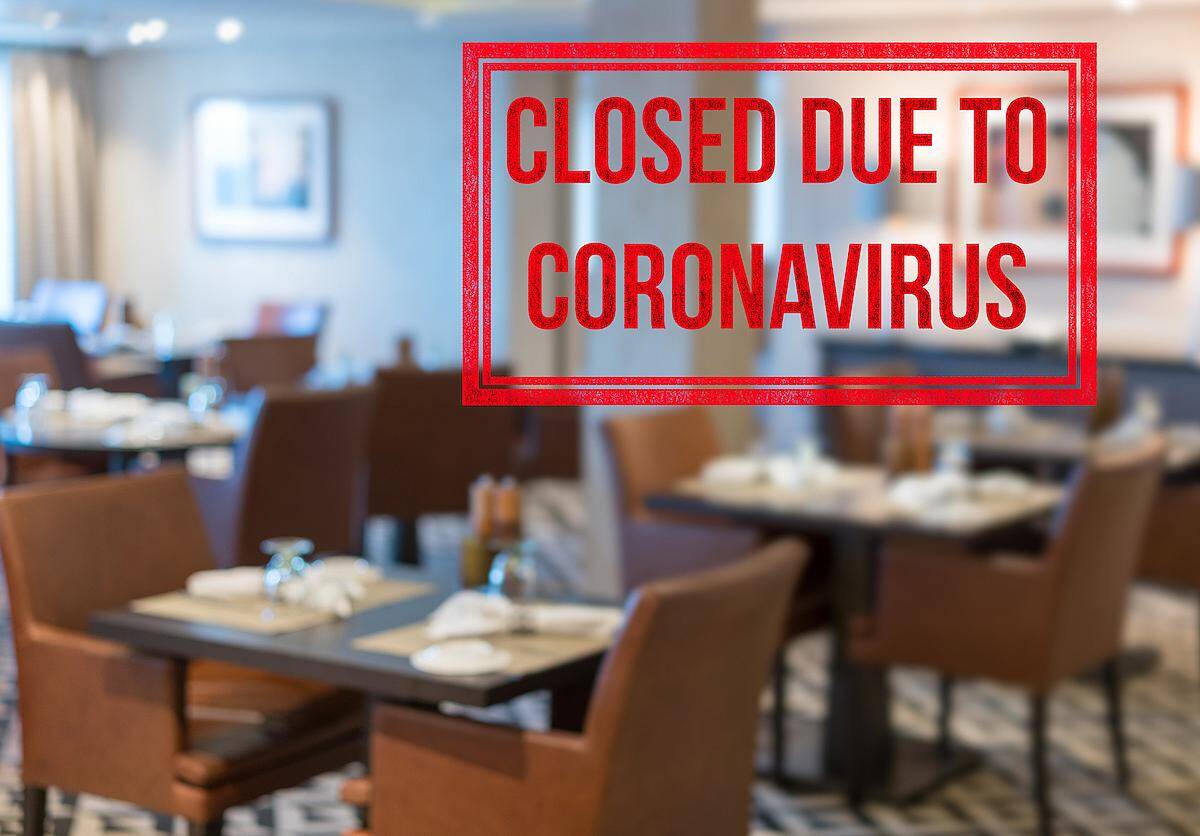
To say that the last six weeks has been devastating for restaurant owners would be an understatement. From the nightmarish landscape of having to close indoor dining locations to the sudden drop-off in diners, restaurant owners and managers from around the country are struggling to see a future for their business with no sure end to the corona virus quarantine in sight.

With the first estimates of closures being relatively mild, no one truly expected the unbelievable impact on the American economy. Even if diners wanted to eat out Restaurant Marketingsimply as a way to escape the four walls of their homes, small businesses are shuttered — draining the country of much-needed revenue and families of their excess income. In a time when it seems everyone is hunkered down waiting for the storm to pass, it may feel as though there is little hope for the future for individually-owned restaurants and small chains that don’t have the massive funds to support their business over this “break”.

With all of this negativity, it can be difficult to even consider marketing your restaurant, but now is the time to take a deep breath from the helter-skelter work of running a fast-paced restaurant and be strategic with your funds.

Are you confident that you’re getting the return on investment from newspaper ads or community billboards? How much traffic do you think those radio ads truly drive? What about expensive coupon mailings — are you getting a significant number of diners for the cost of the promotions?

If not, here are five ways you can create new revenue for your restaurant and prepare for the coming onslaught of diners when the country is finally re-opened for business.

1. Reassure Your Customers About Restaurant Safety

One of the biggest challenges that restaurants face is the idea that diners cannot control the individuals that were in the restaurant before them — making every Marketing meal feel like a potential risk. When you share with your diners and the community that your restaurant is taking extraordinary measures to maintain sanitation, you are greatly reducing the risk . . . and increasing the possibility that they are willing to partake in take-out, delivery or drive-thru options even under quarantine. Once the quarantine ends, there will still be a lingering concern around contagion. Combat this with practical actions such as sending an email to customers with your new sanitation measures, having individuals very visibly cleaning tables with extra care after each diner leaves, posting signs and hand sanitizer stations (when available!) and reinforcing the message everywhere your brand is active: on social media, on your website and via email. Plan for shifting tables further apart and updating your restaurant’s reservations policy in an effort to limit groups gathering for tables in the lobby.

When you make the cleanliness and an abundance of caution part of your brand, you’re reinforcing your message of personal caring for your diners.

2. Identify New Opportunities for Cost Savings and Review Government Stimulus Packages

As you’re sheltering during the storm, now is the ideal opportunity to dig deep into the analytics of your business and leave no stone unturned for cost savings. Food waste is one of the largest problems that restaurants have, so perhaps there are some menu items that could be refreshed to limit waste?

When you partner with nearby restaurants, there may be opportunities to share costs or even create great synergies. During this time, there truly are no competitors — simply a community of restaurant owners attempting to stay afloat during an unbelievably challenging time.

Fortunately, there are some bright spots, such as these resources that we’ve gathered to help:

Resources:
– Find your local Chamber of Commerce
– Hospitality Cares, a non-profit for hospitality operators
– The National Restaurant Association’s COVID-19 resource page
– The US CDC’s resource page for Businesses and Employers

This is also a good time to review your marketing dollars, to be sure that each valuable penny spent on marketing is able to deliver a significant return on your investment.

3. Review Your Menu Offerings for Delivery-Friendly Options

Family-style restaurants offering high-end meals might be in for a challenge when they attempt to retool their menu to work with delivery-minded diners. However, many restaurants are finding that delivery allows them to provide enough revenue to maintain operations during the COVID-19 crisis and provide a springboard of customers that are grateful to them for staying open. It didn’t take long for people to be bored with their own cooking and offering the ability to enjoy a meal cooked outside the home during a stressful time will provide additional points for your brand when the crisis has ended.

GrubHub and other delivery options are expanding throughout the U.S., allowing restaurants unprecedented opportunities to engage with a new audience of diners in their local areas.

4. Target your Local Audience

With “delivery” the word of the day for restaurant owners, finding your local audience is more important than ever before. Even restaurants that have a significant email database are only capturing a small portion of the individuals that dine with them on a regular basis. 5 Ways Restaurant Are Maintaining Operations Capturing this information, storing it and then being able to actively leverage it in the future with appropriate outreach often requires a great deal of time and technical resources that are outside the reach of most restaurant chains.

This makes it particularly difficult for locally-owned chains to compete with massive restaurant groups with near-unlimited resources and extensive marketing budgets. With limited experience in local marketing, many restaurants are simply relying on Google reviews and expensive newspaper or magazine ads to drive business. Major restaurant chains are able to take advantage of software solutions that can target audiences that live and work in the area through a variety of methods, where local chains are able to reach a much more limited audience through social media and word of mouth.

5. Hyper-Personalize Your Marketing Messages

Social media campaigns and email campaigns are all excellent uses of marketing dollars, but what if you could take it a step further and personalize your offerings? Discovering the specific audience members that live or work within a 5-mile radius of your restaurant isn’t information you can expect to get from simply an email address. Making your marketing hyper-personalized starts with having the best possible information about your audience, and that means tapping into their visits and activities in your geographic area.

Whether that means going to the bank down the street before they grab lunch at your restaurant or heading to your place a few evenings a month for a special dinner out, when you have a greater knowledge of their activities you can more appropriately market to your diners. Restaurants around the country are turning to mobile-based marketing tools that allow you to gain a greater understanding of your diners so you can serve them more effectively.

With Audience Activator from Webociti, you accomplish two goals: maximize your marketing dollars and provide a better experience for your diners. When you are capturing valuable information about your best diners (and those of your targeted competitors!), you’re able to develop a more comprehensive view of your audience activities. This helps you target your marketing messages to those that will be most valuable, which helps you pull in repeat business at a faster rate.

Data Gathering for Restaurants
This type of next-generation, connected marketing may sound too good to be true. The reality is that you can create new revenue for your restaurant by shifting your marketing dollars to this targeted new paradigm. Many restaurants find that they will not even need to increase their marketing budget in order to achieve these results — it simply requires a shift in strategies to bring in more diners when you need them.


Contact the Webociti team today at 678-892-7157 to receive your free initial consultation. Our team of digital restaurant strategy professionals will work with you to refine your business goals and determine the ideal mix of strategies to exceed your expectations.