The Ultimate Guide to Social Media Advertising, Google Ads, and Programmatic: Which is Right for Your Business?

Social media ads vs Google
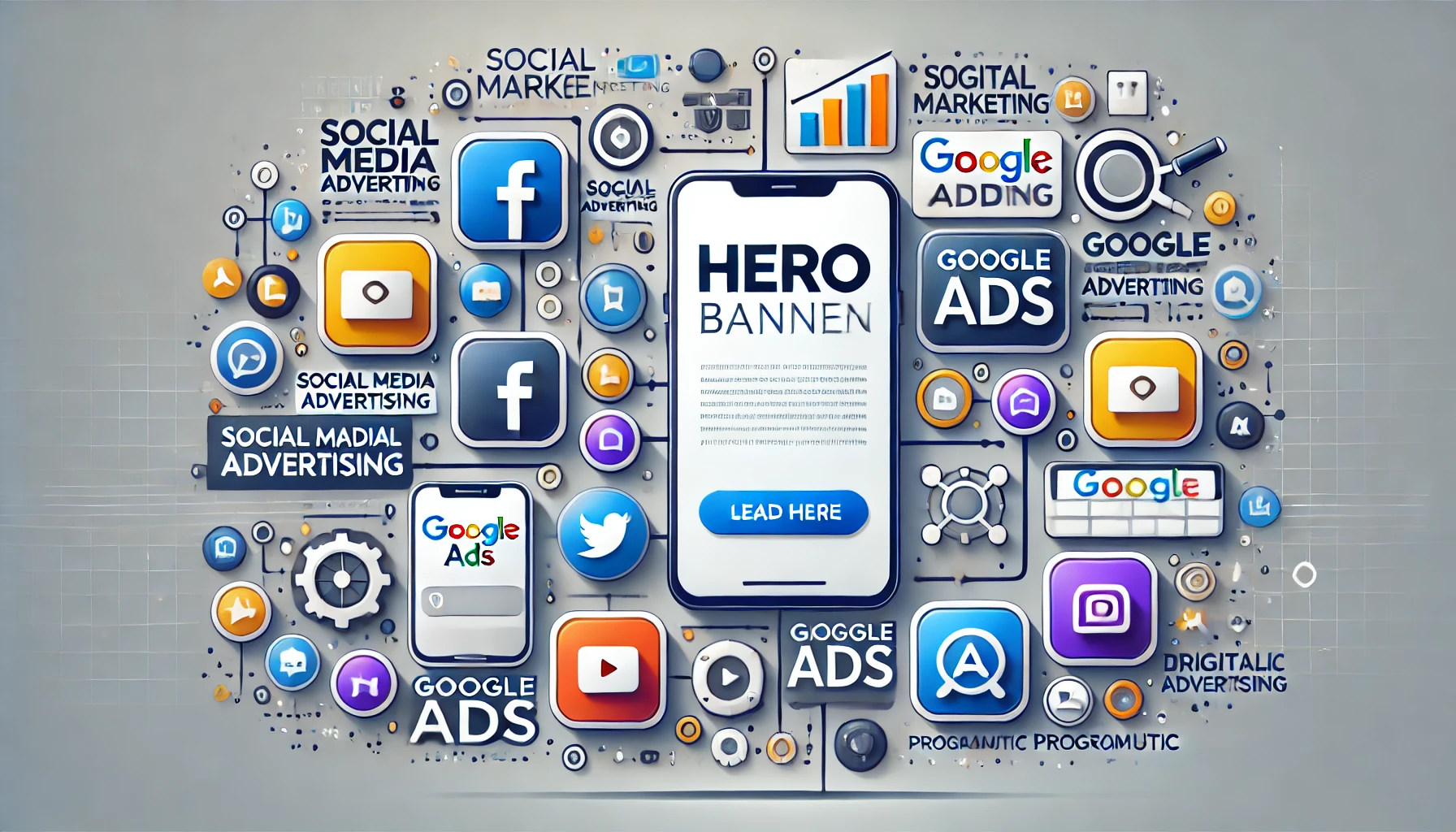
In 2024, businesses are expected to spend over $600 billion on digital advertising, but with so many platforms available, how do you know where to invest for the best returns? Among the most powerful are social media advertising, Google Ads, and the increasingly popular programmatic advertising. Each of these platforms offers unique ways to reach your audience, and understanding how they work is crucial to making an informed decision.

In this post, we’ll explore the strengths and weaknesses of each option, giving you the insight you need to choose the right advertising approach for your business.


Understanding Social Media Advertising

Social media advertising allows businesses to promote their products or services directly within the feeds of popular social platforms such as Facebook, Instagram, LinkedIn, and TikTok. This type of advertising leverages rich user data to target audiences based on their interests, behaviors, and demographics, making it an incredibly effective tool for building brand awareness and engaging potential customers.

But there’s an important distinction to make: successful social media advertising isn’t about how many likes you get, it’s about how many people engage with your posts and ads.

Engagement Over Vanity Metrics

While accumulating likes, followers, and shares might feel gratifying, these “vanity metrics” don’t necessarily translate into tangible business results. Instead, what really matters is engagement—how many people are interacting meaningfully with your content. Engagement metrics, such as comments, shares, click-through rates, and even direct messages, give you deeper insight into how your audience is connecting with your brand.

Why is engagement more important than likes?

  • Higher Engagement = More Reach: Social media algorithms prioritize content that generates high engagement, meaning the more your audience interacts with your posts (through comments, clicks, and shares), the more people will see your content organically.
  • Engagement Drives Conversions: People who take the time to engage with your posts—whether by commenting, clicking on links, or sharing—are more likely to convert into leads or customers. This makes engagement a more actionable metric for determining the success of your campaigns.
  • Better Audience Insights: Engagement shows how well your message resonates with your target audience. By focusing on engagement, you can gain a better understanding of what content drives action and tailor future campaigns for higher performance.

Key Features of Social Media Advertising

Social Media Advertising

  • Visually Driven Content: Social platforms are inherently visual, making them ideal for businesses that can create engaging images or videos.
  • Robust Audience Targeting: Social media platforms collect extensive user data, allowing for highly targeted ads based on location, interests, behaviors, and past interactions with your brand.
  • Multiple Ad Formats: You can choose from a variety of ad formats, including photo ads, video ads, carousel ads, and stories, depending on the platform and your goals.

Pros of Social Media Advertising

  • High Engagement Rates: Social media platforms encourage interaction, meaning well-crafted ads can generate high engagement, which boosts their visibility to a broader audience.
  • Great for Building Brand Awareness: Social media helps increase your brand’s visibility and fosters direct interaction with customers through comments, shares, and other engagements.
  • Affordable: Even businesses with smaller budgets can experiment with social ads and scale their spending as they see results.

Success Story: One Webociti client increased their social media engagement by 35% after shifting their focus from likes to meaningful engagement, resulting in a 20% increase in conversions. This proves that quality interaction far outweighs sheer numbers!

Cons of Social Media Advertising

  • Lower Purchase Intent: Users on social media are often not actively looking to buy, so while engagement may be high, conversions can be lower.
  • Algorithm Dependence: Changes in platform algorithms can affect the visibility and performance of your ads, requiring constant adaptation.

Need help mastering social media advertising? Our team at Webociti can craft a strategy that ensures your business gets real engagement, not just likes. Contact us today!


Understanding Google Ads

Google Ads operates on a pay-per-click (PPC) model, where businesses bid on specific keywords to have their ads appear at the top of search engine results pages. This platform is particularly effective for targeting users with a high purchase intent, as they are actively searching for products or services.

Key Features of Google Ads

Understanding Google Ads

  • Search Intent: Google Ads capitalizes on users who are already searching for solutions, making it easier to capture customers further down the sales funnel.
  • Keyword Targeting: By bidding on relevant keywords, you can ensure your ads reach users interested in your products or services.
  • Multiple Formats: Google Ads supports text ads, shopping ads, display ads, and video ads, providing versatility in reaching your audience.

Pros of Google Ads

  • High Purchase Intent: Since users are actively searching, they are more likely to convert when they see your ad.
  • Precise Keyword Targeting: You can target specific searches, ensuring your ads are relevant to what people are looking for.
  • Immediate Results: Google Ads campaigns can drive traffic and conversions quickly after launch.

Cons of Google Ads

  • Competitive and Costly: Popular keywords can be expensive, especially in competitive industries.
  • Requires Expertise: Running an optimized campaign requires PPC knowledge and can be time-consuming without proper management.

Ready to capture high-intent customers? Webociti’s Google Ads experts can help you create a PPC campaign that drives conversions. Contact us now for a free consultation!


Understanding Programmatic Advertising

Programmatic advertising is the automated buying and selling of ad inventory across a wide variety of platforms and devices. It uses machine learning and AI to purchase ad space in real time, targeting users with high precision across websites, apps, videos, and even smart TVs.

Retargeting with Programmatic Ads

One of the key strengths of programmatic advertising is retargeting—the ability to show ads to users who have already visited your website or engaged with your brand in some way.   Retargeting is an effective way to re-engage users who didn’t convert the first time they interacted with your content, helping to nurture them further down the sales funnel.
Retarageting Ads

How does retargeting work?
Through tracking pixels or cookies, programmatic platforms can display your ads to people who have previously interacted with your website, ensuring your brand stays top of mind as they browse the internet.

Key Features of Programmatic Advertising

  • Real-Time Bidding (RTB): Programmatic ads are placed using automated auctions that happen in milliseconds, ensuring that your ads are shown to the right users at the right time.
  • Cross-Platform Reach: Programmatic ads can appear on websites, apps, video platforms, and even smart TVs, giving you access to a wide range of audiences.
  • Automated Optimization: Machine learning continuously refines your campaign to improve performance over time.

Pros of Programmatic Advertising

  • Efficient and Scalable: Programmatic ads are automated, reducing the need for manual effort and allowing campaigns to scale quickly.
  • Precise Targeting & Retargeting: With access to first-party and third-party data, programmatic allows for highly granular audience targeting, including retargeting users who have previously engaged with your brand.
  • Performance Optimization: AI-powered systems adjust your bids and ad placements in real time to optimize performance and reduce wasted spend.

Cons of Programmatic Advertising

  • Complex Setup: While programmatic is automated, setting it up and managing it effectively requires specialized knowledge.
  • Potential for Ad Fraud: The automated nature of programmatic advertising can expose advertisers to risks such as bot traffic or click fraud, although many platforms offer fraud detection tools.

Want to explore programmatic advertising? Webociti’s experts can help you take advantage of this advanced advertising technique to scale your campaigns efficiently. Get in touch for more information!


Which Advertising Platform is Right for Your Business?

Each platform serves different purposes depending on your business goals, audience, and budget. Here’s a quick guide to help you choose:

1. Brand Awareness

Best option: Social Media Advertising
Social platforms are ideal for building brand awareness and engaging with a broad audience through visually compelling ads.

2. Driving Conversions

Advertising Platform is Right
Best option: Google Ads
If your goal is to capture high-intent users actively searching for products or services, Google Ads can drive immediate sales and conversions.

3. Cross-Platform Reach

Best option: Programmatic Advertising
For businesses looking to scale their advertising efforts across multiple platforms and devices, programmatic advertising offers the efficiency and reach needed to engage diverse audiences.

4. Budget Considerations

Best option: Social Media Advertising (Smaller Budgets) or Google Ads (Performance-Based)
Social media advertising allows for flexible budgets and incremental spending, while Google Ads offers predictable costs through a pay-per-click model.


The Hybrid Approach: Combining Social Media, Google Ads, and Programmatic

For many businesses, a hybrid approach—using all three platforms—yields the best results. Social media advertising can increase brand awareness and engagement, Google Ads can capture high-intent searchers ready to buy, and programmatic advertising ensures you reach your audience across multiple channels with automated precision.


Final Thoughts: Choosing the Right Digital Marketing Strategy

Choosing between social media advertising, Google Ads, and programmatic advertising depends on your business goals, target audience, and budget. Often, a mix of these platforms provides the most comprehensive approach to capturing leads at every stage of the buyer’s journey.

At Webociti, we specialize in creating tailored digital marketing strategies that include the perfect combination of social media, Google Ads, and programmatic advertising. Our team of experts can help you determine which platforms will deliver the best ROI for your business. Contact us today to get started with a free consultation!

Leveraging Social Media and SEO to Boost Your Business Visibility

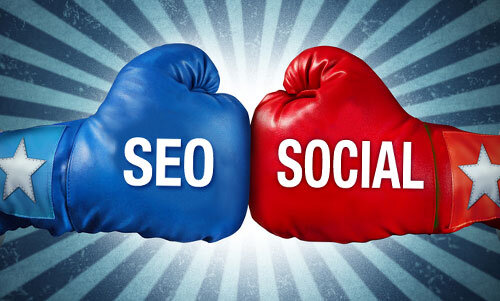
Understanding the synergy between content marketing, social media marketing (SMM), and search engine optimization (SEO) is crucial for any business looking to enhance its online presence. These interconnected strategies are essential in delivering relevant content to your audience and boosting your business’s visibility.

Understanding Search Engine Optimization

Search engine optimization (SEO) ensures that your website and blog appear on search engine results pages (SERPs) when users search for keywords relevant to your business. By integrating SEO practices into your content, you make it easier for potential customers to find you online, enhancing your site’s visibility and traffic.

Tips for Social Media and SEO Integration


Tip 1 – Choosing Social Media Platforms

Select social media platforms that best fit your business needs and where your target audience spends their time. For B2C companies, platforms like Facebook and Instagram are invaluable, while B2B businesses might find LinkedIn and Twitter more effective. Understanding the demographic and behavioral patterns on each platform can help you tailor your social media activities.

Tip 2 – Optimizing Social Media Profiles

WMake your social media profiles as detailed as possible. Complete all sections, especially the ‘Information’ or ‘About’ areas, using keywords that align with your business. This not only helps in SEO but also provides clear information about your business to visitors.

Tip 3 – Making Content Shareable

Ensure that all your content is easy to share. Include sharing buttons on your website and blog posts. Remember, the easier it is for your content to be shared, the more likely it is that it will be. This enhances your visibility and improves your SEO as search engines often recognize shared content as valuable.

Tip 4 – Generating Brand Recognition

Use social media to enhance brand recognition through interactive content such as contests, live videos, and customer testimonials. These activities encourage engagement and sharing, helping to broaden your reach and solidify your brand presence online.

Tip 5 – Using Posting Services

Consider using services like Buffer to manage your posts across multiple platforms. These tools save time and ensure consistency in your posting schedule, which is vital for keeping your audience engaged. However, assess which tool fits best with your strategy, as each offers different features and pricing plans.

As you harness the power of social media marketing to build your brand and attract new business, partnering with a professional team like Webociti can ensure your strategy is both effective and sustainable. We offer expert guidance and management of your social media and SEO strategies, tailored to meet your business’s unique needs. Contact Webociti today at 678-892-7157 to discover how our expertise can transform your online marketing efforts into a formidable tool for business growth.

By implementing these tips and continually refining your approach based on performance analytics, you can significantly enhance your digital marketing efficacy. Remember, in the dynamic world of digital marketing, flexibility and adaptability are key to staying ahead.

Call us at 678-892-7157 to learn more about Social Media and SEO.

#SocialMediaMarketing #SEO #DigitalMarketing #ContentMarketing #BrandAwareness #OnlineVisibility #BusinessGrowth #MarketingTips #SocialMediaTips #SEOStrategy

How to Leverage Social Media Marketing for Business Growth

In today’s digital world, the success of your business is significantly influenced by two critical online factors: your engagement with consumers and your visibility in search rankings. For many entrepreneurs, navigating the complexities of digital marketing tools and methods to enhance these aspects remains a daunting challenge. Gone are the days when basic marketing principles were enough to make your mark. The digital landscape now requires a nuanced understanding of SEO, effective tagging, structured website data, strategic image naming, and much more. If you’re feeling overwhelmed and unsure where to start, let’s simplify the process by focusing on a powerful strategy known as “backlinking,” which can significantly amplify your social media marketing efforts.

First, What Exactly Is Backlinking?

Backlinking involves ensuring that every piece of content you publish online—or that others publish about you—includes a link back to your website. These “backlinks” are pivotal for improving your search engine ranking, making your business more discoverable to potential clients through organic search results.

Leveraging Social Media Marketing through Backlinking

Here are several actionable strategies to kickstart your backlinking journey and enhance your social media presence:

Maximize Your YouTube Presence

YouTube isn’t just for entertainment; it’s a potent marketing tool across various industries. Behind-the-scenes insights, tutorials, product launches, and customer testimonials are just a few video ideas that can engage audiences. Remember, the key is to incorporate your website link in every video description, ideally at both the beginning and end, to drive traffic directly from YouTube to your site. Sharing these videos across platforms like Facebook and via email newsletters can broaden your reach.

Create a Compelling Blog

Blogs are not just about writing; they’re about engaging and educating your audience while subtly promoting your products or services. A blog post that tackles an interesting topic within your niche should be around 500-600 words, packed with relevant keywords, and, where appropriate, embedded with your YouTube videos. Crucially, each blog post should include strategic backlinks to your website. Don’t forget to share your blogs on social media platforms to increase visibility.

Engage with Press and Guest Blogging

Contributing to well-known blogs or securing media coverage can significantly boost your credibility and drive traffic to your site. Ensure your contributions offer value and include a subtle mention of your business with a backlink. Online press releases and articles about your business should always link back to your site, further expanding your digital footprint.

Expanding Your Social Media Strategy

While backlinking lays the foundation for enhancing your SEO through social media, consider these additional strategies to maximize your online impact:

  • Diversify Your Social Media Content: Engage your audience with a mix of content types—images, polls, live videos, and stories—to keep your brand top of mind.
  • Utilize Hashtags Effectively: Research and use relevant hashtags to increase the discoverability of your content on platforms like Instagram and Twitter.
  • Engage Regularly with Your Audience: Promptly responding to comments and messages fosters a sense of community and encourages further interaction.
  • Monitor Your Analytics: Use social media analytics to understand what content resonates with your audience, enabling you to refine your strategy over time.

Embrace Social Media Marketing for Enhanced Visibility and Engagement

Social media marketing, bolstered by strategic backlinking, offers a dynamic way to improve your online presence and connect with your target audience. Remember, the digital marketing landscape is ever-evolving, requiring continuous learning and adaptation.

Need Expert Guidance?

Feeling overwhelmed by the intricacies of social media marketing? Webociti is here to help. Our team of digital marketing experts specializes in crafting tailored strategies that cut through the noise, ensuring your business not only survives but thrives in the digital arena.

Contact Webociti at 678-892-7157 for a free Social Media Marketing consultation.
Let’s leverage the power of social media to propel your business forward.

Stay tuned to our blog for more in-depth insights on social media strategies and digital marketing trends. Your journey towards mastering digital marketing begins with a single step. Let Webociti guide you through each one.

In today’s dynamic and interconnected digital landscape, where billions of people are constantly connected through various social media platforms, harnessing the power of social media has become imperative for businesses aiming to build and sustain a robust brand presence. Social media marketing is no longer just an option; it’s a strategic necessity that can significantly impact brand visibility, customer engagement, and long-term success.

Why Social Media Is Critical for Brand Building

Enhanced Visibility: Social media platforms are bustling hubs of activity, with users spanning diverse demographics and geographic locations. Establishing and maintaining an active presence on platforms like Facebook, Instagram, Twitter, LinkedIn, and TikTok can exponentially increase your brand’s visibility. No matter your industry or size, social media provides a level playing field to showcase your brand on a global scale.

Engagement and Interaction: Traditional marketing channels often lack the immediacy and interactivity that social media offers. Through comments, likes, shares, and direct messages, you can engage directly with your audience. Real-time interactions not only humanize your brand but also demonstrate accessibility and responsiveness, qualities that resonate with modern consumers.

Conveying Brand Personality: Your brand is not just a product or service; it embodies a unique personality, values, and story. Social media platforms serve as canvases where you can paint your brand’s personality using various brushes – be it humor, empathy, innovation, or social responsibility. Sharing your brand’s story and values helps forge emotional connections with your audience.

Content Dissemination: Content is king in the digital realm, and social media is the kingdom. It’s the ideal platform to disseminate valuable content to a vast and engaged audience. Whether you’re sharing blog posts, videos, infographics, or user-generated content, social media amplifies your content’s reach and potential impact.

Proven Strategies for Effective Social Media Branding

Know Your Audience: Building a brand on social media starts with understanding your target audience. Research their demographics, interests, pain points, and online behavior. Armed with this knowledge, tailor your content, tone, and style to resonate with your ideal customers.

Consistent Branding: Consistency is key to brand recognition. Maintain uniformity in visual elements such as logos,Social Media and Branding colors, fonts, and brand voice across all your social media profiles. This cohesive approach ensures that your brand remains easily recognizable and memorable.

Content Calendar: Sporadic posting on social media can lead to inconsistency and decreased engagement. Create a content calendar that outlines a schedule of posts in advance. Regular, well-timed updates keep your audience engaged and informed.

Authentic Engagement: Social media is a two-way street. Respond to comments and messages promptly, fostering authentic interactions. Authenticity builds trust, a cornerstone of brand loyalty and positive brand perception.

Visual Appeal: Visual content, including images, videos, and infographics, tends to perform exceptionally well on social media. Invest in high-quality visuals that effectively represent your brand and engage your audience.

Paid Advertising: While organic reach is vital, consider incorporating paid advertising options provided by social media platforms. These tools enable you to reach a broader and more targeted audience, often yielding exceptional results.

In Conclusion

Social media is undeniably pivotal in brand building. It offers a dynamic platform for increasing visibility, encouraging engagement, and telling your brand’s story in ways that set you apart from competitors. By comprehending your audience, staying consistent, planning content strategically, engaging authentically, utilizing visuals effectively, and considering paid advertising, you can harness the full potential of social media for brand building. In a world where digital presence is synonymous with brand presence, your success hinges on effectively leveraging these platforms.

Ready to Boost Your Brand? Let’s Get Started Today!

At Webociti, we specialize in crafting tailored digital marketing strategies that leverage the power of social media to build and enhance your brand’s online presence. Ready to supercharge your brand’s social media strategy? Contact us today, and let’s embark on a journey to unlock your brand’s full potential in the digital age. Success is just a click away!


Customer Journey: Guide Buyers from Curiosity to Commitment

Mastering the customer journey is key to successful marketing. Today’s buyers don’t make instant decisions. Instead, they follow a path—beginning with curiosity, moving through exploration, and ultimately reaching commitment. By understanding and optimizing this journey, businesses can increase conversions and build lasting customer relationships.

The Customer Journey: Awareness, Trust & Commitment

1. Curiosity: The First Step in the Customer Journey

The customer journey begins with curiosity. People encounter products, services, or ideas through social media, search engines, or ads. At this stage, they ask:

  • What solutions exist for my problem?
  • How does this product or service help me?


💡 Marketing Insights:

  • Use engaging headlines and visuals to capture attention.
  • Offer free educational resources such as blog posts, webinars, or eBooks.
  • Ensure your website follows SEO best practices to rank in searches.

2. Exploration: Researching & Comparing Options

Once curiosity is sparked, potential customers enter the exploration stage of the customer journey. They begin researching, comparing, and evaluating solutions.

Common Customer Actions:

  • Reading customer reviews and case studies.
  • Comparing pricing, features, and competitors.
  • Looking for proof of effectiveness (videos, testimonials, social proof).

💡 Marketing Insights:

  • Provide detailed product/service pages and FAQs.
  • Showcase trust signals such as testimonials, case studies, and certifications such as Trustpilot).
  • Use targeted SEO strategies to make your content easy to find.

3. Enlightenment: Gaining Confidence in the Customer Journey

During this stage of the customer journey, customers evaluate whether your solution is the best fit. They need proof, validation, and reassurance before making a commitment.

💡 Marketing Insights:

  • Use personalized email marketing and retargeting ads to nurture leads.
  • Highlight success stories and real-world applications of your product.
  • Ensure consistent messaging across all channels to reinforce credibility.

4. Commitment: The Final Step in the Customer Journey

At this stage, customers are ready to take action. However, they may hesitate due to lack of clarity, complex checkout processes, or missing incentives.

💡 Marketing Insights:

  • Make purchasing seamless with a clear call-to-action and user-friendly website.
  • Offer limited-time promotions, free trials, or discounts to encourage action.

🚀 Beyond Commitment: Customer Retention & Brand Advocacy

Commitment isn’t the end—it’s the start of a long-term customer relationship. Happy customers become repeat buyers and brand advocates.

💡 Marketing Insights:

  • Send follow-up emails with tips, resources, and customer support.
  • Encourage reviews and referrals to increase social proof.
  • Provide outstanding customer service to build loyalty.

📈 Ready to Optimize Your Customer Journey?

Mastering the customer journey from curiosity to commitment is essential for lead generation. Understanding how customers think allows you to craft a powerful marketing strategy that attracts, engages, and converts.

📞 Let’s Create Your Winning Strategy!

At Webociti, we specialize in optimizing the customer journey to drive leads and conversions. Want to grow your business?


Schedule Your Consultation Today

📞 Call us at 678-892-7157