TL;DR: Internet marketing works best when SEO, content, and digital channels are aligned around buyer intent and business goals not executed as isolated tactics.

In summary

Internet marketing today is no longer about individual channels or quick wins. Sustainable growth comes from aligning SEO, content, paid media, and strategy around how buyers actually discover, evaluate, and choose businesses.

What Internet Marketing Really Means Today

Internet marketing is the practice of using digital channels to attract, engage, and convert customers online. While the term once referred primarily to websites and email, modern internet marketing encompasses search engines, content, paid media, social platforms, and conversion optimization.

The key difference today is integration. No single channel operates in isolation, and results improve when each supports the others. For businesses comparing providers, this is especially important when evaluating an internet marketing company in Atlanta that builds strategy before tactics.

The Core Channels of Internet Marketing

Most effective internet marketing strategies are built on a combination of:

  • Search Engine Optimization (SEO) to capture demand when buyers are actively searching
  • Content marketing to educate, build authority, and support long sales cycles
  • Paid media to accelerate visibility and test demand
  • Website optimization to convert attention into action
  • Analytics and measurement to guide decisions and investment

Why SEO Anchors Internet Marketing

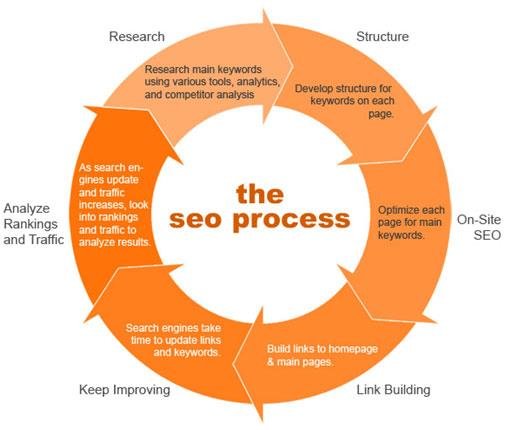
SEO often serves as the foundation of internet marketing because it captures high-intent demand and compounds over time. Unlike paid advertising, SEO continues generating visibility and traffic long after content is published.

For a deeper look at why SEO continues to outperform short-term channels, see why SEO compounds over time as a long-term growth strategy
.

If you’re evaluating whether SEO is still relevant in today’s environment, this explains why search engine optimization still matters for long-term growth businesses.

Execution also matters. This breakdown explains what makes SEO work today in competitive markets.

The Problem With Channel-First Marketing

Many businesses struggle with internet marketing because they approach it tactically. One vendor handles SEO, another runs ads, and content is produced without a clear strategy tying it all together.

The result is fragmented execution—activity without momentum and metrics without clarity.

How Strategy Changes Internet Marketing Outcomes

When internet marketing is driven by strategy, channels stop competing for credit and start reinforcing each other. SEO insights inform content, content improves conversion rates, and paid media validates demand.

This approach reduces wasted spend, shortens learning curves, and produces more predictable growth.

This same system-level thinking is explored in more detail in our breakdown of how search engines drive business growth.

What Internet Marketing Success Looks Like

Effective internet marketing produces outcomes that extend beyond traffic:

  • Consistent inbound demand from qualified prospects
  • Lower customer acquisition costs over time
  • Stronger brand authority in competitive markets
  • Clear insight into what drives growth

For businesses selling structured services or products, aligning search structure matters. Optimizing category-level SEO and strengthening product page SEO for revenue are examples of how channels reinforce one another.

Applying Internet Marketing Locally

While internet marketing principles apply broadly, execution often changes at the local level. For example, businesses competing in major metros require search and content strategies tailored to competitive density and buyer behavior.

This is the same strategic framework we apply when delivering Atlanta SEO services designed to support long-term, sustainable growth.

Internet Marketing as a Growth System

Internet marketing works best when viewed as a system—not a checklist. Businesses that invest in alignment, measurement, and strategy gain a durable competitive advantage that compounds over time.

When channels work together, internet marketing becomes more than promotion—it becomes a growth engine.

Businesses looking to operationalize this approach can explore how we apply integrated strategy across our digital marketing services.


Related Strategic Insights

TL;DR: Local SEO helps businesses get found by nearby customers at the exact moment they’re searching. When done correctly, it drives high-intent traffic, trust, and consistent local growth.

In summary

Local search plays a critical role in how customers discover, compare, and choose nearby businesses. This article explains how local SEO works, why it matters more than ever, and how search visibility turns local intent into real customer demand.

What Is Local SEO?

Local SEO is the practice of optimizing your online presence so your business appears when people search for products or services in a specific geographic area. These searches often include location modifiers like “near me,” city names, or neighborhood terms.

Unlike traditional SEO, which targets broad or national visibility, local SEO focuses on connecting businesses with customers who are ready to take action nearby. If you’re evaluating how local visibility fits into broader strategy, this guide explains why search engine optimization still matters as a growth channel.

Why Local Search Has Become the Default Buying Path

Today’s buyers rely on search engines to solve immediate problems. Whether they’re looking for a service provider, comparing options, or checking availability, local search is often the first step.

Search engines prioritize local relevance because proximity, intent, and trust signals help deliver better results to users. Businesses that appear in these results gain a significant advantage before a customer ever visits a website. This is part of the larger framework outlined in how search engines drive business growth.

How Local SEO Translates Visibility Into Customers

Local SEO works by aligning your business with how search engines evaluate relevance and trust. When done well, it helps your business appear consistently across key local touchpoints.

  • Search results for location-based queries
  • Google Business Profile listings
  • Maps and mobile search results
  • Local directories and citations

This visibility builds familiarity and credibility, making customers more likely to choose your business when they’re ready to act.

To understand how local visibility fits into a broader search strategy, revisit our article on What Makes SEO Work Today, which explains SEO as a long-term system.

What Actually Matters for Local SEO Today

Modern local SEO is not about stuffing city names into pages. It requires a coordinated approach that supports both search engines and real buyers.

  • Accurate and consistent business information
  • Clear alignment with local search intent
  • Authority signals like reviews and trusted mentions
  • Location-relevant content that answers real questions
  • Technical foundations that support crawlability and speed

When these elements work together, local SEO becomes a predictable growth channel rather than a guessing game. This compounding effect is why many businesses treat SEO as a long-term growth channel rather than a short-term tactic.

Where Many Local SEO Efforts Fall Short

Many businesses struggle with local SEO because they focus on isolated tactics instead of outcomes. Rankings are tracked, profiles are created, and content is published—but results remain inconsistent.

The missing piece is strategy. Without a clear plan that connects visibility to customer behavior, local SEO activity often fails to translate into measurable growth. This is especially common when comparing internet marketing companies in Atlanta that emphasize tasks instead of systems.

How Local SEO Supports Long-Term Business Growth

Unlike short-term advertising, local SEO compounds over time. Each improvement strengthens your visibility, trust, and relevance within your market.

Businesses that invest in local search visibility benefit from lower acquisition costs, stronger brand recognition, and demand that continues even when marketing budgets fluctuate. This alignment is part of a broader internet marketing growth strategy.

What This Means for Businesses Competing Locally

For businesses operating in competitive regions, local SEO must be treated as a system—not a checklist. Success comes from aligning technical execution, content, authority, and conversion paths with how local buyers actually search.

This same framework is applied when delivering Atlanta SEO services designed to help businesses capture local demand and convert search visibility into real revenue.

Final Takeaway

Local SEO influences nearly every local buying decision. When built correctly, it becomes a reliable engine for attracting qualified customers and supporting sustainable business growth.


Related Strategic Insights

TL;DR: SEO works when it’s built as a system—not a checklist. Businesses see real results when strategy, buyer intent, technical execution, and conversion alignment work together.

In summary

Many businesses invest in SEO but fail to see meaningful results because they focus on isolated tactics instead of building a cohesive growth system. This article explains what actually makes SEO work today—and why strategy, intent, and execution alignment matter more than ever.

The SEO Frustration Gap

Most businesses don’t fail at SEO because it’s ineffective—they fail because they approach it without a system. Pages get optimized, keywords get tracked, and tools get installed, yet results remain inconsistent or disappointing.

The problem isn’t effort. It’s fragmentation. SEO only works when every part of the strategy supports how real buyers search, evaluate options, and make decisions. If you’re questioning whether SEO still delivers long-term value, this explains why SEO remains the most reliable long-term growth channel.

Why SEO Fails for Most Businesses

SEO often breaks down because it’s treated as a collection of tactics rather than a strategic growth channel. Common failure points include:

  • Chasing keywords without understanding buyer intent
  • Optimizing pages that don’t support conversion
  • Ignoring technical issues that block visibility
  • Publishing content without authority or differentiation
  • Measuring traffic instead of business impact

These efforts may produce activity, but they rarely produce outcomes. Businesses evaluating partners often see this gap when comparing internet marketing companies in Atlanta that focus on deliverables versus those building measurable systems.

What SEO Actually Requires Today

Modern SEO requires coordination across multiple disciplines—not just content or keywords. To work effectively, SEO must include:

  • A strong technical foundation that allows search engines to crawl and trust your site
  • Search intent alignment that matches content to buyer needs
  • Authority signals that establish credibility and expertise
  • Conversion paths that turn visibility into action
  • Measurement tied to revenue, not just rankings

When these elements work together, SEO becomes predictable and scalable. This broader view connects directly to how search engines drive business growth when strategy leads execution.

For businesses planning a redesign or platform move, our SEO migration checklist outlines the exact steps needed to protect search visibility.

SEO Is a Growth System Not a Marketing Channel

Unlike paid advertising, SEO compounds over time. Each improvement builds on the last, creating durable visibility that supports long-term growth.

Businesses that treat SEO as a system benefit from lower acquisition costs, stronger brand authority, and demand that continues even when ad budgets pause.

For businesses building broader digital strategy, this is why SEO anchors integrated internet marketing for business growth.

Where DIY SEO Typically Breaks Down

Many teams attempt SEO internally, but it often stalls due to competing priorities, lack of specialization, or misinterpretation of data.

Without a clear strategy and experienced execution, SEO becomes reactive instead of intentional and momentum is lost.

How Businesses See Real SEO Results

Companies that succeed with SEO focus less on tactics and more on outcomes. Real results look like:

  • Consistent inbound demand from qualified searchers
  • Content that supports long sales cycles
  • Search visibility aligned with revenue goals
  • Clear insight into what’s working and why

Businesses that see consistent results typically rely on structured execution from a professional SEO services partner rather than isolated tactics.

Execution depth also matters. Improving category-level SEO structure and refining product page SEO for revenue impact are examples of how tactical work supports strategic growth.

What This Means for Growing Businesses

SEO works best when it’s planned and executed as part of a broader growth strategy. For businesses competing in competitive markets—especially locally—this requires a deliberate, system-driven approach.

If you’re evaluating SEO for a competitive market, this is the same framework we apply when delivering Atlanta SEO services designed to support long-term growth, not short-term wins.

When SEO is built the right way, it stops being a gamble and becomes a reliable engine for business growth.


Related Strategic Insights

TL;DR: Search engines shape how buyers discover, evaluate, and choose businesses.
SEO leads the way by turning search demand into long-term visibility, trust, and revenue.

In summary:
Search engines influence nearly every buying decision by shaping how customers discover, compare, and evaluate businesses. This article explains how search visibility drives sustainable business growth—and why SEO remains the foundation of long-term digital strategy.

How Search Engines Drive Business Growth (And Why SEO Leads the Way)

Search engines are no longer just tools for finding information — they are the primary way buyers research problems, compare solutions, and decide which businesses they trust. For companies competing in crowded markets, search visibility has become a direct driver of growth, not a supporting tactic.

Search Engines as the Starting Point for Modern Buyers

Today’s buyers rely on search engines at every stage of the decision-making process. Whether they are identifying a problem, researching options, or validating a short list of providers, search results shape perception long before a conversation ever begins.

This shift means business growth increasingly depends on how well your company appears when buyers are actively looking — not when you interrupt them with ads. This is the broader strategic framework behind internet marketing for business growth.

How Search Visibility Translates Into Revenue

Search engines reward relevance, clarity, and authority. When your business consistently appears for the right searches, it builds familiarity and trust before a prospect ever visits your website.

  • High-intent searches signal readiness to evaluate or buy
  • Visibility reinforces credibility and expertise
  • Repeated exposure shortens sales cycles

This is why search performance is no longer measured only in rankings or traffic, but in qualified leads, pipeline influence, and long-term demand. Businesses evaluating partners often explore how to choose an internet marketing company in Atlanta based on this strategic alignment.

Why SEO Leads the Search Growth System

Search Engine Optimization sits at the center of sustainable search growth because it aligns with how search engines actually work. Unlike short-term tactics, SEO builds durable assets that compound over time.

Modern SEO combines:

  • Technical SEO: Ensuring your site can be crawled, indexed, and trusted
  • Content Strategy: Answering real buyer questions at every stage
  • Authority Building: Earning relevance through links and brand signals
  • Conversion Alignment: Turning visibility into measurable outcomes

This system-based approach allows SEO to support both awareness and revenue — not just rankings. For a deeper breakdown of execution alignment, see what makes SEO work today.

SEO vs. Short-Term Search Tactics

Paid ads, social campaigns, and one-off promotions can drive bursts of traffic, but they stop working the moment spend stops. SEO, by contrast, continues to deliver value as long as buyers are searching.

That’s why many businesses treat SEO as a growth foundation rather than a channel. It supports every other marketing effort by capturing demand that already exists. This long-term compounding effect is explained further in why SEO compounds over time as a growth strategy

How SEO Supports the Buyer Journey

Awareness

SEO content helps buyers understand problems and opportunities, positioning your brand as a trusted guide early in the journey.

Evaluation

As searches become more specific, SEO ensures your expertise is visible when buyers compare options and solutions.

Decision

At the point of action, search visibility reinforces confidence and supports conversion through clear messaging and intent-driven pages. This is why understanding why search engine optimization still matters is critical for growth-focused businesses.

When SEO Makes the Most Business Sense

SEO is particularly effective for businesses that:

  • Compete in crowded or competitive markets
  • Have longer or more considered sales cycles
  • Serve defined geographic or service areas
  • Want sustainable growth instead of short-term spikes

For companies operating in competitive regions like Atlanta, strong SEO visibility creates a measurable advantage by capturing demand at the exact moment buyers are searching.

For businesses operating in competitive regional markets, location-specific SEO becomes even more critical. Local visibility strategies, such as those outlined in Local SEO Explained, support geographic demand capture.

Learn how Webociti approaches Atlanta SEO services
to support long sales cycles, competitive industries, and sustainable growth.

SEO as a Business Growth System

When SEO is treated as an ongoing system — rather than a checklist — it becomes one of the
most reliable growth engines available to modern businesses.

By aligning search visibility with buyer intent, technical performance, and conversion
strategy, SEO turns search engines into long-term revenue drivers instead of unpredictable
traffic sources.

If you’re evaluating SEO as a growth channel, explore our SEO services for growing businesses to see how strategy-led optimization supports sustainable results.

Final Takeaway

Search engines now influence nearly every buying decision. Businesses that understand how search drives discovery, trust, and evaluation — and invest in SEO accordingly — are better positioned to grow consistently in competitive markets.


Related Strategic Insights

TL;DR: Search engine optimization (SEO) helps businesses increase qualified visibility, attract high-intent buyers, and compete in crowded markets by aligning technical SEO, content, and authority with how people actually search today.

In summary:
Search engine optimization (SEO) helps businesses increase visibility, attract
qualified traffic, and compete in search results where buying decisions begin.
This article explains what SEO is, why it matters today, and how it supports
long-term business growth.

What Is Search Engine Optimization?

Search engine optimization is the practice of improving a website’s visibility in organic search results across platforms like Google Search, Google Maps, and increasingly, AI-generated search experiences.

Modern SEO is not a single activity. It is the coordination of several disciplines working together, including:

  • Technical SEO: Ensuring search engines can crawl, index, and understand your site
  • On-page optimization: Structuring pages around search intent and relevance
  • Content strategy: Creating useful, authoritative content that answers real buyer questions
  • Authority & trust signals: Building credibility through links, mentions, and brand presence
  • Conversion alignment: Turning visibility into leads, calls, and revenue

When these components operate together, SEO becomes a system rather than a checklist. This is explored further in our breakdown of what makes SEO work today.

Why SEO Is More Than Rankings Today

For many years, SEO success was measured by where a page ranked for a specific keyword. While rankings still matter, they are no longer the full picture.

Today, effective SEO is about being visible across multiple result types, supporting the buyer journey, and establishing trust before a buyer ever clicks. That’s why many businesses view SEO not just as a tactic, but as the most reliable long-term growth channel.

How SEO Supports the Buyer Journey

Awareness

At the awareness stage, buyers are identifying problems or exploring opportunities. SEO content at this stage builds credibility and introduces your brand as a knowledgeable guide.

Evaluation

As buyers move into evaluation, searches become more specific and comparative. SEO supports deeper education and positions your brand as a qualified option.

Decision

At the decision stage, intent is highest. SEO ensures your business appears when buyers are ready to take action, supported by clear messaging and conversion paths. For businesses comparing providers, this often begins when evaluating an internet marketing company in Atlanta with a strategy-first approach.

What Makes SEO Challenging

Many SEO efforts struggle due to algorithm changes, increasing competition, content saturation, and a lack of strategy tied to business goals.

Most failures happen when SEO is treated as a one-time project rather than an ongoing system. Understanding how search engines drive business growth helps align execution with outcomes.

SEO as a Business Growth System

Sustainable SEO performance starts with strategy, followed by disciplined execution and continuous refinement based on real performance data.

When SEO is integrated into broader growth planning, it becomes a compounding asset rather than a recurring expense. This broader framework is central to how we approach internet marketing for business growth.

When SEO Makes the Most Sense

SEO is particularly effective for businesses operating in competitive markets, serving defined geographic areas, or relying on trust-driven buying decisions.

Companies often partner with professional SEO services to ensure technical execution, content strategy, and measurement are aligned.

For businesses competing locally, strong visibility through Atlanta SEO services helps capture demand where proximity and relevance matter most.

Final Takeaway

Search engine optimization remains one of the most valuable growth channels available when it is aligned with buyer intent, executed strategically, and measured against real business outcomes.


Related Strategic Insights

Customer Journey Marketing Strategy: How to Make Your Brand Story Resonate

A well-crafted customer journey marketing strategy ensures that your brand storytelling connects with your audience and leads to conversions.

Most brands make one crucial mistake:

  • They talk too much about themselves—their history, their features, their success.
  • But customers only care about how you can help them solve their problem.

The best brands don’t position themselves as the hero of the story. They position themselves as the trusted guide helping the customer succeed.

In this post, we’ll show you how to shift your messaging to focus on your customers, tell a compelling brand story, and start converting more leads using a customer journey marketing strategy.

Internal Resource: Check out our Customer Journey Marketing Strategy Guide
to dive deeper into this concept.


Why Customers Ignore Self-Centered Marketing

  • People are bombarded with thousands of marketing messages daily—and they filter out anything that doesn’t feel relevant to them.
  • Customers are constantly looking for solutions, not company backstories.
  • A brand that talks about itself too much comes off as self-promotional, unrelatable, and forgettable.

Example:

  • Brand A: “We’ve been in business for 25 years, serving thousands of satisfied clients.”
  • Brand B: “Struggling with [Problem]? We help businesses like yours solve it with [Solution].”

Which one grabs your attention?


How a Customer Journey Marketing Strategy Improves Storytelling

Instead of focusing on what you do, focus on who you help and how you help them.

The StoryBrand Framework is a great way to structure your brand message:

customer journey map

  • The Customer = The Hero (They have a challenge they need to overcome)
  • Your Brand = The Guide (You provide the solution and expertise)
  • A Clear Plan (You show them exactly how you’ll help them succeed)
  • A Call to Action (Encourage them to take the next step)
  • The Transformation (How their life/business improves after working with you)

Example of a Story Shift:

  • Old Message: “We create cutting-edge software for business automation.”
  • New Message: “Struggling with wasted time and inefficient processes? We help businesses streamline operations with easy-to-use automation tools.”

See the difference? The second one speaks directly to the customer’s pain point.


How to Rewrite Your Brand Story to Focus on the Customer

Step 1: Identify Your Customer’s Biggest Pain Points

  • What keeps them up at night?
  • What problem are they actively trying to solve?
  • How does your solution fit into their journey?

Step 2: Speak Their Language, Not Yours

  • Avoid industry jargon. Use simple, relatable language.
  • Talk about outcomes and benefits, not just features.

Step 3: Show Empathy & Authority

  • Let them know you understand their struggle and have the experience to guide them.
  • Use case studies, testimonials, or success stories to prove it.

Internal Resource: Explore our Case Study on Customer-Centric Branding to see this strategy in action.


It’s Time to Optimize Your Customer Journey Marketing Strategy

Watch the Video: How to Make Your Customer the Hero

  • If your marketing isn’t getting the engagement or conversions you expect, it’s time to rethink your messaging.
  • Make your customer the hero and position your brand as the trusted guide.
  • Speak to their problems, desires, and goals—not just about what you offer.

Learn More About Storytelling in Marketing

Need help crafting a compelling brand story?

Contact Webociti today for a free consultation!

Read more marketing insights on our blog: https://www.webociti.com/blog/

Customer-Centric Marketing: How Top Brands Solve Real Problems

Setting the Scene: A Shift in Strategy

Consumers are tuning out product pitches—but they’re leaning in when brands talk about their struggles, dreams, and daily frustrations. That’s why today’s smartest marketers are turning to customer-centric marketing strategies that focus on solving real problems—not just selling features.

Traditional marketing often highlights a product’s features or superiority—but that alone doesn’t cut it anymore. Today’s customers expect brands to understand their needs and provide real solutions. The shift from product-focused to problem-solving marketing isn’t just a trend; it’s a fundamental change in how companies connect with their customers.


Marketing experts discussing strategies on a digital display

Marketing experts discussing strategies on a digital display


Problem-Solving at the Core of Customer-Centric Marketing Strategies

The heart of customer-centric marketing strategies lies in identifying real problems your audience faces—and positioning your product as the solution. This approach builds deeper trust, boosts engagement, and strengthens long-term loyalty.

For instance, instead of promoting a cleaning product based on ingredients, emphasize how it creates a safer home by eliminating 99.9% of germs, offering peace of mind to busy families. The product becomes the solution to a real-life concern—not just a commodity.


Creating Curiosity and Engagement

Curiosity drives engagement. When your marketing sparks curiosity, it turns passive readers into active seekers of information. Storytelling is a powerful tool here. Use scenarios that reflect your audience’s daily lives and position your product as the hero.

For example, when marketing a financial app, tell a story about a couple navigating unexpected expenses and how the app helps them plan for a dream vacation. The emotional payoff makes the product relevant and memorable. This is just one of many ways customer-centric marketing strategies can create powerful engagement moments.


Learning from the Best: Case Studies

Some of the most successful brands today didn’t get there by pushing features—they did it by solving problems their customers care about.

Take Slack, for instance. Instead of advertising itself as just a chat app, Slack focused on solving workplace chaos. Their messaging positioned the tool as a way to simplify communication, reduce email clutter, and streamline teamwork. That real-world benefit helped Slack explode in popularity.

Another great example is Dove. Rather than selling soap, Dove launched its “Real Beauty” campaign to address self-esteem and confidence issues among women—turning the product into a symbol of empowerment. Sales soared, and the brand built deep emotional connections with its audience.

These real-life case studies show how customer-centric marketing strategies can generate emotional impact, loyalty, and measurable business growth. Learn more about this approach from this HubSpot guide to customer-centric marketing.


5 Ways to Apply Customer-Centric Marketing Strategies Today

  • Talk to your customers: Conduct surveys, interviews, or use social listening to uncover the problems they care most about.
  • Mirror their language: Use copy that reflects the way your audience talks about their challenges and desires.
  • Position your product as the guide: Don’t make it the hero. Instead, show how it helps your audience overcome obstacles.
  • Share transformation stories: Showcase real customers and how your product changed their situation for the better.
  • Focus on benefits over features: Shift your messaging from “what it does” to “how it improves life or work.” This is one of the most effective customer-centric marketing strategies you can implement today.


Common Pitfalls to Avoid

Even with the best intentions, brands can fall into traps. Here are a few mistakes to watch out for when applying customer-centric marketing strategies:

  • Talking too much about yourself: If your marketing starts with “we” or “our product,” flip it to focus on the customer instead.
  • Overloading on features: Don’t list features without explaining their value. Tie every feature to a customer problem it solves.
  • Neglecting emotion: Facts tell, but stories sell. Make sure your messaging connects emotionally, not just logically.


Trends in Customer-Centric Marketing Strategies

As digital transformation accelerates, customers expect more personalized, value-driven interactions. Forward-thinking companies are investing in AI-driven personalization, predictive analytics, and omnichannel experiences to stay ahead. According to Gartner, businesses that integrate personalization into their customer-centric marketing strategies see significantly higher engagement and conversion rates.

Another key trend is the rise of interactive content—from quizzes and polls to calculators and assessments. These tools don’t just entertain; they offer valuable insights into customer needs while showcasing how your product or service fits into their journey. Embedding these into your customer-centric marketing strategies can elevate engagement and increase lead quality.


Start Using Customer-Centric Marketing Strategies Today

Want a marketing strategy that speaks directly to your customers’ pain points—and earns their trust? At Webociti, we help businesses like yours turn problems into growth opportunities through proven customer-centric marketing strategies.

📞 Schedule Your Free Consultation or call us at 678-892-7157.

Implementing customer-centric marketing strategies doesn’t happen overnight—but small changes add up. Start by rethinking your email campaigns, website copy, or ad messaging. Focus each piece of content on how your brand improves your customer’s life, not just what you sell. Over time, this shift will reshape how people connect with your business.


Conclusion

In today’s crowded digital space, products alone don’t stand out. Brands that win are those that offer solutions, tell authentic stories, and put the customer first. By embracing customer-centric marketing strategies, you move from pitching products to building meaningful relationships—and that’s where real growth begins.


Unlocking Success: The Webociti Marketing Makeover Program Revealed

Are you ready to revolutionize your digital marketing but unsure where to start? Ninety percent of businesses fail to effectively leverage digital tools for growth. Don’t be part of that statistic—discover how the Webociti Marketing Makeover Program can transform your strategy and results.

Transform Your Business with the Webociti Marketing Makeover Program

In today’s fast-paced digital landscape, merely blending in is not an option. The Webociti Marketing Makeover Program combines strategic insights, tailored solutions, and proven techniques to propel your business to unprecedented heights. Discover how companies across various industries have dramatically increased their market reach and sales through our program.

What is the Webociti Marketing Makeover Program?

The Webociti Marketing Makeover Program offers a holistic solution, meticulously tailored to meet the specific needs and objectives of your business. From startups carving out a robust online niche to established enterprises amplifying sales and conversions, our approach ensures your marketing goals are not just met but exceeded.


What Makes Webociti Different?

Expertise Born from Experience:

Webociti stands apart due to our unique background in founding, scaling, and selling companies. This entrepreneurial experience is not just theoretical; it’s practical and woven into every strategy we deliver, ensuring you receive guidance that’s actionable and impactful.

Content That Connects:

  • Engaging Narratives: We don’t just tell your story; we tell it compellingly. Our content captures your brand’s essence—its values, mission, and vision—through:
    • Blog posts that resonate and engage.
    • Social media updates that foster community and conversation.
    • Email newsletters that keep your audience informed and interested.
    • Website content that enhances user experience and boosts SEO.

Guided Learning Journey:

In a world teeming with information, our content does more than just inform—it inspires. We guide your prospects through their decision-making process with insightful and actionable content, positioning your brand as the trusted authority. This not only builds lasting relationships but also converts casual browsers into loyal customers.

Ready to Transform Your Marketing?

If you’re ready to elevate your marketing efforts, the Webociti Marketing Makeover Program is ready to launch you to new heights. Embrace excellence—let us help you achieve exceptional outcomes.

Contact us today for a free consultation and discover how our expertise can propel your business forward. Call us at 678-892-7157 or click here to get started.

Conclusion

In today’s competitive digital arena, a robust online presence is essential. With the Webociti Marketing Makeover Program, unlock your business’s full potential and elevate your marketing beyond the ordinary. Invest in your success with Webociti and take the first step towards remarkable business growth.

Take the first step towards success! Contact us now to schedule your consultation.

10 Digital Marketing Strategies to Skyrocket Your Business Growth

In the modern business landscape, digital marketing transcends traditional advertising; it’s a pivotal strategy that can catapult your business to new heights. From amplifying brand visibility to enhancing customer engagement, a well-crafted digital marketing strategy can propel growth and cultivate enduring relationships with your audience. Here are ten essential digital marketing tactics every business should employ to guarantee success in today’s competitive market.


1. Optimize Your Website for Search Engines

SEO (Search Engine Optimization) forms the backbone of an effective digital presence. By optimizing your website with relevant keywords, high-quality content, and a mobile-friendly design, you ensure higher visibility in search engine results. This strategic visibility means that when potential customers search for products or services related to your business, your website ranks prominently, driving more organic traffic. Regular SEO audits are crucial to adjust to changing algorithms and maintain a competitive edge.

2. Leverage the Power of Content Marketing

In the realm of digital marketing, content reigns supreme. Developing a robust content marketing strategy that includes blogs, videos, infographics, and podcasts can engage your audience and position your brand as a thought leader in your industry. This strategy not only attracts and retains customers by enhancing site engagement but also drives significant traffic through valuable, high-quality content.

3. Utilize Social Media Effectively

Social media platforms present a vast arena for businesses to amplify their brand exposure. By regularly updating your profiles, engaging with followers, and deploying targeted ads to reach specific demographics, you significantly enhance your online presence and foster direct interactions with your customers.

4. Implement Email Marketing

Email marketing remains one of the most cost-effective digital marketing strategies. By collecting emails from website visitors and sending them tailored offers, news, and personalized content, you can help convert leads into customers and enhance repeat business. Incorporating A/B testing in your email campaigns can optimize effectiveness and increase conversion rates.

5. Invest in Paid Advertising

PPC (Pay-Per-Click) advertising allows you to reach Internet users on numerous digital platforms through paid ads. These ads can target specific demographics, interests, and behaviors, offering a high ROI by driving targeted traffic to your site.

6. Enhance User Experience

User experience (UX) significantly influences how visitors perceive your website and, by extension, your brand. A website with intuitive navigation, fast loading times, and compelling call-to-action buttons markedly improves user engagement and conversion rates.

7. Use Data Analytics

Data-driven marketing is essential for understanding the effectiveness of your digital marketing strategies. Tools like Google Analytics provide valuable insights into your audience’s behavior, campaign performance, and more, allowing you to make informed decisions and optimize your marketing efforts.

8. Engage in Community Building

Creating a community around your brand can foster lasting customer loyalty. Engaging with your audience through forums, webinars, and live Q&A sessions provides direct support and gathers valuable feedback, which can be used to enhance your products and services.

9. Mobile Optimization

With the rising number of users accessing the internet via smartphones, having a mobile-optimized website is crucial. This ensures that your site delivers a good user experience on any device, improving both reach and effectiveness of your online content.

10. Continuous Learning and Adaptation

The digital marketing landscape is perpetually evolving. Staying ahead requires keeping up with the latest trends, technologies, and changes in consumer behavior. Regular training for your team and adapting your strategies based on market dynamics are vital for sustained success.

Digital marketing offers myriad opportunities to grow and refine your business strategy. By implementing these ten essential tactics, your business can not only enhance its online presence but also achieve significant growth in an increasingly digital world.

Ready to transform your digital marketing strategy and take your business to new heights?

Contact Webociti today for a free consultation and discover how our expertise can help you succeed. Don’t wait—start shaping the future of your business with effective digital marketing solutions. Call us at 678-892-7157 or click here to get started.

#DigitalMarketing #BusinessGrowth #SEO #SocialMediaTips #ContentMarketing #EmailMarketing #OnlineAds #MarketingAutomation #WebAnalytics #CustomerEngagement

Strategies for Digital Marketing Success

In today’s hyper-connected world, the art of storytelling has evolved into a crucial component of digital marketing. A compelling brand story doesn’t just share information about what a business does—it weaves emotions, values, and experiences into a narrative that resonates deeply with its audience. At Webociti, we excel in crafting custom content strategies that transform brand presence by creating narratives that captivate and engage. This post delves into the essentials of creating compelling brand stories in the digital age, highlighting success stories and offering practical tips to inspire your storytelling journey.

The Importance of Brand Storytelling

Brand storytelling transcends traditional advertising by forging a connection that encompasses more than products or services—it encapsulates the experience, values, and journey of a brand. In a digital landscape flooded with content, a well-crafted brand story stands out, fostering emotional bonds that enhance brand recognition, loyalty, and conversion.

Elements of a Great Brand Story

    • Authenticity: True stories resonate because they reflect genuine values and experiences. Your narrative should authentically represent your brand’s ethos, fostering trust and credibility.
    • Emotion: Connecting emotionally engages the audience on a deeper level. Whether through joy, sadness, hope, or humor, emotional storytelling makes your brand unforgettable.
    • Simplicity: Focus on conveying your core message without overwhelming your audience with excess details.
    • Relatability: Ensure your story is relatable, showing how your brand fits into the lives of your audience and why it matters to them.
    • Consistency: Maintain the essence of your story across all digital platforms, from your website to social media and email marketing, to reinforce your brand identity.

    Crafting Your Brand Story: A Step-by-Step Guide

    Understand Your Audience

    Use data analytics and customer feedback to grasp your audience’s preferences, challenges, and aspirations. This ensures your story speaks directly to their needs.

    Define Your Brand’s Core Message

    Identify the heart of your brand, be it innovation, sustainability, community, or customer service. This core message is the foundation of your narrative.

    Narrate Your Journey

    Share your brand’s history, challenges, and triumphs to showcase resilience and commitment.

    Highlight Customer Success Stories

    Use testimonials and case studies to show how your brand has positively impacted customers, adding depth and credibility to your narrative.

    Use Visuals and Multimedia

    Enhance your story with images, videos, and infographics for a dynamic presentation across platforms.

    Success Stories

    Eco-Friendly Fashion Brand

    Brand

    Struggling to convey its sustainability commitment, this brand revamped its narrative with our help. Founder interviews and customer testimonials emphasized their eco-friendly practices, leading to a 40% increase in online engagement and a 30% rise in sales in six months.

    Tech Startup

    This startup lacked a compelling presentation for its innovative product. We crafted a story starting with the founder’s vision and used customer success stories and demo videos to demonstrate how the product transformed daily tasks. The result was a 50% increase in lead generation and enhanced brand loyalty.

    Tips for Effective Brand Storytelling

    • Keep Evolving: Update your narrative as your business and market change to keep it fresh and relevant.
    • Engage with Your Audience:Use digital platforms to involve your audience in your story, soliciting their feedback and stories for a more interactive experience..
    • Measure and Adjust: Track your brand story’s performance with analytics to refine your approach based on engagement and conversion rates.
    • Train Your Team: Ensure consistency in how your brand story is communicated across all company touchpoints.
    • Invest in Quality Content: High-quality writing, visuals, and videos significantly influence how your story is perceived.

    Conclusion

    In the digital age, a compelling brand story is a strategic asset that sets your business apart. By following these guidelines and learning from success stories, you can craft a brand narrative that not only tells but also sells. Ready to transform your brand’s story? Contact Webociti at 678-892-7157 for a free consultation, and let’s start crafting your success story today.

    Take Action: Elevate Your Brand Story with Webociti

    Ready to transform your brand’s narrative into a compelling story that resonates with your audience? Contact Webociti today for a free consultation to discover how our expert team can help you craft a brand story that captivates and converts. Don’t wait to make your brand unforgettable—begin your storytelling journey with us now. Call us at 678-892-7157 or click here to learn more.