Are you wasting money on the wrong marketing channels? Discover which ones give small businesses the best ROI this year.

As a small business owner, you’ve got to make every dollar count, especially when it comes to marketing. With so many channels to choose from, it can be overwhelming to figure out where your hard-earned money will get the best return on investment (ROI). Some strategies work like magic, while others drain your budget without delivering the results you need.

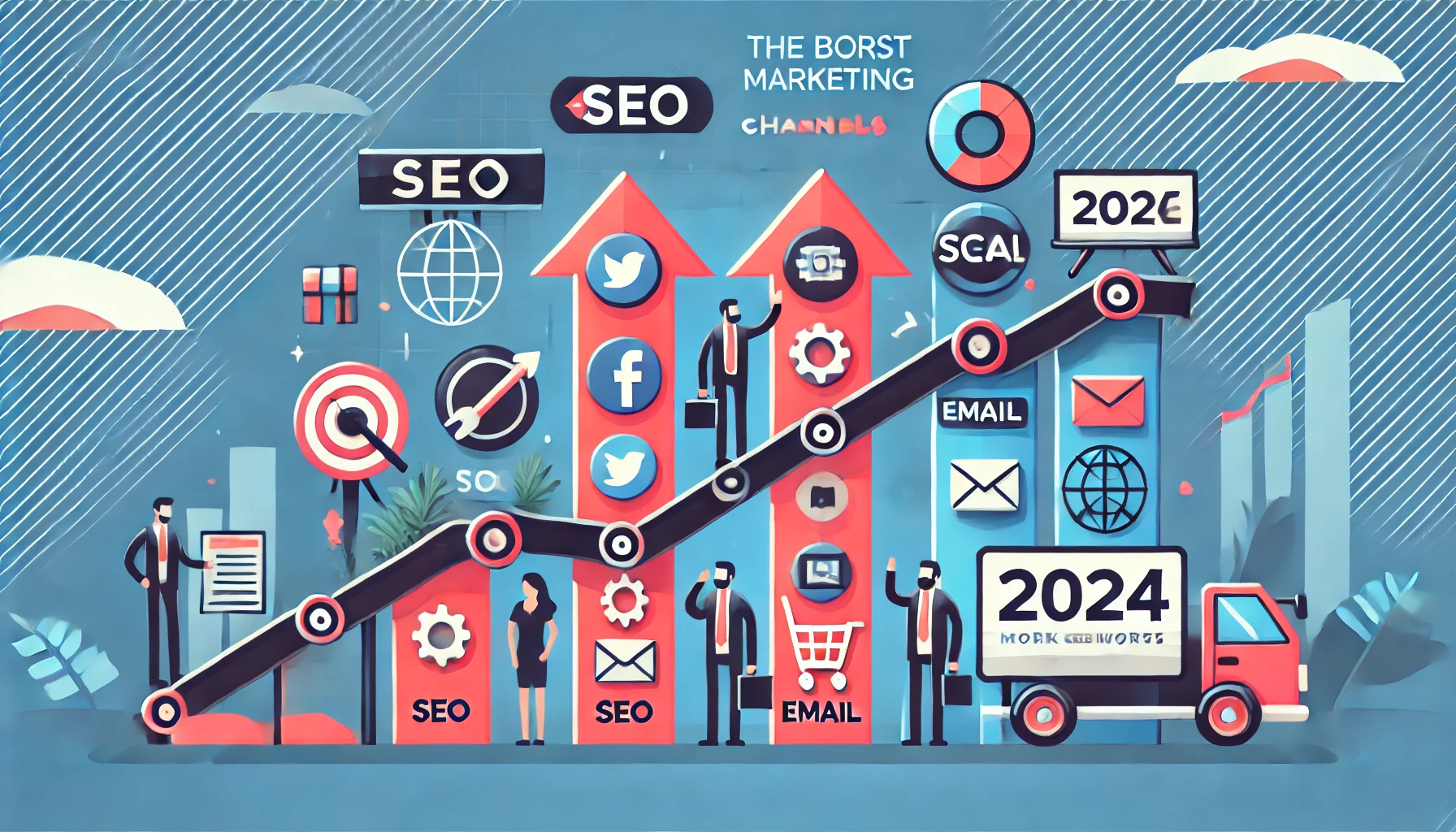
In 2024, the marketing landscape continues to evolve, and staying ahead means understanding which channels are thriving—and which ones are falling behind. Let’s break down the best (and worst) marketing channels for small businesses this year.


The Best Marketing Channels for Small Businesses in 2024

1. Search Engine Optimization (SEO)

Why It Works: SEO is still one of the most effective long-term strategies for attracting potential customers. Ranking high on Google means getting in front of people actively Top marketing channels for small businesses in 2024searching for what you offer. By optimizing your website for relevant keywords, creating high-quality content, and ensuring a user-friendly experience, you can drive organic traffic without paying for each click.

2024 Tip: Focus on local SEO if you have a brick-and-mortar business. Claim your Google My Business profile, optimize for location-based keywords, and encourage positive reviews from satisfied customers.

For more insights on improving your SEO strategy How SEO Can Boost Your Small Business in 2024.

2. Social Media Advertising (Facebook, Instagram, TikTok)

Why It Works: With billions of active users, social media platforms offer highly targeted advertising opportunities. You can narrow down your audience based on demographics, interests, behaviors, and more. Instagram and TikTok, in particular, have seen a surge in engagement, making them great platforms for brand awareness and lead generation.

2024 Tip: Leverage short-form video content, like Reels and TikToks, to boost engagement and visibility. These formats are gaining more traction and offer a cost-effective way to capture attention.

3. Email Marketing

Why It Works: Email marketing remains a goldmine for small businesses. It’s one of the few channels where you can directly communicate with your audience, build relationships, and drive sales. By segmenting your list and delivering personalized, valuable content, email marketing can deliver some of the highest ROI of any channel.

2024 Tip: Automate your email marketing campaigns to nurture leads and re-engage inactive customers. Triggered emails, like cart abandonment reminders or personalized recommendations, can significantly boost conversions.

4. Pay-Per-Click (PPC) Advertising

Why It Works: PPC, through platforms like Google Ads, allows you to bid on keywords relevant to your business. It’s a fast way to get in front of potential customers. The key benefit is that you only pay when someone clicks on your ad, making it easy to track ROI and optimize your campaigns in real time.

2024 Tip: Use PPC for highly targeted campaigns, especially when testing new markets or promoting seasonal offers. Focus on optimizing ad copy and landing pages for conversions, not just clicks.

5. Content Marketing (Blogs, Videos, Podcasts)

Why It Works: Content marketing builds trust, educates your audience, and improves your SEO. Whether through blog posts, videos, or podcasts, creating valuable content positions your business as an authority in your industry. It’s a powerful way to engage with your audience over time and drive traffic to your website.

2024 Tip: Repurpose your content across multiple platforms. For example, turn a blog post into a video or break down a podcast episode into social media snippets to maximize your content’s reach.

The Worst Marketing Channels for Small Businesses in 2024

1. Print Advertising

Why It’s Failing: While print advertising might still work for some niche industries, its overall effectiveness has been steadily declining. In 2024, digital marketing channels Worst marketing channels for small businesses in 2024offer far more targeting and tracking capabilities, which means better ROI. Print ads are also more expensive and harder to measure in terms of results.

2024 Tip: If you’re set on traditional advertising, consider hybrid options like direct mail with digital tracking (such as QR codes or personalized URLs) to measure engagement.

2. Television Ads

Why It’s Failing: Unless you have a massive budget, television ads aren’t the best use of your marketing dollars. They’re expensive, hard to target, and don’t offer the granular analytics that digital channels provide. In an era where viewers are increasingly cutting the cord and opting for ad-free streaming services, TV ads are losing their influence.

2024 Tip: If video is your focus, try YouTube ads or video marketing on social platforms instead, where targeting is more precise, and budgets are flexible.

3. Billboard Advertising

Why It’s Failing: Like TV and print, billboard advertising can reach a large audience, but it’s a broad approach that doesn’t offer much targeting. With so much focus on digital channels, it’s difficult to measure the direct impact of billboard ads on your business. Additionally, as people spend more time on their phones, they may not even notice billboards anymore.

2024 Tip: If outdoor advertising appeals to your business, consider geofencing ads, which use location data to deliver ads to mobile devices when potential customers are in a specific area.

4. Cold Calling

Why It’s Failing: Cold calling used to be a staple for lead generation, but it’s increasingly seen as intrusive. Most people prefer to research products and services online before engaging with a business. In fact, many people ignore unsolicited calls, and the success rate of cold calling continues to plummet.

2024 Tip: Focus on inbound marketing strategies that encourage potential customers to come to you through valuable content, SEO, and targeted ads, rather than relying on outdated cold calling tactics.

Wrapping It Up

In 2024, the best marketing channels for small businesses are those that offer precise targeting, measurable results, and the ability to adapt to customer behaviors. Digital marketing continues to outperform traditional channels in terms of ROI, especially with the rise of data-driven strategies like SEO, social media advertising, and PPC.

Don’t waste your budget on outdated, ineffective methods. Instead, invest in the channels that are proven to deliver results for your business. With the right approach, you can attract more customers, increase your visibility, and boost your bottom line—all without breaking the bank.

Studies show that small businesses with optimized digital marketing strategies see a higher ROI than those relying on outdated methods (Business News Daily).

Ready to optimize your marketing channels? Let Webociti help you craft a strategy that brings the best ROI in 2024. Contact us today for a free consultation.

Why Most Businesses Fail at Digital Marketing (And How You Can Avoid Their Mistakes)

You’ve poured time, energy, and money into your digital marketing efforts, but the results just aren’t there. Maybe you’re not getting the website traffic you expected, or your social media ads are falling flat. The harsh reality is, most businesses are set up to fail at digital marketing.

But here’s the good news: It’s not your fault—there’s just a right way and a wrong way to approach it. In this post, we’ll dive into the 10 most common digital marketing mistakes businesses make and show you how to avoid these pitfalls so you can create marketing campaigns that drive real results without wasting your budget.

Mistake 1: Not Having a Clear Strategy

The Problem:
Many businesses jump into digital marketing without a well-defined plan. They invest in Facebook ads, pay-per-click campaigns, or social media content without understanding how each tactic fits into the bigger picture.

Why This Leads to Failure:
Without a strategy, marketing becomes disjointed, with no cohesive messaging or focus. Businesses end up throwing money at the wall, hoping something sticks. Unfortunately, this approach rarely delivers ROI.

The Solution:
Start with a clear, data-driven marketing strategy. Define your goals, know your target audience, and decide which marketing channels will reach them most effectively. At Webociti, we always begin by crafting a strategy that aligns with your business goals—because a focused plan is the first step toward success.
Common reasons why businesses fail at digital marketing

Mistake 2: Targeting the Wrong Audience

The Problem:
One of the biggest digital marketing mistakes is failing to identify the right audience. It’s tempting to believe that everyone could be your customer, but in reality, this leads to wasted ad spend and poor results.

Why This Leads to Failure:
Targeting too broadly dilutes your messaging and prevents you from connecting with the people most likely to convert. A general approach doesn’t resonate with anyone in particular.

The Solution:
To avoid this, businesses must create detailed buyer personas. These personas help tailor your messaging, content, and advertising specifically to the people most interested in your product or service. The right message to the right people at the right time is key—and we can help you uncover exactly who those people are.

Mistake 3: Focusing on the Wrong Metrics

The Problem:
Measuring the wrong KPIs (Key Performance Indicators) is a common mistake. Many businesses focus on vanity metrics like followers, likes, or website traffic, assuming these numbers equal success.

Why This Leads to Failure:
While these metrics can be encouraging, they don’t necessarily equate to leads, sales, or ROI. You might have 10,000 followers on Instagram, but if they’re not converting into paying customers, something is wrong.

The Solution:
Focus on metrics that matter: conversion rates, customer acquisition cost (CAC), return on ad spend (ROAS), and lifetime customer value (LCV). These numbers reveal the real impact of your marketing efforts. At Webociti, we monitor these metrics closely to ensure your marketing investment is delivering results that move the needle for your business.

Mistake 4: Ignoring Mobile Users

The Problem:
Despite the fact that over 50% of all internet traffic now comes from mobile devices, many businesses still fail to optimize their websites and digital content for mobile users.

Why This Leads to Failure:
A website that doesn’t load properly on mobile is a massive turnoff for visitors. Mobile users will abandon slow, clunky sites within seconds, leading to a high bounce rate and missed opportunities.

The Solution:
Ensure that your website is fully mobile-optimized. This includes fast load times, responsive design, and easy navigation. Not only will this improve user experience, but it will also improve your rankings on search engines like Google. Webociti can audit your current site and optimize it for mobile so you’re never missing out on valuable traffic.

Mistake 5: Neglecting Content Marketing

The Problem:
Some businesses think that content marketing is optional or secondary to paid advertising. They fail to create valuable, informative content that engages potential customers.

Why This Leads to Failure:
In today’s digital landscape, consumers are savvier than ever. They want to research and engage with brands before they make a purchase. Without high-quality content, you miss the chance to build trust and establish your brand as an authority.

The Solution:
Content marketing isn’t just about having a blog—it’s about delivering value. This could be in the form of blog posts, videos, infographics, podcasts, and more. Webociti helps businesses create a content strategy that provides useful information and engages your audience at every stage of their buyer’s journey.

Mistake 6: Inconsistent Branding Across Platforms

How businesses can avoid mistakes in digital marketing strategies
The Problem:
Consistency in branding is often overlooked, especially when a business is running campaigns across multiple digital platforms (Facebook, Google, Instagram, etc.).

Why This Leads to Failure:
Inconsistent branding confuses potential customers and undermines your brand’s credibility. If your messaging, design, or tone varies across channels, people won’t recognize or trust your brand.

The Solution:
Develop brand guidelines and ensure every campaign, post, and ad reflects the same tone, visuals, and messaging. A consistent brand creates trust and familiarity, which leads to loyalty. At Webociti, we help businesses create unified branding strategies that resonate with their target audience across all platforms.

Mistake 7: Not Utilizing Retargeting

The Problem:
Many businesses invest heavily in driving traffic to their site but fail to capitalize on that traffic through retargeting. They simply let potential customers slip away.

Why This Leads to Failure:
The average website conversion rate is about 2%. That means 98% of people leave your site without taking any action, but they could still be interested. Without retargeting, those potential customers are lost.

The Solution:
Use retargeting ads to reach people who have already visited your site. These ads are a gentle reminder to those who showed interest in your products or services but didn’t convert. Retargeting often leads to much higher conversion rates and lower customer acquisition costs. Webociti can help set up and optimize retargeting campaigns that bring those lost visitors back to your site to convert.

Mistake 8: Underestimating the Importance of SEO

The Problem:
Search Engine Optimization (SEO) can seem overwhelming, so many businesses ignore it or treat it as an afterthought in their digital marketing strategy.

Why This Leads to Failure:
SEO is the foundation of organic traffic. Without a strong SEO strategy, your website won’t rank on Google, and potential customers won’t be able to find you. Ignoring SEO means relying solely on paid ads, which is costly and unsustainable.

The Solution:
Invest in a long-term SEO strategy that includes on-page optimization, backlink building, and keyword research. By ranking higher on search engines, your business will see a steady stream of organic traffic that doesn’t require ongoing ad spend. Webociti specializes in SEO optimization that drives results—putting your website at the top of search engine results pages (SERPs).

Mistake 9: Lack of Consistency in Digital Marketing Efforts

The Problem:
Businesses often fail by starting and stopping their digital marketing efforts. This could be due to budget constraints, a lack of time, or shifting priorities.

Why This Leads to Failure:
Digital marketing requires consistency. Sporadic efforts result in poor brand recall, missed opportunities, and inefficient ad spending. You need to stay active to stay relevant.

The Solution:
Create a sustainable marketing plan that you can stick with long-term. Instead of doing everything at once, focus on the most important channels and be consistent. This steady approach will yield better results over time. At Webociti, we help businesses develop realistic, ongoing digital marketing strategies that drive consistent traffic and growth.

Mistake 10: Failing to Adapt to Changing Trends

The Problem:
Digital marketing is an ever-evolving field. Many businesses make the mistake of sticking to what worked in the past, ignoring emerging trends and technologies.

Why This Leads to Failure:
What worked last year might not work today. Failing to adapt means your strategies become outdated, and you fall behind your competitors who are more agile and innovative.

The Solution:
Stay informed about the latest digital marketing trends, tools, and platforms. Whether it’s a new social media algorithm, Google’s latest SEO update, or AI-driven marketing tools, adaptability is key to staying ahead. Webociti stays on the cutting edge of digital marketing trends, ensuring that our clients are always ahead of the curve.

Conclusion: Avoiding Failure and Finding Success in Digital Marketing

In digital marketing, the path to success is paved with careful planning, adaptability, and a focus on what really works. By understanding and avoiding these common mistakes, you can stop wasting time and money on strategies that don’t deliver and start building a digital marketing plan that drives real results.

At Webociti, we’ve helped countless businesses avoid these pitfalls and build successful digital marketing campaigns that deliver ROI. Want to make sure your business is on the right track? Contact us today for a free consultation and discover how we can transform your digital marketing strategy.

Unlocking Growth: Content Marketing Strategies for Small Businesses

In this post: Learn 8 actionable content marketing strategies that helped a small business drive real growth—and how you can apply them too.

Want to grow your small business without spending a fortune? These content marketing strategies for small businesses helped one boutique double its customer base—and you can use them too.

That’s exactly what happened to Eliza’s Designs, a small boutique that leveraged targeted content marketing to skyrocket visibility and sales. In today’s digital-driven market, this is not just possible but increasingly common. Content marketing offers a powerful way for small businesses to build brand awareness, drive engagement, and grow efficiently. Let’s explore how you can replicate that success.

1. Define Your Audience and Goals

Before diving into content creation, define who your target audience is and what you want your content to achieve—brand awareness, leads, or engagement. Having clear goals ensures you create purposeful content.

Action Tip: Create buyer personas to detail demographics, interests, and pain points for laser-focused messaging.

2. Leverage the Power of Storytelling

Share stories about your brand’s origin, challenges overcome, and the mission that drives your business. Emotional connection builds stronger loyalty.

Action Tip: Include testimonials and customer case studies to tell authentic stories and provide social proof.

3. Optimize Content for SEO

Make your content discoverable through search engines by targeting the right keywords and structuring your pages well.

Action Tip: Use tools like Google Keyword Planner or SEMrush to identify relevant terms. Optimize titles, headers, and descriptions.

4. Diversify Your Content Formats

Different formats appeal to different segments of your audience. Go beyond blogs by using video, infographics, podcasts, and carousels.

Action Tip: Track engagement trends to see which formats work best—then invest accordingly.

5. Utilize Content Calendars

Planning content in advance helps you stay consistent and relevant. It’s also essential for seasonal and campaign timing.

Action Tip: Use Trello or Google Calendar to schedule themes, channels, and publishing dates.

6. Promote Your Content Across Channels

Content promotion is just as important as creation. Use email, social media, and partnerships to expand your reach.

Action Tip: Repurpose posts into LinkedIn articles, Instagram carousels, or newsletter segments.

7.Analyze and Adapt Your Content Marketing Strategies

Monitor performance regularly to improve results. Data should inform your strategy moving forward.

Action Tip: Review Google Analytics each month—track page views, bounce rate, and conversions.

8. Encourage User-Generated Content

Let your audience be your best advocates. UGC is authentic and adds credibility to your marketing.

Action Tip: Launch campaigns asking for photos, videos, or testimonials you can share.

Conclusion

Eliza’s Designs is just one of many success stories that show how effective content marketing can drive ROI. Strategic storytelling, SEO, and consistency are the backbone of growth in today’s digital economy.

Ready to see results? Schedule a free consultation today and discover how Webociti’s proven content marketing strategies can help grow your business.


📞 Let’s Get Started

Revitalizing Sales with Strategic Online Marketing

In a rapidly changing digital landscape, overcoming a sales slump often requires innovative strategies. While social media is a key component of modern marketing, it demands thoughtful planning and a robust approach to data analysis.

Utilizing Social Media for Engagement, Not Just Sales

Social media should be leveraged for communication first and sales second. The goal is to draw users in with engaging content that can range from humorous anecdotes and eye-catching visuals to informative infographics. Once users land on your website, entice them further with offers to join your site or subscribe to your newsletter.

While setting up a social media presence isn’t free, it provides a highly targeted approach with a better conversion rate than many traditional marketing methods.

Harness the Power of Hashtags

Hashtags are invaluable in increasing the visibility of your brand. They extend your reach well beyond your immediate followers and are particularly effective during promotions such as contests, product launches, or exclusive online events.

Establish Authority by Offering Free Advice

Building trust with potential and returning customers is crucial, and what better way to do this than by sharing your expertise? For instance, a landscaping business could share snippets from a blog post about the best planting strategies for specific regions directly on social media. Include a link that invites users to read more on your website, effectively drawing them deeper into the sales funnel.

Maximize Engagement Through Careful Planning

Plan your social media campaigns well in advance. For example, start planning your summer campaign immediately after the holiday season ends. This proactive approach ensures that you’re ready to engage effectively when your audience is most active.

Integrating Social Media Into Broader Marketing Campaigns

online marketing strategies
While social media alone isn’t a cure-all for marketing challenges, when used consistently and strategically, it can significantly enhance your brand’s visibility and appeal. If the demands of running a full-scale social media campaign seem overwhelming, consider partnering with a specialized firm.

At Webociti, based in Georgia and South Carolina, serving clients across North America, we specialize in crafting customized social media strategies that drive results. We understand that small to medium-sized businesses might not have the resources to manage extensive online marketing efforts, which is why we offer affordable, effective solutions tailored to your needs.

Get Started on Transforming Your Online Marketing

Don’t let stagnant sales define your business potential. Contact Webociti today at 678-892-7157 for a free consultation and discover how our expertise can revitalize your sales strategy. We’re here to help you navigate the complexities of online marketing and ensure your brand stands out in a crowded market.

#OnlineMarketing #SocialMediaMarketing #SalesStrategy #DigitalMarketing #SEO #SmallBusinessTips #ContentMarketing #BrandGrowth #MarketingTips #Webociti

Email Marketing Best Practices for Local Businesses: Engaging Your Local Audience Effectively

In an era where digital communication is key, email marketing remains a powerful tool for local businesses. It’s not just about sending emails; it’s about crafting messages that resonate with your community. For businesses in the United States, where community ties and local engagement are paramount, email marketing can be particularly effective. This post explores best practices and strategies to maximize the impact of your email campaigns, ensuring they speak directly to your local audience.

Understanding Your Audience


Segment Your Audience

Tailor your content to different segments of your local market. This could be based on location, interests, or past purchasing behavior. For example, a restaurant in Atlanta might send different emails to customers who prefer vegan options versus those who love barbecue.

Personalize Your Messages

Use the recipient’s name and reference local events or situations. Personalization increases open rates and engagement, making your audience feel more connected to your brand.

Crafting Your Message


Localize Your Content

Incorporate local news, events, or issues into your email content. This demonstrates your involvement in the community and can create a stronger bond with your audience.

Use a Friendly, Conversational Tone

Speak to your audience as neighbors. A warm, conversational tone can make your emails feel more personal and less like a corporate broadcast.

Designing Your Email


Mobile Optimization

Ensure your emails are mobile-friendly. With most users checking emails on their phones, a mobile-optimized design is crucial.

Visually Appealing Layout

Use a clean, simple layout with high-quality images and easy-to-read fonts. Include images that showcase your local area or community events.

Effective Subject Lines


Be Clear and Concise

Your subject line should clearly state the email’s purpose. Avoid being too salesy; instead, focus on offering value. Email

Localize Your Subject Lines

Include references to your city or local area to catch the attention of your audience immediately.

Timing and Frequency


Find the Right Time

Test different sending times to see when your audience is most likely to open your emails. This can vary significantly depending on local lifestyles and routines.

Don’t Overwhelm Your Audience

Be mindful of how often you send emails. Too many emails can lead to unsubscribes, while too few might make your audience forget about you.

Creating Engaging Content

Local Email Marketing

Tell Stories

Share stories about your business, employees, or local community projects you’re involved in. Storytelling can be a powerful tool to connect emotionally with your audience.

Include Local Offers and Promotions

Tailor your offers to your local audience. This could be discounts for local residents, special events, or early access to new products or services.

Utilizing Calls to Action (CTAs)


Clear and Compelling CTAs

Your CTA should be clear and direct, telling your readers exactly what you want them to do next, whether it’s visiting your store, attending an event, or taking advantage of a special offer.

Test Different CTAs

Experiment with different CTA placements and wording to see what works best with your local audience.

Measuring Success


Track Key Metrics

Keep an eye on open rates, click-through rates, and conversion rates to understand how well your emails are performing.

Use Feedback

Pay attention to replies and feedback from your audience. This can provide valuable insights into what they like and dislike about your emails.

Compliance and Best Practices


Follow CAN-SPAM Act Guidelines

Ensure you comply with email regulations by including an unsubscribe option, using accurate header information, and not using deceptive subject lines.

Respect Privacy

Be transparent about how you use subscriber data and ensure you have permission to email your contacts.

Conclusion

Email marketing is more than just a way to communicate with your audience; it’s a tool to build and strengthen community ties. By understanding your local audience, crafting engaging, personalized content, and continuously measuring and refining your approach, your email marketing campaigns can become a vital part of your local business’s success.

Remember, the key is to remain authentic and true to your local roots while embracing the power of digital communication. As you integrate these best practices into your email marketing strategy, you’ll not only see better engagement but also foster a deeper connection with your community.

Are you ready to take your local business’s to the next level?

Webociti Top E-mail Marketing Company
Contact Webociti today for a personalized consultation. Our team specializes in crafting bespoke email marketing solutions that resonate with local audiences. Let’s work together to create email campaigns that not only reach but also engage and inspire your community. Click Here to get in touch with us, or call us directly at 678-892-7157. Start transforming your email marketing strategy today!

Email is the One Marketing Strategy You Can’t Afford to Ignore

You have probably heard the statistics: millions of businesses are using e-mail marketing and it is incredibly difficult to gain attention in people’s overcrowded inboxes. If you’re waiting around to be picked up with the junk mail, then you’re doing email marketing the wrong way! When you work with your prospects and customers to provide messages that are engaging and interesting to read — and that add true value to the reader — your emails are much more likely to be read. Nurturing your prospects and turning customers into advocates is not a shift that happens overnight. It takes work, empathy and a willingness to think long and hard about each message before sending it to be successful in this crowded environment. Do you have what it takes to create an email marketing strategy that simply cannot be ignored?

The Power of Email Marketing

If you have been in business for a few years, you are probably already sending a sporadic email or two to your list. You may even have what feels like a strong strategy with a bi-weekly or monthly newsletter. Have you noticed that your open and click rates are dropping off a bit and that your list tends to stagnate over time? The same people are opening your emails, but they are not necessarily taking action on the information that you are providing. Emails can be sent for a variety of different reasons such as information, engagement to read more or to make a purchase. With 73% of the rising Millennial spenders looking to email as their preferred method of communication and 2.9 billion email users worldwide by 2019, now is the time to take full advantage of this powerful communications medium.

There are five steps you should take on your journey to email marketing nirvana: building audience personas, cementing a strategy, mapping customer journeys, writing like a human and looking for ways to personalize.

Building Audience Personas

E-mail marketing
Whether or not your organization has a robust CRM (Customer Relationship Management) platform, it is critical that you first understand who you are speaking to. Think of it like this: when you go into a meeting, you have a general idea of how Bob in Finance is going to react to a particular suggestion, and you can phrase your message in a way that Bob is most likely to accept. The same is true of email marketing. You must deeply understand your prospects and customers in order to nuance your message to be heard in their language. Spend time digging into your current customer and prospect data. Can you determine some traits that are shared by your best customers? What about people who have never purchased from you?

These tidbits of information, along with data from your social media channels, can be compiled into audience personas that you can use in your ongoing communications.

Cementing Your Strategy

Okay, you may not want to put your strategy in actual cement, but it is good to at least firm it up a bit. Sending emails off the cuff based on a whim is rarely a good business decision. Customers are fickle (and prospects are worse!), and once they decide that your message is not relevant to their needs — they will unsubscribe quickly or send your messages straight to spam. Forming a strategy helps you focus your efforts on where they will do the most good. This could be around upcoming sales and special offers or times of the year, for instance. Once you have a strategic direction in mind, your next step involves crafting actionable metrics. Click rates and open rates are nice to know, but the true value of metrics is being able to measure the final outcome: a purchase, a download or a phone call.

What’s best is that a strategy gives you a roadmap. Once you create a strategy, pass it off to someone else to implement — but always keep track of the actionable metrics to assure that it’s being executed to plan. Don’t be afraid to make tweaks mid-stream, either!

Understand Your Customer’s Journey

Journey mapping for your customer can be as simple or as complex as you would like. A simple version of a journey map would include steps such as how the prospect became aware of your offering (via a search ad), the landing page where they submitted their contact information and the final step it took to push them over the edge to purchase. A more complex map could include each of the standard phases:

  • Awareness
  • Consideration
  • Purchase
  • Retention
  • Advocacy

You may have a different email strategy for each of these various stages, always in an effort to move individuals further down the path to advocacy for your brand.

Develop a Likable Voice

Marketing Voice
Your brand’s “voice”, or the way you convey your messages, says a lot about your brand. A high-end clothing brand is likely to speak differently to their customers than a Chuck-E-Cheese, for instance. While these are two extremes, everything from your selection of specific words to your use (or overuse!) of exclamation points helps your customers form an opinion of your brand. Look for a way to communicate authentically at all times. Some marketers find it helpful to write as if they’re communicating with a trusted friend, which adds a layer of personality, style and warmth that might otherwise be lacking.

Make it Personal

Today’s personalized emails go far beyond “Dear Mike”, and include everything from messages that contain details about previous purchases to up-sells for items that customers have viewed on your website. This new level of high-tech personalization draws upon all of the sources of metadata that could exist for your customer and pulls them together into a cohesive message map. Email open rates with personalization are 30% higher, and consumers are 80% more likely to make a purchase from an email that is targeted to their unique needs and wants. Overall purchase rates can increase as much as 20%, according to recent statistics from Campaign Monitor. Abandoned cart emails are particularly effective, and followup emails for purchases that include review requests are as well.

While all of these tactics build together to create a great strategy, don’t forget one of the cardinal rules of marketing: ask for feedback! Provide your customers with ample opportunity to tell you what resonates and what fell flat. When your customers are given the opportunity to offer their ideas for your improvement, be sure you are showing that you are not only listening — but making changes based on their recommendations.

Are you ready to put these stellar email best practices to work in your business? Contact Webociti today to get started at 678-892-7157 or fill out our quick online contact form to receive your free personalized consultation. We provide marketing automation, social media marketing and digital advertising services for all types of organizations from doctors and dentists to automotive industries, legal and real estate professionals!

Boost Your Online Marketing: How Video Drives Engagement and Conversions

The evidence is clear: incorporating video into SEO-optimized content can dramatically improve marketing performance. Dr. James McQuivey from Forrester Research famously states:

“A minute of video is worth 1.8 million words.”

Video is no longer optional—it’s a powerful tool for attracting new customers and retaining existing ones. According to recent studies, video accounts for over 80% of global internet traffic today. Businesses that overlook video marketing risk losing potential customers to competitors who effectively leverage it.

Why Video Works in Online Marketing

  • Engages your audience: Video content captures attention more effectively than text.
  • Improves SEO: Search engines prioritize video-rich content, helping your website rank higher.
  • Builds trust: Video showcases your expertise, building confidence in your brand.
  • Enhances conversion rates: Adding video to landing pages can boost conversions by up to 80%
    (source: HubSpot).
  • Mobile-friendly: With over 75% of video views happening on mobile devices, video caters perfectly to on-the-go consumers.

Getting Started with Video Marketing

Ready to get started? Follow these tips to produce effective videos without breaking the bank.

1. Share Informative Content First

DIY videos should focus on offering value through advice, tips, or recommendations. While professional videos are great for branding, audiences forgive minor production flaws if the content delivers useful information.

Examples of effective content ideas:

  • How-to Videos: Tutorials on using your product or service.
  • FAQs: Address common customer questions through video.
  • Case Studies: Showcase client success stories or transformations.

2. Tailor Video Content for Your Audience

Your industry determines the type of video you should produce:

  • Product-based businesses: Create videos demonstrating how your product works or showcasing its benefits.
  • Service providers: Share customer testimonials, process explanations, or behind-the-scenes content. For example, a home inspection company can highlight inspection tips that save clients money.
  • B2B Marketing: Use explainer videos, thought leadership clips, or webinar recordings to educate decision-makers.

Pro Tip: Keep videos under 2 minutes to maintain viewer interest and encourage repeat engagement.

3. Present with Confidence

Nervous on camera? Relax—your audience values the content, not perfection. Follow these tips:

  • Rehearse naturally without over-memorizing.
  • Use cue cards or notes to stay on track.
  • Speak enthusiastically and practice smiling as you talk.
  • Focus on the value you’re providing to your audience.

4. Leverage Tools to Simplify Video Creation

You don’t need expensive gear to create great videos:

  • Smartphones and Webcams: These work perfectly for most DIY videos.
  • Editing Apps: Free tools like Canva, iMovie, or InShot make editing simple.
  • Stability Tools: Use a tripod or steady surface to avoid shaky footage.

Consider adding text overlays or captions to make videos accessible, especially since many viewers watch without sound.

Advanced Tips: Taking Your Video Marketing to the Next Level

5. Optimize Videos for SEO

Video SEO is essential for discoverability. Here’s how to optimize:

  • Keyword-rich titles: Use phrases your audience is searching for (e.g., “How to Improve SEO with Video”).
  • Descriptions: Add detailed descriptions with relevant keywords.
  • Tags: Use targeted tags to help platforms categorize your video.
  • Thumbnails: Create eye-catching thumbnails to increase clicks.

6. Repurpose Videos Across Platforms

Maximize your video content by sharing it across platforms:

  • Website Landing Pages: Boost conversions by embedding videos.
  • YouTube: Upload for global exposure and organic traffic.
  • Social Media: Share clips on Facebook, Instagram, and LinkedIn to engage your audience.
  • Email Campaigns: Embed videos in newsletters to increase click-through rates.

7. Track and Improve Performance

Use analytics to measure success. Key metrics to watch include:

  • View Count: Total number of views.
  • Watch Time: Average length of time people watch.
  • Engagement: Likes, shares, and comments.
  • Click-Through Rate (CTR): How often people click on your video links.

Adjust future videos based on these insights to continually improve.

Success Stories: Video in Action

Here are two examples of how businesses are winning with video:

  • E-commerce: An online fashion retailer boosted sales by 35% using short styling videos for their products.
  • Local Service Provider: A plumbing company increased inquiries by 50% after uploading simple “how-to” repair videos on YouTube.

Ready to Transform Your Marketing with Video?

Don’t miss out on the power of video marketing. Whether you’re new to video or ready to step up your game, video can take your online marketing to the next level. Start small, stay consistent, and watch the results grow!

Contact Webociti to learn how video marketing can transform your business. Call us today at 678-892-7157 to get started!