Marketing Consulting Insights & Strategy

Marketing consulting helps businesses make smarter decisions before investing
time, budget, or resources into execution.

This collection of marketing consulting insights covers strategy development,
planning, positioning, and performance analysis to help business owners and
leadership teams clarify what to do next — and why. The focus is on building
sustainable growth through informed decisions, aligned messaging, and measurable
outcomes.

If you’re looking for clarity before execution or need strategic guidance,
explore the articles below or learn more about our

Marketing Consulting Services
.

Unlock SEO Success in 2025: How AI is Changing the Rules of Search

The world of search engine optimization (SEO) has seen transformative changes, with artificial intelligence (AI) leading the charge. AI is reshaping SEO practices, offering innovative tools and changing how search engines interpret, rank, and serve content. For businesses and marketers aiming to stay competitive, understanding AI’s role in SEO is essential. This guide explores the transformative ways AI is influencing SEO, the tools available, best practices, and strategies to stay ahead.

What is AI in SEO?

AI in SEO involves the application of machine learning algorithms, natural language processing, and data analytics to improve the search engine optimization process. AI helps search engines understand the context and meaning behind user queries, making search results more relevant and personalized. For SEO professionals, AI-powered tools simplify tasks like keyword research, content creation, and performance tracking, enabling efficient, data-driven optimization strategies.

How AI is Transforming SEO: Key Areas of Impact

1. Enhanced Keyword Research and Content Optimization

Keyword research can be complex and time-consuming. AI-driven tools like Ahrefs, SEMrush, and Moz use machine learning to analyze vast datasets, quickly identifying keyword trends and search patterns. These tools can also suggest related keywords, search volume predictions, and ranking potential based on current competition.

For content optimization, AI tools like Surfer SEO and MarketMuse evaluate top-ranking content and provide specific recommendations on word count, structure, and keyword density for maximum relevance.

2. Voice Search Optimization

With the rise of AI-powered virtual assistants like Google Assistant, Amazon Alexa, and Apple Siri, voice search has grown significantly. Voice searches are more conversational and question-based, prompting SEO professionals to adapt content with natural, long-tail keywords that match spoken language.

  • Use question-based keywords (e.g., “How does AI improve SEO?”)
  • Incorporate conversational language and focus on local SEO for geographically specific queries
  • Use structured data to provide context, increasing the chance of appearing in voice search results

3. Content Generation and Personalization

Content creation is central to SEO, and AI is changing how it’s done. Tools like ChatGPT and Copy.ai, powered by natural language generation (NLG), allow for scalable content production. While AI-generated content may need human editing, it speeds up tasks like blog posts, social media updates, and product descriptions.

AI also enables content personalization, tailoring it to user preferences and behaviors. This helps boost engagement metrics like click-through rates and dwell time, improving SEO rankings.

4. Predictive Analysis for Better SEO Strategy

Predictive analysis powered by AI helps marketers anticipate trends and user behavior, enabling proactive SEO strategies. Tools like BrightEdge and Crimson Hexagon analyze historical data to forecast trending keywords, high-engagement content types, and competitor strategies. This allows SEO professionals to craft content with greater precision.

5. Improved User Experience (UX) Through AI-Powered Analysis

User experience is crucial for SEO, as Google rewards sites with seamless, enjoyable user journeys. AI-driven UX tools like Hotjar and Crazy Egg provide heat maps and session replays to observe user interactions and identify areas for improvement.

By enhancing UX elements like page load time, navigation, and content flow, businesses can reduce bounce rates and improve dwell time—both key factors for better search rankings.AI and SEO integration illustration for 2025

6. Semantic Search and Natural Language Processing (NLP)

Modern search engines now prioritize semantic search, aiming to understand a query’s meaning rather than simply matching keywords. NLP models like Google’s BERT (Bidirectional Encoder Representations from Transformers) enhance search engines’ ability to interpret context, synonyms, and sentence structure.

  • Develop content clusters that cover topics in depth
  • Use structured data to clarify content context
  • Answer common questions related to the primary topic for NLP algorithms

AI-Powered SEO Tools to Consider

Here are some top AI-powered SEO tools to help you harness AI’s potential effectively:

  • ClearScope: Uses AI to offer keyword suggestions based on competitor analysis, optimizing content relevance.
  • Surfer SEO: Provides on-page optimization insights by comparing content to high-ranking pages.
  • Frase: Assists in creating content briefs and provides AI-driven optimization suggestions.
  • BrightEdge: Delivers AI-powered SEO recommendations, predictive insights, and content performance analysis.
  • MarketMuse: Analyzes competition and suggests keyword strategies for effective content planning and optimization.

Best Practices for Leveraging AI in SEO

While AI offers significant benefits, integrating it into your SEO strategy effectively requires adhering to best practices:

  • Prioritize High-Quality Content: While AI can identify trends and suggest topics, high-quality, unique content still reigns supreme. Focus on delivering insights that set you apart.
  • Use Data Responsibly: AI tools provide ample data, but interpret it wisely. Combine AI insights with your industry knowledge and expertise.
  • Balance Automation with Human Insight: AI automates repetitive tasks, but human creativity and judgment remain vital. Think of AI as a support tool, not a replacement.
  • Optimize for Natural Language: With semantic search, AI algorithms prioritize natural language. Create content that flows naturally and addresses user intent.
  • Stay Updated on AI and Algorithm Changes: AI technology and search algorithms evolve rapidly. Stay informed on the latest SEO tools and algorithm updates to remain competitive.

The Future of SEO with AI: What’s Next?

Illustration of AI-driven search optimization for SEO in 2025 AI will continue to redefine SEO, as advancements in predictive algorithms and NLP enable an even greater focus on understanding and meeting user intent. Google’s developments, such as BERT and MUM (Multitask Unified Model), hint at a more intuitive, conversational, and context-aware search experience.

The democratization of AI tools will empower small businesses to compete with larger brands by offering accessible data-driven insights. This trend promises effective solutions for keyword optimization, backlinking, content creation, and audience analysis.


Embracing AI for SEO Success

AI isn’t just a futuristic concept; it’s actively transforming SEO, offering smarter, faster, and more efficient ways to optimize for search engines. From predictive keyword research to enhanced content creation, AI allows marketers to adopt a data-driven, user-centric approach that aligns with search engine expectations.

The intersection of AI and SEO will present both opportunities and challenges. Businesses that learn to integrate AI into their SEO strategies will stand to gain through improved rankings, better engagement, and agility in a rapidly evolving digital landscape. Embrace AI-driven tools, stay informed, and watch your SEO strategy reach new heights in 2025 and beyond.

Take Your SEO to the Next Level in 2025

If you’re ready to leverage AI to boost your SEO strategy in 2025, Webociti can help. Our team specializes in cutting-edge digital marketing solutions that incorporate AI tools for optimized keyword research, content personalization, and enhanced user experience.

Contact us today to schedule a free consultation and discover how AI can transform your approach to SEO. Let’s get your business seen by the right audience with innovative, data-driven marketing strategies.

Contact Webociti |
Explore Our SEO Services


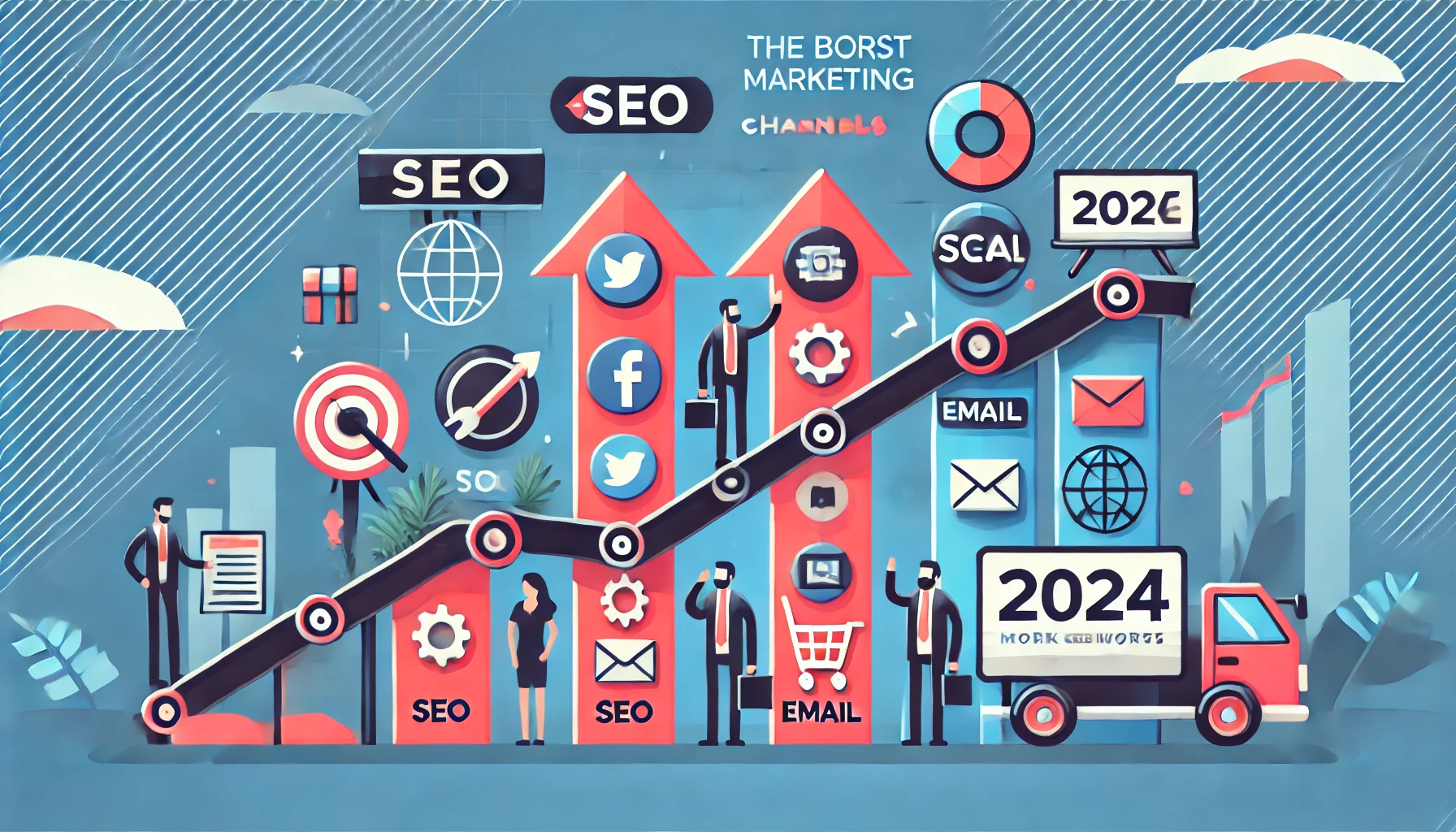
Are you wasting money on the wrong marketing channels? Discover which ones give small businesses the best ROI this year.

As a small business owner, you’ve got to make every dollar count, especially when it comes to marketing. With so many channels to choose from, it can be overwhelming to figure out where your hard-earned money will get the best return on investment (ROI). Some strategies work like magic, while others drain your budget without delivering the results you need.

In 2024, the marketing landscape continues to evolve, and staying ahead means understanding which channels are thriving—and which ones are falling behind. Let’s break down the best (and worst) marketing channels for small businesses this year.


The Best Marketing Channels for Small Businesses in 2024

1. Search Engine Optimization (SEO)

Why It Works: SEO is still one of the most effective long-term strategies for attracting potential customers. Ranking high on Google means getting in front of people actively Top marketing channels for small businesses in 2024searching for what you offer. By optimizing your website for relevant keywords, creating high-quality content, and ensuring a user-friendly experience, you can drive organic traffic without paying for each click.

2024 Tip: Focus on local SEO if you have a brick-and-mortar business. Claim your Google My Business profile, optimize for location-based keywords, and encourage positive reviews from satisfied customers.

For more insights on improving your SEO strategy How SEO Can Boost Your Small Business in 2024.

2. Social Media Advertising (Facebook, Instagram, TikTok)

Why It Works: With billions of active users, social media platforms offer highly targeted advertising opportunities. You can narrow down your audience based on demographics, interests, behaviors, and more. Instagram and TikTok, in particular, have seen a surge in engagement, making them great platforms for brand awareness and lead generation.

2024 Tip: Leverage short-form video content, like Reels and TikToks, to boost engagement and visibility. These formats are gaining more traction and offer a cost-effective way to capture attention.

3. Email Marketing

Why It Works: Email marketing remains a goldmine for small businesses. It’s one of the few channels where you can directly communicate with your audience, build relationships, and drive sales. By segmenting your list and delivering personalized, valuable content, email marketing can deliver some of the highest ROI of any channel.

2024 Tip: Automate your email marketing campaigns to nurture leads and re-engage inactive customers. Triggered emails, like cart abandonment reminders or personalized recommendations, can significantly boost conversions.

4. Pay-Per-Click (PPC) Advertising

Why It Works: PPC, through platforms like Google Ads, allows you to bid on keywords relevant to your business. It’s a fast way to get in front of potential customers. The key benefit is that you only pay when someone clicks on your ad, making it easy to track ROI and optimize your campaigns in real time.

2024 Tip: Use PPC for highly targeted campaigns, especially when testing new markets or promoting seasonal offers. Focus on optimizing ad copy and landing pages for conversions, not just clicks.

5. Content Marketing (Blogs, Videos, Podcasts)

Why It Works: Content marketing builds trust, educates your audience, and improves your SEO. Whether through blog posts, videos, or podcasts, creating valuable content positions your business as an authority in your industry. It’s a powerful way to engage with your audience over time and drive traffic to your website.

2024 Tip: Repurpose your content across multiple platforms. For example, turn a blog post into a video or break down a podcast episode into social media snippets to maximize your content’s reach.

The Worst Marketing Channels for Small Businesses in 2024

1. Print Advertising

Why It’s Failing: While print advertising might still work for some niche industries, its overall effectiveness has been steadily declining. In 2024, digital marketing channels Worst marketing channels for small businesses in 2024offer far more targeting and tracking capabilities, which means better ROI. Print ads are also more expensive and harder to measure in terms of results.

2024 Tip: If you’re set on traditional advertising, consider hybrid options like direct mail with digital tracking (such as QR codes or personalized URLs) to measure engagement.

2. Television Ads

Why It’s Failing: Unless you have a massive budget, television ads aren’t the best use of your marketing dollars. They’re expensive, hard to target, and don’t offer the granular analytics that digital channels provide. In an era where viewers are increasingly cutting the cord and opting for ad-free streaming services, TV ads are losing their influence.

2024 Tip: If video is your focus, try YouTube ads or video marketing on social platforms instead, where targeting is more precise, and budgets are flexible.

3. Billboard Advertising

Why It’s Failing: Like TV and print, billboard advertising can reach a large audience, but it’s a broad approach that doesn’t offer much targeting. With so much focus on digital channels, it’s difficult to measure the direct impact of billboard ads on your business. Additionally, as people spend more time on their phones, they may not even notice billboards anymore.

2024 Tip: If outdoor advertising appeals to your business, consider geofencing ads, which use location data to deliver ads to mobile devices when potential customers are in a specific area.

4. Cold Calling

Why It’s Failing: Cold calling used to be a staple for lead generation, but it’s increasingly seen as intrusive. Most people prefer to research products and services online before engaging with a business. In fact, many people ignore unsolicited calls, and the success rate of cold calling continues to plummet.

2024 Tip: Focus on inbound marketing strategies that encourage potential customers to come to you through valuable content, SEO, and targeted ads, rather than relying on outdated cold calling tactics.

Wrapping It Up

In 2024, the best marketing channels for small businesses are those that offer precise targeting, measurable results, and the ability to adapt to customer behaviors. Digital marketing continues to outperform traditional channels in terms of ROI, especially with the rise of data-driven strategies like SEO, social media advertising, and PPC.

Don’t waste your budget on outdated, ineffective methods. Instead, invest in the channels that are proven to deliver results for your business. With the right approach, you can attract more customers, increase your visibility, and boost your bottom line—all without breaking the bank.

Studies show that small businesses with optimized digital marketing strategies see a higher ROI than those relying on outdated methods (Business News Daily).

Ready to optimize your marketing channels? Let Webociti help you craft a strategy that brings the best ROI in 2024. Contact us today for a free consultation.

Why Most Businesses Fail at Digital Marketing (And How You Can Avoid Their Mistakes)

You’ve poured time, energy, and money into your digital marketing efforts, but the results just aren’t there. Maybe you’re not getting the website traffic you expected, or your social media ads are falling flat. The harsh reality is, most businesses are set up to fail at digital marketing.

But here’s the good news: It’s not your fault—there’s just a right way and a wrong way to approach it. In this post, we’ll dive into the 10 most common digital marketing mistakes businesses make and show you how to avoid these pitfalls so you can create marketing campaigns that drive real results without wasting your budget.

Mistake 1: Not Having a Clear Strategy

The Problem:
Many businesses jump into digital marketing without a well-defined plan. They invest in Facebook ads, pay-per-click campaigns, or social media content without understanding how each tactic fits into the bigger picture.

Why This Leads to Failure:
Without a strategy, marketing becomes disjointed, with no cohesive messaging or focus. Businesses end up throwing money at the wall, hoping something sticks. Unfortunately, this approach rarely delivers ROI.

The Solution:
Start with a clear, data-driven marketing strategy. Define your goals, know your target audience, and decide which marketing channels will reach them most effectively. At Webociti, we always begin by crafting a strategy that aligns with your business goals—because a focused plan is the first step toward success.
Common reasons why businesses fail at digital marketing

Mistake 2: Targeting the Wrong Audience

The Problem:
One of the biggest digital marketing mistakes is failing to identify the right audience. It’s tempting to believe that everyone could be your customer, but in reality, this leads to wasted ad spend and poor results.

Why This Leads to Failure:
Targeting too broadly dilutes your messaging and prevents you from connecting with the people most likely to convert. A general approach doesn’t resonate with anyone in particular.

The Solution:
To avoid this, businesses must create detailed buyer personas. These personas help tailor your messaging, content, and advertising specifically to the people most interested in your product or service. The right message to the right people at the right time is key—and we can help you uncover exactly who those people are.

Mistake 3: Focusing on the Wrong Metrics

The Problem:
Measuring the wrong KPIs (Key Performance Indicators) is a common mistake. Many businesses focus on vanity metrics like followers, likes, or website traffic, assuming these numbers equal success.

Why This Leads to Failure:
While these metrics can be encouraging, they don’t necessarily equate to leads, sales, or ROI. You might have 10,000 followers on Instagram, but if they’re not converting into paying customers, something is wrong.

The Solution:
Focus on metrics that matter: conversion rates, customer acquisition cost (CAC), return on ad spend (ROAS), and lifetime customer value (LCV). These numbers reveal the real impact of your marketing efforts. At Webociti, we monitor these metrics closely to ensure your marketing investment is delivering results that move the needle for your business.

Mistake 4: Ignoring Mobile Users

The Problem:
Despite the fact that over 50% of all internet traffic now comes from mobile devices, many businesses still fail to optimize their websites and digital content for mobile users.

Why This Leads to Failure:
A website that doesn’t load properly on mobile is a massive turnoff for visitors. Mobile users will abandon slow, clunky sites within seconds, leading to a high bounce rate and missed opportunities.

The Solution:
Ensure that your website is fully mobile-optimized. This includes fast load times, responsive design, and easy navigation. Not only will this improve user experience, but it will also improve your rankings on search engines like Google. Webociti can audit your current site and optimize it for mobile so you’re never missing out on valuable traffic.

Mistake 5: Neglecting Content Marketing

The Problem:
Some businesses think that content marketing is optional or secondary to paid advertising. They fail to create valuable, informative content that engages potential customers.

Why This Leads to Failure:
In today’s digital landscape, consumers are savvier than ever. They want to research and engage with brands before they make a purchase. Without high-quality content, you miss the chance to build trust and establish your brand as an authority.

The Solution:
Content marketing isn’t just about having a blog—it’s about delivering value. This could be in the form of blog posts, videos, infographics, podcasts, and more. Webociti helps businesses create a content strategy that provides useful information and engages your audience at every stage of their buyer’s journey.

Mistake 6: Inconsistent Branding Across Platforms

How businesses can avoid mistakes in digital marketing strategies
The Problem:
Consistency in branding is often overlooked, especially when a business is running campaigns across multiple digital platforms (Facebook, Google, Instagram, etc.).

Why This Leads to Failure:
Inconsistent branding confuses potential customers and undermines your brand’s credibility. If your messaging, design, or tone varies across channels, people won’t recognize or trust your brand.

The Solution:
Develop brand guidelines and ensure every campaign, post, and ad reflects the same tone, visuals, and messaging. A consistent brand creates trust and familiarity, which leads to loyalty. At Webociti, we help businesses create unified branding strategies that resonate with their target audience across all platforms.

Mistake 7: Not Utilizing Retargeting

The Problem:
Many businesses invest heavily in driving traffic to their site but fail to capitalize on that traffic through retargeting. They simply let potential customers slip away.

Why This Leads to Failure:
The average website conversion rate is about 2%. That means 98% of people leave your site without taking any action, but they could still be interested. Without retargeting, those potential customers are lost.

The Solution:
Use retargeting ads to reach people who have already visited your site. These ads are a gentle reminder to those who showed interest in your products or services but didn’t convert. Retargeting often leads to much higher conversion rates and lower customer acquisition costs. Webociti can help set up and optimize retargeting campaigns that bring those lost visitors back to your site to convert.

Mistake 8: Underestimating the Importance of SEO

The Problem:
Search Engine Optimization (SEO) can seem overwhelming, so many businesses ignore it or treat it as an afterthought in their digital marketing strategy.

Why This Leads to Failure:
SEO is the foundation of organic traffic. Without a strong SEO strategy, your website won’t rank on Google, and potential customers won’t be able to find you. Ignoring SEO means relying solely on paid ads, which is costly and unsustainable.

The Solution:
Invest in a long-term SEO strategy that includes on-page optimization, backlink building, and keyword research. By ranking higher on search engines, your business will see a steady stream of organic traffic that doesn’t require ongoing ad spend. Webociti specializes in SEO optimization that drives results—putting your website at the top of search engine results pages (SERPs).

Mistake 9: Lack of Consistency in Digital Marketing Efforts

The Problem:
Businesses often fail by starting and stopping their digital marketing efforts. This could be due to budget constraints, a lack of time, or shifting priorities.

Why This Leads to Failure:
Digital marketing requires consistency. Sporadic efforts result in poor brand recall, missed opportunities, and inefficient ad spending. You need to stay active to stay relevant.

The Solution:
Create a sustainable marketing plan that you can stick with long-term. Instead of doing everything at once, focus on the most important channels and be consistent. This steady approach will yield better results over time. At Webociti, we help businesses develop realistic, ongoing digital marketing strategies that drive consistent traffic and growth.

Mistake 10: Failing to Adapt to Changing Trends

The Problem:
Digital marketing is an ever-evolving field. Many businesses make the mistake of sticking to what worked in the past, ignoring emerging trends and technologies.

Why This Leads to Failure:
What worked last year might not work today. Failing to adapt means your strategies become outdated, and you fall behind your competitors who are more agile and innovative.

The Solution:
Stay informed about the latest digital marketing trends, tools, and platforms. Whether it’s a new social media algorithm, Google’s latest SEO update, or AI-driven marketing tools, adaptability is key to staying ahead. Webociti stays on the cutting edge of digital marketing trends, ensuring that our clients are always ahead of the curve.

Conclusion: Avoiding Failure and Finding Success in Digital Marketing

In digital marketing, the path to success is paved with careful planning, adaptability, and a focus on what really works. By understanding and avoiding these common mistakes, you can stop wasting time and money on strategies that don’t deliver and start building a digital marketing plan that drives real results.

At Webociti, we’ve helped countless businesses avoid these pitfalls and build successful digital marketing campaigns that deliver ROI. Want to make sure your business is on the right track? Contact us today for a free consultation and discover how we can transform your digital marketing strategy.

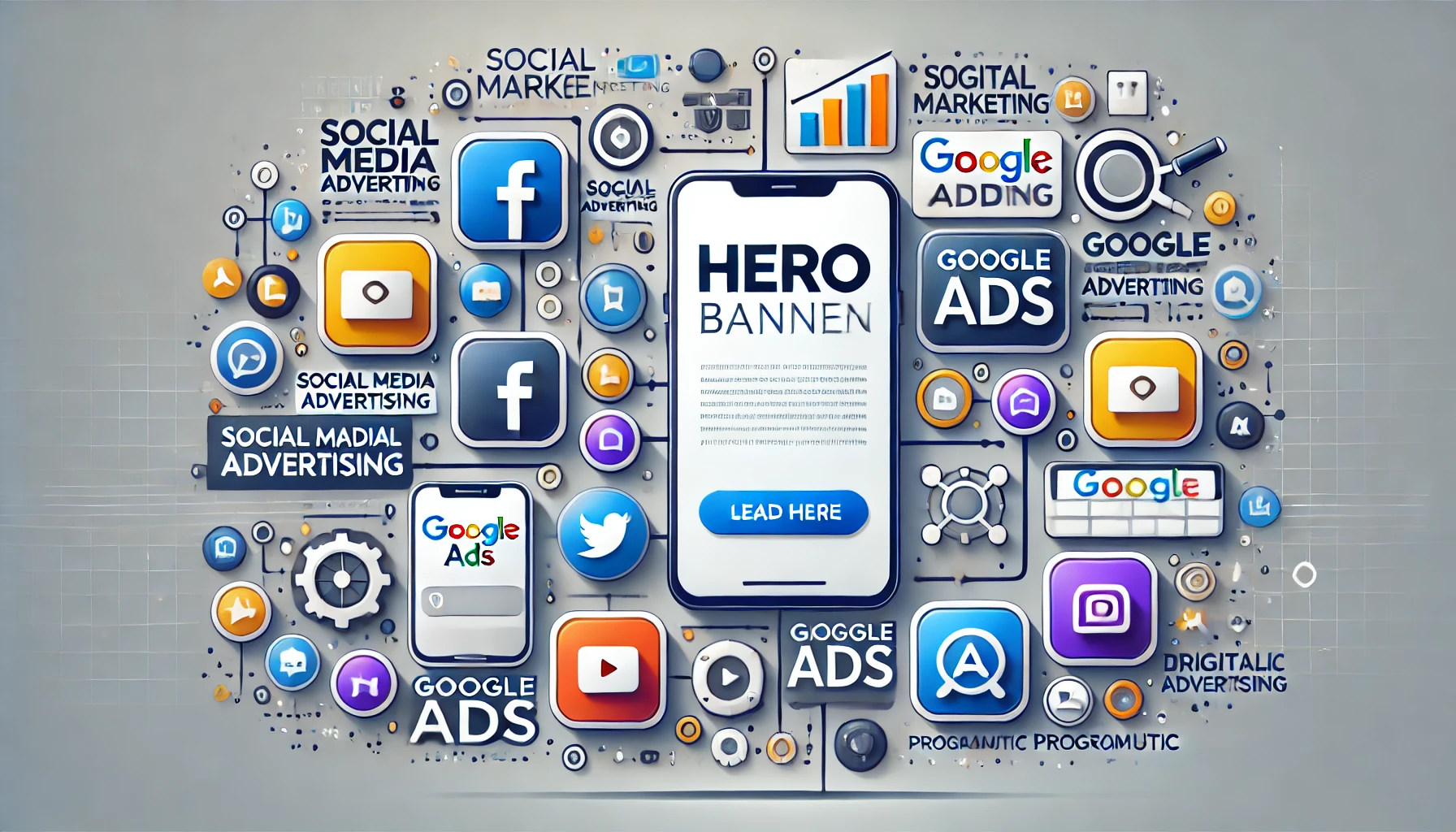
The Ultimate Guide to Social Media Advertising, Google Ads, and Programmatic: Which is Right for Your Business?

Social media ads vs Google
In 2024, businesses are expected to spend over $600 billion on digital advertising, but with so many platforms available, how do you know where to invest for the best returns? Among the most powerful are social media advertising, Google Ads, and the increasingly popular programmatic advertising. Each of these platforms offers unique ways to reach your audience, and understanding how they work is crucial to making an informed decision.

In this post, we’ll explore the strengths and weaknesses of each option, giving you the insight you need to choose the right advertising approach for your business.


Understanding Social Media Advertising

Social media advertising allows businesses to promote their products or services directly within the feeds of popular social platforms such as Facebook, Instagram, LinkedIn, and TikTok. This type of advertising leverages rich user data to target audiences based on their interests, behaviors, and demographics, making it an incredibly effective tool for building brand awareness and engaging potential customers.

But there’s an important distinction to make: successful social media advertising isn’t about how many likes you get, it’s about how many people engage with your posts and ads.

Engagement Over Vanity Metrics

While accumulating likes, followers, and shares might feel gratifying, these “vanity metrics” don’t necessarily translate into tangible business results. Instead, what really matters is engagement—how many people are interacting meaningfully with your content. Engagement metrics, such as comments, shares, click-through rates, and even direct messages, give you deeper insight into how your audience is connecting with your brand.

Why is engagement more important than likes?

  • Higher Engagement = More Reach: Social media algorithms prioritize content that generates high engagement, meaning the more your audience interacts with your posts (through comments, clicks, and shares), the more people will see your content organically.
  • Engagement Drives Conversions: People who take the time to engage with your posts—whether by commenting, clicking on links, or sharing—are more likely to convert into leads or customers. This makes engagement a more actionable metric for determining the success of your campaigns.
  • Better Audience Insights: Engagement shows how well your message resonates with your target audience. By focusing on engagement, you can gain a better understanding of what content drives action and tailor future campaigns for higher performance.

Key Features of Social Media Advertising

Social Media Advertising

  • Visually Driven Content: Social platforms are inherently visual, making them ideal for businesses that can create engaging images or videos.
  • Robust Audience Targeting: Social media platforms collect extensive user data, allowing for highly targeted ads based on location, interests, behaviors, and past interactions with your brand.
  • Multiple Ad Formats: You can choose from a variety of ad formats, including photo ads, video ads, carousel ads, and stories, depending on the platform and your goals.

Pros of Social Media Advertising

  • High Engagement Rates: Social media platforms encourage interaction, meaning well-crafted ads can generate high engagement, which boosts their visibility to a broader audience.
  • Great for Building Brand Awareness: Social media helps increase your brand’s visibility and fosters direct interaction with customers through comments, shares, and other engagements.
  • Affordable: Even businesses with smaller budgets can experiment with social ads and scale their spending as they see results.

Success Story: One Webociti client increased their social media engagement by 35% after shifting their focus from likes to meaningful engagement, resulting in a 20% increase in conversions. This proves that quality interaction far outweighs sheer numbers!

Cons of Social Media Advertising

  • Lower Purchase Intent: Users on social media are often not actively looking to buy, so while engagement may be high, conversions can be lower.
  • Algorithm Dependence: Changes in platform algorithms can affect the visibility and performance of your ads, requiring constant adaptation.

Need help mastering social media advertising? Our team at Webociti can craft a strategy that ensures your business gets real engagement, not just likes. Contact us today!


Understanding Google Ads

Google Ads operates on a pay-per-click (PPC) model, where businesses bid on specific keywords to have their ads appear at the top of search engine results pages. This platform is particularly effective for targeting users with a high purchase intent, as they are actively searching for products or services.

Key Features of Google Ads

Understanding Google Ads

  • Search Intent: Google Ads capitalizes on users who are already searching for solutions, making it easier to capture customers further down the sales funnel.
  • Keyword Targeting: By bidding on relevant keywords, you can ensure your ads reach users interested in your products or services.
  • Multiple Formats: Google Ads supports text ads, shopping ads, display ads, and video ads, providing versatility in reaching your audience.

Pros of Google Ads

  • High Purchase Intent: Since users are actively searching, they are more likely to convert when they see your ad.
  • Precise Keyword Targeting: You can target specific searches, ensuring your ads are relevant to what people are looking for.
  • Immediate Results: Google Ads campaigns can drive traffic and conversions quickly after launch.

Cons of Google Ads

  • Competitive and Costly: Popular keywords can be expensive, especially in competitive industries.
  • Requires Expertise: Running an optimized campaign requires PPC knowledge and can be time-consuming without proper management.

Ready to capture high-intent customers? Webociti’s Google Ads experts can help you create a PPC campaign that drives conversions. Contact us now for a free consultation!


Understanding Programmatic Advertising

Programmatic advertising is the automated buying and selling of ad inventory across a wide variety of platforms and devices. It uses machine learning and AI to purchase ad space in real time, targeting users with high precision across websites, apps, videos, and even smart TVs.

Retargeting with Programmatic Ads

One of the key strengths of programmatic advertising is retargeting—the ability to show ads to users who have already visited your website or engaged with your brand in some way.   Retargeting is an effective way to re-engage users who didn’t convert the first time they interacted with your content, helping to nurture them further down the sales funnel.
Retarageting Ads

How does retargeting work?
Through tracking pixels or cookies, programmatic platforms can display your ads to people who have previously interacted with your website, ensuring your brand stays top of mind as they browse the internet.

Key Features of Programmatic Advertising

  • Real-Time Bidding (RTB): Programmatic ads are placed using automated auctions that happen in milliseconds, ensuring that your ads are shown to the right users at the right time.
  • Cross-Platform Reach: Programmatic ads can appear on websites, apps, video platforms, and even smart TVs, giving you access to a wide range of audiences.
  • Automated Optimization: Machine learning continuously refines your campaign to improve performance over time.

Pros of Programmatic Advertising

  • Efficient and Scalable: Programmatic ads are automated, reducing the need for manual effort and allowing campaigns to scale quickly.
  • Precise Targeting & Retargeting: With access to first-party and third-party data, programmatic allows for highly granular audience targeting, including retargeting users who have previously engaged with your brand.
  • Performance Optimization: AI-powered systems adjust your bids and ad placements in real time to optimize performance and reduce wasted spend.

Cons of Programmatic Advertising

  • Complex Setup: While programmatic is automated, setting it up and managing it effectively requires specialized knowledge.
  • Potential for Ad Fraud: The automated nature of programmatic advertising can expose advertisers to risks such as bot traffic or click fraud, although many platforms offer fraud detection tools.

Want to explore programmatic advertising? Webociti’s experts can help you take advantage of this advanced advertising technique to scale your campaigns efficiently. Get in touch for more information!


Which Advertising Platform is Right for Your Business?

Each platform serves different purposes depending on your business goals, audience, and budget. Here’s a quick guide to help you choose:

1. Brand Awareness

Best option: Social Media Advertising
Social platforms are ideal for building brand awareness and engaging with a broad audience through visually compelling ads.

2. Driving Conversions

Advertising Platform is Right
Best option: Google Ads
If your goal is to capture high-intent users actively searching for products or services, Google Ads can drive immediate sales and conversions.

3. Cross-Platform Reach

Best option: Programmatic Advertising
For businesses looking to scale their advertising efforts across multiple platforms and devices, programmatic advertising offers the efficiency and reach needed to engage diverse audiences.

4. Budget Considerations

Best option: Social Media Advertising (Smaller Budgets) or Google Ads (Performance-Based)
Social media advertising allows for flexible budgets and incremental spending, while Google Ads offers predictable costs through a pay-per-click model.


The Hybrid Approach: Combining Social Media, Google Ads, and Programmatic

For many businesses, a hybrid approach—using all three platforms—yields the best results. Social media advertising can increase brand awareness and engagement, Google Ads can capture high-intent searchers ready to buy, and programmatic advertising ensures you reach your audience across multiple channels with automated precision.


Final Thoughts: Choosing the Right Digital Marketing Strategy

Choosing between social media advertising, Google Ads, and programmatic advertising depends on your business goals, target audience, and budget. Often, a mix of these platforms provides the most comprehensive approach to capturing leads at every stage of the buyer’s journey.

At Webociti, we specialize in creating tailored digital marketing strategies that include the perfect combination of social media, Google Ads, and programmatic advertising. Our team of experts can help you determine which platforms will deliver the best ROI for your business. Contact us today to get started with a free consultation!

The Top 7 Warning Signs Your Website Needs a Makeover

In the fast-paced world of digital marketing, your website serves as the storefront of your business. It’s often the first interaction potential customers have with your brand, and as we all know, first impressions matter. Just like physical stores need renovations to stay modern and appealing, websites also require updates to keep up with changing trends, user expectations, and business growth. A website that’s outdated, slow, or poorly designed can cost you in terms of both user engagement and conversions.

In this blog post, we’ll explore the top 7 warning signs that your website might need a makeover and how a fresh design can significantly impact your user experience and bottom line.

1. Your Website Isn’t Mobile-Friendly

More than half of all web traffic now comes from mobile devices. If your website isn’t mobile-friendly, you’re likely losing a significant portion of potential customers. A website that doesn’t scale properly on mobile screens can frustrate users, leading to higher bounce rates and lower conversions.
SEO

Signs your website isn’t mobile-friendly:

  • Visitors have to pinch or zoom to view content.
  • Buttons or links are hard to click because they are too small.
  • The layout looks skewed or off-balance on mobile devices.
  • Page load times are significantly longer on mobile.

Having a responsive, mobile-optimized website is no longer optional; it’s a necessity. Not only does it improve the user experience, but Google also prioritizes mobile-friendly sites in its search rankings.

If your website isn’t mobile-friendly, you could be missing out on valuable leads. Contact us today to explore how Webociti can help redesign your site for the modern mobile experience and drive more conversions.

2. Your Website Is Slow to Load

Did you know that 40% of visitors will abandon a website if it takes more than 3 seconds to load? In the age of instant gratification, users expect websites to load almost instantaneously. If your website is slow, it’s a sure sign you need a makeover.

Signs your website is too slow:

  • High bounce rates (users leaving your site after visiting only one page).
  • Poor performance scores on website speed tests like Google PageSpeed Insights or GTmetrix.
  • Complaints from users about slow page load times.
  • Noticeable delays in loading images, videos, or interactive elements.

A website that loads quickly improves user experience, boosts engagement, and has a positive impact on your SEO ranking. During a website makeover, optimizing images, compressing files, and updating outdated code can significantly improve load times.

3. Your Website Looks Outdated

Design trends in web development evolve rapidly, and what looked modern five years ago may now appear outdated. An old, cluttered design can make your business look unprofessional and out of touch. A dated website can hurt your brand image and decrease your credibility with visitors.

Signs your website design is outdated:

  • Your site uses outdated design elements like skeuomorphism, Flash animations, or old fonts.
  • It lacks modern web features like parallax scrolling, minimalist design, or clean, intuitive navigation.
  • Your website hasn’t been updated in the last 3-5 years.
  • The design looks cluttered, making it difficult for visitors to navigate.

A website makeover will give your business a fresh, modern look that aligns with current design trends and meets user expectations. Incorporating features like sleek typography, bold visuals, and intuitive navigation can dramatically improve your site’s overall appeal.

4. Your Website Isn’t Generating Leads or Conversions

Your website is a powerful tool for lead generation and sales, but if it’s not delivering, something may be off with the design or user flow. Visitors might find it difficult to navigate, locate the right information, or take action, such as filling out a form or making a purchase.

Signs your website isn’t optimized for conversions:

  • Visitors leave your site without taking any action.
  • Your call-to-action (CTA) buttons are hard to find, unclear, or ineffective.
  • Forms are too complicated or lengthy, leading to high abandonment rates.
  • Analytics show low conversion rates despite high traffic.

A website makeover can focus on streamlining the user journey and optimizing the layout for conversions. Simple adjustments like improving CTAs, shortening forms, and using persuasive design elements can make a significant difference in lead generation and sales.

5. Your Website Is Difficult to Update

In today’s digital landscape, you need to be able to update your website regularly—whether it’s adding new content, updating services, or making design tweaks. If your website relies on outdated technology or content management systems (CMS), making these changes can be a cumbersome and time-consuming process.

Signs your website is difficult to update:

  • You need a developer to make even small changes.
  • Your CMS is outdated and lacks modern features.
  • It takes too long to upload new content, images, or updates.
  • Your team finds it challenging to keep the site current with new information.

A website makeover can include migrating to a modern CMS like WordPress, which makes it easier for you to update content and manage your site without the need for technical expertise. This ensures your site stays relevant and up-to-date.

6. Your SEO Performance Has Plateaued

Search Engine Optimization (SEO) is crucial for driving organic traffic to your site, but if your website isn’t performing well in search results, it might be time for a refresh. Google’s algorithms are continually evolving, and an outdated website can negatively impact your rankings.

Signs your website is underperforming in SEO:

  • Your website’s search rankings have stagnated or dropped.
  • Pages are missing essential SEO elements like meta tags, alt text, or proper headings.
  • You’re not generating organic traffic despite optimizing content.
  • Broken links, outdated URLs, or old content remain on your site.

A website makeover can include updating your on-page SEO, improving your website’s structure, and fixing any technical SEO issues. These updates will help you regain visibility in search engines and drive more organic traffic to your site.

7. Your Website Doesn’t Reflect Your Current Brand or Business Offerings

As your business evolves, so should your website. If you’ve recently rebranded, introduced new services, or shifted your business model, your website must reflect those changes. A mismatch between your current brand and your website can confuse visitors and weaken your brand’s identity.
Mobile

Signs your website no longer aligns with your brand:

  • Your site’s color scheme, messaging, or imagery is inconsistent with your current branding.
  • Your products or services have changed, but your site still reflects old offerings.
  • You’ve rebranded or changed your logo, but your site still uses the old one.
  • Your business has expanded to new markets, but your site doesn’t showcase this growth.

A website makeover allows you to align your online presence with your current business and branding. This ensures that visitors get a cohesive brand experience, which helps build trust and encourages engagement.

8. Your Competitors’ Websites Are Better

Take a moment to check out your competitors’ websites. If they’re sleeker, faster, and more modern than yours, it’s time to take action. A website that doesn’t measure up to industry standards can leave you trailing behind in the digital race.

Signs your competitors’ websites are outperforming yours:

  • They have better SEO rankings.
  • Their sites are more visually appealing and easier to navigate.
  • Their mobile experience is superior.
  • They offer a more seamless user journey, leading to higher conversions.

A website makeover will allow you to stay competitive and meet or exceed industry standards, ensuring that you capture and retain more customers.

Conclusion

Your website is more than just a digital brochure—it’s the cornerstone of your online presence and often the first interaction a potential customer has with your brand. If any of the signs mentioned above resonate with you, it’s time to consider a website makeover.

Investing in a modern, functional, and mobile-friendly website will improve user experience, increase conversions, and ensure your business remains competitive in the digital marketplace.

At Webociti, we specialize in designing websites that not only look great but also deliver measurable results. Contact us today for a consultation, and let us help you transform your website into a powerful tool for business growth.


Unlocking Growth: Content Marketing Strategies for Small Businesses

In this post: Learn 8 actionable content marketing strategies that helped a small business drive real growth—and how you can apply them too.

Want to grow your small business without spending a fortune? These content marketing strategies for small businesses helped one boutique double its customer base—and you can use them too.

That’s exactly what happened to Eliza’s Designs, a small boutique that leveraged targeted content marketing to skyrocket visibility and sales. In today’s digital-driven market, this is not just possible but increasingly common. Content marketing offers a powerful way for small businesses to build brand awareness, drive engagement, and grow efficiently. Let’s explore how you can replicate that success.

1. Define Your Audience and Goals

Before diving into content creation, define who your target audience is and what you want your content to achieve—brand awareness, leads, or engagement. Having clear goals ensures you create purposeful content.

Action Tip: Create buyer personas to detail demographics, interests, and pain points for laser-focused messaging.

2. Leverage the Power of Storytelling

Share stories about your brand’s origin, challenges overcome, and the mission that drives your business. Emotional connection builds stronger loyalty.

Action Tip: Include testimonials and customer case studies to tell authentic stories and provide social proof.

3. Optimize Content for SEO

Make your content discoverable through search engines by targeting the right keywords and structuring your pages well.

Action Tip: Use tools like Google Keyword Planner or SEMrush to identify relevant terms. Optimize titles, headers, and descriptions.

4. Diversify Your Content Formats

Different formats appeal to different segments of your audience. Go beyond blogs by using video, infographics, podcasts, and carousels.

Action Tip: Track engagement trends to see which formats work best—then invest accordingly.

5. Utilize Content Calendars

Planning content in advance helps you stay consistent and relevant. It’s also essential for seasonal and campaign timing.

Action Tip: Use Trello or Google Calendar to schedule themes, channels, and publishing dates.

6. Promote Your Content Across Channels

Content promotion is just as important as creation. Use email, social media, and partnerships to expand your reach.

Action Tip: Repurpose posts into LinkedIn articles, Instagram carousels, or newsletter segments.

7.Analyze and Adapt Your Content Marketing Strategies

Monitor performance regularly to improve results. Data should inform your strategy moving forward.

Action Tip: Review Google Analytics each month—track page views, bounce rate, and conversions.

8. Encourage User-Generated Content

Let your audience be your best advocates. UGC is authentic and adds credibility to your marketing.

Action Tip: Launch campaigns asking for photos, videos, or testimonials you can share.

Conclusion

Eliza’s Designs is just one of many success stories that show how effective content marketing can drive ROI. Strategic storytelling, SEO, and consistency are the backbone of growth in today’s digital economy.

Ready to see results? Schedule a free consultation today and discover how Webociti’s proven content marketing strategies can help grow your business.


📞 Let’s Get Started

Customer-Centric Marketing: How Top Brands Solve Real Problems

Setting the Scene: A Shift in Strategy

Consumers are tuning out product pitches—but they’re leaning in when brands talk about their struggles, dreams, and daily frustrations. That’s why today’s smartest marketers are turning to customer-centric marketing strategies that focus on solving real problems—not just selling features.

Traditional marketing often highlights a product’s features or superiority—but that alone doesn’t cut it anymore. Today’s customers expect brands to understand their needs and provide real solutions. The shift from product-focused to problem-solving marketing isn’t just a trend; it’s a fundamental change in how companies connect with their customers.


Marketing experts discussing strategies on a digital display

Marketing experts discussing strategies on a digital display


Problem-Solving at the Core of Customer-Centric Marketing Strategies

The heart of customer-centric marketing strategies lies in identifying real problems your audience faces—and positioning your product as the solution. This approach builds deeper trust, boosts engagement, and strengthens long-term loyalty.

For instance, instead of promoting a cleaning product based on ingredients, emphasize how it creates a safer home by eliminating 99.9% of germs, offering peace of mind to busy families. The product becomes the solution to a real-life concern—not just a commodity.


Creating Curiosity and Engagement

Curiosity drives engagement. When your marketing sparks curiosity, it turns passive readers into active seekers of information. Storytelling is a powerful tool here. Use scenarios that reflect your audience’s daily lives and position your product as the hero.

For example, when marketing a financial app, tell a story about a couple navigating unexpected expenses and how the app helps them plan for a dream vacation. The emotional payoff makes the product relevant and memorable. This is just one of many ways customer-centric marketing strategies can create powerful engagement moments.


Learning from the Best: Case Studies

Some of the most successful brands today didn’t get there by pushing features—they did it by solving problems their customers care about.

Take Slack, for instance. Instead of advertising itself as just a chat app, Slack focused on solving workplace chaos. Their messaging positioned the tool as a way to simplify communication, reduce email clutter, and streamline teamwork. That real-world benefit helped Slack explode in popularity.

Another great example is Dove. Rather than selling soap, Dove launched its “Real Beauty” campaign to address self-esteem and confidence issues among women—turning the product into a symbol of empowerment. Sales soared, and the brand built deep emotional connections with its audience.

These real-life case studies show how customer-centric marketing strategies can generate emotional impact, loyalty, and measurable business growth. Learn more about this approach from this HubSpot guide to customer-centric marketing.


5 Ways to Apply Customer-Centric Marketing Strategies Today

  • Talk to your customers: Conduct surveys, interviews, or use social listening to uncover the problems they care most about.
  • Mirror their language: Use copy that reflects the way your audience talks about their challenges and desires.
  • Position your product as the guide: Don’t make it the hero. Instead, show how it helps your audience overcome obstacles.
  • Share transformation stories: Showcase real customers and how your product changed their situation for the better.
  • Focus on benefits over features: Shift your messaging from “what it does” to “how it improves life or work.” This is one of the most effective customer-centric marketing strategies you can implement today.


Common Pitfalls to Avoid

Even with the best intentions, brands can fall into traps. Here are a few mistakes to watch out for when applying customer-centric marketing strategies:

  • Talking too much about yourself: If your marketing starts with “we” or “our product,” flip it to focus on the customer instead.
  • Overloading on features: Don’t list features without explaining their value. Tie every feature to a customer problem it solves.
  • Neglecting emotion: Facts tell, but stories sell. Make sure your messaging connects emotionally, not just logically.


Trends in Customer-Centric Marketing Strategies

As digital transformation accelerates, customers expect more personalized, value-driven interactions. Forward-thinking companies are investing in AI-driven personalization, predictive analytics, and omnichannel experiences to stay ahead. According to Gartner, businesses that integrate personalization into their customer-centric marketing strategies see significantly higher engagement and conversion rates.

Another key trend is the rise of interactive content—from quizzes and polls to calculators and assessments. These tools don’t just entertain; they offer valuable insights into customer needs while showcasing how your product or service fits into their journey. Embedding these into your customer-centric marketing strategies can elevate engagement and increase lead quality.


Start Using Customer-Centric Marketing Strategies Today

Want a marketing strategy that speaks directly to your customers’ pain points—and earns their trust? At Webociti, we help businesses like yours turn problems into growth opportunities through proven customer-centric marketing strategies.

📞 Schedule Your Free Consultation or call us at 678-892-7157.

Implementing customer-centric marketing strategies doesn’t happen overnight—but small changes add up. Start by rethinking your email campaigns, website copy, or ad messaging. Focus each piece of content on how your brand improves your customer’s life, not just what you sell. Over time, this shift will reshape how people connect with your business.


Conclusion

In today’s crowded digital space, products alone don’t stand out. Brands that win are those that offer solutions, tell authentic stories, and put the customer first. By embracing customer-centric marketing strategies, you move from pitching products to building meaningful relationships—and that’s where real growth begins.


The Art of Persuasion: Crafting Website Copy That Sells to Businesses and Consumers


Universal Principles of Website Copywriting: Bridging B2B and B2C Marketing

When crafting website copy, many marketers fall into the trap of thinking that B2B and B2C require fundamentally different approaches. It’s true that the audience, the emotional triggers, and the sales cycles differ between business clients and individual consumers. However, the essence of effective copywriting remains consistent across both domains. Understanding this can transform how you communicate on your website, ensuring your message resonates, regardless of your audience.

Understanding Your Audience

The first step in effective copywriting is knowing who you are talking to. This is true for both B2B and B2C markets. B2B buyers are typically committees or groups of professionals looking for efficiency, ROI, and solutions that align with their business objectives. B2C consumers, on the other hand, often make decisions based on personal benefit, emotional engagement, and cost.

Creating detailed buyer personas is crucial in both cases. These personas should outline the audience’s demographics, motivations, pain points, and decision-making processes. This understanding shapes your messaging, influencing everything from the tone and language to the complexity of the information presented.

With a clear understanding of who your audience is, the next critical step is directly addressing their challenges. This understanding allows you to tailor your message to meet their precise needs. Let’s explore how effective website copy can tackle these pain points head-on, offering solutions that resonate with both busy professionals and everyday consumers.

Addressing Pain Points

Effective website copy speaks directly to the reader’s challenges and problems. Whether your audience is a corporate procurement officer or a young parent shopping for baby gear, they have specific pain points that brought them to your website. Your job is to identify and address these issues with empathy and authority.

For B2B, this might involve outlining how your software streamlines project management for remote teams. For B2C, it could mean explaining how your jogging strollers make it easier for parents to stay active. In both instances, the focus is on how your product or service makes the user’s life or work better.

Offering Clear Solutions

Once you’ve identified the pain points, your website copy must clearly and concisely present your products or services as the solution. This goes beyond listing features—it’s about highlighting benefits. Your audience doesn’t just want to know what your product does; they want to understand how it helps them.

In B2B copy, you might detail how your cybersecurity solutions protect a company’s data and reduce downtime, linking this directly to ROI and peace of mind. In B2C, you could focus on the durability of your outdoor gear and how it ensures safety and comfort in extreme conditions. Each feature you discuss should connect back to real benefits that address the identified pain points.

Creating Compelling Calls-to-Action

Your call-to-action (CTA) is pivotal in guiding your visitors toward conversion, be it making a purchase, signing up for a newsletter, or requesting a demo. A strong CTA is clear, compelling, and urgent. It should provide readers with a clear next step, encouraging them to engage further with your brand.

Both B2B and B2C websites benefit from CTAs that are easy to find and act on. For B2B, your CTA might be “Schedule a Free Consultation Today,” which positions a low-risk, high-reward action. For B2C, “Buy Now and Save 20%” creates urgency and taps into the consumer’s desire for a deal.

Building Trust and Credibility

Trust is a critical component of conversion. B2B buyers need to trust that your company can deliver on its promises, especially given the usually higher stakes of their purchases. B2C consumers also need to trust in the quality and reliability of your products, particularly in saturated markets.

Incorporating elements like testimonials, case studies, user reviews, and endorsements can bridge this gap. For B2B, detailed case studies that showcase successful implementations and results can speak volumes. For B2C, user-generated content and reviews can provide social proof that encourages others to buy.

Keeping the Customer as the Hero

In any narrative, the hero is the character whose journey we follow, whose challenges we understand, and whose success we cheer for. In your website copy, the customer is that hero. Your products or services are merely the tools they use to achieve their goals.

This storytelling approach doesn’t just humanize your brand; it aligns your products directly with the aspirations or needs of the customer. For a B2B client, this might mean focusing on how your services will help them grow their business or enhance their reputation. For a B2C customer, it could be about how your product fits into their lifestyle or improves their daily life.

Ready to take your website’s impact to the next level?

Don’t let potential reach and conversions slip through your fingertips. Book a free strategy session with our experts today and start transforming your approach to digital marketing. Together, we can craft a website that not only meets but exceeds your marketing objectives.

Your Brand, Their Story: Why Making Customers the Hero Wins Every Time

Have you ever stopped to think about who really should be the hero of your brand story? Is it your brand itself, or is it the customers whose lives you aim to transform? In today’s marketplace, understanding the answer can revolutionize your marketing strategy.

In the realm of marketing, storytelling is not just a tool; it’s a powerful conduit for connecting with your audience on a deeply personal level. However, a common misstep for many businesses is casting themselves as the hero of the story, rather than the customer. By flipping this script and positioning your customer as the main character, you can transform the effectiveness of your marketing strategy.

Understanding the Hero’s Journey in Marketing

The Hero’s Journey, conceptualized by Joseph Campbell, outlines a universal narrative arc that resonates across cultures and time. This journey isn’t just for epic tales and blockbuster movies; it’s incredibly applicable to marketing. In this framework, the customer is the hero, facing challenges and seeking solutions—your products or services are the tools or allies they encounter on their quest.

Examples of Customer as Hero

Companies like Apple and Nike have masterfully made their customers the heroes. Apple’s marketing often shows how its products enable customers to be more creative, productive, or connected, rather than merely showcasing the technical features of those products. Similarly, Nike positions its products within the narrative of personal achievement and overcoming obstacles, making the customer the athlete-hero in their own sports story.

Benefits of Customer-Centric Storytelling

The benefits of positioning your customers as the main characters in your brand’s story are profound and numerous. Here are a few key advantages:

  • Increased Engagement: When customers see themselves as the main characters in your brand’s story, they connect more deeply with your message, fostering stronger loyalty and more meaningful interactions.
  • Enhanced Loyalty: Recognizing and addressing your customers’ needs and triumphs helps cultivate a lasting relationship, as customers tend to stick with brands that they feel understand and value them.
  • Greater Conversions: A relatable and resonant narrative is far more compelling than a straightforward sales pitch. When customers can see their own aspirations and challenges reflected in your offerings, they are more likely to invest in your products or services.

How to Craft Your Marketing to Make the Customer the Hero

Listen and Understand:

Truly effective marketing begins with listening. Start by engaging directly with your customers through surveys, social media interactions, and direct feedback. Use these insights to understand their unique challenges, desires, and aspirations. This deep understanding forms the foundation of a marketing strategy that genuinely resonates with your audience.

Craft Relatable Messages:

Once you have a clear grasp of your customers’ needs, develop marketing messages that directly address these. Frame your product or service as the supporting character in their story, providing solutions and aiding their journey. This approach helps to create a narrative where the customer sees themselves as the hero, empowered by what you offer.

Leverage Customer Stories:

There’s no better way to demonstrate your product’s impact than showcasing real-life examples. Encourage your customers to share their success stories and highlight how they have overcome challenges using your products or services. These testimonials not only serve as powerful endorsements but also solidify the role of your offerings as essential tools in the customer’s journey.

Highlight the Journey:

Emphasize the transformation customers can expect by using your product or service. Describe the before and after, detailing how your offerings facilitate this change. This not only helps potential customers visualize the benefits but also cements your brand’s role in their success story.

Avoiding Common Pitfalls

While shifting the narrative focus to the customer is a powerful approach, there are common mistakes that can undermine its effectiveness. Being aware of these pitfalls can help ensure your strategy remains authentic and impactful:

Over-Branding the Story

Many brands make the mistake of inserting too much of their own voice and branding into what should be the customer’s story. The result can feel more like a sales pitch than a genuine narrative that centers around the customer’s experiences. For instance, a tech company might focus too much on the specifications and features of a product rather than how it solves real-life problems for users.

Solution: Always frame your content to reflect the customer’s perspective. Instead of focusing on product features, highlight how these features transform the customer’s daily life or business operations.

Ignoring Customer Feedback

Ignoring or not seeking customer feedback is another significant pitfall. This feedback is crucial not only for product development but also for crafting messages that resonate with your audience.

Solution: Regularly engage with your customers through surveys, social media, and direct communication to gather insights about their needs and how they perceive your brand. Use this data to adjust your narratives and strategies.

Lack of Authenticity

Customers are quick to spot inauthentic narratives, which can severely damage trust and brand loyalty. An example of this could be a brand claiming environmental responsibility without substantive actions to back it up, which can lead to accusations of greenwashing.

Solution: Ensure that every story or message shared is backed by genuine actions and experiences. Transparency about your processes and admitting shortcomings can actually strengthen trust.

Exaggerating Benefits

Over-promising and under-delivering can disillusion customers and lead to higher churn rates. A common example is software companies promising seamless integration and user-friendliness without addressing potential challenges users may encounter.

Solution: Maintain realistic expectations in your marketing. It’s better to be honest about potential challenges and discuss how your company supports customers in overcoming them.

Failing to Evolve With Customer Needs

A static story or value proposition can become irrelevant as customer needs and market dynamics evolve. For example, during the COVID-19 pandemic, many brands had to quickly adjust their narratives to stay relevant to the new challenges their customers faced.

Solution: Continuously revisit and revise your customer personas and journey maps. Stay flexible in your marketing to adapt quickly to changing circumstances and customer feedback.

Conclusion: Empower Your Customer, Transform Your Brand

In every story worth telling, there is a hero that rises to meet their challenges. In the story of your brand, shouldn’t that hero be your customer? This shift in perspective from brand-centric to customer-centric storytelling not only enhances the effectiveness of your marketing efforts but also fosters a more heartfelt and enduring connection with your audience.

Reflect on your current marketing strategy: Is it truly customer-centric? Are you allowing your customers to be the heroes, or are they merely extras in the story of your brand? Making this shift might require rethinking how you communicate, how you engage with your audience, and how you view your products or services within the lives of those you serve.

Embracing your customers as the heroes of your narrative is not just about changing your marketing messages; it’s about transforming your entire approach to business. It involves genuine commitment, continual feedback, and an ongoing dialogue with the very people who use your services or products.

Are you ready to rewrite the script and let your customers lead the story? If so, you’re on the path to not just telling better stories but creating a brand that lives and breathes customer success.

Ready to transform your marketing narrative? If you’re looking to make your customers the center of your marketing story and need guidance on how to do it effectively, Webociti is here to help. Our team of experts specializes in crafting marketing strategies that resonate deeply with target audiences, turning your brand story into their success story. Contact us today to learn more about how we can assist you in elevating your brand narrative. Schedule a Strategy Call

Unlocking Success: The Webociti Marketing Makeover Program Revealed

Are you ready to revolutionize your digital marketing but unsure where to start? Ninety percent of businesses fail to effectively leverage digital tools for growth. Don’t be part of that statistic—discover how the Webociti Marketing Makeover Program can transform your strategy and results.

Transform Your Business with the Webociti Marketing Makeover Program

In today’s fast-paced digital landscape, merely blending in is not an option. The Webociti Marketing Makeover Program combines strategic insights, tailored solutions, and proven techniques to propel your business to unprecedented heights. Discover how companies across various industries have dramatically increased their market reach and sales through our program.

What is the Webociti Marketing Makeover Program?

The Webociti Marketing Makeover Program offers a holistic solution, meticulously tailored to meet the specific needs and objectives of your business. From startups carving out a robust online niche to established enterprises amplifying sales and conversions, our approach ensures your marketing goals are not just met but exceeded.


What Makes Webociti Different?

Expertise Born from Experience:

Webociti stands apart due to our unique background in founding, scaling, and selling companies. This entrepreneurial experience is not just theoretical; it’s practical and woven into every strategy we deliver, ensuring you receive guidance that’s actionable and impactful.

Content That Connects:

  • Engaging Narratives: We don’t just tell your story; we tell it compellingly. Our content captures your brand’s essence—its values, mission, and vision—through:
    • Blog posts that resonate and engage.
    • Social media updates that foster community and conversation.
    • Email newsletters that keep your audience informed and interested.
    • Website content that enhances user experience and boosts SEO.

Guided Learning Journey:

In a world teeming with information, our content does more than just inform—it inspires. We guide your prospects through their decision-making process with insightful and actionable content, positioning your brand as the trusted authority. This not only builds lasting relationships but also converts casual browsers into loyal customers.

Ready to Transform Your Marketing?

If you’re ready to elevate your marketing efforts, the Webociti Marketing Makeover Program is ready to launch you to new heights. Embrace excellence—let us help you achieve exceptional outcomes.

Contact us today for a free consultation and discover how our expertise can propel your business forward. Call us at 678-892-7157 or click here to get started.

Conclusion

In today’s competitive digital arena, a robust online presence is essential. With the Webociti Marketing Makeover Program, unlock your business’s full potential and elevate your marketing beyond the ordinary. Invest in your success with Webociti and take the first step towards remarkable business growth.

Take the first step towards success! Contact us now to schedule your consultation.