Marketing Consulting Insights & Strategy

Marketing consulting helps businesses make smarter decisions before investing
time, budget, or resources into execution.

This collection of marketing consulting insights covers strategy development,
planning, positioning, and performance analysis to help business owners and
leadership teams clarify what to do next — and why. The focus is on building
sustainable growth through informed decisions, aligned messaging, and measurable
outcomes.

If you’re looking for clarity before execution or need strategic guidance,
explore the articles below or learn more about our

Marketing Consulting Services
.

Maximize Your Restaurant’s Success with Strategic Online Review Management

Did you know that a staggering 92% of potential customers check online reviews before deciding where to dine? In today’s digital age, your restaurant’s reputation online can be a make-or-break factor for success. Here’s how you can leverage online reviews to boost both revenue and customer engagement effectively.

The High Cost of Ignoring Negative Reviews

Negative reviews, or a complete lack of them, can significantly impact your restaurant’s reputation. A surprising 84% of people trust online reviews as much as a personal recommendation. A single negative comment can deter potential customers, affecting your long-term viability. Conversely, no reviews can create a perception of unreliability or poor quality, discouraging first-time visitors. Encouraging happy customers to share their share positive dining experiences online. online is essential, particularly through engaging them with loyalty programs or incentives immediately after their meal.

The Long-Term Impact of Online Reviews

The internet never forgets, and a negative review can linger indefinitely, influencing potential customers for years. This permanence means it’s crucial to provide exceptional service that compels patrons to leave positive feedback. Most negative reviews stem from poor service rather than subpar food, emphasizing the need for impeccable customer interaction every time.

Diners enjoying a meal with excellent restaurant reviews.

Understanding Key Review Platforms

Not all review platforms are created equal. Google is often the first stop for customers searching for dining options, while Yelp provides detailed reviews and photos. TripAdvisor is particularly influential for tourists, and OpenTable combines reviews with easy reservation management. By claiming and optimizing your profiles on these platforms, you can ensure accurate information and attract the right audience.

Cultivating Positive Online Feedback

As a restaurant owner, your pride in your establishment is evident, and it’s important your patrons feel empowered to express their satisfaction. Encourage them to leave feedback on popular platforms like Google, Yelp, or Facebook as soon as their dining experience concludes. Regularly monitoring these reviews not only helps you gauge customer satisfaction but also provides critical insights into areas needing improvement. Responding promptly to all reviews, especially negative ones, demonstrates your commitment to customer satisfaction and can often convert a dissatisfied customer into a loyal patron.

Crafting Effective Review Responses

Responding to reviews is both an art and a science. For positive reviews, a simple “Thank you” can go a long way, but adding a personal touch—such as referencing the specific dish they loved—can make your response more memorable. For negative reviews:

  • Acknowledge the issue: “Thank you for bringing this to our attention.”
  • Apologize sincerely: “We’re sorry your experience didn’t meet expectations.”
  • Offer to resolve: “Please contact us at [contact information] so we can make this right.”

By showing empathy and a willingness to improve, you can turn a potential PR nightmare into a demonstration of excellent customer service.

Leveraging Positive Reviews for Marketing

Great reviews are not just for your restaurant’s profile—they’re powerful marketing tools! Feature them on your website, social media posts, and even in digital or print ads. For instance:

  • Use snippets of glowing reviews in Instagram Stories.
  • Create a “Customer Spotlight” series on Facebook featuring loyal patrons.
  • Highlight top reviews on your menu or table tents.

Authentic testimonials build trust and encourage new customers to visit your restaurant.

Using Analytics for Smarter Review Management

Tools like Google My Business Insights and third-party review management platforms can help you identify patterns in customer feedback. Are complaints frequently about wait times or specific menu items? Use these insights to adjust staffing levels or refine your offerings. Consistently improving based on real data will strengthen your reputation and keep customers coming back.

Boosting Visitor Frequency Through Proactive Review Management

At Webociti, we specialize in helping restaurants like yours thrive in the digital space through targeted search engine optimization, social media strategies, and comprehensive advertising solutions. Our Audience Activator program allows you to track customer visits and analyze data to distinguish between new and returning patrons, significantly boosting your engagement and profitability. Take advantage of our integrated mobile loyalty program and other innovative services offered at competitive rates.

Case Study: From One-Star to Five-Star Success

When a local pizzeria received multiple complaints about slow service, the owner took action. By hiring additional staff during peak hours and responding to reviews with personalized messages, they improved their rating from 3.2 to 4.7 stars within six months. This turnaround led to a 30% increase in foot traffic and glowing customer feedback, proving the power of online review management.

Ready to Elevate Your Restaurant’s Online Reputation?

Here’s how we can help:

  • Improve your search engine visibility with optimized profiles.
  • Respond to reviews professionally with our expert guidance.
  • Engage customers with our innovative mobile loyalty program.
  • Use data insights to drive customer retention and boost revenue.

Contact us today at (678) 892-7157 or via email at info@webociti.com.

Schedule Your Complimentary Consultation

Measuring the Results of Your SEO Campaign

In today’s digital marketing landscape, understanding the effectiveness of your SEO efforts is crucial. However, not everyone is clear on how to track and interpret the results. Whether you’re using sophisticated tools or basic analytics, it’s essential to know how your strategies translate into real-world performance. This guide will walk you through the key performance indicators (KPIs) you should monitor and the tools that can help you measure the long-term success of your SEO campaigns.

Setting Your SEO Measurement Goals

To accurately gauge your campaign’s effectiveness, start by establishing a clear baseline for your KPIs. What aspects of your digital presence are you monitoring? Typical metrics include:

  • Traffic: The volume of visitors to your site.
  • Conversions: How many of these visits convert into actionable results such as sales, sign-ups, or other desired actions.
  • Leads: The number of potential customers interested in your services.
  • Revenue: The direct earnings from SEO-driven traffic.
  • Customer Lifetime Value: The projected revenue a customer will generate during their relationship with your company.

Ensure these metrics are part of a well-documented internet marketing plan that outlines the steps to achieve your business goals.

Choosing the Right Tools

While many enterprises invest in comprehensive marketing software that offers built-in analytics, not every business can afford such tools. Small businesses and startups, for instance, might rely on simpler, cost-effective methods. Essential tools and platforms include:

  • Google Analytics: Provides robust data on traffic, keyword positions, and conversions.
  • Google Search Console: Helps monitor site performance in Google search results, providing insights into site traffic and keyword effectiveness.
  • Moz Keyword Explorer: Offers detailed keyword analysis and SERP (search engine results page) analytics.

The Three Crucial SEO KPIs

Focus on these three fundamental KPIs to understand how well your SEO strategies are performing:

  • Keyword Position: This tracks the ranking of your keywords in search results. High rankings are often correlated with increased traffic.
  • Site Traffic: Measures the number of visitors to your site. Increasing traffic is a primary goal of SEO.
  • Conversions and Bounce Rates: Conversions indicate successful engagement, while bounce rates can tell you if visitors do not find what they expect or if the site fails to keep them engaged.

Leveraging Free and Paid Tools

Here are some additional tools to consider:

  • Quantcast: Offers audience insights for better targeting.
  • Opentracker: Provides real-time tracking of visitors and their actions on your site.
  • Kissmetrics: Focuses on analytics that can help improve conversion rates and reduce bounce rates.

Managing Your SEO Efforts

While keeping up with SEO can be demanding, it’s vital for maintaining competitive in digital spaces. If managing your campaign in-house becomes too burdensome, consider partnering with a professional agency like Webociti. We offer comprehensive SEO services that include detailed analytics and strategic guidance to ensure your marketing efforts achieve optimal results.

Conclusion

Effectively measuring your SEO campaign’s results empowers you to make informed decisions that can significantly improve your online presence. By setting clear goals, utilizing the right tools, and focusing on key metrics, you can ensure that your SEO efforts lead to tangible improvements in traffic, engagement, and revenue.

Are you ready to optimize your SEO strategy for better results? Don’t let the complexities of SEO metrics deter you from achieving your marketing goals. Contact Webociti today at 678-892-7157 for expert advice and tailored solutions that drive success. Let us help you simplify the analytics process and provide you with clear, actionable insights that can transform your business. Start enhancing your SEO strategy now by scheduling a consultation to discuss your specific needs and how we can support your growth.

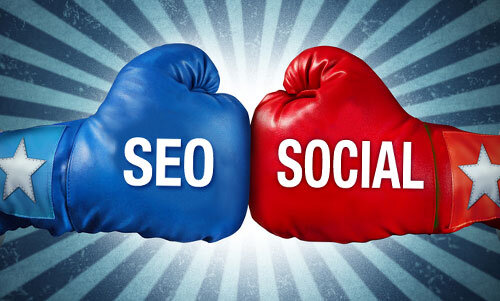
Social Media Marketing vs. Search Engine Marketing: Which is Right for Your Business?

In the rapidly evolving landscape of digital marketing, businesses often weigh the benefits of Social Media Marketing (SMM) against Search Engine Marketing (SEM). While both strategies are essential, understanding their unique advantages can help you tailor your marketing efforts more effectively. This blog post delves into the strengths of each approach to guide your decision-making process.

Social Vs Search

The Synergy of Content and SEO

Gone are the days when marketers had to choose between content quality and SEO optimization. Today, it is widely accepted that robust content and effective SEO are not rivals but collaborative partners in driving online marketing success.

Social Media Marketing: Connecting Through Community

Advantages of Social Media Marketing

Recent studies, including one by Econsultancy, suggest that a significant percentage of younger consumers (ages 18-26) rely on social media recommendations before making a purchase. The immediate visibility that social media provides when someone likes, shares, or tweets about your page can expose your business to a broader audience instantly. Moreover, many users within the same network often share similar interests, multiplying your reach with just one click.

Another significant advantage of SMM is real-time reputation management. In an era where consumer feedback can make or break your business, having the ability to quickly respond to criticism on social media is invaluable. Platforms like Facebook and LinkedIn also offer paid advertising options that allow you to target specific demographics, much like traditional SEM.

Search Engine Marketing: Discoverability and Intent

Advantages of Search Engine Marketing

Search engines remain the go-to resource for information seeking, with reports indicating that over 60% of consumers use search engines to research products or services before making a purchase. Effective SEM ensures that your business ranks well in search results, making it easier for potential customers to find you.

It’s crucial to stay updated with search engine algorithms, such as Google’s mobile-first indexing, to maintain a strong SEM presence. Tools like Google AdWords and Keyword Planner are indispensable for identifying relevant keywords and managing your ad spend efficiently.

Integrating SMM and SEM

While breaking into the first page of search results can be challenging, combining SEM with strategic keyword research can significantly enhance your visibility. Paid search campaigns offer a viable method to achieve immediate visibility and complement your long-term organic strategies.

Both Social Media Marketing and Search Engine Marketing offer distinct benefits and can be powerful tools in your digital marketing arsenal. Depending on your business goals, target audience, and marketing budget, you may find one more suitable than the other, or you may discover that a combination of both strategies is the best approach.

Get Started

Unsure about which strategy fits your business best? Contact Webociti today at 678-892-7157 for a personalized consultation. Let our experts help you navigate the complexities of SMM and SEM to maximize your digital marketing success.

#SocialMediaMarketing #SearchEngineMarketing #DigitalMarketing #SEO #SEM


Strategies for Digital Marketing Success

In today’s hyper-connected world, the art of storytelling has evolved into a crucial component of digital marketing. A compelling brand story doesn’t just share information about what a business does—it weaves emotions, values, and experiences into a narrative that resonates deeply with its audience. At Webociti, we excel in crafting custom content strategies that transform brand presence by creating narratives that captivate and engage. This post delves into the essentials of creating compelling brand stories in the digital age, highlighting success stories and offering practical tips to inspire your storytelling journey.

The Importance of Brand Storytelling

Brand storytelling transcends traditional advertising by forging a connection that encompasses more than products or services—it encapsulates the experience, values, and journey of a brand. In a digital landscape flooded with content, a well-crafted brand story stands out, fostering emotional bonds that enhance brand recognition, loyalty, and conversion.

Elements of a Great Brand Story

    • Authenticity: True stories resonate because they reflect genuine values and experiences. Your narrative should authentically represent your brand’s ethos, fostering trust and credibility.
    • Emotion: Connecting emotionally engages the audience on a deeper level. Whether through joy, sadness, hope, or humor, emotional storytelling makes your brand unforgettable.
    • Simplicity: Focus on conveying your core message without overwhelming your audience with excess details.
    • Relatability: Ensure your story is relatable, showing how your brand fits into the lives of your audience and why it matters to them.
    • Consistency: Maintain the essence of your story across all digital platforms, from your website to social media and email marketing, to reinforce your brand identity.

    Crafting Your Brand Story: A Step-by-Step Guide

    Understand Your Audience

    Use data analytics and customer feedback to grasp your audience’s preferences, challenges, and aspirations. This ensures your story speaks directly to their needs.

    Define Your Brand’s Core Message

    Identify the heart of your brand, be it innovation, sustainability, community, or customer service. This core message is the foundation of your narrative.

    Narrate Your Journey

    Share your brand’s history, challenges, and triumphs to showcase resilience and commitment.

    Highlight Customer Success Stories

    Use testimonials and case studies to show how your brand has positively impacted customers, adding depth and credibility to your narrative.

    Use Visuals and Multimedia

    Enhance your story with images, videos, and infographics for a dynamic presentation across platforms.

    Success Stories

    Eco-Friendly Fashion Brand

    Brand

    Struggling to convey its sustainability commitment, this brand revamped its narrative with our help. Founder interviews and customer testimonials emphasized their eco-friendly practices, leading to a 40% increase in online engagement and a 30% rise in sales in six months.

    Tech Startup

    This startup lacked a compelling presentation for its innovative product. We crafted a story starting with the founder’s vision and used customer success stories and demo videos to demonstrate how the product transformed daily tasks. The result was a 50% increase in lead generation and enhanced brand loyalty.

    Tips for Effective Brand Storytelling

    • Keep Evolving: Update your narrative as your business and market change to keep it fresh and relevant.
    • Engage with Your Audience:Use digital platforms to involve your audience in your story, soliciting their feedback and stories for a more interactive experience..
    • Measure and Adjust: Track your brand story’s performance with analytics to refine your approach based on engagement and conversion rates.
    • Train Your Team: Ensure consistency in how your brand story is communicated across all company touchpoints.
    • Invest in Quality Content: High-quality writing, visuals, and videos significantly influence how your story is perceived.

    Conclusion

    In the digital age, a compelling brand story is a strategic asset that sets your business apart. By following these guidelines and learning from success stories, you can craft a brand narrative that not only tells but also sells. Ready to transform your brand’s story? Contact Webociti at 678-892-7157 for a free consultation, and let’s start crafting your success story today.

    Take Action: Elevate Your Brand Story with Webociti

    Ready to transform your brand’s narrative into a compelling story that resonates with your audience? Contact Webociti today for a free consultation to discover how our expert team can help you craft a brand story that captivates and converts. Don’t wait to make your brand unforgettable—begin your storytelling journey with us now. Call us at 678-892-7157 or click here to learn more.

Choosing the Right Social Media Platforms

While platforms like Facebook, Twitter, and LinkedIn are free to join, the true costs of social media marketing are often less apparent. Creating and maintaining engaging content can be both time-consuming and costly.

There was a time, about 3 to 5 years ago, often referred to as the “Golden Days” of social media marketing, when businesses could promote themselves more freely. Nowadays, with platforms pushing for paid advertising, marketers might find themselves nostalgic for those days.

Social Media Is Free, But Social Media Marketing Is Not

It’s a common misconception that social media marketing is free. Although signing up and creating a company or brand page on platforms like Facebook or LinkedIn doesn’t cost anything, the real expense has always been hidden in the ‘cost’ of time spent managing these platforms.

The Realities of Social Media Marketing

As the owner of Webociti, an internet marketing firm, I understand that effective social media marketing requires:

  • Eye-Catching Headlines: To grab attention and make people want to read more.
  • Relevant Content: To ensure the audience receives value from your posts.
  • Optimization: To reach the widest possible audience.
  • Engagement: Through comments and interactions.
  • Shareable Links: To encourage propagation of your content.

The labor involved in maintaining fresh and relevant social media content can be substantial. Unlike blogs that might adhere to a more relaxed posting schedule, social media demands frequent, sometimes even daily updates, especially if promoting time-sensitive specials or events.

Social Media Marketing is not Free

Tools to Streamline Social Media Marketing

To manage the demands of frequent posts, several tools can help:

  • WordPress: The leading CMS that powers over 74 million websites, offering extensive features for content management.
  • Google Keyword Planner: Helps by generating up to 800 search terms related to a primary keyword, which can optimize your content for better search engine visibility.
  • Long Tail Pro: Offers similar functionality to Google Keyword Planner but includes more detailed filtering options to target keywords more effectively. While it’s a paid service, it offers a free 10-day trial.

The Necessity of Mobile Optimization

With up to 75% of consumers accessing social media on mobile devices, optimizing for mobile is crucial. Consumers expect fast-loading pages, easy navigation, and seamless checkout processes. Failing to provide these can drive potential customers away.

If you haven’t optimized your social media content for mobile, or if you’re unsure how it appears on devices like smartphones, it may be time to consider professional help. Webociti specializes in optimizing social media marketing strategies for mobile engagement.

Need Help?

To see how your strategy holds up in the mobile-first world, or to improve your social media marketing efforts, contact Webociti at 678-892-7157. Let us help you make the most of your digital marketing by ensuring your social media presence is as dynamic and effective as possible.

Leveraging Social Media and SEO to Boost Your Business Visibility

Understanding the synergy between content marketing, social media marketing (SMM), and search engine optimization (SEO) is crucial for any business looking to enhance its online presence. These interconnected strategies are essential in delivering relevant content to your audience and boosting your business’s visibility.

Understanding Search Engine Optimization

Search engine optimization (SEO) ensures that your website and blog appear on search engine results pages (SERPs) when users search for keywords relevant to your business. By integrating SEO practices into your content, you make it easier for potential customers to find you online, enhancing your site’s visibility and traffic.

Tips for Social Media and SEO Integration


Tip 1 – Choosing Social Media Platforms

Select social media platforms that best fit your business needs and where your target audience spends their time. For B2C companies, platforms like Facebook and Instagram are invaluable, while B2B businesses might find LinkedIn and Twitter more effective. Understanding the demographic and behavioral patterns on each platform can help you tailor your social media activities.

Tip 2 – Optimizing Social Media Profiles

WMake your social media profiles as detailed as possible. Complete all sections, especially the ‘Information’ or ‘About’ areas, using keywords that align with your business. This not only helps in SEO but also provides clear information about your business to visitors.

Tip 3 – Making Content Shareable

Ensure that all your content is easy to share. Include sharing buttons on your website and blog posts. Remember, the easier it is for your content to be shared, the more likely it is that it will be. This enhances your visibility and improves your SEO as search engines often recognize shared content as valuable.

Tip 4 – Generating Brand Recognition

Use social media to enhance brand recognition through interactive content such as contests, live videos, and customer testimonials. These activities encourage engagement and sharing, helping to broaden your reach and solidify your brand presence online.

Tip 5 – Using Posting Services

Consider using services like Buffer to manage your posts across multiple platforms. These tools save time and ensure consistency in your posting schedule, which is vital for keeping your audience engaged. However, assess which tool fits best with your strategy, as each offers different features and pricing plans.

As you harness the power of social media marketing to build your brand and attract new business, partnering with a professional team like Webociti can ensure your strategy is both effective and sustainable. We offer expert guidance and management of your social media and SEO strategies, tailored to meet your business’s unique needs. Contact Webociti today at 678-892-7157 to discover how our expertise can transform your online marketing efforts into a formidable tool for business growth.

By implementing these tips and continually refining your approach based on performance analytics, you can significantly enhance your digital marketing efficacy. Remember, in the dynamic world of digital marketing, flexibility and adaptability are key to staying ahead.

Call us at 678-892-7157 to learn more about Social Media and SEO.

#SocialMediaMarketing #SEO #DigitalMarketing #ContentMarketing #BrandAwareness #OnlineVisibility #BusinessGrowth #MarketingTips #SocialMediaTips #SEOStrategy

How Webociti’s Custom Content Strategies Drive Business Growth

In today’s fast-paced digital marketplace, personalization isn’t just a buzzword—it’s a crucial strategy for businesses aiming to stand out and connect meaningfully with their audience. At Webociti, we specialize in crafting custom content strategies that not only engage but also convert, by tailoring our approach to meet the unique needs and desires of each client’s target audience. This blog post explores the transformative impact of personalized content strategies on business growth, highlighting success stories from our past campaigns.

Understanding Personalization in Content Marketing

Before diving into specific examples, it’s essential to understand what personalization in content marketing entails. Personalization means more than just inserting a customer’s name in an email. It involves understanding the customer’s journey, their pain points, preferences, and behaviors, and creating content that speaks directly to their situation. This tailored approach ensures that each interaction feels relevant and timely, increasing engagement and fostering a deeper connection.

The Role of Data in Personalization

The first step in personalizing content is data collection and analysis. At Webociti, we leverage advanced analytics to gather insights about your target demographics, such as age, location, past purchasing behavior, and engagement history. This data forms the backbone of our strategy, allowing us to create highly targeted content that resonates with the audience.

Case Study: Increasing Engagement for a Retail Brand

One of our clients, a mid-sized retail brand, struggled with low engagement rates on their social media platforms. After conducting an in-depth analysis of their audience, we discovered significant segments of their market were interested in eco-friendly products, a fact the brand hadn’t capitalized on.
We revamped their content strategy to focus on sustainability in the fashion industry, incorporating blogs and social media posts that highlighted their commitment to eco-friendly practices. The result was a 50% increase in social media engagement and a 30% uptick in website traffic within three months.

Segmenting the Audience for Greater Impact

Effective personalization also involves segmenting the audience into smaller, more specific groups. This allows for even more tailored content that can address the nuances of different audience segments.

Case Study: Boosting Conversions for a Tech Company

A tech company approached us with the challenge of selling their software to both small businesses and large enterprises. These two segments have very different needs and concerns. For small businesses, the cost and ease of implementation were crucial, whereas large enterprises were more focused on scalability and security.
We created two distinct content streams: one highlighting the cost-effectiveness and user-friendliness of the software for small businesses, and another emphasizing robust security features and scalability for large enterprises. By doing so, we managed to increase the conversion rates by 40% for small businesses and 35% for enterprises.

Content Personalization Across Multiple Channels

Personalization extends across all digital marketing channels, from email to social media, to ensure a cohesive and personalized user experience.<Digital Marketing Personalization

Case Study: Personalized Email Campaigns for an Online Educator

An online education platform wanted to increase course enrollments. We analyzed their user data to create personalized email campaigns that recommended courses based on the user’s browsing history and past enrollments.

Each email was crafted to speak directly to the user’s learning preferences and professional goals. This strategy led to a 25% increase in enrollment rates and a significant improvement in user satisfaction, as reflected in their feedback.

The Continuous Evolution of Personalization Strategies

Personalization is not a set-it-and-forget-it strategy. It requires ongoing testing, learning, and adjusting. We continuously analyze the performance of all personalized content to refine and optimize the approach.

Case Study: Evolving Strategies for a Health and Wellness Brand

A health and wellness brand initially saw great success with personalized blog content tailored to different fitness levels. However, as the market evolved, so did the interests and needs of their audience. We conducted regular audits of their content performance and used this data to pivot their strategy towards more holistic health topics, including mental wellness and nutrition.

This shift not only maintained their existing audience base but also attracted new users, increasing overall engagement by 45% and subscriber growth by 60%.

Transform Your Marketing Strategy Today

Ready to unlock the full potential of your marketing efforts? Contact Webociti today 678-892-7157 to schedule your free consultation. Enhance your strategy with our personalized approach tailored specifically to your business needs. Plus, sign up now and receive an exclusive guide on maximizing your content’s impact through personalization. Don’t wait—start crafting your success story with us today and propel your business to new heights.

Mastering Content Creation with StoryBrand: A 7-Step Guide

In today’s competitive digital landscape, capturing the attention of your target audience and driving meaningful engagement is essential. At Webociti, we harness the power of compelling storytelling through the StoryBrand framework to elevate brands and boost conversions. These seven steps will guide you in creating resonant content that motivates your audience to act.

Step 1- Identify Your Target Audience

Understanding who you’re communicating with is the first step in effective content creation. Clearly define your target audience and immerse yourself in their needs, desires, and challenges. This deep understanding allows you to craft messages that resonate personally.

Step 2: Craft a Compelling Brand Story

Every standout brand has a compelling story. Utilize the StoryBrand framework to weave a clear, engaging narrative that showcases your brand’s mission, values, and unique selling points. You should connect emotionally, drawing your audience closer to your brand.

Step 3: Define Clear Objectives

Set specific objectives before crafting your content. Are you aiming to generate leads, increase web traffic, or boost brand awareness? Defining these goals ensures that your content aligns with your broader marketing strategies and achieves desired outcomes.

Step 4: Develop a Content Strategy

An organized content strategy is vital. Plan the types of content you will create, choose platforms for distribution, and schedule your postings. This structured approach keeps your efforts consistent and effective.

Step 5: Create Engaging and Relevant Content

Now, produce content that engages and adds value. Storytelling should be at the heart of your content, making it relatable and impactful. Tailor every piece—whether blog posts, videos, social media updates, or podcasts—to meet your audience’s interests and needs.

Step 6: Optimize for Search Engines

Enhance your content’s reach by optimizing for search engines. Perform keyword research and integrate these keywords thoughtfully into your content. Also, optimize your meta tags, headers, and URLs to boost your online visibility and attract organic traffic.

Step 7: Measure and Refine

After publishing your content, it’s crucial to evaluate its performance. Monitor metrics like traffic, engagement, conversions, and social interactions. Analyze this data to refine your strategy, improve your content, and achieve better results continually.

Take Action

Implement these seven steps to leverage the StoryBrand framework effectively, enhancing your brand’s online presence, engaging your audience, and increasing conversions. At Webociti, we’re ready to help you craft compelling content that achieves significant impact. Contact us today to discover how our content marketing services can transform your digital strategy.

In the fast-paced digital world, a brand’s identity can sometimes need a facelift to stay relevant and resonate with its evolving audience and market trends. Digital rebranding is more than just updating a logo or tagline; it involves a strategic overhaul of your brand’s digital presence to better align with your company’s values, goals, and the expectations of your audience. This blog post will guide you through the digital rebranding process, offering insights on how to ensure a smooth transition without alienating your existing customer base.

Understanding the Need for Rebranding

Before diving into a digital rebrand, it’s crucial to understand why you’re doing it. Rebranding might be necessary due to a significant change in your business model, target audience, or industry context, or it could be to overcome a tarnished reputation or outdated image. A successful rebrand clarifies your brand’s position and value proposition, not just to your audience but within the marketplace.

Step 1: Research and Set Clear Objectives

Start with thorough research to pinpoint exactly what needs to change and why. Analyze your current brand’s strengths and weaknesses, gather feedback from stakeholders and customers, and study competitors. This research will inform your rebranding objectives, whether it’s to reposition your brand, reach a new demographic, or refine your brand’s message and aesthetics.

Step 2: Redefine Your Brand Identity

Your brand identity includes visual elements (logo, color scheme, typography), tone of voice, and overall messaging. This step transforms the strategic vision into tangible elements that will represent your brand. Consider what aspects of your current identity are worth keeping to maintain some level of continuity. Ensure that the new brand identity is versatile and scalable, fitting all digital platforms and resonating with the global market if necessary.

Step 3: Revamp Your Digital Assets

This involves updating all digital touchpoints with your new brand identity:

  • Website: Redesign your website to reflect the new branding with updated graphics, fonts, and colors, ensuring that the site’s Digital Rebranding Strategystructure and navigation reflect the brand’s new strategy.
  • Social Media: Update all your social media profiles consistently with new logos, banners, and bios. Start posting content that reflects the new brand voice and aesthetic.
  • Email Marketing: Adjust the templates of your newsletters and email communications to align with the new branding.
  • Digital Advertisements: Ensure any ongoing or planned advertising campaigns are updated to reflect the new branding elements and messages.

Step 4: Implement SEO Considerations

Rebranding can affect your SEO, so plan carefully to retain your search engine rankings:

  • Update your website’s SEO settings with the new brand name and keywords.
  • Redirect old URLs to new ones to maintain link equity and user access.
  • Update your business name and any references to your brand across all content and meta-descriptions to reflect your new identity.

Step 5: Launch Your Rebrand Internally

Before going public, make sure everyone within your organization understands the new brand identity and the reasons behind the rebrand. This internal alignment is crucial for delivering a consistent message externally. Provide training if necessary to ensure all teams can effectively communicate the brand’s new message and values.

Step 6: Plan an Effective Rollout Strategy

The launch of your rebranded digital presence should be strategic:

  • Announce the Change: Use your digital platforms to communicate the rebrand to your audience. Explain the reasons and benefits of the rebrand.
  • Celebrate the Launch: Consider launching a campaign that showcases the new branding with special promotions or an event.
  • Monitor Feedback: Pay close attention to how the rebrand is received and be ready to respond to feedback and questions promptly.

Step 7: Evaluate and Adapt

Post-launch, monitor the rebrand’s impact on your audience engagement, website traffic, and conversion rates. Be prepared to make adjustments based on this feedback to fine-tune your digital presence. This continuous evaluation will help ensure that the rebrand effectively supports your business goals.

Digital rebranding is a significant undertaking that requires careful planning and execution. By following these steps, businesses can ensure a successful transition to a fresh brand identity that captures the essence of their evolving strategy while maintaining a connection with their established audience.

Let’s Get Started

Are you considering a digital rebrand? Webociti can help guide you through each step of this process. Contact us today at 678-892-7157, or visit our website at www.webociti.com to learn how our digital marketing experts can assist you in transforming your brand identity and strategy for lasting success.

In today’s digital era, the average consumer is bombarded with an unprecedented volume of content every day. From social media feeds to email inboxes, the competition for attention has never been fiercer. In this landscape of information overload, mastering content marketing strategies is more critical than ever for businesses aiming to stand out, engage audiences, and drive conversions. This blog post explores effective strategies for creating standout content that not only captures attention but also holds it, turning casual browsers into loyal customers.

Understanding Information Overload

The first step in overcoming information overload is understanding it. Every day, consumers face a deluge of articles, videos, ads, and social media posts. This constant barrage can lead to decision fatigue, making it harder for your content to stand out. The key challenge for marketers, then, is to cut through this noise with content that is not just seen but remembered and acted upon.

Strategy 1: Create Value-Driven Content

The cornerstone of any successful content marketing strategy is value. Your content must offer something genuinely useful or interesting to your target audience. This could be in the form of solving a problem, answering a question, or providing unique insights. Content that provides value is more likely to be engaged with and shared, increasing its reach and impact.

Strategy 2: Embrace Storytelling

Humans are wired for stories. They’re how we make sense of the world and connect with others. Incorporating storytelling into your content marketing can make your brand more relatable and memorable. Stories can be used to illustrate key points, share customer testimonials, or convey your brand’s values and mission. When done well, storytelling not only engages but also emotionally invests your audience in your brand.

Strategy 3: Leverage Visual Content

In an era of short attention spans, visual content is key to capturing and maintaining interest. Images, infographics, videos, and animations can convey complex information more efficiently than text alone. They’re also more shareable and can significantly increase engagement rates. Investing in high-quality visual content can differentiate your brand and make your messages more impactful.

Strategy 4: Personalize and Segment

Not all content will appeal to every member of your audience. Personalization and segmentation allow you to tailor your content to specific segments of your audience based on their interests, behaviors, and demographics. This targeted approach ensures that your content resonates more deeply with your audience, increasing relevance and engagement.

Strategy 5: Optimize for Search Intent

To cut through the noise, your content must be easily discoverable. This means optimizing not just for search engines but for search intent. Understanding the intent behind searches related to your industry can help you create content that answers the specific questions your audience is asking. This not only improves SEO but also ensures your content is directly addressing your audience’s needs.

Strategy 6: Encourage Interaction

Interactive content can significantly boost engagement by inviting the audience to participate actively. Quizzes, polls, surveys, and interactive infographics are all examples of content that encourages interaction. This not only makes your content more engaging but also provides valuable insights into your audience’s preferences and opinions.

Strategy 7: Utilize User-Generated Content

Incorporating content created by your audience, such as reviews, testimonials, and social media posts, can enhance authenticity and trust. User-generated content (UGC) acts as social proof, showing potential customers that others have had positive experiences with your brand. It also fosters a sense of community and encourages more customers to share their experiences.

Strategy 8: Be Consistent but Flexible

Consistency in content marketing is key to building and maintaining your audience’s trust. This means regularly producing and sharing content that aligns with your brand’s voice and values. However, flexibility is also crucial. Be prepared to adapt your content strategy based on performance data, audience feedback, and evolving market trends.

Overcoming Challenges

Mastering content marketing in the age of information overload is no small feat. It requires a deep understanding of your audience, creativity, and an ongoing commitment to testing and optimization. Common challenges include staying abreast of changing algorithms, measuring content performance, and continually generating fresh ideas. Overcoming these challenges requires a mix of strategic planning, agility, and a willingness to learn and innovate.

Conclusion

In an age of information overload, standout content marketing is both an art and a science. By creating value-driven, engaging, and personalized content, marketers can cut through the noise and connect with their audiences in meaningful ways. The strategies outlined in this post offer a roadmap for doing just that, helping businesses to not only attract attention but also inspire action and drive conversions. Remember, the goal is not just to be seen but to be remembered and chosen amidst the myriad options available to consumers today.

As you navigate the complexities of content marketing, remember that success is not instantaneous. It requires patience, persistence, and a continuous effort to understand and adapt to your audience’s evolving needs. With the right approach, however, content marketing can be a powerful tool in your digital marketing arsenal.

Partnering for Success:
The Key to Mastering Content Marketing in the Digital Age

To successfully implement the strategies outlined above and truly master content marketing in this era of information overload, partnering with a digital marketing expert can provide the guidance, resources, and support your business needs.

Ready to elevate your content marketing strategy and ensure your brand stands out in the crowded digital landscape? Contact Webociti today. Our team of content marketing professionals specializes in creating engaging, value-driven content that resonates with your target audience, boosts engagement, and drives conversions.

From developing a comprehensive content strategy to creating compelling visual and interactive content tailored to your brand, Webociti has the expertise to help your business navigate the complexities of digital marketing and achieve remarkable results.

📞 Call us at 678-892-7157 or visit our website at www.webociti.com to schedule your consultation. Let’s work together to transform your content marketing approach and propel your brand to new heights in the digital age.

Don’t miss out on the opportunity to make your content truly impactful. Reach out to Webociti now and take the first step towards mastering content marketing.

#ContentMarketing #DigitalMarketing #Webociti #StandOutContent #EngageYourAudience #DriveConversions