Are you wasting money on the wrong marketing channels? Discover which ones give small businesses the best ROI this year.

As a small business owner, you’ve got to make every dollar count, especially when it comes to marketing. With so many channels to choose from, it can be overwhelming to figure out where your hard-earned money will get the best return on investment (ROI). Some strategies work like magic, while others drain your budget without delivering the results you need.

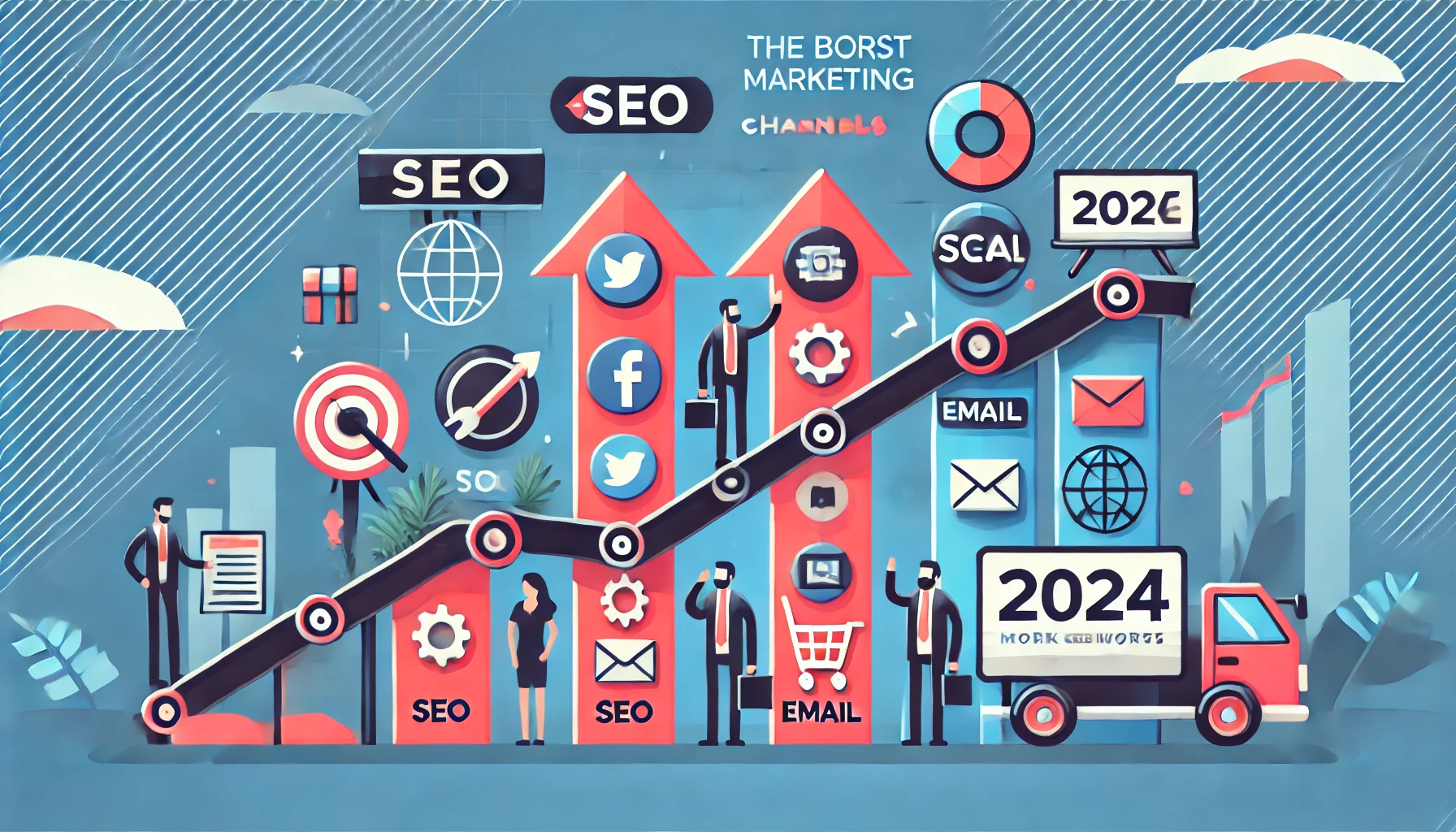
In 2024, the marketing landscape continues to evolve, and staying ahead means understanding which channels are thriving—and which ones are falling behind. Let’s break down the best (and worst) marketing channels for small businesses this year.


The Best Marketing Channels for Small Businesses in 2024

1. Search Engine Optimization (SEO)

Why It Works: SEO is still one of the most effective long-term strategies for attracting potential customers. Ranking high on Google means getting in front of people actively Top marketing channels for small businesses in 2024searching for what you offer. By optimizing your website for relevant keywords, creating high-quality content, and ensuring a user-friendly experience, you can drive organic traffic without paying for each click.

2024 Tip: Focus on local SEO if you have a brick-and-mortar business. Claim your Google My Business profile, optimize for location-based keywords, and encourage positive reviews from satisfied customers.

For more insights on improving your SEO strategy How SEO Can Boost Your Small Business in 2024.

2. Social Media Advertising (Facebook, Instagram, TikTok)

Why It Works: With billions of active users, social media platforms offer highly targeted advertising opportunities. You can narrow down your audience based on demographics, interests, behaviors, and more. Instagram and TikTok, in particular, have seen a surge in engagement, making them great platforms for brand awareness and lead generation.

2024 Tip: Leverage short-form video content, like Reels and TikToks, to boost engagement and visibility. These formats are gaining more traction and offer a cost-effective way to capture attention.

3. Email Marketing

Why It Works: Email marketing remains a goldmine for small businesses. It’s one of the few channels where you can directly communicate with your audience, build relationships, and drive sales. By segmenting your list and delivering personalized, valuable content, email marketing can deliver some of the highest ROI of any channel.

2024 Tip: Automate your email marketing campaigns to nurture leads and re-engage inactive customers. Triggered emails, like cart abandonment reminders or personalized recommendations, can significantly boost conversions.

4. Pay-Per-Click (PPC) Advertising

Why It Works: PPC, through platforms like Google Ads, allows you to bid on keywords relevant to your business. It’s a fast way to get in front of potential customers. The key benefit is that you only pay when someone clicks on your ad, making it easy to track ROI and optimize your campaigns in real time.

2024 Tip: Use PPC for highly targeted campaigns, especially when testing new markets or promoting seasonal offers. Focus on optimizing ad copy and landing pages for conversions, not just clicks.

5. Content Marketing (Blogs, Videos, Podcasts)

Why It Works: Content marketing builds trust, educates your audience, and improves your SEO. Whether through blog posts, videos, or podcasts, creating valuable content positions your business as an authority in your industry. It’s a powerful way to engage with your audience over time and drive traffic to your website.

2024 Tip: Repurpose your content across multiple platforms. For example, turn a blog post into a video or break down a podcast episode into social media snippets to maximize your content’s reach.

The Worst Marketing Channels for Small Businesses in 2024

1. Print Advertising

Why It’s Failing: While print advertising might still work for some niche industries, its overall effectiveness has been steadily declining. In 2024, digital marketing channels Worst marketing channels for small businesses in 2024offer far more targeting and tracking capabilities, which means better ROI. Print ads are also more expensive and harder to measure in terms of results.

2024 Tip: If you’re set on traditional advertising, consider hybrid options like direct mail with digital tracking (such as QR codes or personalized URLs) to measure engagement.

2. Television Ads

Why It’s Failing: Unless you have a massive budget, television ads aren’t the best use of your marketing dollars. They’re expensive, hard to target, and don’t offer the granular analytics that digital channels provide. In an era where viewers are increasingly cutting the cord and opting for ad-free streaming services, TV ads are losing their influence.

2024 Tip: If video is your focus, try YouTube ads or video marketing on social platforms instead, where targeting is more precise, and budgets are flexible.

3. Billboard Advertising

Why It’s Failing: Like TV and print, billboard advertising can reach a large audience, but it’s a broad approach that doesn’t offer much targeting. With so much focus on digital channels, it’s difficult to measure the direct impact of billboard ads on your business. Additionally, as people spend more time on their phones, they may not even notice billboards anymore.

2024 Tip: If outdoor advertising appeals to your business, consider geofencing ads, which use location data to deliver ads to mobile devices when potential customers are in a specific area.

4. Cold Calling

Why It’s Failing: Cold calling used to be a staple for lead generation, but it’s increasingly seen as intrusive. Most people prefer to research products and services online before engaging with a business. In fact, many people ignore unsolicited calls, and the success rate of cold calling continues to plummet.

2024 Tip: Focus on inbound marketing strategies that encourage potential customers to come to you through valuable content, SEO, and targeted ads, rather than relying on outdated cold calling tactics.

Wrapping It Up

In 2024, the best marketing channels for small businesses are those that offer precise targeting, measurable results, and the ability to adapt to customer behaviors. Digital marketing continues to outperform traditional channels in terms of ROI, especially with the rise of data-driven strategies like SEO, social media advertising, and PPC.

Don’t waste your budget on outdated, ineffective methods. Instead, invest in the channels that are proven to deliver results for your business. With the right approach, you can attract more customers, increase your visibility, and boost your bottom line—all without breaking the bank.

Studies show that small businesses with optimized digital marketing strategies see a higher ROI than those relying on outdated methods (Business News Daily).

Ready to optimize your marketing channels? Let Webociti help you craft a strategy that brings the best ROI in 2024. Contact us today for a free consultation.

Unlocking Growth: Content Marketing Strategies for Small Businesses

In this post: Learn 8 actionable content marketing strategies that helped a small business drive real growth—and how you can apply them too.

Want to grow your small business without spending a fortune? These content marketing strategies for small businesses helped one boutique double its customer base—and you can use them too.

That’s exactly what happened to Eliza’s Designs, a small boutique that leveraged targeted content marketing to skyrocket visibility and sales. In today’s digital-driven market, this is not just possible but increasingly common. Content marketing offers a powerful way for small businesses to build brand awareness, drive engagement, and grow efficiently. Let’s explore how you can replicate that success.

1. Define Your Audience and Goals

Before diving into content creation, define who your target audience is and what you want your content to achieve—brand awareness, leads, or engagement. Having clear goals ensures you create purposeful content.

Action Tip: Create buyer personas to detail demographics, interests, and pain points for laser-focused messaging.

2. Leverage the Power of Storytelling

Share stories about your brand’s origin, challenges overcome, and the mission that drives your business. Emotional connection builds stronger loyalty.

Action Tip: Include testimonials and customer case studies to tell authentic stories and provide social proof.

3. Optimize Content for SEO

Make your content discoverable through search engines by targeting the right keywords and structuring your pages well.

Action Tip: Use tools like Google Keyword Planner or SEMrush to identify relevant terms. Optimize titles, headers, and descriptions.

4. Diversify Your Content Formats

Different formats appeal to different segments of your audience. Go beyond blogs by using video, infographics, podcasts, and carousels.

Action Tip: Track engagement trends to see which formats work best—then invest accordingly.

5. Utilize Content Calendars

Planning content in advance helps you stay consistent and relevant. It’s also essential for seasonal and campaign timing.

Action Tip: Use Trello or Google Calendar to schedule themes, channels, and publishing dates.

6. Promote Your Content Across Channels

Content promotion is just as important as creation. Use email, social media, and partnerships to expand your reach.

Action Tip: Repurpose posts into LinkedIn articles, Instagram carousels, or newsletter segments.

7.Analyze and Adapt Your Content Marketing Strategies

Monitor performance regularly to improve results. Data should inform your strategy moving forward.

Action Tip: Review Google Analytics each month—track page views, bounce rate, and conversions.

8. Encourage User-Generated Content

Let your audience be your best advocates. UGC is authentic and adds credibility to your marketing.

Action Tip: Launch campaigns asking for photos, videos, or testimonials you can share.

Conclusion

Eliza’s Designs is just one of many success stories that show how effective content marketing can drive ROI. Strategic storytelling, SEO, and consistency are the backbone of growth in today’s digital economy.

Ready to see results? Schedule a free consultation today and discover how Webociti’s proven content marketing strategies can help grow your business.


📞 Let’s Get Started

How to Use Email Marketing to Retain Customers

Email marketing remains a powerful tool for businesses to keep their customers engaged and loyal. At Webociti, we’ve seen firsthand how effective email campaigns can significantly boost customer retention rates.

In this post, we’ll explore proven strategies for using email marketing to retain customers and build lasting relationships. We’ll cover everything from personalization techniques to measuring campaign success, giving you actionable insights to enhance your email marketing efforts.

Why Email Marketing Is Your Customer Retention Powerhouse

Email marketing stands as the unsung hero of customer retention. Businesses transform their customer relationships through strategic email campaigns. But what makes email so effective for keeping customers around?

Direct Line to Your Customers

Email provides a direct channel to your customers’ inboxes. Unlike social media, where your message competes with countless others, email allows for focused, one-on-one communication. This direct line helps build stronger, more personal relationships with your customers over time.

Email marketing statistics demonstrate just how powerful email can be for acquiring and retaining customers. This power applies equally to retaining your existing customer base.

Cost-Effective Customer Retention

Research by Invesp shows that acquiring a new customer can cost five times more than retaining an existing one. Email marketing slashes these costs dramatically. With minimal investment, you create targeted campaigns that keep your customers engaged and coming back for more.

Fact - How does email marketing boost customer retention?

For example, a simple “We miss you” email campaign can recover up to 5% of lost customers (as reported by Marketing Sherpa). That’s a significant return on a relatively small investment.

Personalization at Scale

Email marketing allows for unprecedented levels of personalization. You tailor your messages based on customer behavior, preferences, and purchase history. This level of customization is essential for retention.

Personalized experiences significantly impact consumer behavior. By leveraging customer data, you create highly relevant content that resonates with each segment of your audience.

Implementing Effective Strategies

You don’t need complex systems to start improving your email marketing. Try these steps:

  1. Segment your list based on purchase history or engagement levels.
  2. Create targeted content for each segment.
  3. Implement dynamic content that changes based on individual user data (as you grow more sophisticated).

The goal is to make each customer feel valued and understood. When done right, email marketing doesn’t just retain customers – it turns them into loyal advocates for your brand.

Now that we’ve established the power of email marketing for customer retention, let’s explore specific strategies to maximize its effectiveness in the next section.

Proven Email Strategies That Keep Customers Coming Back

Email marketing stands as a powerful tool for customer retention, but its effectiveness depends on the execution of your strategy. Let’s explore key tactics that consistently deliver results for businesses.

Segment for Success

One size doesn’t fit all in email marketing. Segmentation proves crucial for delivering relevant content that resonates with different customer groups. Start by dividing your list based on purchase history, engagement levels, or demographic data. For instance, create separate campaigns for frequent buyers, occasional customers, and those at risk of churning.

Does Personalization Drive Consumer Purchases?

A study found that segmented campaigns had a 14.31% higher open rate compared to non-segmented campaigns. This underscores the importance of tailoring your message to specific audience segments.

Craft Content That Captivates

Your email content should provide real value to your customers. This could include exclusive offers, insider tips, or early access to new products. For example, if you’re a SaaS company, you might send a weekly email with productivity hacks using your software.

Try to avoid generic, salesy language. Instead, focus on solving your customers’ problems. A survey revealed that 58% of consumers say receiving discounts is the top reason they subscribe to a brand’s email list. However, don’t limit yourself to discounts – educational content can be equally compelling.

Automate for Consistency

Automated email campaigns ensure your customers receive timely, relevant communications without constant manual effort. Set up triggered emails based on specific actions or milestones. Welcome emails, post-purchase follow-ups, and re-engagement campaigns for inactive customers are all prime candidates for automation.

Reports show that automated emails generate 6 times more revenue per email than non-automated emails. This highlights the power of delivering the right message at the right time.

Personalize to Connect

Personalization extends beyond using a customer’s name. Use data from past purchases, browsing history, and preferences to tailor your content. For instance, if a customer frequently buys running shoes, send them updates on the latest running gear or local marathon events.

Research indicates that 80% of consumers are more likely to make a purchase when brands offer personalized experiences. This extends to email marketing – the more relevant your emails, the more likely customers are to engage and stay loyal.

Time It Right

The timing of your emails can significantly impact their effectiveness. While there’s no universal “best time” to send emails, you can use your own data to determine when your audience is most responsive.

Start by testing different send times and days of the week. Track open rates and engagement levels to identify patterns. An analysis of 14 studies found that Tuesday, Thursday, and Wednesday were the best days to send emails (in that order). However, your specific audience may have different preferences.

These strategies provide a solid foundation for effective email marketing. However, the journey doesn’t end here. The next chapter will explore how to measure the success of your email retention campaigns, ensuring you can continually refine and improve your approach.

How to Measure Email Marketing Success

Track Open Rates: The Gateway to Engagement

Open rates indicate your email’s initial effectiveness. Real Estate holds the title for both lowest open rate by industry (17.1%), and the biggest jump in open rate year-over-year, up 4.5%. If your open rates fall below this benchmark, reassess your subject lines and sender names.

Fact - How Can You Supercharge Your Email Marketing?

To increase open rates, test personalized subject lines. Personalized subject lines can boost open rates by 26% (Experian). Also, consider email timing. The highest open rates occur between 8 AM and 9 AM, and 3 PM to 4 PM (Omnisend).

Analyze Click-Through Rates: Measuring Engagement

Click-through rates (CTR) show how well your email content resonates with recipients. The average CTR across industries is 2.62% (Campaign Monitor). If your CTRs fall short, improve your email content and call-to-action (CTA) buttons.

Try action-oriented language in your CTAs. For example, replace “Click here” with “Get your exclusive offer now.” Personalized CTAs can significantly improve conversion rates.

Monitor Conversion Rates: The Bottom Line

Email retention campaigns aim to drive desired actions (purchases, webinar sign-ups, resource downloads). Conversion rates measure how effectively your emails achieve these goals.

Conversion rates vary by industry and campaign objectives, but the average email marketing conversion rate hovers around 1.5% (Barilliance). To improve conversion rates, align your email content closely with the linked landing page. This consistency can increase conversions by up to 55% (Marketing Sherpa).

Use A/B Testing for Optimization

A/B testing refines your email marketing strategy. Test different elements of your emails (subject lines, content, CTAs, send times) to identify what resonates best with your audience.

An A/B test found that using emojis in subject lines increased open rates by 56% for some brands (Litmus). However, results can vary, so conduct your own tests.

When A/B testing, focus on one variable at a time and ensure a large enough sample size (at least 1,000 subscribers per variation) for statistically significant results.

Integrate Email Data with Customer Insights

Combine your email marketing data with other customer data sources for a holistic view of retention efforts. This integration allows you to track customer lifetime value, purchase frequency, and other key metrics that indicate long-term retention success.

For example, combining email engagement data with purchase history helps identify which email types drive repeat purchases most effectively. This insight allows for more tailored retention strategies.

Final Thoughts

Email marketing to retain customers proves its effectiveness time and again. We explored strategies like segmentation, personalization, and automation that boost customer loyalty and drive repeat business. Measuring success through open rates, click-through rates, and conversion rates provides valuable insights into audience preferences.

Fact - How Can You Boost Your Email Marketing Performance?

Consistency and value form the foundation of successful email retention campaigns. Every email should offer something meaningful to customers, whether it’s exclusive offers, helpful tips, or relevant content. This approach builds trust and keeps your brand at the forefront of customers’ minds.

Webociti offers tailored solutions to elevate your email marketing efforts and overall digital strategy. Our expertise can help you unlock the full potential of your campaigns and broader digital marketing initiatives. Visit Webociti’s website to learn how we can drive growth and engagement for your business.


10 Digital Marketing Strategies to Skyrocket Your Business Growth

In the modern business landscape, digital marketing transcends traditional advertising; it’s a pivotal strategy that can catapult your business to new heights. From amplifying brand visibility to enhancing customer engagement, a well-crafted digital marketing strategy can propel growth and cultivate enduring relationships with your audience. Here are ten essential digital marketing tactics every business should employ to guarantee success in today’s competitive market.


1. Optimize Your Website for Search Engines

SEO (Search Engine Optimization) forms the backbone of an effective digital presence. By optimizing your website with relevant keywords, high-quality content, and a mobile-friendly design, you ensure higher visibility in search engine results. This strategic visibility means that when potential customers search for products or services related to your business, your website ranks prominently, driving more organic traffic. Regular SEO audits are crucial to adjust to changing algorithms and maintain a competitive edge.

2. Leverage the Power of Content Marketing

In the realm of digital marketing, content reigns supreme. Developing a robust content marketing strategy that includes blogs, videos, infographics, and podcasts can engage your audience and position your brand as a thought leader in your industry. This strategy not only attracts and retains customers by enhancing site engagement but also drives significant traffic through valuable, high-quality content.

3. Utilize Social Media Effectively

Social media platforms present a vast arena for businesses to amplify their brand exposure. By regularly updating your profiles, engaging with followers, and deploying targeted ads to reach specific demographics, you significantly enhance your online presence and foster direct interactions with your customers.

4. Implement Email Marketing

Email marketing remains one of the most cost-effective digital marketing strategies. By collecting emails from website visitors and sending them tailored offers, news, and personalized content, you can help convert leads into customers and enhance repeat business. Incorporating A/B testing in your email campaigns can optimize effectiveness and increase conversion rates.

5. Invest in Paid Advertising

PPC (Pay-Per-Click) advertising allows you to reach Internet users on numerous digital platforms through paid ads. These ads can target specific demographics, interests, and behaviors, offering a high ROI by driving targeted traffic to your site.

6. Enhance User Experience

User experience (UX) significantly influences how visitors perceive your website and, by extension, your brand. A website with intuitive navigation, fast loading times, and compelling call-to-action buttons markedly improves user engagement and conversion rates.

7. Use Data Analytics

Data-driven marketing is essential for understanding the effectiveness of your digital marketing strategies. Tools like Google Analytics provide valuable insights into your audience’s behavior, campaign performance, and more, allowing you to make informed decisions and optimize your marketing efforts.

8. Engage in Community Building

Creating a community around your brand can foster lasting customer loyalty. Engaging with your audience through forums, webinars, and live Q&A sessions provides direct support and gathers valuable feedback, which can be used to enhance your products and services.

9. Mobile Optimization

With the rising number of users accessing the internet via smartphones, having a mobile-optimized website is crucial. This ensures that your site delivers a good user experience on any device, improving both reach and effectiveness of your online content.

10. Continuous Learning and Adaptation

The digital marketing landscape is perpetually evolving. Staying ahead requires keeping up with the latest trends, technologies, and changes in consumer behavior. Regular training for your team and adapting your strategies based on market dynamics are vital for sustained success.

Digital marketing offers myriad opportunities to grow and refine your business strategy. By implementing these ten essential tactics, your business can not only enhance its online presence but also achieve significant growth in an increasingly digital world.

Ready to transform your digital marketing strategy and take your business to new heights?

Contact Webociti today for a free consultation and discover how our expertise can help you succeed. Don’t wait—start shaping the future of your business with effective digital marketing solutions. Call us at 678-892-7157 or click here to get started.

#DigitalMarketing #BusinessGrowth #SEO #SocialMediaTips #ContentMarketing #EmailMarketing #OnlineAds #MarketingAutomation #WebAnalytics #CustomerEngagement

Email Marketing Best Practices for Local Businesses: Engaging Your Local Audience Effectively

In an era where digital communication is key, email marketing remains a powerful tool for local businesses. It’s not just about sending emails; it’s about crafting messages that resonate with your community. For businesses in the United States, where community ties and local engagement are paramount, email marketing can be particularly effective. This post explores best practices and strategies to maximize the impact of your email campaigns, ensuring they speak directly to your local audience.

Understanding Your Audience


Segment Your Audience

Tailor your content to different segments of your local market. This could be based on location, interests, or past purchasing behavior. For example, a restaurant in Atlanta might send different emails to customers who prefer vegan options versus those who love barbecue.

Personalize Your Messages

Use the recipient’s name and reference local events or situations. Personalization increases open rates and engagement, making your audience feel more connected to your brand.

Crafting Your Message


Localize Your Content

Incorporate local news, events, or issues into your email content. This demonstrates your involvement in the community and can create a stronger bond with your audience.

Use a Friendly, Conversational Tone

Speak to your audience as neighbors. A warm, conversational tone can make your emails feel more personal and less like a corporate broadcast.

Designing Your Email


Mobile Optimization

Ensure your emails are mobile-friendly. With most users checking emails on their phones, a mobile-optimized design is crucial.

Visually Appealing Layout

Use a clean, simple layout with high-quality images and easy-to-read fonts. Include images that showcase your local area or community events.

Effective Subject Lines


Be Clear and Concise

Your subject line should clearly state the email’s purpose. Avoid being too salesy; instead, focus on offering value. Email

Localize Your Subject Lines

Include references to your city or local area to catch the attention of your audience immediately.

Timing and Frequency


Find the Right Time

Test different sending times to see when your audience is most likely to open your emails. This can vary significantly depending on local lifestyles and routines.

Don’t Overwhelm Your Audience

Be mindful of how often you send emails. Too many emails can lead to unsubscribes, while too few might make your audience forget about you.

Creating Engaging Content

Local Email Marketing

Tell Stories

Share stories about your business, employees, or local community projects you’re involved in. Storytelling can be a powerful tool to connect emotionally with your audience.

Include Local Offers and Promotions

Tailor your offers to your local audience. This could be discounts for local residents, special events, or early access to new products or services.

Utilizing Calls to Action (CTAs)


Clear and Compelling CTAs

Your CTA should be clear and direct, telling your readers exactly what you want them to do next, whether it’s visiting your store, attending an event, or taking advantage of a special offer.

Test Different CTAs

Experiment with different CTA placements and wording to see what works best with your local audience.

Measuring Success


Track Key Metrics

Keep an eye on open rates, click-through rates, and conversion rates to understand how well your emails are performing.

Use Feedback

Pay attention to replies and feedback from your audience. This can provide valuable insights into what they like and dislike about your emails.

Compliance and Best Practices


Follow CAN-SPAM Act Guidelines

Ensure you comply with email regulations by including an unsubscribe option, using accurate header information, and not using deceptive subject lines.

Respect Privacy

Be transparent about how you use subscriber data and ensure you have permission to email your contacts.

Conclusion

Email marketing is more than just a way to communicate with your audience; it’s a tool to build and strengthen community ties. By understanding your local audience, crafting engaging, personalized content, and continuously measuring and refining your approach, your email marketing campaigns can become a vital part of your local business’s success.

Remember, the key is to remain authentic and true to your local roots while embracing the power of digital communication. As you integrate these best practices into your email marketing strategy, you’ll not only see better engagement but also foster a deeper connection with your community.

Are you ready to take your local business’s to the next level?

Webociti Top E-mail Marketing Company
Contact Webociti today for a personalized consultation. Our team specializes in crafting bespoke email marketing solutions that resonate with local audiences. Let’s work together to create email campaigns that not only reach but also engage and inspire your community. Click Here to get in touch with us, or call us directly at 678-892-7157. Start transforming your email marketing strategy today!

The Power of Email Marketing for B2B Companies

In the dynamic world of digital marketing, where trends come and go, one strategy remains the undisputed champion for B2B companies – email marketing. This time-tested tool continues to drive the highest volume of leads and delivers the highest ROI. But that’s not all; we’ll also explore the complementary role of other strategies like SEO, PPC, Social Media, Retargeting, and Content Marketing in the B2B marketing landscape.

B2B Marketing Strategies

Email marketing has been a cornerstone of B2B marketing for decades, and its resilience is no accident. According to recent statistics, email marketing generates an astounding $38 for every $1 spent, resulting in an ROI that’s off the charts. But what sets email apart from other marketing strategies, and how do other approaches like SEO, PPC, Social Media, Retargeting, and Content Marketing contribute to the overall success of B2B companies?

The Reign of Email Marketing

Email Leads the Pack Email marketing reigns supreme in the B2B realm for several reasons. Firstly, it’s a highly targeted form of communication. B2B marketers can segment their email lists based on various criteria, such as industry, job role, or past interactions with the company. This precision targeting ensures that the message reaches the right audience, increasing the likelihood of conversion.

Moreover, email marketing offers a direct line of communication to potential clients. Emails land directly in their inboxes, making it convenient for them to access and engage with the content. This direct connection fosters a sense of exclusivity and personalization, crucial for building strong B2B relationships.

Personalization Matters Personalization is a driving force behind email marketing’s success. B2B buyers are more likely to engage with emails that feel tailored to their needs and interests. Modern email marketing tools allow businesses to personalize emails with recipient names, company information, and even content recommendations based on previous interactions. These personalized touches humanize the communication and significantly improve conversion rates.

Automation for Efficiency In the B2B world, nurturing leads through the sales funnel can be a lengthy process. Email marketing automation streamlines this journey. Automation tools enable businesses to send a series of emails triggered by specific actions or time intervals. For example, when a potential client downloads a whitepaper, an automated email series can follow up with additional resources, product information, and ultimately a request for a sales call. Automation ensures that no lead falls through the cracks, optimizing conversion rates and saving time for the marketing and sales teams.

The SEO Advantage

Organic Traffic for the Win Search Engine Optimization (SEO) is the cornerstone of online visibility. For B2B companies, organic traffic through search engines can be a goldmine of leads. When potential clients search for solutions or information related to your industry, a well-optimized website can appear at the top of the search results. This visibility establishes credibility and positions your company as an industry leader.

Content is King Content plays a pivotal role in SEO. Creating high-quality, relevant, and informative content not only attracts organic traffic but also engages potential B2B clients. Blog posts, whitepapers, case studies, and industry reports can all serve as valuable content assets. When optimized for search engines, they can attract users actively seeking the services or products your company offers.

Building Authority SEO isn’t just about keywords and rankings; it’s also about building authority. When your website consistently provides valuable content and answers industry-related questions, it becomes a trusted resource. Other websites and industry publications are more likely to link to your content, further boosting your SEO efforts. This increased authority not only enhances your online presence but also instills trust in potential B2B clients.

The Potent PPC Game

Immediate Visibility Pay-Per-Click (PPC) advertising is a powerful tool in the B2B marketer’s arsenal. Unlike SEO, which can take time to yield results, PPC provides immediate visibility. Through platforms like Google Ads or LinkedIn Ads, businesses can create highly targeted ad campaigns that appear at the top of search results or within social media feeds. This instant visibility can be invaluable when trying to reach B2B decision-makers.

Budget Control One of the significant advantages of PPC is budget control. B2B companies can set daily or monthly budgets for their campaigns, ensuring that they don’t overspend. Additionally, the pay-per-click model means that you only pay when someone clicks on your ad, making it a cost-effective option for generating leads. This budget flexibility allows companies to scale their PPC efforts as they see fit, adapting to changing needs and market conditions.

Precise Audience Targeting PPC platforms offer granular audience targeting options. B2B marketers can specify who sees their ads based on factors like job title, industry, company size, and location. This precision ensures that your message reaches decision-makers within the organizations most likely to benefit from your services or products. It minimizes wasted ad spend on audiences that aren’t a good fit.

The Social Media Impact

Engagement and Awareness Social media platforms have become indispensable for B2B companies looking to expand their reach and engage with potential clients. These platforms are not just for sharing updates; they provide a space for showcasing expertise and thought leadership. By consistently sharing valuable content, participating in discussions, and providing insights into industry trends, B2B companies can build brand awareness and trust.

Networking and Relationship Building LinkedIn, in particular, is a goldmine for B2B networking. It’s a platform where professionals connect, share insights, and explore business opportunities. By actively participating in LinkedIn groups and engaging with relevant content, B2B companies can foster valuable relationships. These connections can lead to collaboration, referrals, and even direct business inquiries.

Paid Advertising on Social Media In addition to organic efforts, B2B companies can leverage paid advertising on social media platforms. Facebook, Instagram, LinkedIn, and Twitter all offer ad options that allow for precise audience targeting. These ads can drive traffic to your website, promote content, or generate leads directly on the platform. The ability to tailor ad campaigns to specific B2B segments ensures that your marketing dollars are well-spent.

The Remarkable World of Retargeting

Recapturing Lost Opportunities Retargeting, also known as remarketing, is a technique that allows you to re-engage with website visitors who didn’t convert during their initial visit. This is particularly valuable for B2B companies, as decision-makers often require more time to consider their options. By placing a tracking pixel on your website, you can identify visitors and show them targeted ads as they browse other websites or social media platforms.

Strengthening Brand Recall Retargeting reinforces brand recall. When potential B2B clients see your ads repeatedly as they navigate the web, your brand becomes more memorable. This increased visibility can prompt them to return to your website and eventually convert.

Personalized Offers and Content Retargeting allows for highly personalized marketing. You can tailor ad content and offers based on the visitor’s previous interactions with your website. For instance, if a user visited a product page but didn’t make a purchase, you can retarget them with an ad featuring that specific product along with an incentive to complete the purchase.

The Power of Holistic Marketing

In today’s fiercely competitive B2B landscape, a holistic marketing approach is essential. Email marketing, SEO, PPC, social media, and retargeting all have their unique strengths and contributions. However, the real power lies in integrating these strategies into a cohesive marketing plan.

The key takeaway is that each of these strategies complements the others. Email marketing nurtures leads generated through PPC, SEO content drives organic traffic that can be retargeted, and social media amplifies brand messages created through email marketing. By strategically allocating resources and focusing on synergy, B2B companies can maximize their marketing efforts, generate high-quality leads, and achieve a remarkable return on investment.

Supercharge Your B2B Marketing


Ready to supercharge your B2B marketing efforts?

At Webociti, we specialize in creating customized, results-driven marketing strategies for businesses like yours. Whether you’re looking to revamp your email campaigns, boost your SEO, optimize your PPC ads, or enhance your social media presence, we’ve got you covered. Let’s embark on a journey to unlock your business’s full potential. Reach out to us today and start achieving remarkable results. Your success is just a click away. 678-892-7157

In the realm of business, especially for small enterprises with budgets that don’t rival corporate giants, every dollar counts. As a small business owner, you’ve probably heard the buzzwords “marketing” and “branding” thrown around, and you might be wondering where to allocate your limited resources for maximum impact.

In this comprehensive guide, we’ll delve deep into the realms of marketing vs branding, and we’ll make a case for the idea that, especially for smaller companies, marketing should be your primary focus. We’ll explore the fundamental differences between the two, how they contribute to your business’s success, and why, when balancing the two, an 80% investment in marketing and a 20% allocation to branding makes financial sense.

The Basics: Marketing vs. Branding


Marketing

Marketing encompasses all the activities involved in promoting and selling a product or service. It’s about creating awareness, driving leads, and converting those leads into paying customers. It’s tactical, measurable, and directly linked to revenue. But what about branding?

Branding

Branding, on the other hand, is about crafting a unique identity for your business. It’s the emotional and psychological connection your audience has with your company. It’s your company’s reputation, values, and what it represents. While essential, it doesn’t always lead to immediate sales or measurable ROI.

The Argument for Marketing:
Where the Money Is Made


Immediate Impact

Marketing efforts often yield quicker results. Whether it’s through pay-per-click advertising, email campaigns, or social media marketing, you can see direct, tangible outcomes in terms of leads and sales.

Revenue Generation

Marketing is intrinsically tied to revenue. It’s a revenue-generating machine that, when well-executed, can produce a measurable return on investment. For small businesses with limited budgets, this direct connection to profit is invaluable.

Growth Catalyst

Marketing drives business growth. By acquiring new customers, retaining existing ones, and expanding your reach, marketing acts as a propellant for your company. Growth can, in turn, lead to more significant branding opportunities down the road.

The Role of Branding Building Long-term Value


Trust and Loyalty

Branding fosters trust and loyalty. When consumers feel a strong emotional connection with your brand, they’re more likely to become long-term, repeat customers. However, building this trust often takes time and isn’t always directly quantifiable.

Competitive Advantage

A well-crafted brand sets you apart from the competition. It helps you command higher prices for your products or services, but this advantage might not be fully realized until you’ve achieved a certain level of visibility and recognition.

Finding the Right Balance

While marketing takes center stage for small businesses, branding should not be ignored entirely. Instead, think of branding as a long-term investment that becomes increasingly crucial as your company grows. It’s the foundation upon which you’ll build your marketing efforts.

Conclusion: Finding Success in a Balanced Approach

In the world of small business, the allocation of resources is a delicate balancing act. However, for companies with limited budgets, focusing on marketing as the primary revenue driver makes sense. It’s the realm where you see immediate results, generate profit, and foster growth.

As you expand and your brand gains recognition, you can gradually increase your investment in branding. This approach allows you to first establish your foothold in the market, achieve financial stability, and then build the strong, reputable brand that will carry your business into the future.

So, is marketing where the money is made for small businesses? Undoubtedly. But remember that branding, while not an immediate cash cow, lays the groundwork for lasting success. It’s the synergy between the two that will propel your small business into a profitable, well-recognized future.

Let’s Get Started

Ready to kickstart your marketing journey and drive your small business towards success? Contact Webociti today! We specialize in helping small businesses harness the power of digital marketing to maximize their growth potential. Whether it’s through strategic SEO, targeted social media campaigns, or result-oriented content marketing, we’re here to assist you every step of the way. Don’t wait; let’s get started on your path to profitability! 678-892-7157

The Synergy of Prospecting

Digital Marketing, Social Media, and Email:
Generating Leads and Driving Sales

In today’s fast-paced digital landscape, where every click, like, and share has the potential to turn into a lead or sale, businesses need a comprehensive approach to lead generation and sales. Gone are the days when these activities operated in isolation. To succeed, modern businesses must harness the synergy of prospecting, digital marketing, social media, and email. In this 1300-word blog post, we’ll explore how these four essential components work together to generate leads and drive sales.

The Digital Age Imperative

The digital age has transformed the way businesses reach and engage potential customers. The competition for attention is fierce, and traditional prospecting methods alone no longer suffice. To thrive in this environment, companies must adapt by embracing a holistic approach that combines prospecting, digital marketing, social media, and email.

The Core Components

Before diving into their collective power, let’s briefly define each core component:

Prospecting

Traditionally, prospecting involved identifying and approaching potential customers. In the digital age, this extends to online research, lead generation tools, and data analytics.

Digital Marketing

Digital marketing encompasses a range of tactics such as content marketing, SEO, PPC advertising, and more. It’s about creating a digital presence and attracting prospects to your brand.

Social Media

Social media platforms like Facebook, Twitter, LinkedIn, and Instagram offer opportunities for businesses to connect with their audience, build relationships, and promote products or services.

Email Marketing

Email marketing involves sending targeted messages to leads and customers. It’s a powerful tool for nurturing relationships and moving prospects through the sales funnel.

Prospecting in the Digital Era

Prospecting has evolved significantly in the digital era. Traditional cold calling has given way to data-driven strategies. Businesses can now use various online tools and platforms to identify potential leads more accurately. Moreover, data analytics allows for precise targeting, ensuring that resources are directed toward the most promising prospects.

The Power of Digital Marketing

Digital marketing is a cornerstone of modern lead generation. It allows businesses to reach a vast audience cost-effectively. Content marketing, for instance, provides valuable information to potential customers, positioning your brand as a trusted source in your industry. Search engine optimization (SEO) ensures that your content is discoverable, driving organic traffic to your website. Pay-per-click (PPC) advertising offers precise targeting and immediate results.

Leveraging Social Media

Social media platforms provide unique opportunities for businesses to engage with prospects. Regular posts, stories, and interactions humanize your brand and foster trust. Social media is also a valuable channel for sharing content, promoting offers, and running paid advertising campaigns. The viral nature of social media means that one post can reach a vast audience.

The Email Advantage

Email marketing remains one of the most effective methods for nurturing leads. Personalized email campaigns allow you to guide prospects through the sales funnel, providing them with relevant content at each stage. Automated email sequences ensure consistent follow-ups, keeping your brand top of mind. Email also allows for segmentation, ensuring that messages are tailored to specific audience segments.

Integration is Key

Now, let’s explore how these components work together. Imagine this scenario: Your business identifies potential leads through online prospecting tools. These leads are then directed to your website through a targeted digital marketing campaign. On your website, visitors are encouraged to subscribe to your email list or engage with your brand on social media. Once they’re on your email list, you can nurture these leads with personalized email campaigns.

The synergy is evident: Prospecting identifies leads, digital marketing attracts them, social media engages them, and email marketing nurtures and converts them into customers. This integrated approach maximizes the chances of converting leads into sales.

Measuring Success

To ensure the effectiveness of your integrated strategy, it’s crucial to track and measure key performance indicators (KPIs). These may include website traffic, conversion rates, social media engagement, email open rates, and click-through rates. Data-driven decision-making allows you to refine your approach continuously.

Case Studies

Real-world examples can illustrate the power of synergy. Consider a case where a business combined targeted prospecting, content-rich digital marketing, engaging social media campaigns, and personalized email follow-ups. By integrating these efforts, they achieved a significant increase in lead generation and, ultimately, sales.

A Holistic Approach for Modern Success

In conclusion, the digital age demands a holistic approach to lead generation and sales. Prospecting, digital marketing, social media, and email marketing are no longer standalone efforts but interconnected components of a successful strategy. By leveraging their synergy, businesses can generate more leads and drive sales more effectively in today’s competitive landscape.

Let Get Started

Are you ready to harness the power of prospecting, digital marketing, social media, and email to supercharge your lead generation and sales efforts? Contact us today to explore how our expertise can help your business thrive in the digital age. Contact Webociti today 678-892-7157

In today’s digital landscape, where trends and technologies seem to change overnight, one marketing method has stood the test of time: email marketing. With its direct and personalized approach, email marketing continues to be a potent tool for businesses to build lasting relationships with their audience and drive valuable conversions. In this blog post, we delve into the art of email marketing, exploring how it can be harnessed to create meaningful connections and achieve measurable results.

Understanding the Power of Email Marketing

Email marketing is more than just sending messages to a list of contacts; it’s about delivering targeted, relevant content that resonates with recipients. It’s a way to establish a two-way communication channel between your brand and your customers. The inbox is a personal space, and when users grant you access, they expect value in return.

Segmentation: The Foundation of Personalization

One of the core principles of effective email marketing is segmentation. Not all subscribers are the same; they have varying interests, preferences, and behaviors. By segmenting your email list based on demographics, interests, purchase history, and engagement level, you can tailor your messages to specific groups. This personalization boosts engagement rates and ensures that recipients receive content that aligns with their needs.

Crafting Compelling Content

The success of an email marketing campaign hinges on the quality of the content you deliver. A well-crafted email should be informative, relevant, and engaging. From attention-grabbing subject lines to concise yet informative body content, every element should contribute to the overall message. Visuals such as images and videos can enhance the impact of your emails, but be cautious not to overwhelm or distract from the main message.

Nurturing Customer Relationships

Email marketing is a powerful tool for nurturing customer relationships throughout the customer journey. Beyond promotional emails, consider incorporating emails that educate, entertain, or provide valuable resources to your subscribers. This approach positions your brand as a trusted advisor and fosters a deeper connection.

Driving Conversions with Call-to-Actions

The ultimate goal of email marketing is to drive conversions. Whether it’s making a purchase, signing up for a webinar, or downloading an e-book, your emails should include clear and compelling call-to-actions (CTAs). A strategically placed CTA guides recipients towards the desired action and simplifies the conversion process.

Monitoring and Optimizing

Data is a goldmine in the realm of email marketing. Analyzing metrics like open rates, click-through rates, and conversion rates provides valuable insights into the effectiveness of your campaigns. By continuously monitoring and analyzing this data, you can identify trends, preferences, and areas for improvement. A/B testing different elements of your emails, such as subject lines, content, and CTAs, allows you to refine your approach over time.

Compliance and Transparency

As email regulations continue to evolve, maintaining compliance and transparency is paramount. Ensure that your email campaigns adhere to relevant laws and regulations, such as the General Data Protection Regulation (GDPR) or the CAN-SPAM Act. Provide recipients with clear options to opt-in and opt-out, and make your privacy policy readily accessible.

Conclusion: The Ever-Evolving Art

In a fast-paced digital world, the art of email marketing remains a constant, albeit ever-evolving, strategy. It’s a dynamic blend of personalization, content creation, relationship-building, and data analysis. When executed thoughtfully, email marketing becomes a powerful driver of engagement, conversions, and customer loyalty. By understanding the nuances of this art form and staying attuned to the preferences of your audience, you can harness the full potential of email marketing and create a lasting impact in the digital space.

Ready to master the art of email marketing?

Looking to elevate your email marketing game? Let us help you craft engaging email campaigns that resonate with your audience and drive remarkable results. Contact us today to start your journey towards email marketing mastery. 678-892-7157

Unlocking Business Growth: The Power of Marketing Automation

In the digital age, marketing automation has transcended the status of just another tech trend, becoming an essential tool for integrating sales and marketing efforts. Far from being a mere celebration of technology, marketing automation is about enhancing the efficacy and efficiency of marketing strategies that businesses have historically implemented. It is about leveraging cutting-edge technology to achieve unprecedented results, such as boosting business by over 150% or increasing qualified leads by 75%. Could marketing automation triple your conversion rates? It’s not just a possibility—it’s becoming a reality for many businesses.

Key Components of Marketing Automation

Email Marketing

Email marketing remains a cornerstone of marketing automation, allowing businesses to send targeted messages to both current and potential customers. Whether reminding customers about an expiring sale or escalating urgency over time, automated email campaigns can deepen customer relationships and enhance marketing efforts.

Lead Generation

Modern marketing automation tools ensure that your website is fully optimized for today’s digital requirements. This includes SEO to enhance search visibility and strategically placed calls-to-action that encourage visitors to download resources, subscribe to newsletters, or engage with interactive content.

Lead Nurturing

The process often starts with a user filling out a form on your website. Capturing information such as email addresses allows businesses to maintain engagement through targeted, automated emails, nurturing the customer relationship until they are ready to make a purchase.

Prospecting

Effective marketing automation identifies prospective customers and communicates how your product or service solves their problems. This not only establishes your brand as a thought leader but also as a solution provider in your industry.

Sales Force Intelligence

This aspect of marketing automation provides invaluable insights into the buyer’s journey, equipping sales teams with detailed behavioral data. Understanding the actions that prospects take online helps tailor sales pitches to meet the specific needs and interests of each customer.

Analytics

Analytics are the backbone of marketing automation, offering deep insights into buying trends and customer behaviors. By analyzing where customers spend their time, what they engage with, and how they move through the sales funnel, businesses can refine their marketing strategies to be more effective and efficient.

Transform Your Marketing Strategy

Marketing automation is more than just software—it’s a strategic approach that integrates technology, business intelligence, and marketing to drive substantial growth. It provides a holistic view of the customer journey, streamlining processes and ensuring that marketing and sales efforts are perfectly aligned.

Are you ready to harness the power of marketing automation to transform your business? Contact Webociti today for a comprehensive strategy that tailors marketing automation to your business needs. With our expertise, your business can not only meet the digital demands of today but thrive in them. Call us at 678-892-7157 or visit the Webociti website to start your journey towards significant business growth.

#MarketingAutomation #DigitalMarketing #LeadGeneration #EmailMarketing #SalesForce #BusinessGrowth #MarketingStrategy #Webociti #LeadNurturing #ConversionOptimization