Social Media Marketing Insights & Strategies

Social media marketing is about more than posting content — it’s about building
visibility, engagement, and trust with the right audience.

This collection of social media marketing insights explores content strategy,
platform selection, audience targeting, and performance measurement. Each
article focuses on how businesses can use social platforms to support brand
growth, lead generation, and long-term engagement.

If you’re looking to strengthen your social presence or improve results from
social channels, explore the articles below or learn more about our

Social Media Marketing Services
.

In the realm of business, especially for small enterprises with budgets that don’t rival corporate giants, every dollar counts. As a small business owner, you’ve probably heard the buzzwords “marketing” and “branding” thrown around, and you might be wondering where to allocate your limited resources for maximum impact.

In this comprehensive guide, we’ll delve deep into the realms of marketing vs branding, and we’ll make a case for the idea that, especially for smaller companies, marketing should be your primary focus. We’ll explore the fundamental differences between the two, how they contribute to your business’s success, and why, when balancing the two, an 80% investment in marketing and a 20% allocation to branding makes financial sense.

The Basics: Marketing vs. Branding


Marketing

Marketing encompasses all the activities involved in promoting and selling a product or service. It’s about creating awareness, driving leads, and converting those leads into paying customers. It’s tactical, measurable, and directly linked to revenue. But what about branding?

Branding

Branding, on the other hand, is about crafting a unique identity for your business. It’s the emotional and psychological connection your audience has with your company. It’s your company’s reputation, values, and what it represents. While essential, it doesn’t always lead to immediate sales or measurable ROI.

The Argument for Marketing:
Where the Money Is Made


Immediate Impact

Marketing efforts often yield quicker results. Whether it’s through pay-per-click advertising, email campaigns, or social media marketing, you can see direct, tangible outcomes in terms of leads and sales.

Revenue Generation

Marketing is intrinsically tied to revenue. It’s a revenue-generating machine that, when well-executed, can produce a measurable return on investment. For small businesses with limited budgets, this direct connection to profit is invaluable.

Growth Catalyst

Marketing drives business growth. By acquiring new customers, retaining existing ones, and expanding your reach, marketing acts as a propellant for your company. Growth can, in turn, lead to more significant branding opportunities down the road.

The Role of Branding Building Long-term Value


Trust and Loyalty

Branding fosters trust and loyalty. When consumers feel a strong emotional connection with your brand, they’re more likely to become long-term, repeat customers. However, building this trust often takes time and isn’t always directly quantifiable.

Competitive Advantage

A well-crafted brand sets you apart from the competition. It helps you command higher prices for your products or services, but this advantage might not be fully realized until you’ve achieved a certain level of visibility and recognition.

Finding the Right Balance

While marketing takes center stage for small businesses, branding should not be ignored entirely. Instead, think of branding as a long-term investment that becomes increasingly crucial as your company grows. It’s the foundation upon which you’ll build your marketing efforts.

Conclusion: Finding Success in a Balanced Approach

In the world of small business, the allocation of resources is a delicate balancing act. However, for companies with limited budgets, focusing on marketing as the primary revenue driver makes sense. It’s the realm where you see immediate results, generate profit, and foster growth.

As you expand and your brand gains recognition, you can gradually increase your investment in branding. This approach allows you to first establish your foothold in the market, achieve financial stability, and then build the strong, reputable brand that will carry your business into the future.

So, is marketing where the money is made for small businesses? Undoubtedly. But remember that branding, while not an immediate cash cow, lays the groundwork for lasting success. It’s the synergy between the two that will propel your small business into a profitable, well-recognized future.

Let’s Get Started

Ready to kickstart your marketing journey and drive your small business towards success? Contact Webociti today! We specialize in helping small businesses harness the power of digital marketing to maximize their growth potential. Whether it’s through strategic SEO, targeted social media campaigns, or result-oriented content marketing, we’re here to assist you every step of the way. Don’t wait; let’s get started on your path to profitability! 678-892-7157

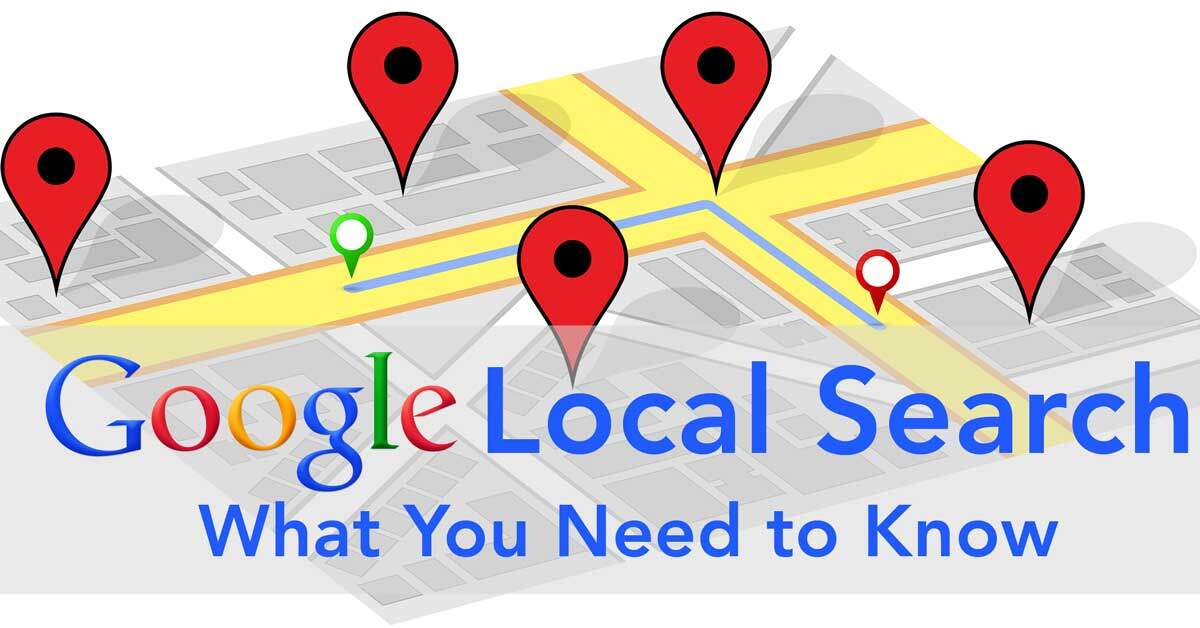
Local Search: Harnessing Its Power for Your Business

Local Search

Local search optimization is crucial for businesses targeting customers in their vicinity. Surprisingly, I often encounter local businesses aiming to dominate national search results. If you’re an eco-friendly dry cleaner in Yuma, Arizona, ranking number one nationally isn’t just impractical—it could detract from your local search efforts. This post explains why local search is vital for your business and provides practical tips for enhancing your local search presence.

Why Local Search Matters

Consider these statistics:

  • Google processes over 100 billion searches each month.
  • The platform has more than 117 billion unique visitors monthly.
  • Over half of these searches originate from mobile devices.

These figures highlight the significance of mobile and local search. If your business isn’t optimized for local mobile users, you’re likely missing out on a substantial customer base.

Tips for Local Search Optimization

Leverage Local Landmarks

If your business is near a well-known landmark, mention this on your website. For instance, stating “Located across the street from the Landmark Hotel” not only aids in local SEO but also makes it easier for customers to find you.

Engage on Social Media

Establish a presence on platforms like Google+, Facebook, and other relevant networks. These platforms should align with the needs of your target audience and complement your website’s content.

Encourage Customer Reviews

Actively request customer reviews on your website and social media pages. Promptly respond to both positive and negative feedback. Thanking customers for their business or addressing their concerns

Maintaining Your Local Search Presence

Achieving a high local search ranking requires continuous effort. Your content must be regularly updated, and your SEO strategies need constant refinement. Many small to medium-sized businesses find it beneficial to partner with professionals for this ongoing task.

At Webociti, we specialize in helping businesses like yours thrive in their local markets through targeted SEO strategies. Our team of local search experts can help you create meaningful connections with your customers and significantly improve your online visibility.

Ready to boost your local search rankings?

Contact Webociti today at 678-892-7157 for a free consultation. Let’s transform your local search strategies into tangible results!

In the fast-paced and ever-evolving world of digital marketing, success hinges on your ability to adapt to changing trends, technologies, and consumer behaviors. Staying ahead of the curve is not just a competitive advantage; it’s essential for survival in the digital landscape. In this blog post, we’ll explore some of the top strategies to unlock digital marketing success in today’s dynamic environment.

Content Marketing Mastery

Content is King, a phrase coined by Bill Gates back in 1996, remains as relevant as ever. In fact, it’s the cornerstone of digital marketing success. Content marketing is about creating and distributing valuable, relevant content to attract and engage a clearly defined audience. Here’s how to master it:

High-Quality Content Creation

Your content should provide real value to your audience. It should answer their questions, solve their problems, or entertain them. High-quality content not only establishes your brand as an industry authority but also encourages trust and loyalty.

Consistency is Key

Consistency in publishing content is essential. Whether it’s blog posts, videos, podcasts, or social media updates, a consistent schedule keeps your audience engaged and coming back for more.

SEO Optimization

Optimize your content for search engines. Use relevant keywords, metadata, and alt tags to improve your visibility on search engine results pages (SERPs). A strong SEO strategy ensures your content reaches a broader audience.

Storytelling

Craft compelling stories that resonate with your audience. Stories create an emotional connection and make your brand more relatable. Share success stories, customer testimonials, or behind-the-scenes glimpses of your business.

Social Media Strategies

Social media platforms are powerful tools for building brand awareness, engaging with your audience, and driving traffic to your website. To harness their potential, you need a well-thought-out social media strategy.

Choose the Right Platforms

Not all social media platforms are created equal. Focus your efforts on platforms that align with your target audience. For instance, Instagram and Pinterest are great for visual content, while LinkedIn is ideal for B2B connections.

Consistent Branding

Maintain a consistent brand image across all social media profiles. Use the same profile picture, cover photo, and brand colors to make your brand easily recognizable.

Content Diversity

Diversify your content. Share a mix of text, images, videos, and infographics. Experiment with different content types to keep your audience engaged.

Engage with Your Audience

Social media is a two-way street. Engage with your audience by responding to comments, messages, and mentions promptly. Encourage discussions and interactions.

Effective Email Campaigns

Email marketing remains a potent tool for nurturing leads, retaining customers, and driving sales. To run effective email campaigns, keep these strategies in mind:

Segmentation

Segment your email list based on demographics, behavior, and interests. Sending targeted, relevant content improves open rates and click-through rates.

Personalization

Personalize your emails. Use the recipient’s name, recommend products based on their previous purchases, and tailor content to their preferences.

Mobile Optimization

Most emails are now opened on mobile devices. Ensure your emails are mobile-friendly, with responsive design and clear calls to action.

A/B Testing

Experiment with different subject lines, email copy, images, and CTAs. A/B testing helps you identify what resonates best with your audience.

Search Engine Optimization (SEO) Secrets

SEO is the foundation of organic traffic. To unlock digital marketing success, you need to rank well on search engine results pages (SERPs). Here are some SEO strategies to consider:

Keyword Research

Thorough keyword research is the first step. Identify relevant keywords and phrases that your target audience is searching for. Use tools like Google Keyword Planner for insights.

On-Page SEO

Optimize your web pages for SEO. This includes optimizing title tags, meta descriptions, headers, and alt tags for images. Ensure your content is well-structured and easy to read.

High-Quality Backlinks

Backlinks from authoritative websites boost your SEO rankings. Focus on building high-quality, relevant backlinks through guest posting, outreach, and content marketing.

Mobile Optimization

Google now considers mobile-friendliness as a ranking factor. Ensure your website is responsive and provides a seamless experience on mobile devices.

Paid Advertising Insights

While organic traffic is crucial, paid advertising can provide an immediate boost to your digital marketing efforts. Here’s how to make the most of it:

Targeted Advertising

Use detailed targeting options on platforms like Google Ads and Facebook Ads to reach your ideal audience. Define demographics, interests, and behaviors for precise ad targeting.

Ad Creatives

Invest time in creating compelling ad creatives. Your ad copy, images, and CTAs should align with your audience’s needs and preferences.

Landing Page Optimization

Ensure your landing pages are optimized for conversions. A well-designed landing page with a clear value proposition and a strong CTA can significantly improve your ad campaign’s success.

Data-Driven Decision Making

In the digital marketing world, data is your compass. Analyze data from various sources, including website analytics, email marketing reports, and social media insights. Use this data to make informed decisions and refine your strategies.

Automation and AI

Leverage marketing automation tools and artificial intelligence to streamline your marketing efforts. Automation can handle repetitive tasks like email scheduling and social media posting, freeing up your team for more strategic work.

User Experience (UX) Enhancement

A seamless user experience is vital for retaining visitors and converting them into customers. Focus on website speed, navigation, and responsive design to create a user-friendly environment.

Voice and Visual Search Optimization

With the rise of voice assistants and visual search, optimizing your content for these technologies is becoming increasingly important. Voice search-friendly content and visually searchable images can give you an edge.

Video Marketing

Video content continues to dominate the digital landscape. Incorporate video into your marketing strategy, whether it’s through YouTube, social media, or your website. Live streaming and interactive videos can further engage your audience.

Conclusion

Digital marketing success requires a multi-faceted approach that combines content marketing, social media strategies, effective email campaigns, SEO, paid advertising, data-driven decision-making, automation, user experience enhancement, and adaptation to emerging technologies. By implementing these strategies, you can unlock the full potential of your digital marketing efforts and stay ahead in the ever-evolving digital landscape.

Ready to unlock your digital marketing success? Start implementing these strategies today and watch your online presence flourish. Stay ahead of the curve, adapt to changes, and keep your audience engaged. The digital world is yours to conquer! Contact Webociti Today! 678-892-7157

The Road to Marketing Success: Commitment and Investment

In today’s fast-paced digital world, many businesses seek instant results. The allure of quick fixes and rapid outcomes can be enticing, but when it comes to marketing, there’s a fundamental truth that savvy business owners and marketers understand – there’s no shortcut to sustainable success. Marketing is a journey, not a destination, and it’s one that demands unwavering commitment and strategic investment.

Just as Rome wasn’t built in a day, a robust and influential brand doesn’t materialize overnight. It’s constructed, piece by piece, with a steadfast dedication to crafting a compelling narrative, building trust, and consistently delivering value. This journey, often likened to a marathon rather than a sprint, is what truly separates businesses that thrive in the long run from those that fizzle out prematurely.

So, in this exploration of the importance of commitment and investment in marketing, we’ll delve into the critical reasons why patience, persistence, and a strategic outlook are the keys to unlocking sustainable growth. We’ll navigate the evolving landscape of consumer trust, brand recognition, adaptation to market dynamics, and the transformative power of content and SEO. Together, we’ll uncover why, in marketing, the adage “slow and steady wins the race” holds truer than ever.

Join us on this enlightening journey through the world of marketing, where we’ll demonstrate why commitment and investment are your most potent assets on the road to enduring success.

1. Building Trust Takes Time

Trust is the cornerstone of any successful business-customer relationship. It’s something that must be earned over time. Just as trust in personal relationships grows through consistent care and reliability, the trust your audience has in your brand is cultivated through unwavering commitment to delivering value. By committing to a long-term marketing strategy, you’re setting the stage for establishing your brand as trustworthy and credible.

2. Brand Recognition Doesn’t Happen Overnight

Think about some of the world’s most recognizable brands – Coca-Cola, Apple, Nike. These companies didn’t become iconic overnight. They invested heavily in marketing campaigns that spanned years and even decades. By committing to ongoing marketing efforts, you’re setting your business on the path to increased brand recognition. Consistency in your messaging and visibility makes your brand more memorable and eventually a household name.

3. Adaptation to Market Changes

The business landscape is in a constant state of flux, with consumer preferences and technology evolving rapidly. This evolution means that successful businesses must also evolve. Committing to marketing means staying agile and adapting to these changes. Regularly analyzing and adjusting your marketing strategy ensures that your business remains relevant and competitive in the face of evolving trends and technologies.

4. Content Creation and SEO

Content marketing plays a pivotal role in today’s digital age. Creating valuable, relevant content takes time and effort. It’s not just about producing content; it’s about producing quality content consistently. Search engines reward websites that regularly publish fresh, high-quality content with better rankings. By committing to content creation, you’re making a long-term investment in your website’s SEO. This commitment pays off in the long run as your content ranks higher, driving organic traffic and engagement.

5. The Power of Compound Growth

Marketing efforts, much like investments, can experience the power of compound growth. Each campaign, each blog post, each social media interaction builds upon the last. Over time, the cumulative effect of your marketing efforts can result in exponential growth in brand awareness and customer engagement. Imagine your marketing campaigns as compounding interest – the more you invest, the greater the return.

6. Marketing ROI Takes Patience

Return on investment (ROI) in marketing isn’t always immediate. Some strategies, like search engine optimization (SEO) and content marketing, may take months to yield significant results. Committing to these strategies, however, often leads to a higher ROI in the long term. By understanding that marketing ROI takes patience, you’re more likely to stay the course and reap the rewards down the line.

7. Competitive Edge

In a crowded marketplace, businesses that commit to marketing have a significant competitive edge. Your consistent presence in the market keeps you top-of-mind with consumers, making them more likely to choose your products or services over competitors. When your competitors are wavering or inconsistent with their marketing efforts, your commitment to a long-term strategy sets you apart as a reliable and trustworthy choice.

8. Data-Driven Decision Making

Long-term commitment to marketing allows you to collect valuable data about your audience and campaign performance. This data-driven approach enables you to make informed decisions, optimizing your strategies for better results. Over time, you’ll gain a deeper understanding of what works and what doesn’t, allowing you to allocate resources more efficiently.

Conclusion

In the world of marketing, there’s no shortcut to success. Committing to your marketing efforts and making a sustained investment is the key to achieving your business goals. While it may take time, the rewards – increased brand recognition, customer trust, and sustainable growth – are well worth it. Remember, in marketing, slow and steady wins the race.

Take the Next Step to Marketing Success

Ready to commit to marketing success? Contact Webociti today to explore how our expert team can help you build a strategic marketing plan that drives lasting results. Don’t wait; start your journey to growth now. 678-892-7157

In today’s fast-paced digital world, where attention spans are shrinking, your website has only seconds to make an impression. It’s not about you; it’s about what you can do for your customer. This blog post will delve into the vital importance of crafting a clear website message that captures your audience’s attention within the blink of an eye and effectively communicates the value you offer.

The Power of Clarity

Your website serves as the virtual front door to your business. Visitors arrive with questions, needs, and goals, and it’s your website’s job to provide immediate answers and solutions. In an era of information overload, clarity is the currency of the digital realm. Here, we explore why a clear website message is paramount and how it can lead to increased conversions.

The 7-Second Rule

Studies show that you have a mere seven seconds to engage a visitor before they decide to stay or leave your site. In this short timeframe, your message must not only grab attention but also convey your unique value proposition clearly and persuasively.

It’s About Them, Not You

One common pitfall is making the website all about your company, its history, and its achievements. While this information is important, visitors are primarily interested in what you can do for them. Your website should focus on addressing their pain points, desires, and goals right from the outset.

The Components of a Clear Website Message

Headline: Craft a compelling headline that succinctly summarizes the primary benefit or solution you offer. This should be visible immediately upon landing on your site.

Subheadline: Support the headline with a concise subheadline that provides additional context or highlights a secondary benefit.

Value Proposition: Clearly articulate the unique value your product or service brings. What sets you apart from the competition? How can you solve your customer’s problems or improve their life?

Visuals: Utilize images, videos, or graphics that complement your message. Visual content can often convey meaning faster and more effectively than text alone.

Call to Action (CTA): Encourage immediate action with a well-placed CTA. Whether it’s “Sign Up Now,” “Get Started,” or “Learn More,” ensure it aligns with your message and guides visitors to the next step.

The Benefits of Clarity

Reduced Bounce Rate: A clear message captures visitors’ interest, reducing the likelihood of them bouncing off your site.

Improved Engagement: When visitors understand your value quickly, they are more likely to explore your site further and engage with your content.

Higher Conversions: Clarity breeds trust. When visitors trust your message, they are more likely to convert into leads or customers.

Enhanced Brand Perception: A clear message reflects positively on your brand. It demonstrates professionalism and a customer-centric approach.

Crafting Your Clear Message

Know Your Audience: Understand your target audience’s pain points, desires, and preferences. Tailor your message to resonate with them.

Simplicity is Key: Avoid jargon and complex language. Your message should be easily understood by a broad audience.

Test and Iterate: Continuously test your message’s effectiveness through A/B testing and user feedback. Be willing to make adjustments to improve clarity.

With a Clear Message, You Can Convert in 7 Seconds!

In the digital age, where attention is a scarce commodity, a clear website message is your secret weapon. It’s not about you; it’s about your customer. By crafting a message that resonates and offers value within the critical seven seconds, you can turn casual visitors into engaged customers and drive business success.

Ready to Make Your Website Message Crystal Clear?

Don’t miss out on potential customers due to a vague message. Our team specializes in crafting compelling website messages that convert. Contact us 678-892-7157 today to learn how we can help you make those crucial seven seconds count.

Embrace the power of clarity, and watch your website’s impact soar.

The Synergy of Prospecting

Digital Marketing, Social Media, and Email:
Generating Leads and Driving Sales

In today’s fast-paced digital landscape, where every click, like, and share has the potential to turn into a lead or sale, businesses need a comprehensive approach to lead generation and sales. Gone are the days when these activities operated in isolation. To succeed, modern businesses must harness the synergy of prospecting, digital marketing, social media, and email. In this 1300-word blog post, we’ll explore how these four essential components work together to generate leads and drive sales.

The Digital Age Imperative

The digital age has transformed the way businesses reach and engage potential customers. The competition for attention is fierce, and traditional prospecting methods alone no longer suffice. To thrive in this environment, companies must adapt by embracing a holistic approach that combines prospecting, digital marketing, social media, and email.

The Core Components

Before diving into their collective power, let’s briefly define each core component:

Prospecting

Traditionally, prospecting involved identifying and approaching potential customers. In the digital age, this extends to online research, lead generation tools, and data analytics.

Digital Marketing

Digital marketing encompasses a range of tactics such as content marketing, SEO, PPC advertising, and more. It’s about creating a digital presence and attracting prospects to your brand.

Social Media

Social media platforms like Facebook, Twitter, LinkedIn, and Instagram offer opportunities for businesses to connect with their audience, build relationships, and promote products or services.

Email Marketing

Email marketing involves sending targeted messages to leads and customers. It’s a powerful tool for nurturing relationships and moving prospects through the sales funnel.

Prospecting in the Digital Era

Prospecting has evolved significantly in the digital era. Traditional cold calling has given way to data-driven strategies. Businesses can now use various online tools and platforms to identify potential leads more accurately. Moreover, data analytics allows for precise targeting, ensuring that resources are directed toward the most promising prospects.

The Power of Digital Marketing

Digital marketing is a cornerstone of modern lead generation. It allows businesses to reach a vast audience cost-effectively. Content marketing, for instance, provides valuable information to potential customers, positioning your brand as a trusted source in your industry. Search engine optimization (SEO) ensures that your content is discoverable, driving organic traffic to your website. Pay-per-click (PPC) advertising offers precise targeting and immediate results.

Leveraging Social Media

Social media platforms provide unique opportunities for businesses to engage with prospects. Regular posts, stories, and interactions humanize your brand and foster trust. Social media is also a valuable channel for sharing content, promoting offers, and running paid advertising campaigns. The viral nature of social media means that one post can reach a vast audience.

The Email Advantage

Email marketing remains one of the most effective methods for nurturing leads. Personalized email campaigns allow you to guide prospects through the sales funnel, providing them with relevant content at each stage. Automated email sequences ensure consistent follow-ups, keeping your brand top of mind. Email also allows for segmentation, ensuring that messages are tailored to specific audience segments.

Integration is Key

Now, let’s explore how these components work together. Imagine this scenario: Your business identifies potential leads through online prospecting tools. These leads are then directed to your website through a targeted digital marketing campaign. On your website, visitors are encouraged to subscribe to your email list or engage with your brand on social media. Once they’re on your email list, you can nurture these leads with personalized email campaigns.

The synergy is evident: Prospecting identifies leads, digital marketing attracts them, social media engages them, and email marketing nurtures and converts them into customers. This integrated approach maximizes the chances of converting leads into sales.

Measuring Success

To ensure the effectiveness of your integrated strategy, it’s crucial to track and measure key performance indicators (KPIs). These may include website traffic, conversion rates, social media engagement, email open rates, and click-through rates. Data-driven decision-making allows you to refine your approach continuously.

Case Studies

Real-world examples can illustrate the power of synergy. Consider a case where a business combined targeted prospecting, content-rich digital marketing, engaging social media campaigns, and personalized email follow-ups. By integrating these efforts, they achieved a significant increase in lead generation and, ultimately, sales.

A Holistic Approach for Modern Success

In conclusion, the digital age demands a holistic approach to lead generation and sales. Prospecting, digital marketing, social media, and email marketing are no longer standalone efforts but interconnected components of a successful strategy. By leveraging their synergy, businesses can generate more leads and drive sales more effectively in today’s competitive landscape.

Let Get Started

Are you ready to harness the power of prospecting, digital marketing, social media, and email to supercharge your lead generation and sales efforts? Contact us today to explore how our expertise can help your business thrive in the digital age. Contact Webociti today 678-892-7157

In today’s digital age, businesses of all sizes are thrust into a competitive landscape where a strong online presence is not just advantageous; it’s essential for survival and growth. As the internet continually evolves, so do the strategies and tactics that underpin successful digital marketing. It’s an arena fraught with complexities, a myriad of options, and rapid changes. Navigating this landscape without expertise is akin to embarking on a perilous journey without a map or compass. This is where the role of a marketing professional becomes indispensable.

The Digital Marketing Dilemma

Digital marketing encompasses a vast array of strategies, including social media marketing, content marketing, search engine optimization (SEO), pay-per-click advertising, email marketing, influencer marketing, and more. Each of these strategies can be further subdivided into countless tactics. The bewildering variety of options can be overwhelming for businesses, leading to a haphazard approach that squanders precious resources.

Consider this: A company decides to invest heavily in pay-per-click advertising without a clear understanding of its target audience and the keywords that resonate with them. They might generate traffic, but if that traffic isn’t converting into customers, it’s an exercise in futility. This is a scenario that plays out far too often in the digital marketing landscape.

The Role of a Marketing Professional

Marketing professionals are trained and experienced in deciphering this complex digital ecosystem. They serve as the lighthouse, guiding businesses safely through the digital marketing sea. Here’s why their role is indispensable:

Strategic Planning

Marketing professionals begin by developing a comprehensive digital marketing strategy tailored to the specific needs and goals of your business. This strategy is not a one-size-fits-all approach but a carefully crafted blueprint that considers your target audience, industry trends, competition, and available resources.

Target Audience Understanding

Understanding your target audience is at the heart of effective digital marketing. Marketing professionals conduct in-depth research to identify your ideal customers’ demographics, interests, behavior, and pain points. This knowledge forms the foundation for crafting messages that resonate and campaigns that convert.

Maximizing ROI

Investing in digital marketing without a clear strategy can be a black hole for your budget. Marketing professionals allocate your resources wisely, focusing on strategies and channels that are most likely to yield a high return on investment (ROI). This approach ensures you get the most bang for your buck.

Navigating Algorithm Changes

The digital landscape is in a constant state of flux. Search engine algorithms change, social media platforms update their policies, and consumer behaviors evolve. Marketing professionals stay abreast of these changes and adapt strategies accordingly to maintain or improve your online visibility.

Content Relevance

Content is king in digital marketing, but not just any content will do. Marketing professionals curate and create content that aligns with your audience’s interests and needs. They ensure your content is not just visible but also valuable and shareable.

Measuring Success

Key performance indicators (KPIs) are the compass by which digital marketing success is gauged. Marketing professionals track and analyze data to measure the performance of campaigns continually. If something isn’t working, they pivot and refine strategies for better results.

Options Galore: Why Expertise Matters

One of the most significant challenges in digital marketing is knowing which options to pursue. Should you invest more in SEO or focus on paid advertising? Which social media platforms are most suitable for your business? Is content marketing the way to go, or should you explore influencer partnerships? The choices are endless, and the wrong decisions can lead to wasted time and resources.

Paid Advertising

Pay-per-click (PPC) advertising, such as Google Ads and Facebook Ads, offers instant visibility. However, without expert management, it’s easy to overspend on keywords that don’t convert or target the wrong audience.

SEO

Search engine optimization is the long game of digital marketing. It involves optimizing your website to rank higher in search engine results pages (SERPs). SEO is essential for organic traffic growth, but it requires meticulous keyword research, on-page optimization, and backlink strategies.

Content Marketing

Content is a powerful tool for engaging and educating your audience. Yet, producing content that stands out and ranks well requires knowledge of SEO, content strategy, and audience personas.

Social Media

The social media landscape is vast, with platforms catering to different demographics and niches. A marketing professional can identify which platforms align with your target audience and create compelling campaigns.

Email Marketing

Email remains one of the most effective ways to nurture leads and retain customers. Crafting emails that convert, segmenting your audience, and monitoring engagement are all critical aspects best handled by experts.

Conclusion

In the expansive realm of digital marketing, the guidance of a marketing professional is not a luxury but a necessity. They are the navigators who ensure your ship sails smoothly through the treacherous waters, avoiding costly mistakes and reaching your destination with efficiency. Digital marketing isn’t guesswork; it’s a science, and marketing professionals are the scientists who make it work for your business. So, if you’re setting sail in the digital marketing sea, make sure you have an experienced captain at the helm to chart your course to success.

Ready to Get Started

Are you ready to elevate your digital marketing efforts and achieve meaningful results? At Webociti, our team of experienced marketing professionals is here to guide you. Discover how our tailored strategies can help your business thrive in the digital landscape. Contact us today to get started on your path to digital marketing success! 678-892-7157

In today’s digital age, social media has become an integral part of every successful business’s marketing arsenal. With billions of users across various platforms, social media presents an unparalleled opportunity to connect, engage, and convert potential customers. However, the key to reaping the rewards of social media lies in crafting a well-defined and effective social media strategy. In this blog post, we will delve into the essential components of mastering social media and guide you through the process of creating a social media strategy that drives results.

Understanding Your Audience

Before diving into social media tactics, it’s crucial to understand your target audience inside out. Who are they? What are their interests, pain points, and behaviors? Conducting thorough audience research allows you to tailor your content and messaging to resonate with your audience’s preferences. Utilize tools like audience personas and demographic data to gain insights that inform your strategy.

Setting Clear Goals

A successful social media marketing strategy starts with setting clear and measurable goals. Whether your objectives are to increase brand awareness, drive website traffic, boost sales, or enhance customer engagement, each goal should be specific, measurable, achievable, relevant, and time-bound (SMART). This framework provides a solid foundation for creating content that aligns with your goals.

Choosing the Right Platforms

Identifying the most effective social media platforms is critical for targeting your desired audience. Not every platform will be suitable for your business goals:

  • Facebook and Instagram excel in high engagement levels and are ideal for B2C companies.
  • LinkedIn is preferred for B2B relationships due to its professional network base.
  • TikTok and Snapchat are increasingly popular among younger audiences for dynamic, short-form content.

Select platforms that align with your target demographic’s preferences to maximize engagement and ROI. Implement tools like social media analytics to track which platforms yield the best results and adjust your strategy accordingly.

Creating Engaging Content

Content is king in the realm of social media. To captivate your audience, craft a mix of content types, including text posts, images, videos, infographics, and interactive content. Your content should educate, entertain, inspire, or provide value in some way. Consistency is key, so develop a content calendar that outlines what to post and when.

Implementing Hashtag Strategies

Hashtags can significantly increase the discoverability of your content. Research relevant and trending hashtags within your industry and incorporate them strategically into your posts. However, avoid overloading your posts with hashtags, as this can come across as spammy.

Engaging with Your Audience

Social media is a two-way street, and engagement is paramount. Respond promptly to comments, messages, and mentions. Cultivate a sense of community by asking questions, running polls, and encouraging user-generated content. Building genuine connections fosters brand loyalty and advocacy.

Leveraging Paid Advertising

While organic reach is valuable, paid social media advertising can amplify your efforts. Platforms like Facebook and Instagram offer sophisticated targeting options to reach specific demographics. Invest in paid ads to extend your reach and drive conversions. Remember to monitor and adjust your ad campaigns for optimal results.

Analyzing and Refining

Regularly analyze your social media metrics to gauge the effectiveness of your strategy. Track key metrics such as engagement, reach, clicks, and conversions. Platforms like Facebook Insights and Instagram Insights provide valuable data. Use these insights to refine your strategy, focusing on what works best for your audience.

Conclusion

Mastering social media requires a strategic approach that combines audience understanding, goal setting, content creation, engagement, and analysis. By following these steps and adapting your strategy based on real-time insights, you’ll be well on your way to crafting an effective social media presence that drives meaningful results for your business. Remember, social media is not just a tool—it’s a dynamic channel for building connections, fostering brand loyalty, and propelling your business forward.

Are you ready to take your social media strategy to the next level? At Webociti, we specialize in creating tailored social media strategies that align with your business goals and engage your target audience. Our team of experts is here to help you navigate the ever-changing landscape of social media marketing. Contact us today to discover how we can elevate your brand’s online presence and maximize your social media impact. Let’s work together to create a strategy that delivers exceptional results in the digital realm. 678-892-7157

In today’s digital landscape, social media marketing has emerged as a vital tool for businesses looking to establish a strong online presence and connect with their target audience. With billions of active users on various social platforms, leveraging effective strategies is essential to stand out from the competition and foster meaningful relationships with customers. In this blog post, we will explore proven social media marketing strategies that can help your business grow its online presence and drive tangible results.

Define Clear Objectives

The first step in crafting a successful social media marketing strategy is to define clear and measurable objectives. What do you aim to achieve with your social media efforts? Is it to increase brand awareness, drive website traffic, generate leads, or boost sales? Having specific goals in mind will guide your content creation and engagement tactics, ensuring that every action contributes to your overall business objectives.

Understand Your Audience

Knowing your target audience is paramount to crafting compelling content that resonates with them. Conduct thorough research to understand your audience’s preferences, interests, pain points, and online behavior. This data will help you tailor your messaging and choose the most relevant social media platforms to reach and engage your potential customers effectively.

Choose the Right Social Media Platforms

While it may be tempting to maintain a presence on every social media platform, it’s more effective to focus on the platforms where your target audience is most active. For instance, if your business caters to a B2B audience, LinkedIn might be more relevant, whereas Instagram may be suitable for a B2C brand with visually appealing products. Understanding the unique characteristics of each platform will help you create tailored content that aligns with user expectations.

Develop a Content Strategy

Consistency is key in social media marketing. Craft a content strategy that outlines the types of content you will create, the frequency of posting, and the themes you will cover. The content should be a mix of informative, entertaining, and promotional posts to keep your audience engaged. Additionally, leverage visual content, such as images, videos, and infographics, to enhance the appeal and shareability of your posts.

Engage and Interact

Social media is not just a broadcasting platform; it’s a space for building relationships and engaging with your audience. Respond to comments, messages, and mentions promptly, and actively participate in conversations related to your industry. Encourage user-generated content, run polls and contests, and acknowledge your followers to foster a sense of community around your brand.

Leverage Influencer Marketing

Influencer marketing can significantly amplify your brand’s reach and credibility. Identify influencers or thought leaders in your industry who align with your brand values and collaborate with them to promote your products or services. Influencers can introduce your brand to new audiences and enhance your online presence through their authority and reach.

Harness the Power of Hashtags

Hashtags are essential for increasing the discoverability of your content on social media. Research relevant and trending hashtags that align with your brand and incorporate them strategically in your posts. However, avoid overusing hashtags, as it can make your content look spammy and less authentic.

Analyze and Optimize Performance

Regularly monitor your social media performance through analytics tools. Track metrics such as engagement rates, reach, click-through rates, and conversion rates to gauge the effectiveness of your strategies. Use this data to identify successful content types, posting times, and platforms, and optimize your approach accordingly.

Run Paid Social Media Campaigns

To complement your organic efforts, consider running paid social media campaigns to target specific demographics and expand your reach. Platforms like Facebook and Instagram offer advanced targeting options, allowing you to reach the most relevant audience for your business.

Stay Adaptive and Innovative

The social media landscape is ever-changing, with new platforms, features, and trends emerging regularly. Stay up-to-date with the latest industry developments and be willing to adapt your strategies to remain relevant and effective. Embrace creativity and innovation to capture your audience’s attention and set yourself apart from competitors.

Conclusion

Social media marketing is a dynamic and powerful tool for growing your online presence and achieving your business goals. By defining clear objectives, understanding your audience, crafting engaging content, and leveraging influencers and hashtags, you can make significant strides in building a robust social media presence. Regularly analyzing your performance and optimizing your approach will ensure you stay on the path to success in the ever-evolving world of social media marketing.

Ready To Get Started

Ready to take your social media marketing to the next level? Contact us today to discover how our expert team can help you develop a tailored strategy that drives results. From audience research to content creation and analytics, we’ve got you covered. Let’s work together to elevate your online presence and create meaningful connections with your target audience.

Remember, it’s not just about the number of followers; it’s about cultivating meaningful connections with your audience and providing value through authentic and engaging content. Don’t miss out on the incredible opportunities social media marketing offers for your business. Embrace the power of social media and propel your brand to new heights. Call Us Today To Get started 678-892-7157

Emerging Trends In Digital Marketing

In today’s fast-paced and digitally driven world, the landscape of marketing is constantly evolving. The rapid advancements in technology have revolutionized the way businesses connect with their audience, making digital marketing an indispensable part of any successful marketing strategy. As we look to the future, it’s essential for businesses to stay ahead of the curve and embrace emerging trends in digital marketing and strategies to remain competitive in the digital arena.

Artificial Intelligence (AI) and Machine Learning in Marketing

Artificial Intelligence has emerged as a game-changer in the digital marketing realm. AI-powered tools and applications are transforming how businesses interact with their customers. From chatbots providing instant customer support to personalized content recommendations based on user behavior, AI is enhancing customer experiences like never before. Moreover, machine learning algorithms are optimizing digital advertising by precisely targeting potential customers and segmenting audiences for more effective campaigns.

Voice Search and Voice-Activated Devices

The rise of voice-activated devices like smart speakers and virtual assistants has sparked a significant shift in how consumers search for information. Voice search has become a prominent feature in our daily lives, and this trend is shaping SEO and content strategies. Brands must now optimize their websites for voice search queries to ensure visibility in voice search results. As voice-activated devices become more prevalent, businesses have a unique opportunity to connect with their audience through voice-based marketing and personalized interactions.

Video Marketing and Live Streaming

Video content has become a dominant force in digital marketing. With the increasing popularity of platforms like YouTube, Instagram Stories, and TikTok, businesses are leveraging video to engage their audience and tell compelling stories. Live streaming, in particular, has become a powerful tool for brands to connect with their followers in real-time, showcasing behind-the-scenes moments, hosting Q&A sessions, and launching new products. The authenticity and immediacy of live video create a deeper emotional connection with the audience, fostering brand loyalty and engagement.

Social Media Influencers and User-Generated Content

Social media influencers have become the new-age brand ambassadors, significantly impacting consumer behavior. Collaborating with influencers who align with a brand’s values and target audience can boost brand visibility and credibility. Furthermore, user-generated content (UGC) has gained traction as consumers increasingly seek authentic recommendations from their peers. Brands that encourage customers to share their experiences through UGC can build a sense of community around their products and services, driving brand advocacy and trust.

Personalization and Customer Experience

In the digital age, customers expect personalized experiences from the brands they engage with. Personalization goes beyond addressing customers by their names; it involves tailoring marketing messages, content, and product recommendations based on individual preferences and behaviors. Businesses that effectively leverage customer data to deliver personalized experiences are more likely to build lasting relationships with their audience and drive customer loyalty.

Augmented Reality (AR) and Virtual Reality (VR) Marketing

Augmented Reality and Virtual Reality technologies are reshaping the way brands interact with consumers. AR and VR offer immersive experiences that enable customers to visualize products in their own environments, try on virtual clothing, or take virtual tours of properties. These technologies provide innovative ways for businesses to showcase products, enhance brand storytelling, and create memorable experiences that leave a lasting impact on customers.

Data Privacy and Trust

As data-driven marketing becomes the norm, consumers are becoming increasingly concerned about their data privacy. Businesses must prioritize data protection and transparency to gain the trust of their customers. Ethical data collection practices, robust security measures, and clear privacy policies are essential for building trust and credibility. Brands that prioritize data privacy are more likely to foster positive customer relationships and strengthen their reputation.

Conclusion

The future of digital marketing promises exciting opportunities and challenges. Businesses that embrace emerging technologies, prioritize customer-centric experiences, and adopt data-driven strategies will be better positioned to thrive in the competitive digital landscape. By staying ahead of the curve and embracing these emerging trends and strategies, brands can unlock the full potential of digital marketing to reach, engage, and delight their customers.

As we look to the future, the success of digital marketing will rely on businesses’ ability to adapt, innovate, and deliver exceptional customer experiences. The dynamic nature of the digital world requires continuous learning and evolution. By staying informed about the latest trends and leveraging the power of technology, businesses can stay at the forefront of digital marketing and drive growth and success in the years to come.

In the ever-evolving world of digital marketing, Webociti is here to partner with your business. With our tailored marketing solutions and expertise, we can help you navigate the changing digital landscape, optimize your marketing efforts, and achieve remarkable results. Together, let’s embark on a journey of transformation and success. Contact us today at 678-892-7157 to explore how we can elevate your brand in the exciting world of digital marketing.

Need help Getting Started

Discover how you can future-proof your digital marketing strategy. Contact us today and unlock the potential of digital marketing for your business. Let’s create a roadmap to success in the dynamic digital landscape. 678-892-7157