TL;DR: Local SEO helps businesses get found by nearby customers at the exact moment they’re searching. When done correctly, it drives high-intent traffic, trust, and consistent local growth.

In summary

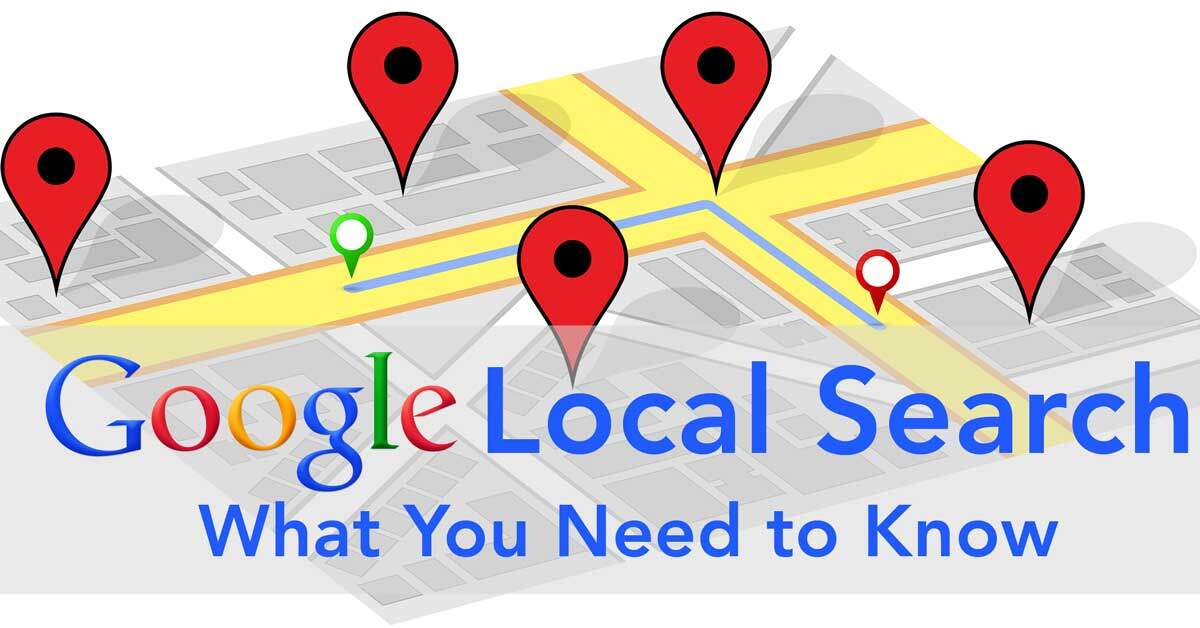
Local search plays a critical role in how customers discover, compare, and choose nearby businesses. This article explains how local SEO works, why it matters more than ever, and how search visibility turns local intent into real customer demand.

What Is Local SEO?

Local SEO is the practice of optimizing your online presence so your business appears when people search for products or services in a specific geographic area. These searches often include location modifiers like “near me,” city names, or neighborhood terms.

Unlike traditional SEO, which targets broad or national visibility, local SEO focuses on connecting businesses with customers who are ready to take action nearby. If you’re evaluating how local visibility fits into broader strategy, this guide explains why search engine optimization still matters as a growth channel.

Why Local Search Has Become the Default Buying Path

Today’s buyers rely on search engines to solve immediate problems. Whether they’re looking for a service provider, comparing options, or checking availability, local search is often the first step.

Search engines prioritize local relevance because proximity, intent, and trust signals help deliver better results to users. Businesses that appear in these results gain a significant advantage before a customer ever visits a website. This is part of the larger framework outlined in how search engines drive business growth.

How Local SEO Translates Visibility Into Customers

Local SEO works by aligning your business with how search engines evaluate relevance and trust. When done well, it helps your business appear consistently across key local touchpoints.

  • Search results for location-based queries
  • Google Business Profile listings
  • Maps and mobile search results
  • Local directories and citations

This visibility builds familiarity and credibility, making customers more likely to choose your business when they’re ready to act.

To understand how local visibility fits into a broader search strategy, revisit our article on What Makes SEO Work Today, which explains SEO as a long-term system.

What Actually Matters for Local SEO Today

Modern local SEO is not about stuffing city names into pages. It requires a coordinated approach that supports both search engines and real buyers.

  • Accurate and consistent business information
  • Clear alignment with local search intent
  • Authority signals like reviews and trusted mentions
  • Location-relevant content that answers real questions
  • Technical foundations that support crawlability and speed

When these elements work together, local SEO becomes a predictable growth channel rather than a guessing game. This compounding effect is why many businesses treat SEO as a long-term growth channel rather than a short-term tactic.

Where Many Local SEO Efforts Fall Short

Many businesses struggle with local SEO because they focus on isolated tactics instead of outcomes. Rankings are tracked, profiles are created, and content is published—but results remain inconsistent.

The missing piece is strategy. Without a clear plan that connects visibility to customer behavior, local SEO activity often fails to translate into measurable growth. This is especially common when comparing internet marketing companies in Atlanta that emphasize tasks instead of systems.

How Local SEO Supports Long-Term Business Growth

Unlike short-term advertising, local SEO compounds over time. Each improvement strengthens your visibility, trust, and relevance within your market.

Businesses that invest in local search visibility benefit from lower acquisition costs, stronger brand recognition, and demand that continues even when marketing budgets fluctuate. This alignment is part of a broader internet marketing growth strategy.

What This Means for Businesses Competing Locally

For businesses operating in competitive regions, local SEO must be treated as a system—not a checklist. Success comes from aligning technical execution, content, authority, and conversion paths with how local buyers actually search.

This same framework is applied when delivering Atlanta SEO services designed to help businesses capture local demand and convert search visibility into real revenue.

Final Takeaway

Local SEO influences nearly every local buying decision. When built correctly, it becomes a reliable engine for attracting qualified customers and supporting sustainable business growth.


Related Strategic Insights

SEO Strategies Guide 2025

1. Introduction to SEO

SEO Basics

Search Engine Optimization (SEO) is the process of improving your website’s visibility on search engines like Google. Learn more about Webociti’s SEO services to see how we can help. For additional insights, check out Google’s SEO Starter Guide.

For example, a local bakery that optimized its website saw a 50% increase in online orders within three months, thanks to improved search rankings and targeted content. Similarly, a small tech startup that revamped its SEO strategy achieved a 40% increase in organic traffic by focusing on long-tail keywords and creating high-quality blog content. When done correctly, SEO drives organic traffic, increases conversions, and enhances your brand’s credibility. In today’s competitive online landscape, a strong SEO strategy is essential to ensure your website stands out.

Did you know? Websites on the first page of Google receive over 90% of traffic. This is because users tend to trust and click on the top results, assuming they are the most relevant. Failing to make it to the first page means losing out on significant click-through opportunities, which could dramatically impact your website’s visibility and conversions. Without an effective SEO strategy, your site may go unnoticed. This guide is designed to provide actionable steps and strategies that will help you optimize your website for 2025.

2. Core Components of SEO

Core Components of SEO

On-Page SEO

  • Title Tags & Meta Descriptions: Craft compelling, keyword-rich titles and meta descriptions to attract clicks.
  • Header Tags: Use H1, H2, and H3 tags to structure content clearly for readers and search engines.
  • Content Quality: Write content that provides real value, answers user questions, and incorporates keywords naturally.
  • Internal Linking: Link to relevant pages within your site to improve navigation and SEO.
  • Schema Markup: Use structured data to help search engines understand your content and improve search results.

Off-Page SEO

  • Link Building: Earn high-quality backlinks from reputable websites.
  • Social Media Signals: Share your content on social media to increase brand visibility.
  • Influencer Outreach: Collaborate with influencers in your niche to boost credibility and traffic.

Technical SEO

  • Mobile Optimization: Make sure your site is responsive and mobile-friendly.
  • Page Speed: Compress images, enable caching, and minimize code to improve loading times.
  • Site Health: Use tools like Google Search Console to fix crawl errors, broken links, and duplicate content.

3. Content Strategies

Content Strategies Illustration

When creating content for SEO, it’s essential to go beyond simply listing features and benefits. Instead, focus on telling a compelling story that resonates with your audience. Great storytelling engages readers emotionally, making your content more memorable and impactful. Think about your audience’s challenges and craft narratives that position your brand as the solution.

For example, a travel agency might share the story of a family who had a life-changing experience on one of their vacation packages. By framing the trip as a journey filled with discovery and connection, they not only highlight the benefits of their service but also create an emotional connection with potential customers. Metrics tied to storytelling, such as reduced bounce rates and increased time on page, further emphasize its effectiveness in keeping readers engaged and boosting rankings.

  • Engaging Formats: Mix articles, videos, infographics, and podcasts to keep your audience interested.
  • Topic Clusters: Create pillar content supported by related articles to establish topical authority.
  • Content Refreshing: Regularly update existing content to maintain relevance and improve rankings.
  • Multimedia Integration: Add high-quality images, charts, and videos to increase user engagement and time on page.

4. Keyword Research

Keyword Research Tools

Keyword research is one of the most critical steps in any SEO strategy. It lays the foundation for your entire campaign, ensuring that you’re targeting the right audience with the right content. Without proper keyword research, your SEO efforts could fall flat, wasting time and resources. Taking the time to get it right can mean the difference between success and obscurity.

  • Start with Tools: Use tools like Google Keyword Planner, SEMrush, and Ahrefs to identify relevant keywords.
  • Long-Tail Keywords: Target phrases with lower competition but high search intent.
  • Competitor Analysis: Evaluate which keywords your competitors are ranking for, analyze the content that ranks, and identify gaps or opportunities you can exploit.
  • Search Intent: Understand whether the keyword indicates informational, transactional, or navigational intent.

5. Local SEO

Local SEO and Google Maps

For businesses that depend on local customers, local SEO is a game-changer. A critical element of local SEO is leveraging Google Maps, as it plays a significant role in helping customers find your business easily. To optimize your Google Maps listing, ensure that your business profile is complete with accurate information such as your address, phone number, and business hours. Use high-quality photos of your storefront, products, or services to create an engaging visual presence. Additionally, incorporate local keywords in your business description and encourage customers to leave reviews, as these factors can significantly improve your ranking on Google Maps.

  • Google Business Profile: Ensure your listing is complete with accurate NAP (Name, Address, Phone).
  • Local Keywords: Include city or neighborhood-specific keywords in your content. Discover more tips in our Local SEO guide.
  • Online Reviews: Encourage satisfied customers to leave reviews on platforms like Google and Yelp.
  • Local Backlinks: Partner with local directories and businesses for backlinks.

6. Measuring Success

SEO Metrics Dashboard

Knowing whether your SEO strategy is working requires tracking key metrics. Use these tools and metrics:

  • Organic Traffic: The number of visitors coming from search engines. High organic traffic indicates your keywords and content are attracting the right audience.
  • Bounce Rate: How often visitors leave after viewing one page. A high bounce rate may suggest your content isn’t meeting user expectations.
  • Time on Page: How long users stay on a specific page. Longer times indicate that your content is engaging and informative.
  • Conversion Rate: Percentage of visitors completing desired actions, like filling out a form or making a purchase.
  • Click-Through Rate (CTR): The percentage of users who click on your link after seeing it in search results.
  • Keyword Rankings: Monitor how your targeted keywords are performing over time.

7. Advanced SEO Techniques

Advanced SEO Tools

Advanced SEO isn’t just about technical tweaks; it’s also about weaving storytelling into your strategy. To implement these techniques effectively, you need the right tools:

  • Beginner-Friendly Tools: Yoast SEO (for WordPress), AnswerThePublic.
  • Advanced Tools: SEMrush, Ahrefs, Screaming Frog SEO Spider, Moz Pro, Google Analytics, and Search Console. Explore how these tools integrate with Webociti’s Digital Marketing services.
  • Core Web Vitals: Prioritize user experience metrics like loading speed, interactivity, and visual stability.
  • Video SEO: Optimize video content with transcripts, captions, and proper metadata.
  • Content Personalization: Tailor content to individual user preferences and behaviors.

9. Common SEO Mistakes to Avoid

  • Keyword Stuffing: Overusing keywords can lead to penalties and lower rankings.
  • Ignoring Mobile Optimization: A poor mobile experience can drive users away.
  • Neglecting Analytics: Without data, you’re flying blind.

10. Ready to Boost Your SEO in 2025?

Next Steps

  • Identify Your Priorities: Focus on areas that need immediate attention, like page speed or local SEO.
  • Consult with Experts: Work with professionals to develop a tailored strategy.

Frequently Asked Questions (FAQ)

  • What is the first step in implementing an SEO strategy? The first step is conducting thorough keyword research to target the right audience effectively.
  • How long does it take to see results from SEO? SEO is a long-term strategy, and it can take weeks to months to see significant results.
  • What tools are essential for beginners in SEO? Tools like Google Analytics, Google Search Console, and Yoast SEO are beginner-friendly and effective.

Transform Your SEO Strategy Today

Are you ready to take your SEO strategy to the next level? Webociti specializes in creating tailored SEO solutions that drive results. Whether you need help with keyword research, content optimization, or technical SEO, our team of experts is here to assist.

Contact us today for a free consultation and let’s discuss how we can help you achieve your digital marketing goals. Call us at 678-892-7157 or visit our website to learn more!

Schedule a Consultation


Unlocking Growth: Content Marketing Strategies for Small Businesses

In this post: Learn 8 actionable content marketing strategies that helped a small business drive real growth—and how you can apply them too.

Want to grow your small business without spending a fortune? These content marketing strategies for small businesses helped one boutique double its customer base—and you can use them too.

That’s exactly what happened to Eliza’s Designs, a small boutique that leveraged targeted content marketing to skyrocket visibility and sales. In today’s digital-driven market, this is not just possible but increasingly common. Content marketing offers a powerful way for small businesses to build brand awareness, drive engagement, and grow efficiently. Let’s explore how you can replicate that success.

1. Define Your Audience and Goals

Before diving into content creation, define who your target audience is and what you want your content to achieve—brand awareness, leads, or engagement. Having clear goals ensures you create purposeful content.

Action Tip: Create buyer personas to detail demographics, interests, and pain points for laser-focused messaging.

2. Leverage the Power of Storytelling

Share stories about your brand’s origin, challenges overcome, and the mission that drives your business. Emotional connection builds stronger loyalty.

Action Tip: Include testimonials and customer case studies to tell authentic stories and provide social proof.

3. Optimize Content for SEO

Make your content discoverable through search engines by targeting the right keywords and structuring your pages well.

Action Tip: Use tools like Google Keyword Planner or SEMrush to identify relevant terms. Optimize titles, headers, and descriptions.

4. Diversify Your Content Formats

Different formats appeal to different segments of your audience. Go beyond blogs by using video, infographics, podcasts, and carousels.

Action Tip: Track engagement trends to see which formats work best—then invest accordingly.

5. Utilize Content Calendars

Planning content in advance helps you stay consistent and relevant. It’s also essential for seasonal and campaign timing.

Action Tip: Use Trello or Google Calendar to schedule themes, channels, and publishing dates.

6. Promote Your Content Across Channels

Content promotion is just as important as creation. Use email, social media, and partnerships to expand your reach.

Action Tip: Repurpose posts into LinkedIn articles, Instagram carousels, or newsletter segments.

7.Analyze and Adapt Your Content Marketing Strategies

Monitor performance regularly to improve results. Data should inform your strategy moving forward.

Action Tip: Review Google Analytics each month—track page views, bounce rate, and conversions.

8. Encourage User-Generated Content

Let your audience be your best advocates. UGC is authentic and adds credibility to your marketing.

Action Tip: Launch campaigns asking for photos, videos, or testimonials you can share.

Conclusion

Eliza’s Designs is just one of many success stories that show how effective content marketing can drive ROI. Strategic storytelling, SEO, and consistency are the backbone of growth in today’s digital economy.

Ready to see results? Schedule a free consultation today and discover how Webociti’s proven content marketing strategies can help grow your business.


📞 Let’s Get Started

As we step into 2024, the landscape of Search Engine Optimization (SEO) continues to evolve, compelling marketers and content creators to adapt and refine their strategies. Amidst various SEO tactics, one approach stands out for its effectiveness and precision—focusing on long tail keywords. This targeted strategy not only aligns with the latest algorithms but also meets the changing behaviors of users. Here, we delve into why long tail keywords are pivotal for your SEO strategy in 2024 and how you can leverage them to boost your online visibility, traffic, and engagement.

Understanding Long Tail Keywords

Long tail keywords are phrases that are more specific and usually longer than more commonly used keywords. While they tend to attract less traffic, the traffic is more targeted, leading to higher conversion rates. For example, instead of targeting “running shoes,” a long tail keyword would be “women’s trail running shoes for overpronation.”

The Rising Importance of Long Tail Keywords in 2024

Voice Search and Conversational AI: With the increasing use of voice-activated devices and conversational AI, searches have become more natural and specific. People tend to use longer, more conversational phrases when using voice search, making long tail keywords more relevant than ever.

Enhanced User Intent Matching: Search engines are becoming more sophisticated in understanding and matching user intent. Long tail keywords, by their nature, are more explicit about the intent, allowing businesses to cater to specific needs, questions, or problems of their target audience.

Increased Competition for Short Tail Keywords: As the digital space becomes more saturated, ranking for short tail, highly competitive keywords has become increasingly challenging. Long tail keywords present an opportunity to target niche markets with less competition.

Better Conversion Rates: Users searching with long tail keywords are often further along in the buying cycle and are more likely to convert. By targeting these phrases, businesses can attract more qualified leads.

How to Leverage Long Tail Keywords in Your SEO Strategy

Keyword Research: Start with comprehensive keyword research to identify long tail keywords relevant to your business and audience. Tools like Google Keyword Planner, SEMrush, and Ahrefs can provide insights into search volume, competition, and related phrases.

Content Creation:
Create high-quality, valuable content that addresses the specific queries and needs indicated by your long tail keywords. This could be in the form of blog posts, FAQs, how-to guides, or product reviews.

On-Page SEO: Incorporate long tail keywords naturally into your content, including titles, headings, meta descriptions, and throughout the body text. Remember, user experience and readability are paramount, so avoid keyword stuffing.

Voice Search Optimization: Given the rise of voice search, ensure your content is conversational and answers questions directly. Structured data markup can also help search engines understand and index your content more effectively.

Monitor and Adapt: SEO is not a set-it-and-forget-it task. Regularly monitor your rankings, traffic, and conversion rates for your targeted long tail keywords. Use analytics to refine your strategy and explore new long tail opportunities.

Best Practices for Targeting Long Tail Keywords


Focus on Quality Over Quantity:
It’s better to rank highly for a few highly relevant long tail keywords than to rank poorly for many irrelevant ones. Quality content tailored to specific long tail phrases will yield better results.

Understand Your Audience: Deeply understanding your target audience’s preferences, problems, and language will enable you to identify and target the most effective long tail keywords.

Balance with Broader SEO Strategy: While focusing on long tail keywords, don’t neglect broader SEO practices. A well-rounded SEO strategy includes a mix of short tail and long tail keywords, backlink building, technical SEO, and user experience optimization.

Embrace the Future of SEO with Long Tail Keywords

The emphasis on long tail keywords transcends basic SEO tactics; it’s a strategic necessity for businesses aiming for success in the digital arena of 2024. By targeting these specific, less competitive phrases, you not only enhance your site’s traffic and rankings but also significantly boost conversions.

Ready to Elevate Your SEO Game?

Our team of SEO experts is ready to help you harness the full potential of long tail keywords. Whether you’re refining your current strategy or starting anew, we’ll tailor our approach to match your goals and the latest trends.

Don’t let the complexities of SEO hold you back. and let’s embark on a journey to amplify your online visibility and success in 2024 and beyond. Your path to SEO mastery begins with us.

Schedule Your Consultation Now

Embrace the power of long tail keywords and watch your digital marketing efforts soar. With the right strategy, tools, and expertise, there’s no limit to what you can achieve in the vast digital landscape.

Embrace long tail keywords and transform your digital marketing strategy. Let’s make 2024 your most successful year. Call us now at 678-892-7157.

Local Search: Harnessing Its Power for Your Business

Local Search

Local search optimization is crucial for businesses targeting customers in their vicinity. Surprisingly, I often encounter local businesses aiming to dominate national search results. If you’re an eco-friendly dry cleaner in Yuma, Arizona, ranking number one nationally isn’t just impractical—it could detract from your local search efforts. This post explains why local search is vital for your business and provides practical tips for enhancing your local search presence.

Why Local Search Matters

Consider these statistics:

  • Google processes over 100 billion searches each month.
  • The platform has more than 117 billion unique visitors monthly.
  • Over half of these searches originate from mobile devices.

These figures highlight the significance of mobile and local search. If your business isn’t optimized for local mobile users, you’re likely missing out on a substantial customer base.

Tips for Local Search Optimization

Leverage Local Landmarks

If your business is near a well-known landmark, mention this on your website. For instance, stating “Located across the street from the Landmark Hotel” not only aids in local SEO but also makes it easier for customers to find you.

Engage on Social Media

Establish a presence on platforms like Google+, Facebook, and other relevant networks. These platforms should align with the needs of your target audience and complement your website’s content.

Encourage Customer Reviews

Actively request customer reviews on your website and social media pages. Promptly respond to both positive and negative feedback. Thanking customers for their business or addressing their concerns

Maintaining Your Local Search Presence

Achieving a high local search ranking requires continuous effort. Your content must be regularly updated, and your SEO strategies need constant refinement. Many small to medium-sized businesses find it beneficial to partner with professionals for this ongoing task.

At Webociti, we specialize in helping businesses like yours thrive in their local markets through targeted SEO strategies. Our team of local search experts can help you create meaningful connections with your customers and significantly improve your online visibility.

Ready to boost your local search rankings?

Contact Webociti today at 678-892-7157 for a free consultation. Let’s transform your local search strategies into tangible results!

From time to time I have written here about the importance of optimization of your site for mobile device users. If I haven’t convinced you that you need to be mobile optimized, take a look at the following stats.

  1. On May 15, 2015, Google announced that “More Google searches take place on mobile devices than on computers in 10 countries including the US and Japan.” 
  2. Nearly 7 billion people use mobile phones approaching 90 percent of the population of earth.
  3. 80 percent of Internet users own a smart phone
  4. 72 percent of consumers surveyed want mobile-friendly sites
  5. 53 percent of mobile searches are by consumers looking for local goods or services
  6. According to  MediaPost, “Mobile shoppers put ease of use foremost when it comes to mobile shopping sites, with 48% of respondents citing it as the most important quality of a mobile site they visit.”

Together or separately, the above six statistics offer compelling reasons to make sure your website is mobile optimized.
Mobile Optimized

Tips on Mobile Market Optimization

Some of these tips require that you are knowledgeable about how mobile sites work. If you need assistance call me at Webociti. The toll-free number is 888-685-4910. Or, you can schedule a call with us here.

Remember back in April when Google announced that regarding web search rankings mobile-friendliness became a factor in ranking? Well, optimizing for mobile makes Google and its bot army happy with your site – an important factor for your overall Internet marketing campaign.

Tip 1 – Mobile SEO

The design for mobile websites should be responsive website design (RWD). RWD is a particular way of designing a site so that is viewed optimally and delivers a good interactive experience with as little resizing, scrolling, and panning as well as easy navigation. Page speed for loading and navigating have to be quick – mobile users are not necessarily a patient bunch and many will look for a faster site than yours if yours takes too long to load.

Tip 2 – Content

Making things shorter is not a good idea, but making content concise is. Mobile users want content that is both impactful and scannable by the human eye and brain. Get read of clutter and be sure you format in a way your audience appreciates – information should not be removed if it is relevant, but content should be offered in chunks that are bite-size and easy to consume.

Using images is a big draw on mobile devices. I recall a statistic that said conversions were as much as 60 percent higher for mobile sites with images. Caution here though – make sure the images do not slow your load time.

Use video too. Conversion rates are even higher when you do with click-through rates increased by 200 to 300 percent.

Social Media

Did you know that in 2015 there are more than 1.69 billion social media accounts that are accessed exclusively through smartphones? Don’t forget about your social audience when you craft and put up social media content.

Try to find social media platforms that offer mobile-friendly apps and add-ons that you can easily tie your brand into.

Also, be visual as discussed in the tip for Content.

Mobile optimization is the way local marketing is headed. If you need any help give us a call at 678-892-7157 or visit us at Webociti.

Till Next Time,

Joe

Important Changes In Google Local Search

It was just a few weeks ago, in early August 2015 that Google announced a major change in Google local search results. It was made very quietly and seems to have gone almost unnoticed by many in the Internet marketing industry, and DIY marketing folks.

On August 7, 2015 Google changed Local Search Engine Results from a “local pack” of 7 local businesses to only a three pack. The screenshot below only returns three businesses in Roswell, GA for the category auto repair, the map shows scores more, but you have to click on the button below the three businesses that are part of the three pack marked More Auto Repair.

Google Local Search

Look closely above; notice anything else that has changed?

If you see that addresses are no longer listed you are a winner! Or maybe a loser if you were consistently appearing in the seven pack. Now, to get your address searchers either you can click on “directions” or “website” which is found to the right of the listing.

Any other changes that you notice? Not only are addresses no longer available, neither are phone numbers appearing. This means for a searcher to call your business they have to click through to the listing or go to your website for your phone number.

There are more changes – for instance store hours are now listed, but Google+ links are removed. It is paradoxical that Google removed the G+ links as they recently announced an effort to have local businesses claim their page officially and verify it.

Another new innovation for Google is that it rolled out the smaller packs in both the United States and internationally at the same time.

In addition, business hours with both opening and closing times are now displayed in the new 3 packs.

Google also has stopped calling the reviews “Google” reviews and now the search engine simply calls them ‘reviews.’

Remember how when you scrolled over the local listings the local card for a business is revealed? Now, you can foggetaboutit! That’s over, you now must click through to the secondary local page.

Searchers will eventually learn that if you click anyplace other than a SER website they will get more local listings and a map. Each page has 20 local listings and there is no limit on how many pages a user may visit.

On mobile local search the address is gone, but a new option replaced it, a big fat ‘call’ button.

Why the Change?

For now, Google confirms the changes in Google local search but has said nothing else. Some industry analysts believe it has to do with the May 2015 incident where Google maps returned the White House as well as Howard University as racist terms. Google will not confirm or deny that this was the reason for the changes.  (Read more)

What is Next?

With the probability of a business that was in the top seven under the old system, but not in the 3 pack under the new system, the importance of great content combined with great search engine optimization, becomes more important than ever. The competition to make it into a three pack is more than intense, and many companies will engage outside specialists for Google local search optimization.

Webociti is an Atlanta based marketing firm that works with Internet marketers all across the world. Webociti specializes in Internet marketing optimization including local search optimization. Call us, at Webociti to learn more our number is 678-892-7157.

How Local SEO Drives Traffic and Improves Sales

You’d Show Off This Expensive Yacht, Why Not Your Website Too?

If you bought a yacht, you would invite your friends and associates aboard to show it off. Why is it then, you spend a gizzalion dollars on a website and fail to drive traffic to it?

Local SEO

If you want to increase conversion rates on your website you need more traffic. The best thing a company can do is optimize for local Search.  If you are a business that serves a local community, optimizing for the entire web to find you is expensive and a waste of time. Would you rather be on page 2,301,302 of search results for pizza shops, or number one or close to it for results among your client customer base, the community you serve? It still takes work to properly prepare your site for local SEO search, but the ROI for your time and costs are worth it. In fact, if you are too busy running your business, or unsure of how to make changes to your site, get a quote from a firm that has the expertise to do the best possible job for optimizing your website for local search.


What You Need to Dominate Local Search for Your Business

  • Geo-targeted blog posts and landing pages – If your pizza shop is in Chicago, you have loads of competitors. They may have defined their local search as Chicago, but you can do better. Simply use Geo-location targeting for your blog posts and landing pages. This means that if you in the River North neighborhood of Chicago, your posts and landing pages say something like “Serving River North since 1968” or “by the Blue Line El and Division Street. The more ways you can describe your physical location the better. Google bots searching the web, use this information for local search. Be sure your tags include Geo-location information.
  • Speaking of Google, get a Google+ page for your business. It automatically shows your site on Google Maps on your Google+ page. Complete all information accurately and stay within the Google+ guidelines. If you have an 800 telephone number, do not use it. Use your area code and local phone number. People scan the web, they do not carefully read it, a toll-free number suggests that you are not a local business and the prospect may move on. You can select up to five categories for your business to list. Try to choose words and phrases that your competition use and check to see if they mesh with yours. If not, consider the categories they chose. There are free online tools for this such as Google AdWords Planner.
  • Use a social media strategy as Google and other search engines continue applying a choke hold to link building. Instead, of building links with paid link services, article sites, and guest blogging rely on social media besides Google+. Start a business page on Facebook and LinkedIn, as well as Twitter. Choose sites that are right for your business. It is a waste of time for a pizza shop to take part on LinkedIn. To manage updates, use a service such as Buffer. It is important that you update social media often, just as websites need fresh and relevant content added often.
  • Implement a strategy for reviewing online reviews. Did you know that 85 percent of buyers check out online reviews of products, stores, and restaurants before making a purchase? The majority admits that online reviews influence their buying decisions. This is why you have to manage your online reviews and respond to them, factually and politely, when they are negative and thank reviewers with a short public comment when their reviews are great. Just a TY in the comment box does the job.

Local SEO and Smartphones

More and more local search takes place on smartphones. This is why in April, 2015 Google added factors on how your site acts on a smartphone as part of the criteria their algorithm uses in search engine rankings.

The importance of local search in increasing traffic and conversion on your website cannot be overstated. But, if time and/or talent is difficult for you, call Webociti where clicks turn into customers using Local SEO. The number 678-892-7157.

What Is SEO

Learn What It Is and Why You Need It.

SEO – When your business has a website or blog, your goal is to get it noticed by the consumers or clients you want to reach. SEO, or search engine optimization, can help you accomplish this goal. Basically, when you use SEO correctly, it helps connect your page with the people who are looking for the information you offer on your page.

It achieves this through search engines. With SEO, you gain visitors to your website through organic search results. You don’t have to pay for people to find your site; instead, you optimize your site so they find you. Search engines rank websites based on how they are optimized through design, programming and content; the search engines show the highest ranked pages first, so your goal is to become one of those.

What Are Keywords All About?

A major part of SEO focuses on using carefully selected keywords within well-written and valuable content, meta tags, headings and other parts of each page. You find keywords that fit your site’s area of focus, whether you’re offering products, services or information. If you have a local company, you can also include your city and state within your keywords.

Effective use of these carefully chosen keywords, along with your site’s organization and structure, can help your site come up on the search results when someone is searching for something that your business offers. So when someone enters a keyword, such as chiropractors in Denver, into his favorite search engine, your site can come up at the beginning of the search results if it’s optimized to the phrase “chiropractors in Denver.”

Is SEO Just About Keywords?

SEO is very competitive because many companies use the same keywords and try to reach the same audience you are. Also, the search engines want to offer quality sites to their searchers, instead of ones that simply add keywords to their pages. Therefore, SEO is about using a variety of techniques that go far beyond keywords. Some techniques search engines look at include links on the internet that lead to your page, quality content that is valuable to the reader and the number of times your information is shared on social media.

Understanding SEO Beyond Keywords: The Technical Side

While keywords are fundamental to SEO, the technical aspects of your website play a crucial role in your overall success. This includes site speed, mobile-friendliness, secure connections (HTTPS), structured data, and user-friendly navigation. Each element contributes to a positive user experience, a factor that search engines heavily weigh. Explaining these technical components in detail can provide readers with a checklist for evaluating and improving their website’s SEO foundation.

The Evolution of SEO: A Journey Through Time

SEO isn’t static; it’s a dynamic field that has evolved significantly since the early days of the internet. From the simplicity of keyword stuffing and backlink farming to the sophistication of today’s algorithms that prioritize user experience and content relevancy, understanding SEO’s evolution helps businesses appreciate the importance of adapting their strategies to current best practices. This section could explore major milestones in SEO history and predict future trends, such as the increasing significance of AI and machine learning in search algorithms.

Content Is King: Crafting Quality SEO-Friendly Content

Dive deeper into how to create content that resonates with both search engines and readers. This involves more than just inserting keywords into articles; it’s about producing valuable, engaging content that answers questions, solves problems, or entertains. Discuss the importance of understanding user intent and how to align content with various stages of the buyer’s journey. Offer tips on content formats that perform well, such as how-to guides, listicles, infographics, and video content.

Link Building: Establishing Authority and Trust

Explore the importance of building a robust backlink profile to enhance your site’s authority and search engine ranking. Discuss ethical link-building practices, such as guest blogging, creating shareable infographics, and leveraging social media to increase visibility and encourage natural backlinks. Highlight the risks of black-hat SEO techniques and emphasize the value of quality over quantity in link-building efforts.

Measuring SEO Success: Analytics and Tools

An essential aspect of SEO is tracking and measuring the impact of your efforts. Introduce readers to key metrics and tools that can help monitor SEO performance, including Google Analytics, Google Search Console, and third-party SEO tools like SEMrush or Ahrefs. Discuss how to interpret data like traffic sources, bounce rate, conversion rate, keyword rankings, and backlink quality. Offer guidance on adjusting strategies based on analytical insights. Also refer to Google’s SEO Starter Guide.

SEO Myths and Misconceptions

Debunk common SEO myths that can mislead or confuse beginners. For instance, dispel the notion that SEO is a one-time task rather than an ongoing strategy, or that meta tags alone can significantly boost rankings. Clarify misconceptions about the speed of seeing SEO results, emphasizing the need for patience and persistence.

Getting Professional Help: When to Hire an SEO Expert

Expand on the initial mention of seeking professional help by outlining scenarios when investing in an SEO expert or agency becomes critical. Discuss the signs that indicate your business might benefit from professional SEO services, such as stagnant website traffic, poor rankings for key search terms, or a lack of in-house SEO expertise. Offer tips for choosing a reputable SEO partner, including questions to ask and red flags to watch out for.

Conclusion: The Continuous Journey of SEO Mastery

Wrap up the extended post by reinforcing the idea that SEO is a marathon, not a sprint. Encourage businesses to stay informed, adapt to changes, and continually refine their strategies. Emphasize that while the landscape of SEO will inevitably evolve, the core goal remains the same: to deliver valuable content to users in the most accessible and user-friendly manner possible.

Take the Next Step in Your SEO Journey

Are you ready to elevate your website’s SEO and connect with more customers than ever before? Whether you’re just starting to explore the world of SEO or looking to refine your existing strategy, we’re here to guide you through every step of the process.

Webociti offers comprehensive SEO services tailored to your business’s unique needs. From keyword research and content creation to technical SEO and analytics, our team of experts has the knowledge and experience to boost your online visibility and drive meaningful results.

Don’t let the complexities of SEO hold you back from achieving your digital marketing goals. Contact us today for a personalized consultation. Together, we’ll develop a strategy that not only improves your search engine rankings but also enhances the overall experience for your site’s visitors.

Ready to transform your SEO strategy and unlock your website’s full potential?

Click here to schedule your consultation with a Webociti SEO expert. Let’s make 2024 the year your business dominates the digital landscape.

We’re excited to hear from you!

Share your thoughts, questions, or SEO challenges in the comments below, or reach out directly. Your journey towards SEO mastery starts with a single step—let’s take that step together.

Call us now at 678-892-7157
to begin crafting your path to SEO success.

Navigating the Ever-Evolving Landscape
of Internet Marketing Strategy


The Evolution of SEO and the Importance of Expertise

In the fast-paced world of digital marketing, yesterday’s tactics can quickly become today’s penalties. There was a time when keyword stuffing might vault a website to the top of search engine results. However, major search engines like Google have significantly refined their algorithms with updates like Panda, Penguin, and Hummingbird, prioritizing user experience and relevant content over mere keyword density.

Modern SEO: A Balanced Approach

Today, Search Engine Optimization (SEO) remains a critical component of any successful internet marketing strategy, but it has evolved far beyond the simplistic practices of the past. SEO now requires a nuanced approach, blending technical optimization with quality content and user engagement.

For brick-and-mortar businesses not directly selling online, local SEO is crucial. The focus here is on competing within your geographical area rather than on a national or global scale. Modern SEO practices might involve specifying your location in unique ways, like “Folsom’s oldest steakhouse” or “best steak dinner in Old Town, Folsom,” to differentiate your offering and connect with local searches.

Long-Tail Keywords and Content Relevance

Gone are the days when repeatedly using generic keywords like “steak” could guarantee search visibility. Today, this practice, known as keyword stuffing, is likely to incur search engine penalties. Instead, the focus has shifted to long-tail keywords—more specific phrases such as “steakhouse,” “sirloin steak,” or “T-bone steak.” These not only enhance the readability of your content for visitors but also improve your site’s search engine relevance when used in conjunction with effective meta-tags.

Off-Site SEO Factors

Effective SEO also extends beyond your website. Ensuring your site is accessible to search engine crawlers—or bots—is crucial for visibility. This involves technical aspects of SEO, such as proper indexing and the use of structured data to help search engines understand and prioritize your content.

Why Expert Help is Essential

With the complexity of current SEO practices, from on-page optimization to managing local search dynamics and implementing robust content strategies, navigating the SEO landscape can be daunting. This is why many businesses turn to Internet marketing experts.

At Webociti, we specialize in crafting tailored SEO strategies that not only comply with the latest search engine guidelines but also drive meaningful engagement and conversions. Whether it’s optimizing your site structure, developing targeted content, or managing your digital presence across multiple platforms, our team ensures that your online marketing efforts yield sustainable results.

Take Your Business to the Next Level with Professional SEO

Are you ready to elevate your internet marketing strategy with professional SEO? Contact Webociti at 678-892-7157 for a comprehensive consultation. Discover how our expertise can transform your digital presence and help you achieve lasting success in the competitive online marketplace.

#InternetMarketing #SEOtips #DigitalMarketing #ContentIsKing #GoogleUpdates #LocalSEO #KeywordStrategy #SEOOptimization #OnlineMarketingTrends #MarketingStrategy