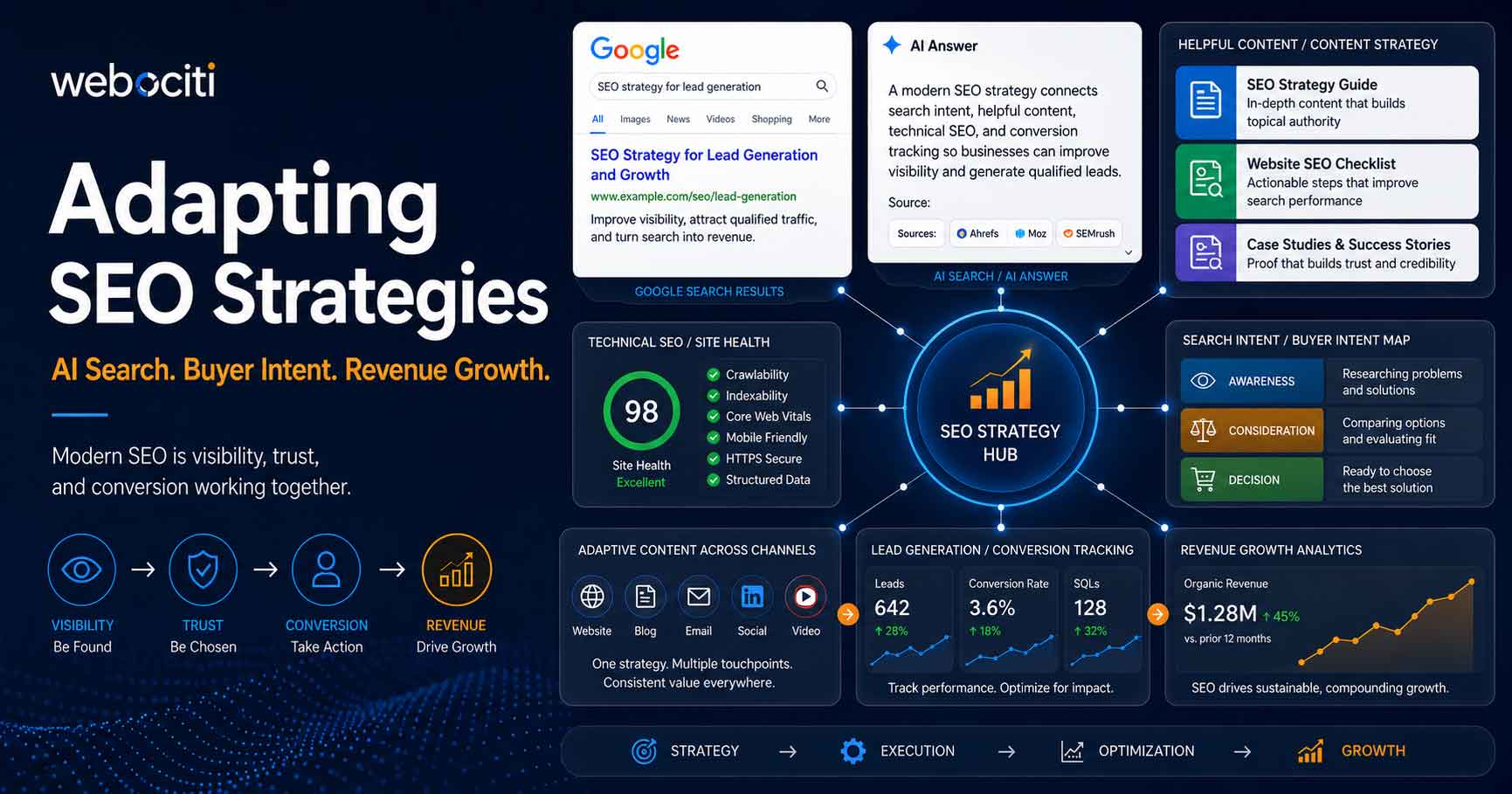
TL;DR: SEO remains the most reliable long-term growth channel because it compounds over time, aligns with buyer intent, and continues generating demand long after the work is done.

In summary

While marketing tactics come and go, search engine optimization continues to deliver durable, compounding growth. This article explains why SEO remains the most reliable long-term growth channel—and how businesses can use it to build sustainable demand instead of chasing short-term wins.

The Problem With Short-Term Growth Tactics

Many businesses rely heavily on short-term marketing tactics like paid advertising, promotions, or campaign-based traffic. While these approaches can generate quick wins, they stop producing results the moment spending or effort pauses.

This creates a cycle of dependency where growth becomes unpredictable and increasingly expensive over time. For businesses evaluating strategic marketing direction, this broader framework explains how internet marketing drives sustainable business growth.

Why SEO Behaves Differently Than Other Channels

SEO works because it aligns with how buyers naturally search, research, and make decisions. Instead of interrupting audiences, it positions your business where demand already exists.

Each improvement—technical performance, content relevance, authority—builds on the last. Over time, SEO compounds instead of resetting. If you’re unsure what modern optimization requires, this breakdown explains what makes SEO work today.

How SEO Compounds Over Time

Unlike paid channels where results reset daily, SEO gains accumulate. Pages that rank today can continue driving traffic, leads, and revenue for months or years.

  • Content continues attracting qualified buyers
  • Authority strengthens across your entire site
  • Cost per acquisition decreases over time
  • Visibility supports every stage of the buyer journey

For businesses selling products or structured services, this is where strategic structure matters. Optimizing category-level search visibility and improving product page SEO for revenue accelerates compounding growth.

SEO Aligns With How Buyers Actually Decide

Modern buyers rely on search engines to understand problems, compare solutions, and evaluate providers. SEO supports this process by ensuring your business appears at the moments that matter most.

When search visibility is aligned with buyer intent, SEO becomes a trust-building mechanism—not just a traffic source. This is especially critical in competitive local markets like Atlanta, where choosing the right internet marketing company in Atlanta determines whether strategy or tactics lead the plan.

Why SEO Outlasts Algorithm Changes

While algorithms evolve, the fundamentals of SEO remain stable. Search engines consistently reward sites that deliver relevance, authority, and a strong user experience.

Businesses that treat SEO as a system—rather than a checklist—are far more resilient to updates and shifts in technology.

Where Businesses Go Wrong With SEO

SEO fails when it’s treated as a series of disconnected tactics. Common mistakes include:

  • Chasing keywords without understanding intent
  • Publishing content without conversion paths
  • Ignoring technical issues that block visibility
  • Measuring rankings instead of revenue impact

Many businesses lose visibility during redesigns because they overlook technical SEO planning. Use our website migration SEO checklist to protect rankings during major website changes.

If your SEO efforts aren’t producing results, it may be because the system isn’t aligned. This guide explains how search engines drive measurable business growth when executed strategically.

Why SEO Is Especially Powerful for Competitive Markets

In competitive and local markets, SEO creates a defensible advantage by capturing demand before buyers ever engage with ads or sales teams.

This is the same framework we apply when delivering Atlanta SEO services designed to support sustained growth in competitive environments.

What This Means for Long-Term Business Growth

SEO isn’t about quick wins—it’s about building an asset that supports your business year after year. When executed correctly, it becomes a reliable engine for visibility, trust, and revenue.

For businesses focused on long-term growth rather than short-term spikes, SEO remains the most dependable channel available.

Final Takeaway

Marketing trends will continue to change, but search behavior will not. Businesses that invest in SEO as a long-term growth system position themselves to win—not just today, but for years to come.

For businesses focused on long-term growth, working with an experienced SEO services team helps ensure strategy, execution, and measurement stay aligned.


Related Strategic Insights

TL;DR: Local SEO helps businesses get found by nearby customers at the exact moment they’re searching. When done correctly, it drives high-intent traffic, trust, and consistent local growth.

In summary

Local search plays a critical role in how customers discover, compare, and choose nearby businesses. This article explains how local SEO works, why it matters more than ever, and how search visibility turns local intent into real customer demand.

What Is Local SEO?

Local SEO is the practice of optimizing your online presence so your business appears when people search for products or services in a specific geographic area. These searches often include location modifiers like “near me,” city names, or neighborhood terms.

Unlike traditional SEO, which targets broad or national visibility, local SEO focuses on connecting businesses with customers who are ready to take action nearby. If you’re evaluating how local visibility fits into broader strategy, this guide explains why search engine optimization still matters as a growth channel.

Why Local Search Has Become the Default Buying Path

Today’s buyers rely on search engines to solve immediate problems. Whether they’re looking for a service provider, comparing options, or checking availability, local search is often the first step.

Search engines prioritize local relevance because proximity, intent, and trust signals help deliver better results to users. Businesses that appear in these results gain a significant advantage before a customer ever visits a website. This is part of the larger framework outlined in how search engines drive business growth.

How Local SEO Translates Visibility Into Customers

Local SEO works by aligning your business with how search engines evaluate relevance and trust. When done well, it helps your business appear consistently across key local touchpoints.

  • Search results for location-based queries
  • Google Business Profile listings
  • Maps and mobile search results
  • Local directories and citations

This visibility builds familiarity and credibility, making customers more likely to choose your business when they’re ready to act.

To understand how local visibility fits into a broader search strategy, revisit our article on What Makes SEO Work Today, which explains SEO as a long-term system.

What Actually Matters for Local SEO Today

Modern local SEO is not about stuffing city names into pages. It requires a coordinated approach that supports both search engines and real buyers.

  • Accurate and consistent business information
  • Clear alignment with local search intent
  • Authority signals like reviews and trusted mentions
  • Location-relevant content that answers real questions
  • Technical foundations that support crawlability and speed

When these elements work together, local SEO becomes a predictable growth channel rather than a guessing game. This compounding effect is why many businesses treat SEO as a long-term growth channel rather than a short-term tactic.

Where Many Local SEO Efforts Fall Short

Many businesses struggle with local SEO because they focus on isolated tactics instead of outcomes. Rankings are tracked, profiles are created, and content is published—but results remain inconsistent.

The missing piece is strategy. Without a clear plan that connects visibility to customer behavior, local SEO activity often fails to translate into measurable growth. This is especially common when comparing internet marketing companies in Atlanta that emphasize tasks instead of systems.

How Local SEO Supports Long-Term Business Growth

Unlike short-term advertising, local SEO compounds over time. Each improvement strengthens your visibility, trust, and relevance within your market.

Businesses that invest in local search visibility benefit from lower acquisition costs, stronger brand recognition, and demand that continues even when marketing budgets fluctuate. This alignment is part of a broader internet marketing growth strategy.

What This Means for Businesses Competing Locally

For businesses operating in competitive regions, local SEO must be treated as a system—not a checklist. Success comes from aligning technical execution, content, authority, and conversion paths with how local buyers actually search.

This same framework is applied when delivering Atlanta SEO services designed to help businesses capture local demand and convert search visibility into real revenue.

Final Takeaway

Local SEO influences nearly every local buying decision. When built correctly, it becomes a reliable engine for attracting qualified customers and supporting sustainable business growth.


Related Strategic Insights

TL;DR: SEO works when it’s built as a system—not a checklist. Businesses see real results when strategy, buyer intent, technical execution, and conversion alignment work together.

In summary

Many businesses invest in SEO but fail to see meaningful results because they focus on isolated tactics instead of building a cohesive growth system. This article explains what actually makes SEO work today—and why strategy, intent, and execution alignment matter more than ever.

The SEO Frustration Gap

Most businesses don’t fail at SEO because it’s ineffective—they fail because they approach it without a system. Pages get optimized, keywords get tracked, and tools get installed, yet results remain inconsistent or disappointing.

The problem isn’t effort. It’s fragmentation. SEO only works when every part of the strategy supports how real buyers search, evaluate options, and make decisions. If you’re questioning whether SEO still delivers long-term value, this explains why SEO remains the most reliable long-term growth channel.

Why SEO Fails for Most Businesses

SEO often breaks down because it’s treated as a collection of tactics rather than a strategic growth channel. Common failure points include:

  • Chasing keywords without understanding buyer intent
  • Optimizing pages that don’t support conversion
  • Ignoring technical issues that block visibility
  • Publishing content without authority or differentiation
  • Measuring traffic instead of business impact

These efforts may produce activity, but they rarely produce outcomes. Businesses evaluating partners often see this gap when comparing internet marketing companies in Atlanta that focus on deliverables versus those building measurable systems.

What SEO Actually Requires Today

Modern SEO requires coordination across multiple disciplines—not just content or keywords. To work effectively, SEO must include:

  • A strong technical foundation that allows search engines to crawl and trust your site
  • Search intent alignment that matches content to buyer needs
  • Authority signals that establish credibility and expertise
  • Conversion paths that turn visibility into action
  • Measurement tied to revenue, not just rankings

When these elements work together, SEO becomes predictable and scalable. This broader view connects directly to how search engines drive business growth when strategy leads execution.

For businesses planning a redesign or platform move, our SEO migration checklist outlines the exact steps needed to protect search visibility.

SEO Is a Growth System Not a Marketing Channel

Unlike paid advertising, SEO compounds over time. Each improvement builds on the last, creating durable visibility that supports long-term growth.

Businesses that treat SEO as a system benefit from lower acquisition costs, stronger brand authority, and demand that continues even when ad budgets pause.

For businesses building broader digital strategy, this is why SEO anchors integrated internet marketing for business growth.

Where DIY SEO Typically Breaks Down

Many teams attempt SEO internally, but it often stalls due to competing priorities, lack of specialization, or misinterpretation of data.

Without a clear strategy and experienced execution, SEO becomes reactive instead of intentional and momentum is lost.

How Businesses See Real SEO Results

Companies that succeed with SEO focus less on tactics and more on outcomes. Real results look like:

  • Consistent inbound demand from qualified searchers
  • Content that supports long sales cycles
  • Search visibility aligned with revenue goals
  • Clear insight into what’s working and why

Businesses that see consistent results typically rely on structured execution from a professional SEO services partner rather than isolated tactics.

Execution depth also matters. Improving category-level SEO structure and refining product page SEO for revenue impact are examples of how tactical work supports strategic growth.

What This Means for Growing Businesses

SEO works best when it’s planned and executed as part of a broader growth strategy. For businesses competing in competitive markets—especially locally—this requires a deliberate, system-driven approach.

If you’re evaluating SEO for a competitive market, this is the same framework we apply when delivering Atlanta SEO services designed to support long-term growth, not short-term wins.

When SEO is built the right way, it stops being a gamble and becomes a reliable engine for business growth.


Related Strategic Insights

TL;DR: Search engines shape how buyers discover, evaluate, and choose businesses.
SEO leads the way by turning search demand into long-term visibility, trust, and revenue.

In summary:
Search engines influence nearly every buying decision by shaping how customers discover, compare, and evaluate businesses. This article explains how search visibility drives sustainable business growth—and why SEO remains the foundation of long-term digital strategy.

How Search Engines Drive Business Growth (And Why SEO Leads the Way)

Search engines are no longer just tools for finding information — they are the primary way buyers research problems, compare solutions, and decide which businesses they trust. For companies competing in crowded markets, search visibility has become a direct driver of growth, not a supporting tactic.

Search Engines as the Starting Point for Modern Buyers

Today’s buyers rely on search engines at every stage of the decision-making process. Whether they are identifying a problem, researching options, or validating a short list of providers, search results shape perception long before a conversation ever begins.

This shift means business growth increasingly depends on how well your company appears when buyers are actively looking — not when you interrupt them with ads. This is the broader strategic framework behind internet marketing for business growth.

How Search Visibility Translates Into Revenue

Search engines reward relevance, clarity, and authority. When your business consistently appears for the right searches, it builds familiarity and trust before a prospect ever visits your website.

  • High-intent searches signal readiness to evaluate or buy
  • Visibility reinforces credibility and expertise
  • Repeated exposure shortens sales cycles

This is why search performance is no longer measured only in rankings or traffic, but in qualified leads, pipeline influence, and long-term demand. Businesses evaluating partners often explore how to choose an internet marketing company in Atlanta based on this strategic alignment.

Why SEO Leads the Search Growth System

Search Engine Optimization sits at the center of sustainable search growth because it aligns with how search engines actually work. Unlike short-term tactics, SEO builds durable assets that compound over time.

Modern SEO combines:

  • Technical SEO: Ensuring your site can be crawled, indexed, and trusted
  • Content Strategy: Answering real buyer questions at every stage
  • Authority Building: Earning relevance through links and brand signals
  • Conversion Alignment: Turning visibility into measurable outcomes

This system-based approach allows SEO to support both awareness and revenue — not just rankings. For a deeper breakdown of execution alignment, see what makes SEO work today.

SEO vs. Short-Term Search Tactics

Paid ads, social campaigns, and one-off promotions can drive bursts of traffic, but they stop working the moment spend stops. SEO, by contrast, continues to deliver value as long as buyers are searching.

That’s why many businesses treat SEO as a growth foundation rather than a channel. It supports every other marketing effort by capturing demand that already exists. This long-term compounding effect is explained further in why SEO compounds over time as a growth strategy

How SEO Supports the Buyer Journey

Awareness

SEO content helps buyers understand problems and opportunities, positioning your brand as a trusted guide early in the journey.

Evaluation

As searches become more specific, SEO ensures your expertise is visible when buyers compare options and solutions.

Decision

At the point of action, search visibility reinforces confidence and supports conversion through clear messaging and intent-driven pages. This is why understanding why search engine optimization still matters is critical for growth-focused businesses.

When SEO Makes the Most Business Sense

SEO is particularly effective for businesses that:

  • Compete in crowded or competitive markets
  • Have longer or more considered sales cycles
  • Serve defined geographic or service areas
  • Want sustainable growth instead of short-term spikes

For companies operating in competitive regions like Atlanta, strong SEO visibility creates a measurable advantage by capturing demand at the exact moment buyers are searching.

For businesses operating in competitive regional markets, location-specific SEO becomes even more critical. Local visibility strategies, such as those outlined in Local SEO Explained, support geographic demand capture.

Learn how Webociti approaches Atlanta SEO services
to support long sales cycles, competitive industries, and sustainable growth.

SEO as a Business Growth System

When SEO is treated as an ongoing system — rather than a checklist — it becomes one of the
most reliable growth engines available to modern businesses.

By aligning search visibility with buyer intent, technical performance, and conversion
strategy, SEO turns search engines into long-term revenue drivers instead of unpredictable
traffic sources.

If you’re evaluating SEO as a growth channel, explore our SEO services for growing businesses to see how strategy-led optimization supports sustainable results.

Final Takeaway

Search engines now influence nearly every buying decision. Businesses that understand how search drives discovery, trust, and evaluation — and invest in SEO accordingly — are better positioned to grow consistently in competitive markets.


Related Strategic Insights

TL;DR: Search engine optimization (SEO) helps businesses increase qualified visibility, attract high-intent buyers, and compete in crowded markets by aligning technical SEO, content, and authority with how people actually search today.

In summary:
Search engine optimization (SEO) helps businesses increase visibility, attract
qualified traffic, and compete in search results where buying decisions begin.
This article explains what SEO is, why it matters today, and how it supports
long-term business growth.

What Is Search Engine Optimization?

Search engine optimization is the practice of improving a website’s visibility in organic search results across platforms like Google Search, Google Maps, and increasingly, AI-generated search experiences.

Modern SEO is not a single activity. It is the coordination of several disciplines working together, including:

  • Technical SEO: Ensuring search engines can crawl, index, and understand your site
  • On-page optimization: Structuring pages around search intent and relevance
  • Content strategy: Creating useful, authoritative content that answers real buyer questions
  • Authority & trust signals: Building credibility through links, mentions, and brand presence
  • Conversion alignment: Turning visibility into leads, calls, and revenue

When these components operate together, SEO becomes a system rather than a checklist. This is explored further in our breakdown of what makes SEO work today.

Why SEO Is More Than Rankings Today

For many years, SEO success was measured by where a page ranked for a specific keyword. While rankings still matter, they are no longer the full picture.

Today, effective SEO is about being visible across multiple result types, supporting the buyer journey, and establishing trust before a buyer ever clicks. That’s why many businesses view SEO not just as a tactic, but as the most reliable long-term growth channel.

How SEO Supports the Buyer Journey

Awareness

At the awareness stage, buyers are identifying problems or exploring opportunities. SEO content at this stage builds credibility and introduces your brand as a knowledgeable guide.

Evaluation

As buyers move into evaluation, searches become more specific and comparative. SEO supports deeper education and positions your brand as a qualified option.

Decision

At the decision stage, intent is highest. SEO ensures your business appears when buyers are ready to take action, supported by clear messaging and conversion paths. For businesses comparing providers, this often begins when evaluating an internet marketing company in Atlanta with a strategy-first approach.

What Makes SEO Challenging

Many SEO efforts struggle due to algorithm changes, increasing competition, content saturation, and a lack of strategy tied to business goals.

Most failures happen when SEO is treated as a one-time project rather than an ongoing system. Understanding how search engines drive business growth helps align execution with outcomes.

SEO as a Business Growth System

Sustainable SEO performance starts with strategy, followed by disciplined execution and continuous refinement based on real performance data.

When SEO is integrated into broader growth planning, it becomes a compounding asset rather than a recurring expense. This broader framework is central to how we approach internet marketing for business growth.

When SEO Makes the Most Sense

SEO is particularly effective for businesses operating in competitive markets, serving defined geographic areas, or relying on trust-driven buying decisions.

Companies often partner with professional SEO services to ensure technical execution, content strategy, and measurement are aligned.

For businesses competing locally, strong visibility through Atlanta SEO services helps capture demand where proximity and relevance matter most.

Final Takeaway

Search engine optimization remains one of the most valuable growth channels available when it is aligned with buyer intent, executed strategically, and measured against real business outcomes.


Related Strategic Insights

SEO Strategies Guide 2025

1. Introduction to SEO

SEO Basics

Search Engine Optimization (SEO) is the process of improving your website’s visibility on search engines like Google. Learn more about Webociti’s SEO services to see how we can help. For additional insights, check out Google’s SEO Starter Guide.

For example, a local bakery that optimized its website saw a 50% increase in online orders within three months, thanks to improved search rankings and targeted content. Similarly, a small tech startup that revamped its SEO strategy achieved a 40% increase in organic traffic by focusing on long-tail keywords and creating high-quality blog content. When done correctly, SEO drives organic traffic, increases conversions, and enhances your brand’s credibility. In today’s competitive online landscape, a strong SEO strategy is essential to ensure your website stands out.

Did you know? Websites on the first page of Google receive over 90% of traffic. This is because users tend to trust and click on the top results, assuming they are the most relevant. Failing to make it to the first page means losing out on significant click-through opportunities, which could dramatically impact your website’s visibility and conversions. Without an effective SEO strategy, your site may go unnoticed. This guide is designed to provide actionable steps and strategies that will help you optimize your website for 2025.

2. Core Components of SEO

Core Components of SEO

On-Page SEO

  • Title Tags & Meta Descriptions: Craft compelling, keyword-rich titles and meta descriptions to attract clicks.
  • Header Tags: Use H1, H2, and H3 tags to structure content clearly for readers and search engines.
  • Content Quality: Write content that provides real value, answers user questions, and incorporates keywords naturally.
  • Internal Linking: Link to relevant pages within your site to improve navigation and SEO.
  • Schema Markup: Use structured data to help search engines understand your content and improve search results.

Off-Page SEO

  • Link Building: Earn high-quality backlinks from reputable websites.
  • Social Media Signals: Share your content on social media to increase brand visibility.
  • Influencer Outreach: Collaborate with influencers in your niche to boost credibility and traffic.

Technical SEO

  • Mobile Optimization: Make sure your site is responsive and mobile-friendly.
  • Page Speed: Compress images, enable caching, and minimize code to improve loading times.
  • Site Health: Use tools like Google Search Console to fix crawl errors, broken links, and duplicate content.

3. Content Strategies

Content Strategies Illustration

When creating content for SEO, it’s essential to go beyond simply listing features and benefits. Instead, focus on telling a compelling story that resonates with your audience. Great storytelling engages readers emotionally, making your content more memorable and impactful. Think about your audience’s challenges and craft narratives that position your brand as the solution.

For example, a travel agency might share the story of a family who had a life-changing experience on one of their vacation packages. By framing the trip as a journey filled with discovery and connection, they not only highlight the benefits of their service but also create an emotional connection with potential customers. Metrics tied to storytelling, such as reduced bounce rates and increased time on page, further emphasize its effectiveness in keeping readers engaged and boosting rankings.

  • Engaging Formats: Mix articles, videos, infographics, and podcasts to keep your audience interested.
  • Topic Clusters: Create pillar content supported by related articles to establish topical authority.
  • Content Refreshing: Regularly update existing content to maintain relevance and improve rankings.
  • Multimedia Integration: Add high-quality images, charts, and videos to increase user engagement and time on page.

4. Keyword Research

Keyword Research Tools

Keyword research is one of the most critical steps in any SEO strategy. It lays the foundation for your entire campaign, ensuring that you’re targeting the right audience with the right content. Without proper keyword research, your SEO efforts could fall flat, wasting time and resources. Taking the time to get it right can mean the difference between success and obscurity.

  • Start with Tools: Use tools like Google Keyword Planner, SEMrush, and Ahrefs to identify relevant keywords.
  • Long-Tail Keywords: Target phrases with lower competition but high search intent.
  • Competitor Analysis: Evaluate which keywords your competitors are ranking for, analyze the content that ranks, and identify gaps or opportunities you can exploit.
  • Search Intent: Understand whether the keyword indicates informational, transactional, or navigational intent.

5. Local SEO

Local SEO and Google Maps

For businesses that depend on local customers, local SEO is a game-changer. A critical element of local SEO is leveraging Google Maps, as it plays a significant role in helping customers find your business easily. To optimize your Google Maps listing, ensure that your business profile is complete with accurate information such as your address, phone number, and business hours. Use high-quality photos of your storefront, products, or services to create an engaging visual presence. Additionally, incorporate local keywords in your business description and encourage customers to leave reviews, as these factors can significantly improve your ranking on Google Maps.

  • Google Business Profile: Ensure your listing is complete with accurate NAP (Name, Address, Phone).
  • Local Keywords: Include city or neighborhood-specific keywords in your content. Discover more tips in our Local SEO guide.
  • Online Reviews: Encourage satisfied customers to leave reviews on platforms like Google and Yelp.
  • Local Backlinks: Partner with local directories and businesses for backlinks.

6. Measuring Success

SEO Metrics Dashboard

Knowing whether your SEO strategy is working requires tracking key metrics. Use these tools and metrics:

  • Organic Traffic: The number of visitors coming from search engines. High organic traffic indicates your keywords and content are attracting the right audience.
  • Bounce Rate: How often visitors leave after viewing one page. A high bounce rate may suggest your content isn’t meeting user expectations.
  • Time on Page: How long users stay on a specific page. Longer times indicate that your content is engaging and informative.
  • Conversion Rate: Percentage of visitors completing desired actions, like filling out a form or making a purchase.
  • Click-Through Rate (CTR): The percentage of users who click on your link after seeing it in search results.
  • Keyword Rankings: Monitor how your targeted keywords are performing over time.

7. Advanced SEO Techniques

Advanced SEO Tools

Advanced SEO isn’t just about technical tweaks; it’s also about weaving storytelling into your strategy. To implement these techniques effectively, you need the right tools:

  • Beginner-Friendly Tools: Yoast SEO (for WordPress), AnswerThePublic.
  • Advanced Tools: SEMrush, Ahrefs, Screaming Frog SEO Spider, Moz Pro, Google Analytics, and Search Console. Explore how these tools integrate with Webociti’s Digital Marketing services.
  • Core Web Vitals: Prioritize user experience metrics like loading speed, interactivity, and visual stability.
  • Video SEO: Optimize video content with transcripts, captions, and proper metadata.
  • Content Personalization: Tailor content to individual user preferences and behaviors.

9. Common SEO Mistakes to Avoid

  • Keyword Stuffing: Overusing keywords can lead to penalties and lower rankings.
  • Ignoring Mobile Optimization: A poor mobile experience can drive users away.
  • Neglecting Analytics: Without data, you’re flying blind.

10. Ready to Boost Your SEO in 2025?

Next Steps

  • Identify Your Priorities: Focus on areas that need immediate attention, like page speed or local SEO.
  • Consult with Experts: Work with professionals to develop a tailored strategy.

Frequently Asked Questions (FAQ)

  • What is the first step in implementing an SEO strategy? The first step is conducting thorough keyword research to target the right audience effectively.
  • How long does it take to see results from SEO? SEO is a long-term strategy, and it can take weeks to months to see significant results.
  • What tools are essential for beginners in SEO? Tools like Google Analytics, Google Search Console, and Yoast SEO are beginner-friendly and effective.

Transform Your SEO Strategy Today

Are you ready to take your SEO strategy to the next level? Webociti specializes in creating tailored SEO solutions that drive results. Whether you need help with keyword research, content optimization, or technical SEO, our team of experts is here to assist.

Contact us today for a free consultation and let’s discuss how we can help you achieve your digital marketing goals. Call us at 678-892-7157 or visit our website to learn more!

Schedule a Consultation


Measuring the Results of Your SEO Campaign

In today’s digital marketing landscape, understanding the effectiveness of your SEO efforts is crucial. However, not everyone is clear on how to track and interpret the results. Whether you’re using sophisticated tools or basic analytics, it’s essential to know how your strategies translate into real-world performance. This guide will walk you through the key performance indicators (KPIs) you should monitor and the tools that can help you measure the long-term success of your SEO campaigns.

Setting Your SEO Measurement Goals

To accurately gauge your campaign’s effectiveness, start by establishing a clear baseline for your KPIs. What aspects of your digital presence are you monitoring? Typical metrics include:

  • Traffic: The volume of visitors to your site.
  • Conversions: How many of these visits convert into actionable results such as sales, sign-ups, or other desired actions.
  • Leads: The number of potential customers interested in your services.
  • Revenue: The direct earnings from SEO-driven traffic.
  • Customer Lifetime Value: The projected revenue a customer will generate during their relationship with your company.

Ensure these metrics are part of a well-documented internet marketing plan that outlines the steps to achieve your business goals.

Choosing the Right Tools

While many enterprises invest in comprehensive marketing software that offers built-in analytics, not every business can afford such tools. Small businesses and startups, for instance, might rely on simpler, cost-effective methods. Essential tools and platforms include:

  • Google Analytics: Provides robust data on traffic, keyword positions, and conversions.
  • Google Search Console: Helps monitor site performance in Google search results, providing insights into site traffic and keyword effectiveness.
  • Moz Keyword Explorer: Offers detailed keyword analysis and SERP (search engine results page) analytics.

The Three Crucial SEO KPIs

Focus on these three fundamental KPIs to understand how well your SEO strategies are performing:

  • Keyword Position: This tracks the ranking of your keywords in search results. High rankings are often correlated with increased traffic.
  • Site Traffic: Measures the number of visitors to your site. Increasing traffic is a primary goal of SEO.
  • Conversions and Bounce Rates: Conversions indicate successful engagement, while bounce rates can tell you if visitors do not find what they expect or if the site fails to keep them engaged.

Leveraging Free and Paid Tools

Here are some additional tools to consider:

  • Quantcast: Offers audience insights for better targeting.
  • Opentracker: Provides real-time tracking of visitors and their actions on your site.
  • Kissmetrics: Focuses on analytics that can help improve conversion rates and reduce bounce rates.

Managing Your SEO Efforts

While keeping up with SEO can be demanding, it’s vital for maintaining competitive in digital spaces. If managing your campaign in-house becomes too burdensome, consider partnering with a professional agency like Webociti. We offer comprehensive SEO services that include detailed analytics and strategic guidance to ensure your marketing efforts achieve optimal results.

Conclusion

Effectively measuring your SEO campaign’s results empowers you to make informed decisions that can significantly improve your online presence. By setting clear goals, utilizing the right tools, and focusing on key metrics, you can ensure that your SEO efforts lead to tangible improvements in traffic, engagement, and revenue.

Are you ready to optimize your SEO strategy for better results? Don’t let the complexities of SEO metrics deter you from achieving your marketing goals. Contact Webociti today at 678-892-7157 for expert advice and tailored solutions that drive success. Let us help you simplify the analytics process and provide you with clear, actionable insights that can transform your business. Start enhancing your SEO strategy now by scheduling a consultation to discuss your specific needs and how we can support your growth.

SEO and Content Marketing: Essential Strategies for Internet Marketers

In the ever-evolving world of digital marketing, the lines between SEO and content marketing have become increasingly blurred. With search engines like Google continuously refining their algorithms, the quality of your content directly influences your SEO success. High-quality content that engages and provides value to your audience invariably boosts your SEO, proving that these two elements are inseparable.

Understanding the Interdependence of SEO and Content

SEO and content marketing are not rivals; rather, they complement each other. Renowned digital marketing expert Neil Patel analogizes their relationship as “peanut butter and jelly”—inseparable and better together. He asserts, “You cannot have one without the other and expect to achieve sustainable success in your digital marketing efforts.”
SEO and Content Secrets

The Convergence of SEO and Content

Here’s a clearer picture of how SEO and content marketing work hand in hand:

  • SEO’s Technical Necessity: SEO is fundamentally technical, focusing on optimizing aspects such as site speed, keyword presence, backlink profiles, and metadata. These elements are crucial for enhancing your website’s visibility and searchability.
  • Content Marketing’s Holistic Approach: Content marketing takes a broader approach, aiming to engage, inform, and entertain your audience through high-quality content. This not only satisfies the user’s informational needs but also encourages sharing and engagement, which are positive signals to search engines.

Strategies to Harmonize SEO and Content

  • Integrate Keyword Research in Content Creation: Effective content marketing starts with solid SEO research. Use insights from tools like Google Keyword Planner or SEMrush to identify what your audience is searching for, and craft content that addresses those needs.
  • Focus on Quality and Relevance: Create content that is not only engaging but also informative and relevant to your audience’s interests. High-quality content is more likely to earn backlinks naturally, which enhances your SEO.
  • Optimize for User Experience: Google’s recent updates place a significant emphasis on user experience. Ensure your content is accessible, loads quickly, and provides value at every touchpoint to improve both SEO and user engagement.
  • Leverage SEO to Enhance Content Reach: Use SEO best practices such as optimizing meta tags and descriptions to improve the visibility of your content on search engines, making it easy for users to find and share.

Moving Forward with SEO and Content Marketing

Merging SEO with content marketing is not about choosing one over the other but about leveraging both to create a more compelling online presence. They should operate not as separate strategies but as two halves of a whole, each enhancing the effectiveness of the other.

Remember, if you find the balance challenging or need professional guidance in unifying SEO with content marketing, consider seeking expertise from a digital marketing firm like Webociti. Our team is proficient in creating integrated strategies that not only improve SER rankings but also drive engagement and conversions.

Contact Webociti today at 678-892-7157 for a consultation. Let us help you turn clicks into customers by harnessing the combined power of SEO and content marketing.

SEO Basics for Beginners: 10 Essential Tips to Optimize Your Website

Understanding SEO (Search Engine Optimization) is crucial for anyone looking to enhance their digital presence. Mastering these strategies will enable you to create stellar content and optimize your website effectively for better search engine rankings.

Strategic Keyword Usage

Incorporate relevant keywords throughout your site—from titles and content to URLs. Keywords are pivotal in improving your site’s visibility, but remember, overuse can lead to being flagged as spam. Striking the right balance ensures your content reads naturally while enhancing your search engine rankings.

Tip: Use tools like Ahrefs, SEMrush, or Google’s Keyword Planner to identify the best keywords for your content.

Smart Linking

Boost your site’s traffic by linking internally to relevant content within your website. This practice enhances the user experience, keeps visitors engaged, and helps distribute page authority. Avoid excessive linking, as it can overwhelm readers and reduce the effectiveness of your content.

Pro Tip: Use descriptive anchor text for your links to provide context to both users and search engines.

Monitor Your Search Standing

Use tools like Google Search Console, Moz, or Alexa to track your search rankings. Regular monitoring helps you understand which SEO strategies are working and which need adjustment.

Why It Matters: Consistent tracking allows you to stay ahead of trends and optimize your site based on real data.

Optimize Your URLs

Ensure that your URLs are concise, descriptive, and include primary keywords. Clean and structured URLs make it easier for search engines to understand your content, ultimately improving your ranking.

Example: Instead of <yourwebsite.com/page1>, use <yourwebsite.com/seo-tips>.

Create a Site Map

A sitemap not only helps users navigate your website but also assists search engines in indexing your pages. Submit your sitemap through Google Search Console to boost your SEO and make your site more discoverable.

Optimize Image Descriptions

Search engines can’t read images, so providing alt text with keywords helps them understand your images. This improves your site’s accessibility and SEO.

Best Practice: Keep alt text short but descriptive, like “SEO optimization chart.”

Avoid Overusing Flash

Flash-based elements can be visually appealing but aren’t beneficial for SEO. Search engines struggle to read Flash, making it harder for your site to rank well. Use HTML5 or CSS3 to create interactive and visually appealing elements without sacrificing search visibility.

Leverage Social Media

Social media platforms are powerful tools for driving traffic to your site. Share your content across different channels and ensure your posts are optimized with meta descriptions, titles, and hashtags for better reach.

Tip: Engage with your audience through social comments and shares to increase interaction and backlinks.

Link to Reputable Sites

Backlinks from reputable sites signal search engines that your content is trustworthy. Build relationships with industry-related websites for better credibility and SEO.

How to Get Started: Reach out to authoritative sites for guest posting opportunities or collaborate on content.

Regularly Update Content

Search engines prioritize fresh and relevant content. Regularly updating your site ensures you stay current and helps maintain and improve your ranking.

Action Step: Schedule periodic content audits to refresh old posts with new data or updated information.

Transform Your SEO with Expert Help

Struggling to get your SEO right? Don’t go it alone! Webociti is here to help you navigate the complexities of SEO with expert solutions tailored to your needs. Contact Webociti today at 678-892-7157 for a free consultation. Let’s optimize your website together and drive your business success!

#SEO #SEOTips #DigitalMarketing #ContentCreation #WebOptimization #OnlineMarketing #SEOForBeginners #SearchEngineOptimization #GoogleRanking #WebsiteTraffic

The Power of Email Marketing for B2B Companies

In the dynamic world of digital marketing, where trends come and go, one strategy remains the undisputed champion for B2B companies – email marketing. This time-tested tool continues to drive the highest volume of leads and delivers the highest ROI. But that’s not all; we’ll also explore the complementary role of other strategies like SEO, PPC, Social Media, Retargeting, and Content Marketing in the B2B marketing landscape.

B2B Marketing Strategies

Email marketing has been a cornerstone of B2B marketing for decades, and its resilience is no accident. According to recent statistics, email marketing generates an astounding $38 for every $1 spent, resulting in an ROI that’s off the charts. But what sets email apart from other marketing strategies, and how do other approaches like SEO, PPC, Social Media, Retargeting, and Content Marketing contribute to the overall success of B2B companies?

The Reign of Email Marketing

Email Leads the Pack Email marketing reigns supreme in the B2B realm for several reasons. Firstly, it’s a highly targeted form of communication. B2B marketers can segment their email lists based on various criteria, such as industry, job role, or past interactions with the company. This precision targeting ensures that the message reaches the right audience, increasing the likelihood of conversion.

Moreover, email marketing offers a direct line of communication to potential clients. Emails land directly in their inboxes, making it convenient for them to access and engage with the content. This direct connection fosters a sense of exclusivity and personalization, crucial for building strong B2B relationships.

Personalization Matters Personalization is a driving force behind email marketing’s success. B2B buyers are more likely to engage with emails that feel tailored to their needs and interests. Modern email marketing tools allow businesses to personalize emails with recipient names, company information, and even content recommendations based on previous interactions. These personalized touches humanize the communication and significantly improve conversion rates.

Automation for Efficiency In the B2B world, nurturing leads through the sales funnel can be a lengthy process. Email marketing automation streamlines this journey. Automation tools enable businesses to send a series of emails triggered by specific actions or time intervals. For example, when a potential client downloads a whitepaper, an automated email series can follow up with additional resources, product information, and ultimately a request for a sales call. Automation ensures that no lead falls through the cracks, optimizing conversion rates and saving time for the marketing and sales teams.

The SEO Advantage

Organic Traffic for the Win Search Engine Optimization (SEO) is the cornerstone of online visibility. For B2B companies, organic traffic through search engines can be a goldmine of leads. When potential clients search for solutions or information related to your industry, a well-optimized website can appear at the top of the search results. This visibility establishes credibility and positions your company as an industry leader.

Content is King Content plays a pivotal role in SEO. Creating high-quality, relevant, and informative content not only attracts organic traffic but also engages potential B2B clients. Blog posts, whitepapers, case studies, and industry reports can all serve as valuable content assets. When optimized for search engines, they can attract users actively seeking the services or products your company offers.

Building Authority SEO isn’t just about keywords and rankings; it’s also about building authority. When your website consistently provides valuable content and answers industry-related questions, it becomes a trusted resource. Other websites and industry publications are more likely to link to your content, further boosting your SEO efforts. This increased authority not only enhances your online presence but also instills trust in potential B2B clients.

The Potent PPC Game

Immediate Visibility Pay-Per-Click (PPC) advertising is a powerful tool in the B2B marketer’s arsenal. Unlike SEO, which can take time to yield results, PPC provides immediate visibility. Through platforms like Google Ads or LinkedIn Ads, businesses can create highly targeted ad campaigns that appear at the top of search results or within social media feeds. This instant visibility can be invaluable when trying to reach B2B decision-makers.

Budget Control One of the significant advantages of PPC is budget control. B2B companies can set daily or monthly budgets for their campaigns, ensuring that they don’t overspend. Additionally, the pay-per-click model means that you only pay when someone clicks on your ad, making it a cost-effective option for generating leads. This budget flexibility allows companies to scale their PPC efforts as they see fit, adapting to changing needs and market conditions.

Precise Audience Targeting PPC platforms offer granular audience targeting options. B2B marketers can specify who sees their ads based on factors like job title, industry, company size, and location. This precision ensures that your message reaches decision-makers within the organizations most likely to benefit from your services or products. It minimizes wasted ad spend on audiences that aren’t a good fit.

The Social Media Impact

Engagement and Awareness Social media platforms have become indispensable for B2B companies looking to expand their reach and engage with potential clients. These platforms are not just for sharing updates; they provide a space for showcasing expertise and thought leadership. By consistently sharing valuable content, participating in discussions, and providing insights into industry trends, B2B companies can build brand awareness and trust.

Networking and Relationship Building LinkedIn, in particular, is a goldmine for B2B networking. It’s a platform where professionals connect, share insights, and explore business opportunities. By actively participating in LinkedIn groups and engaging with relevant content, B2B companies can foster valuable relationships. These connections can lead to collaboration, referrals, and even direct business inquiries.

Paid Advertising on Social Media In addition to organic efforts, B2B companies can leverage paid advertising on social media platforms. Facebook, Instagram, LinkedIn, and Twitter all offer ad options that allow for precise audience targeting. These ads can drive traffic to your website, promote content, or generate leads directly on the platform. The ability to tailor ad campaigns to specific B2B segments ensures that your marketing dollars are well-spent.

The Remarkable World of Retargeting

Recapturing Lost Opportunities Retargeting, also known as remarketing, is a technique that allows you to re-engage with website visitors who didn’t convert during their initial visit. This is particularly valuable for B2B companies, as decision-makers often require more time to consider their options. By placing a tracking pixel on your website, you can identify visitors and show them targeted ads as they browse other websites or social media platforms.

Strengthening Brand Recall Retargeting reinforces brand recall. When potential B2B clients see your ads repeatedly as they navigate the web, your brand becomes more memorable. This increased visibility can prompt them to return to your website and eventually convert.

Personalized Offers and Content Retargeting allows for highly personalized marketing. You can tailor ad content and offers based on the visitor’s previous interactions with your website. For instance, if a user visited a product page but didn’t make a purchase, you can retarget them with an ad featuring that specific product along with an incentive to complete the purchase.

The Power of Holistic Marketing

In today’s fiercely competitive B2B landscape, a holistic marketing approach is essential. Email marketing, SEO, PPC, social media, and retargeting all have their unique strengths and contributions. However, the real power lies in integrating these strategies into a cohesive marketing plan.

The key takeaway is that each of these strategies complements the others. Email marketing nurtures leads generated through PPC, SEO content drives organic traffic that can be retargeted, and social media amplifies brand messages created through email marketing. By strategically allocating resources and focusing on synergy, B2B companies can maximize their marketing efforts, generate high-quality leads, and achieve a remarkable return on investment.

Supercharge Your B2B Marketing


Ready to supercharge your B2B marketing efforts?

At Webociti, we specialize in creating customized, results-driven marketing strategies for businesses like yours. Whether you’re looking to revamp your email campaigns, boost your SEO, optimize your PPC ads, or enhance your social media presence, we’ve got you covered. Let’s embark on a journey to unlock your business’s full potential. Reach out to us today and start achieving remarkable results. Your success is just a click away. 678-892-7157