Social Media Marketing vs. Search Engine Marketing: Which is Right for Your Business?

In the rapidly evolving landscape of digital marketing, businesses often weigh the benefits of Social Media Marketing (SMM) against Search Engine Marketing (SEM). While both strategies are essential, understanding their unique advantages can help you tailor your marketing efforts more effectively. This blog post delves into the strengths of each approach to guide your decision-making process.

Social Vs Search

The Synergy of Content and SEO

Gone are the days when marketers had to choose between content quality and SEO optimization. Today, it is widely accepted that robust content and effective SEO are not rivals but collaborative partners in driving online marketing success.

Social Media Marketing: Connecting Through Community

Advantages of Social Media Marketing

Recent studies, including one by Econsultancy, suggest that a significant percentage of younger consumers (ages 18-26) rely on social media recommendations before making a purchase. The immediate visibility that social media provides when someone likes, shares, or tweets about your page can expose your business to a broader audience instantly. Moreover, many users within the same network often share similar interests, multiplying your reach with just one click.

Another significant advantage of SMM is real-time reputation management. In an era where consumer feedback can make or break your business, having the ability to quickly respond to criticism on social media is invaluable. Platforms like Facebook and LinkedIn also offer paid advertising options that allow you to target specific demographics, much like traditional SEM.

Search Engine Marketing: Discoverability and Intent

Advantages of Search Engine Marketing

Search engines remain the go-to resource for information seeking, with reports indicating that over 60% of consumers use search engines to research products or services before making a purchase. Effective SEM ensures that your business ranks well in search results, making it easier for potential customers to find you.

It’s crucial to stay updated with search engine algorithms, such as Google’s mobile-first indexing, to maintain a strong SEM presence. Tools like Google AdWords and Keyword Planner are indispensable for identifying relevant keywords and managing your ad spend efficiently.

Integrating SMM and SEM

While breaking into the first page of search results can be challenging, combining SEM with strategic keyword research can significantly enhance your visibility. Paid search campaigns offer a viable method to achieve immediate visibility and complement your long-term organic strategies.

Both Social Media Marketing and Search Engine Marketing offer distinct benefits and can be powerful tools in your digital marketing arsenal. Depending on your business goals, target audience, and marketing budget, you may find one more suitable than the other, or you may discover that a combination of both strategies is the best approach.

Get Started

Unsure about which strategy fits your business best? Contact Webociti today at 678-892-7157 for a personalized consultation. Let our experts help you navigate the complexities of SMM and SEM to maximize your digital marketing success.

#SocialMediaMarketing #SearchEngineMarketing #DigitalMarketing #SEO #SEM


Choosing the Right Social Media Platforms

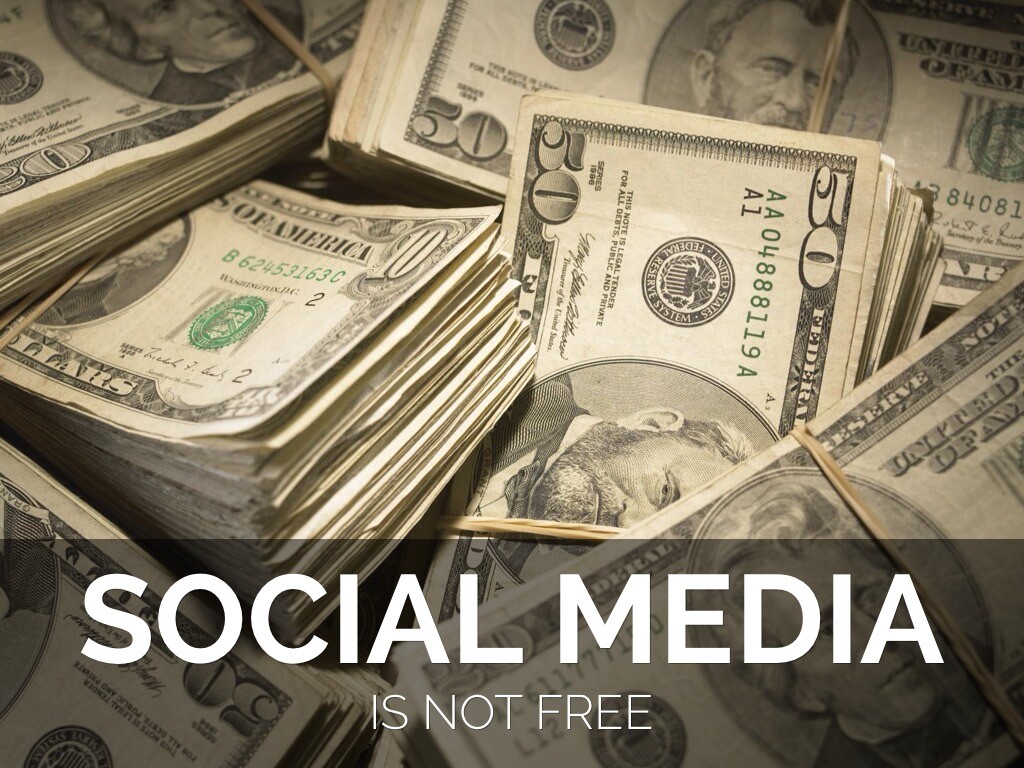
While platforms like Facebook, Twitter, and LinkedIn are free to join, the true costs of social media marketing are often less apparent. Creating and maintaining engaging content can be both time-consuming and costly.

There was a time, about 3 to 5 years ago, often referred to as the “Golden Days” of social media marketing, when businesses could promote themselves more freely. Nowadays, with platforms pushing for paid advertising, marketers might find themselves nostalgic for those days.

Social Media Is Free, But Social Media Marketing Is Not

It’s a common misconception that social media marketing is free. Although signing up and creating a company or brand page on platforms like Facebook or LinkedIn doesn’t cost anything, the real expense has always been hidden in the ‘cost’ of time spent managing these platforms.

The Realities of Social Media Marketing

As the owner of Webociti, an internet marketing firm, I understand that effective social media marketing requires:

  • Eye-Catching Headlines: To grab attention and make people want to read more.
  • Relevant Content: To ensure the audience receives value from your posts.
  • Optimization: To reach the widest possible audience.
  • Engagement: Through comments and interactions.
  • Shareable Links: To encourage propagation of your content.

The labor involved in maintaining fresh and relevant social media content can be substantial. Unlike blogs that might adhere to a more relaxed posting schedule, social media demands frequent, sometimes even daily updates, especially if promoting time-sensitive specials or events.

Social Media Marketing is not Free

Tools to Streamline Social Media Marketing

To manage the demands of frequent posts, several tools can help:

  • WordPress: The leading CMS that powers over 74 million websites, offering extensive features for content management.
  • Google Keyword Planner: Helps by generating up to 800 search terms related to a primary keyword, which can optimize your content for better search engine visibility.
  • Long Tail Pro: Offers similar functionality to Google Keyword Planner but includes more detailed filtering options to target keywords more effectively. While it’s a paid service, it offers a free 10-day trial.

The Necessity of Mobile Optimization

With up to 75% of consumers accessing social media on mobile devices, optimizing for mobile is crucial. Consumers expect fast-loading pages, easy navigation, and seamless checkout processes. Failing to provide these can drive potential customers away.

If you haven’t optimized your social media content for mobile, or if you’re unsure how it appears on devices like smartphones, it may be time to consider professional help. Webociti specializes in optimizing social media marketing strategies for mobile engagement.

Need Help?

To see how your strategy holds up in the mobile-first world, or to improve your social media marketing efforts, contact Webociti at 678-892-7157. Let us help you make the most of your digital marketing by ensuring your social media presence is as dynamic and effective as possible.

Leveraging Social Media and SEO to Boost Your Business Visibility

Understanding the synergy between content marketing, social media marketing (SMM), and search engine optimization (SEO) is crucial for any business looking to enhance its online presence. These interconnected strategies are essential in delivering relevant content to your audience and boosting your business’s visibility.

Understanding Search Engine Optimization

Search engine optimization (SEO) ensures that your website and blog appear on search engine results pages (SERPs) when users search for keywords relevant to your business. By integrating SEO practices into your content, you make it easier for potential customers to find you online, enhancing your site’s visibility and traffic.

Tips for Social Media and SEO Integration


Tip 1 – Choosing Social Media Platforms

Select social media platforms that best fit your business needs and where your target audience spends their time. For B2C companies, platforms like Facebook and Instagram are invaluable, while B2B businesses might find LinkedIn and Twitter more effective. Understanding the demographic and behavioral patterns on each platform can help you tailor your social media activities.

Tip 2 – Optimizing Social Media Profiles

WMake your social media profiles as detailed as possible. Complete all sections, especially the ‘Information’ or ‘About’ areas, using keywords that align with your business. This not only helps in SEO but also provides clear information about your business to visitors.

Tip 3 – Making Content Shareable

Ensure that all your content is easy to share. Include sharing buttons on your website and blog posts. Remember, the easier it is for your content to be shared, the more likely it is that it will be. This enhances your visibility and improves your SEO as search engines often recognize shared content as valuable.

Tip 4 – Generating Brand Recognition

Use social media to enhance brand recognition through interactive content such as contests, live videos, and customer testimonials. These activities encourage engagement and sharing, helping to broaden your reach and solidify your brand presence online.

Tip 5 – Using Posting Services

Consider using services like Buffer to manage your posts across multiple platforms. These tools save time and ensure consistency in your posting schedule, which is vital for keeping your audience engaged. However, assess which tool fits best with your strategy, as each offers different features and pricing plans.

As you harness the power of social media marketing to build your brand and attract new business, partnering with a professional team like Webociti can ensure your strategy is both effective and sustainable. We offer expert guidance and management of your social media and SEO strategies, tailored to meet your business’s unique needs. Contact Webociti today at 678-892-7157 to discover how our expertise can transform your online marketing efforts into a formidable tool for business growth.

By implementing these tips and continually refining your approach based on performance analytics, you can significantly enhance your digital marketing efficacy. Remember, in the dynamic world of digital marketing, flexibility and adaptability are key to staying ahead.

Call us at 678-892-7157 to learn more about Social Media and SEO.

#SocialMediaMarketing #SEO #DigitalMarketing #ContentMarketing #BrandAwareness #OnlineVisibility #BusinessGrowth #MarketingTips #SocialMediaTips #SEOStrategy

How to Leverage Social Media Marketing for Business Growth

In today’s digital world, the success of your business is significantly influenced by two critical online factors: your engagement with consumers and your visibility in search rankings. For many entrepreneurs, navigating the complexities of digital marketing tools and methods to enhance these aspects remains a daunting challenge. Gone are the days when basic marketing principles were enough to make your mark. The digital landscape now requires a nuanced understanding of SEO, effective tagging, structured website data, strategic image naming, and much more. If you’re feeling overwhelmed and unsure where to start, let’s simplify the process by focusing on a powerful strategy known as “backlinking,” which can significantly amplify your social media marketing efforts.

First, What Exactly Is Backlinking?

Backlinking involves ensuring that every piece of content you publish online—or that others publish about you—includes a link back to your website. These “backlinks” are pivotal for improving your search engine ranking, making your business more discoverable to potential clients through organic search results.

Leveraging Social Media Marketing through Backlinking

Here are several actionable strategies to kickstart your backlinking journey and enhance your social media presence:

Maximize Your YouTube Presence

YouTube isn’t just for entertainment; it’s a potent marketing tool across various industries. Behind-the-scenes insights, tutorials, product launches, and customer testimonials are just a few video ideas that can engage audiences. Remember, the key is to incorporate your website link in every video description, ideally at both the beginning and end, to drive traffic directly from YouTube to your site. Sharing these videos across platforms like Facebook and via email newsletters can broaden your reach.

Create a Compelling Blog

Blogs are not just about writing; they’re about engaging and educating your audience while subtly promoting your products or services. A blog post that tackles an interesting topic within your niche should be around 500-600 words, packed with relevant keywords, and, where appropriate, embedded with your YouTube videos. Crucially, each blog post should include strategic backlinks to your website. Don’t forget to share your blogs on social media platforms to increase visibility.

Engage with Press and Guest Blogging

Contributing to well-known blogs or securing media coverage can significantly boost your credibility and drive traffic to your site. Ensure your contributions offer value and include a subtle mention of your business with a backlink. Online press releases and articles about your business should always link back to your site, further expanding your digital footprint.

Expanding Your Social Media Strategy

While backlinking lays the foundation for enhancing your SEO through social media, consider these additional strategies to maximize your online impact:

  • Diversify Your Social Media Content: Engage your audience with a mix of content types—images, polls, live videos, and stories—to keep your brand top of mind.
  • Utilize Hashtags Effectively: Research and use relevant hashtags to increase the discoverability of your content on platforms like Instagram and Twitter.
  • Engage Regularly with Your Audience: Promptly responding to comments and messages fosters a sense of community and encourages further interaction.
  • Monitor Your Analytics: Use social media analytics to understand what content resonates with your audience, enabling you to refine your strategy over time.

Embrace Social Media Marketing for Enhanced Visibility and Engagement

Social media marketing, bolstered by strategic backlinking, offers a dynamic way to improve your online presence and connect with your target audience. Remember, the digital marketing landscape is ever-evolving, requiring continuous learning and adaptation.

Need Expert Guidance?

Feeling overwhelmed by the intricacies of social media marketing? Webociti is here to help. Our team of digital marketing experts specializes in crafting tailored strategies that cut through the noise, ensuring your business not only survives but thrives in the digital arena.

Contact Webociti at 678-892-7157 for a free Social Media Marketing consultation.
Let’s leverage the power of social media to propel your business forward.

Stay tuned to our blog for more in-depth insights on social media strategies and digital marketing trends. Your journey towards mastering digital marketing begins with a single step. Let Webociti guide you through each one.

In today’s dynamic and interconnected digital landscape, where billions of people are constantly connected through various social media platforms, harnessing the power of social media has become imperative for businesses aiming to build and sustain a robust brand presence. Social media marketing is no longer just an option; it’s a strategic necessity that can significantly impact brand visibility, customer engagement, and long-term success.

Why Social Media Is Critical for Brand Building

Enhanced Visibility: Social media platforms are bustling hubs of activity, with users spanning diverse demographics and geographic locations. Establishing and maintaining an active presence on platforms like Facebook, Instagram, Twitter, LinkedIn, and TikTok can exponentially increase your brand’s visibility. No matter your industry or size, social media provides a level playing field to showcase your brand on a global scale.

Engagement and Interaction: Traditional marketing channels often lack the immediacy and interactivity that social media offers. Through comments, likes, shares, and direct messages, you can engage directly with your audience. Real-time interactions not only humanize your brand but also demonstrate accessibility and responsiveness, qualities that resonate with modern consumers.

Conveying Brand Personality: Your brand is not just a product or service; it embodies a unique personality, values, and story. Social media platforms serve as canvases where you can paint your brand’s personality using various brushes – be it humor, empathy, innovation, or social responsibility. Sharing your brand’s story and values helps forge emotional connections with your audience.

Content Dissemination: Content is king in the digital realm, and social media is the kingdom. It’s the ideal platform to disseminate valuable content to a vast and engaged audience. Whether you’re sharing blog posts, videos, infographics, or user-generated content, social media amplifies your content’s reach and potential impact.

Proven Strategies for Effective Social Media Branding

Know Your Audience: Building a brand on social media starts with understanding your target audience. Research their demographics, interests, pain points, and online behavior. Armed with this knowledge, tailor your content, tone, and style to resonate with your ideal customers.

Consistent Branding: Consistency is key to brand recognition. Maintain uniformity in visual elements such as logos,Social Media and Branding colors, fonts, and brand voice across all your social media profiles. This cohesive approach ensures that your brand remains easily recognizable and memorable.

Content Calendar: Sporadic posting on social media can lead to inconsistency and decreased engagement. Create a content calendar that outlines a schedule of posts in advance. Regular, well-timed updates keep your audience engaged and informed.

Authentic Engagement: Social media is a two-way street. Respond to comments and messages promptly, fostering authentic interactions. Authenticity builds trust, a cornerstone of brand loyalty and positive brand perception.

Visual Appeal: Visual content, including images, videos, and infographics, tends to perform exceptionally well on social media. Invest in high-quality visuals that effectively represent your brand and engage your audience.

Paid Advertising: While organic reach is vital, consider incorporating paid advertising options provided by social media platforms. These tools enable you to reach a broader and more targeted audience, often yielding exceptional results.

In Conclusion

Social media is undeniably pivotal in brand building. It offers a dynamic platform for increasing visibility, encouraging engagement, and telling your brand’s story in ways that set you apart from competitors. By comprehending your audience, staying consistent, planning content strategically, engaging authentically, utilizing visuals effectively, and considering paid advertising, you can harness the full potential of social media for brand building. In a world where digital presence is synonymous with brand presence, your success hinges on effectively leveraging these platforms.

Ready to Boost Your Brand? Let’s Get Started Today!

At Webociti, we specialize in crafting tailored digital marketing strategies that leverage the power of social media to build and enhance your brand’s online presence. Ready to supercharge your brand’s social media strategy? Contact us today, and let’s embark on a journey to unlock your brand’s full potential in the digital age. Success is just a click away!

The Power of Email Marketing for B2B Companies

In the dynamic world of digital marketing, where trends come and go, one strategy remains the undisputed champion for B2B companies – email marketing. This time-tested tool continues to drive the highest volume of leads and delivers the highest ROI. But that’s not all; we’ll also explore the complementary role of other strategies like SEO, PPC, Social Media, Retargeting, and Content Marketing in the B2B marketing landscape.

B2B Marketing Strategies

Email marketing has been a cornerstone of B2B marketing for decades, and its resilience is no accident. According to recent statistics, email marketing generates an astounding $38 for every $1 spent, resulting in an ROI that’s off the charts. But what sets email apart from other marketing strategies, and how do other approaches like SEO, PPC, Social Media, Retargeting, and Content Marketing contribute to the overall success of B2B companies?

The Reign of Email Marketing

Email Leads the Pack Email marketing reigns supreme in the B2B realm for several reasons. Firstly, it’s a highly targeted form of communication. B2B marketers can segment their email lists based on various criteria, such as industry, job role, or past interactions with the company. This precision targeting ensures that the message reaches the right audience, increasing the likelihood of conversion.

Moreover, email marketing offers a direct line of communication to potential clients. Emails land directly in their inboxes, making it convenient for them to access and engage with the content. This direct connection fosters a sense of exclusivity and personalization, crucial for building strong B2B relationships.

Personalization Matters Personalization is a driving force behind email marketing’s success. B2B buyers are more likely to engage with emails that feel tailored to their needs and interests. Modern email marketing tools allow businesses to personalize emails with recipient names, company information, and even content recommendations based on previous interactions. These personalized touches humanize the communication and significantly improve conversion rates.

Automation for Efficiency In the B2B world, nurturing leads through the sales funnel can be a lengthy process. Email marketing automation streamlines this journey. Automation tools enable businesses to send a series of emails triggered by specific actions or time intervals. For example, when a potential client downloads a whitepaper, an automated email series can follow up with additional resources, product information, and ultimately a request for a sales call. Automation ensures that no lead falls through the cracks, optimizing conversion rates and saving time for the marketing and sales teams.

The SEO Advantage

Organic Traffic for the Win Search Engine Optimization (SEO) is the cornerstone of online visibility. For B2B companies, organic traffic through search engines can be a goldmine of leads. When potential clients search for solutions or information related to your industry, a well-optimized website can appear at the top of the search results. This visibility establishes credibility and positions your company as an industry leader.

Content is King Content plays a pivotal role in SEO. Creating high-quality, relevant, and informative content not only attracts organic traffic but also engages potential B2B clients. Blog posts, whitepapers, case studies, and industry reports can all serve as valuable content assets. When optimized for search engines, they can attract users actively seeking the services or products your company offers.

Building Authority SEO isn’t just about keywords and rankings; it’s also about building authority. When your website consistently provides valuable content and answers industry-related questions, it becomes a trusted resource. Other websites and industry publications are more likely to link to your content, further boosting your SEO efforts. This increased authority not only enhances your online presence but also instills trust in potential B2B clients.

The Potent PPC Game

Immediate Visibility Pay-Per-Click (PPC) advertising is a powerful tool in the B2B marketer’s arsenal. Unlike SEO, which can take time to yield results, PPC provides immediate visibility. Through platforms like Google Ads or LinkedIn Ads, businesses can create highly targeted ad campaigns that appear at the top of search results or within social media feeds. This instant visibility can be invaluable when trying to reach B2B decision-makers.

Budget Control One of the significant advantages of PPC is budget control. B2B companies can set daily or monthly budgets for their campaigns, ensuring that they don’t overspend. Additionally, the pay-per-click model means that you only pay when someone clicks on your ad, making it a cost-effective option for generating leads. This budget flexibility allows companies to scale their PPC efforts as they see fit, adapting to changing needs and market conditions.

Precise Audience Targeting PPC platforms offer granular audience targeting options. B2B marketers can specify who sees their ads based on factors like job title, industry, company size, and location. This precision ensures that your message reaches decision-makers within the organizations most likely to benefit from your services or products. It minimizes wasted ad spend on audiences that aren’t a good fit.

The Social Media Impact

Engagement and Awareness Social media platforms have become indispensable for B2B companies looking to expand their reach and engage with potential clients. These platforms are not just for sharing updates; they provide a space for showcasing expertise and thought leadership. By consistently sharing valuable content, participating in discussions, and providing insights into industry trends, B2B companies can build brand awareness and trust.

Networking and Relationship Building LinkedIn, in particular, is a goldmine for B2B networking. It’s a platform where professionals connect, share insights, and explore business opportunities. By actively participating in LinkedIn groups and engaging with relevant content, B2B companies can foster valuable relationships. These connections can lead to collaboration, referrals, and even direct business inquiries.

Paid Advertising on Social Media In addition to organic efforts, B2B companies can leverage paid advertising on social media platforms. Facebook, Instagram, LinkedIn, and Twitter all offer ad options that allow for precise audience targeting. These ads can drive traffic to your website, promote content, or generate leads directly on the platform. The ability to tailor ad campaigns to specific B2B segments ensures that your marketing dollars are well-spent.

The Remarkable World of Retargeting

Recapturing Lost Opportunities Retargeting, also known as remarketing, is a technique that allows you to re-engage with website visitors who didn’t convert during their initial visit. This is particularly valuable for B2B companies, as decision-makers often require more time to consider their options. By placing a tracking pixel on your website, you can identify visitors and show them targeted ads as they browse other websites or social media platforms.

Strengthening Brand Recall Retargeting reinforces brand recall. When potential B2B clients see your ads repeatedly as they navigate the web, your brand becomes more memorable. This increased visibility can prompt them to return to your website and eventually convert.

Personalized Offers and Content Retargeting allows for highly personalized marketing. You can tailor ad content and offers based on the visitor’s previous interactions with your website. For instance, if a user visited a product page but didn’t make a purchase, you can retarget them with an ad featuring that specific product along with an incentive to complete the purchase.

The Power of Holistic Marketing

In today’s fiercely competitive B2B landscape, a holistic marketing approach is essential. Email marketing, SEO, PPC, social media, and retargeting all have their unique strengths and contributions. However, the real power lies in integrating these strategies into a cohesive marketing plan.

The key takeaway is that each of these strategies complements the others. Email marketing nurtures leads generated through PPC, SEO content drives organic traffic that can be retargeted, and social media amplifies brand messages created through email marketing. By strategically allocating resources and focusing on synergy, B2B companies can maximize their marketing efforts, generate high-quality leads, and achieve a remarkable return on investment.

Supercharge Your B2B Marketing


Ready to supercharge your B2B marketing efforts?

At Webociti, we specialize in creating customized, results-driven marketing strategies for businesses like yours. Whether you’re looking to revamp your email campaigns, boost your SEO, optimize your PPC ads, or enhance your social media presence, we’ve got you covered. Let’s embark on a journey to unlock your business’s full potential. Reach out to us today and start achieving remarkable results. Your success is just a click away. 678-892-7157

In today’s digital age, social media has become an integral part of every successful business’s marketing arsenal. With billions of users across various platforms, social media presents an unparalleled opportunity to connect, engage, and convert potential customers. However, the key to reaping the rewards of social media lies in crafting a well-defined and effective social media strategy. In this blog post, we will delve into the essential components of mastering social media and guide you through the process of creating a social media strategy that drives results.

Understanding Your Audience

Before diving into social media tactics, it’s crucial to understand your target audience inside out. Who are they? What are their interests, pain points, and behaviors? Conducting thorough audience research allows you to tailor your content and messaging to resonate with your audience’s preferences. Utilize tools like audience personas and demographic data to gain insights that inform your strategy.

Setting Clear Goals

A successful social media marketing strategy starts with setting clear and measurable goals. Whether your objectives are to increase brand awareness, drive website traffic, boost sales, or enhance customer engagement, each goal should be specific, measurable, achievable, relevant, and time-bound (SMART). This framework provides a solid foundation for creating content that aligns with your goals.

Choosing the Right Platforms

Identifying the most effective social media platforms is critical for targeting your desired audience. Not every platform will be suitable for your business goals:

  • Facebook and Instagram excel in high engagement levels and are ideal for B2C companies.
  • LinkedIn is preferred for B2B relationships due to its professional network base.
  • TikTok and Snapchat are increasingly popular among younger audiences for dynamic, short-form content.

Select platforms that align with your target demographic’s preferences to maximize engagement and ROI. Implement tools like social media analytics to track which platforms yield the best results and adjust your strategy accordingly.

Creating Engaging Content

Content is king in the realm of social media. To captivate your audience, craft a mix of content types, including text posts, images, videos, infographics, and interactive content. Your content should educate, entertain, inspire, or provide value in some way. Consistency is key, so develop a content calendar that outlines what to post and when.

Implementing Hashtag Strategies

Hashtags can significantly increase the discoverability of your content. Research relevant and trending hashtags within your industry and incorporate them strategically into your posts. However, avoid overloading your posts with hashtags, as this can come across as spammy.

Engaging with Your Audience

Social media is a two-way street, and engagement is paramount. Respond promptly to comments, messages, and mentions. Cultivate a sense of community by asking questions, running polls, and encouraging user-generated content. Building genuine connections fosters brand loyalty and advocacy.

Leveraging Paid Advertising

While organic reach is valuable, paid social media advertising can amplify your efforts. Platforms like Facebook and Instagram offer sophisticated targeting options to reach specific demographics. Invest in paid ads to extend your reach and drive conversions. Remember to monitor and adjust your ad campaigns for optimal results.

Analyzing and Refining

Regularly analyze your social media metrics to gauge the effectiveness of your strategy. Track key metrics such as engagement, reach, clicks, and conversions. Platforms like Facebook Insights and Instagram Insights provide valuable data. Use these insights to refine your strategy, focusing on what works best for your audience.

Conclusion

Mastering social media requires a strategic approach that combines audience understanding, goal setting, content creation, engagement, and analysis. By following these steps and adapting your strategy based on real-time insights, you’ll be well on your way to crafting an effective social media presence that drives meaningful results for your business. Remember, social media is not just a tool—it’s a dynamic channel for building connections, fostering brand loyalty, and propelling your business forward.

Are you ready to take your social media strategy to the next level? At Webociti, we specialize in creating tailored social media strategies that align with your business goals and engage your target audience. Our team of experts is here to help you navigate the ever-changing landscape of social media marketing. Contact us today to discover how we can elevate your brand’s online presence and maximize your social media impact. Let’s work together to create a strategy that delivers exceptional results in the digital realm. 678-892-7157

In today’s digital landscape, social media marketing has emerged as a vital tool for businesses looking to establish a strong online presence and connect with their target audience. With billions of active users on various social platforms, leveraging effective strategies is essential to stand out from the competition and foster meaningful relationships with customers. In this blog post, we will explore proven social media marketing strategies that can help your business grow its online presence and drive tangible results.

Define Clear Objectives

The first step in crafting a successful social media marketing strategy is to define clear and measurable objectives. What do you aim to achieve with your social media efforts? Is it to increase brand awareness, drive website traffic, generate leads, or boost sales? Having specific goals in mind will guide your content creation and engagement tactics, ensuring that every action contributes to your overall business objectives.

Understand Your Audience

Knowing your target audience is paramount to crafting compelling content that resonates with them. Conduct thorough research to understand your audience’s preferences, interests, pain points, and online behavior. This data will help you tailor your messaging and choose the most relevant social media platforms to reach and engage your potential customers effectively.

Choose the Right Social Media Platforms

While it may be tempting to maintain a presence on every social media platform, it’s more effective to focus on the platforms where your target audience is most active. For instance, if your business caters to a B2B audience, LinkedIn might be more relevant, whereas Instagram may be suitable for a B2C brand with visually appealing products. Understanding the unique characteristics of each platform will help you create tailored content that aligns with user expectations.

Develop a Content Strategy

Consistency is key in social media marketing. Craft a content strategy that outlines the types of content you will create, the frequency of posting, and the themes you will cover. The content should be a mix of informative, entertaining, and promotional posts to keep your audience engaged. Additionally, leverage visual content, such as images, videos, and infographics, to enhance the appeal and shareability of your posts.

Engage and Interact

Social media is not just a broadcasting platform; it’s a space for building relationships and engaging with your audience. Respond to comments, messages, and mentions promptly, and actively participate in conversations related to your industry. Encourage user-generated content, run polls and contests, and acknowledge your followers to foster a sense of community around your brand.

Leverage Influencer Marketing

Influencer marketing can significantly amplify your brand’s reach and credibility. Identify influencers or thought leaders in your industry who align with your brand values and collaborate with them to promote your products or services. Influencers can introduce your brand to new audiences and enhance your online presence through their authority and reach.

Harness the Power of Hashtags

Hashtags are essential for increasing the discoverability of your content on social media. Research relevant and trending hashtags that align with your brand and incorporate them strategically in your posts. However, avoid overusing hashtags, as it can make your content look spammy and less authentic.

Analyze and Optimize Performance

Regularly monitor your social media performance through analytics tools. Track metrics such as engagement rates, reach, click-through rates, and conversion rates to gauge the effectiveness of your strategies. Use this data to identify successful content types, posting times, and platforms, and optimize your approach accordingly.

Run Paid Social Media Campaigns

To complement your organic efforts, consider running paid social media campaigns to target specific demographics and expand your reach. Platforms like Facebook and Instagram offer advanced targeting options, allowing you to reach the most relevant audience for your business.

Stay Adaptive and Innovative

The social media landscape is ever-changing, with new platforms, features, and trends emerging regularly. Stay up-to-date with the latest industry developments and be willing to adapt your strategies to remain relevant and effective. Embrace creativity and innovation to capture your audience’s attention and set yourself apart from competitors.

Conclusion

Social media marketing is a dynamic and powerful tool for growing your online presence and achieving your business goals. By defining clear objectives, understanding your audience, crafting engaging content, and leveraging influencers and hashtags, you can make significant strides in building a robust social media presence. Regularly analyzing your performance and optimizing your approach will ensure you stay on the path to success in the ever-evolving world of social media marketing.

Ready To Get Started

Ready to take your social media marketing to the next level? Contact us today to discover how our expert team can help you develop a tailored strategy that drives results. From audience research to content creation and analytics, we’ve got you covered. Let’s work together to elevate your online presence and create meaningful connections with your target audience.

Remember, it’s not just about the number of followers; it’s about cultivating meaningful connections with your audience and providing value through authentic and engaging content. Don’t miss out on the incredible opportunities social media marketing offers for your business. Embrace the power of social media and propel your brand to new heights. Call Us Today To Get started 678-892-7157

If you’re a local restaurant owner, we feel your pain. It’s been a tough year and a half dealing with the COVID-19 pandemic, and now that the nation is beginning to reopen, there is a lot of pressure to bring more clients through your doors. But, where do you spend your limited advertising budget? You could produce lots of fancy TV and radio ads or advertise in local newspapers and magazines; however, all of these channels are expensive and hard to track. Social media is an affordable channel that you can control. With a bit of originality, you can leverage social media to bring the diners back.


Three Facts About the State of the Post-COVID Restaurant Industry

The rampage from the pandemic hit the restaurant industry more than any other sector of the economy in 2020. The National Restaurant Association reports that sales were $240 billion below the pre-pandemic forecast before the pandemic hit. More than 110,000 eating and drinking places closed temporarily or for good. At the peak of the pandemic, over 8 million workers were laid off. The good news is that most of the bad news is behind us, and the economy is surging back despite particular food, equipment and labor shortages.

Benefits of Using Social Media for Your Restaurant

Benefits of Using Social Media for Your Restaurant
The days of depending on a good location and splashy billboard are over. Consumers are pickier than ever, and they look to their friends and neighbors to suggest new places to eat and drink. Today, social media networks connect hundreds of millions of computer users and are used daily to obtain news, shop for products and suggestions for places to eat. Social media users love to share restaurant reviews and often record videos and audio recordings — or podcasts — to make their opinions heard. You can spread the word by posting articles on social media sites like Facebook, post images on Instagram, videos on YouTube and reviews on Yelp. All of these networks are free to use. If you want to increase your reach, social media advertising is a cost-effective way to put your message in front of your future patrons.

How Viral Videos Can Put Your Restaurant on the Map

When social media users like something, they share it. When enough people share an article or view a video, it spreads like wildfire or, in other words, goes viral. While many people may not prefer that term, viral videos generate a life of their own, often becoming their own story. YouTube and TikTok are the two most popular video networks. When videos go viral, traditional media and cable networks create their own stories or broadcasts based on the social media phenomenons. Many people like to visit restaurants and share their thoughts with their video articles or vlog. You can create your own video blog or encourage your better customers to record their own. Some vloggers become so popular that they get sponsored by restaurant chains or food brands to cover their production costs.

Restaurant Marketers Can Create Their Own Social Media Campaigns

It’s easy to create a social media page or share messages on Twitter. It’s free to create an account and easy to write short posts about food-related topics. Direct promotion is often frowned on by social media audiences. Be sure not to make the mistake of being overly promotional and attract bad reviews, which can have a negative effect on your business.

Social Media Advertising vs. Traditional Media Advertising

There was a time when advertising your restaurant on the local radio station or newspaper guaranteed a way to bring in traffic. But today, social media has surpassed traditional media for researching products, and global social media ad spending has grown by 50% in a single year.

Social Media Attracts All Generations

There is something for everyone in social media, and market research shows every generation uses social media to some extent. Social posts and ads are most popular among millennials and the younger “Generation Z.” Creating fun, trendy posts will draw the attention of young, upwardly mobile consumers willing to spend their money and share their experiences.

Make Social Media a Part of Your Restaurant’s Growth Strategy

Now is the best time to start your social media campaign. You can begin with free posts to your inner circle of friends and customers and ask them to share your posts. Then, you can graduate to public posts and eventually to paid advertising, where you can target the types of customers you believe will be likely to patronize your eatery. Use fun, trendy topics and take great photos and videos of your food and ambiance. Don’t be afraid to experiment, and — most importantly — spread the word to anyone willing to listen. You never know; you may soon find your tables full with a line of people waiting outside your door sharing their experiences on social media.

Contact Webociti to learn more about Social Media Marketing and how to promote your restaurant.

Has your business been staggering in bringing in new customers and maintaining a good relationship with existing customers due to little or no social marketing? If your company has not dedicated time and effort into building a social media marketing program marketing, you are missing out on a host of benefits that come from a strategic, data-minded social media program for your business.

Now more than ever before there is consistent and concrete evidence that ramping up social media marketing efforts is in your business’s best interest. Here are 5 reasons why you should invest in a social media program for your business without any further ado.

There is Something for Everyone

The first step to constructing and executing a successful social media strategy is to assess which platforms are most suited to reach the users and deliver the goals your business is setting out to achieve. Facebook, Twitter, LinkedIn, Pinterest, and Instagram alone all have undeniable footholds and massive audiences of active daily users. These users are inherent web consumers that spend significant amounts of time on social networks to socialize, network, and engage in discussion with friends, family, and perfect strangers.

New Opportunities with Every Post

Regardless of the platform, each piece of real-time content that your business posts presents a new opportunity to find to new customers, stay connected with current customers, and/or reconnect with past customers. As your following grows, your customers and fans will become part of your network to bolster traceable word of mouth online in a way that no traditional marketing tactics can achieve.

Create Your Own Authority

Internet users view well-established social media accounts and followings as a sign of a successful business and thus, high quality products and services. A recent study from Convince& Convert reported that 53% of Americans who follow brands on social media are, in fact, more loyal to those brands. Beyond being a tested method of bringing in new customers, a strategic and engaging social media program can be highly influential in turning one-time customers into long-time customers.

Social Media Marketing Is Thriving

Social media marketing efforts are cost effective tools for marketers that can be customized to meet the goals of any business on any budget. Rates for promoted posts on various platforms typically are established through a combination of placement, performance, and demand.

Social Media Marketing

For a minimal cost, businesses can reach audiences above and beyond the reach of offline channels. Regardless of how the economy behaves in the near future, this great flexibility will continue to allow businesses of all sizes to execute lean social media marketing programs to boost sales and brand visibility.

Marketers Agree: Social is Critical

According to Hubspot, 92% of marketers reported that social media marketing was important to the success of their business last year. No matter the audience, sufficient information and strategy is available to craft a social media strategy that guarantees return on investment (ROI) in way that makes sense for your business.

As you can see, social media marketing has matured to the point that it can be relied on as an effective way to increase brand awareness, lead generation, and revenue growth. If you haven’t taken the time to assess your marketing needs and how they may be better achieved through online advertising and social media marketing, the time is now. The longer you wait to create your social media presence online, the more ground you stand to lose.

For more information visit us at Webociti to learn more.