
09 Feb What Makes SEO Work Today (And Why Most Businesses Get It Wrong)
TL;DR: SEO works when it’s built as a system—not a checklist. Businesses see real results when strategy, buyer intent, technical execution, and conversion alignment work together.
In summary
Many businesses invest in SEO but fail to see meaningful results because they focus on isolated tactics instead of building a cohesive growth system. This article explains what actually makes SEO work today—and why strategy, intent, and execution alignment matter more than ever.
The SEO Frustration Gap
Most businesses don’t fail at SEO because it’s ineffective—they fail because they approach it without a system. Pages get optimized, keywords get tracked, and tools get installed, yet results remain inconsistent or disappointing.
The problem isn’t effort. It’s fragmentation. SEO only works when every part of the strategy supports how real buyers search, evaluate options, and make decisions. If you’re questioning whether SEO still delivers long-term value, this explains why SEO remains the most reliable long-term growth channel.
Why SEO Fails for Most Businesses
SEO often breaks down because it’s treated as a collection of tactics rather than a strategic growth channel. Common failure points include:
- Chasing keywords without understanding buyer intent
- Optimizing pages that don’t support conversion
- Ignoring technical issues that block visibility
- Publishing content without authority or differentiation
- Measuring traffic instead of business impact
These efforts may produce activity, but they rarely produce outcomes. Businesses evaluating partners often see this gap when comparing internet marketing companies in Atlanta that focus on deliverables versus those building measurable systems.
What SEO Actually Requires Today
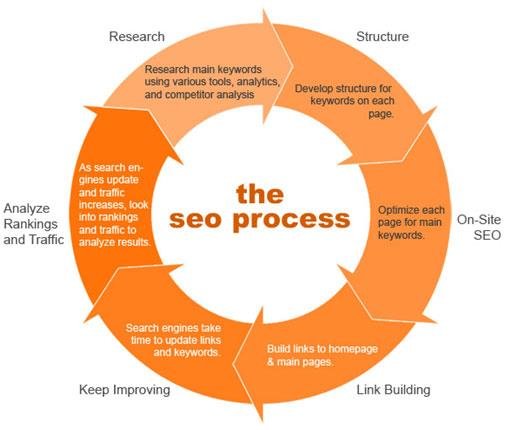
Modern SEO requires coordination across multiple disciplines—not just content or keywords. To work effectively, SEO must include:
- A strong technical foundation that allows search engines to crawl and trust your site
- Search intent alignment that matches content to buyer needs
- Authority signals that establish credibility and expertise
- Conversion paths that turn visibility into action
- Measurement tied to revenue, not just rankings
When these elements work together, SEO becomes predictable and scalable. This broader view connects directly to how search engines drive business growth when strategy leads execution.
For businesses planning a redesign or platform move, our SEO migration checklist outlines the exact steps needed to protect search visibility.
SEO Is a Growth System Not a Marketing Channel
Unlike paid advertising, SEO compounds over time. Each improvement builds on the last, creating durable visibility that supports long-term growth.
Businesses that treat SEO as a system benefit from lower acquisition costs, stronger brand authority, and demand that continues even when ad budgets pause.
For businesses building broader digital strategy, this is why SEO anchors integrated internet marketing for business growth.
Where DIY SEO Typically Breaks Down
Many teams attempt SEO internally, but it often stalls due to competing priorities, lack of specialization, or misinterpretation of data.
Without a clear strategy and experienced execution, SEO becomes reactive instead of intentional and momentum is lost.
How Businesses See Real SEO Results
Companies that succeed with SEO focus less on tactics and more on outcomes. Real results look like:
- Consistent inbound demand from qualified searchers
- Content that supports long sales cycles
- Search visibility aligned with revenue goals
- Clear insight into what’s working and why
Businesses that see consistent results typically rely on structured execution from a professional SEO services partner rather than isolated tactics.
Execution depth also matters. Improving category-level SEO structure and refining product page SEO for revenue impact are examples of how tactical work supports strategic growth.
What This Means for Growing Businesses
SEO works best when it’s planned and executed as part of a broader growth strategy. For businesses competing in competitive markets—especially locally—this requires a deliberate, system-driven approach.
If you’re evaluating SEO for a competitive market, this is the same framework we apply when delivering Atlanta SEO services designed to support long-term growth, not short-term wins.
When SEO is built the right way, it stops being a gamble and becomes a reliable engine for business growth.
Related Strategic Insights
- Why SEO Is Still the Most Reliable Long-Term Growth Channel
- How to Choose an Internet Marketing Company in Atlanta
- Why Search Engine Optimization Still Matters