
Marketing Automation Strategies & Insights

Marketing automation helps businesses scale lead generation, improve follow-up,
and align marketing and sales without adding operational complexity.

This collection of marketing automation insights explores how companies use
automation to streamline lead management, email marketing, analytics, and
performance tracking. Each article focuses on practical systems that reduce
manual effort while increasing efficiency, consistency, and ROI.

If you’re looking to work smarter, improve visibility into performance, or
create scalable marketing systems, explore the articles below or learn more
about our

Marketing Automation Services
.

The Power of Email Marketing for B2B Companies

In the dynamic world of digital marketing, where trends come and go, one strategy remains the undisputed champion for B2B companies – email marketing. This time-tested tool continues to drive the highest volume of leads and delivers the highest ROI. But that’s not all; we’ll also explore the complementary role of other strategies like SEO, PPC, Social Media, Retargeting, and Content Marketing in the B2B marketing landscape.

B2B Marketing Strategies

Email marketing has been a cornerstone of B2B marketing for decades, and its resilience is no accident. According to recent statistics, email marketing generates an astounding $38 for every $1 spent, resulting in an ROI that’s off the charts. But what sets email apart from other marketing strategies, and how do other approaches like SEO, PPC, Social Media, Retargeting, and Content Marketing contribute to the overall success of B2B companies?

The Reign of Email Marketing

Email Leads the Pack Email marketing reigns supreme in the B2B realm for several reasons. Firstly, it’s a highly targeted form of communication. B2B marketers can segment their email lists based on various criteria, such as industry, job role, or past interactions with the company. This precision targeting ensures that the message reaches the right audience, increasing the likelihood of conversion.

Moreover, email marketing offers a direct line of communication to potential clients. Emails land directly in their inboxes, making it convenient for them to access and engage with the content. This direct connection fosters a sense of exclusivity and personalization, crucial for building strong B2B relationships.

Personalization Matters Personalization is a driving force behind email marketing’s success. B2B buyers are more likely to engage with emails that feel tailored to their needs and interests. Modern email marketing tools allow businesses to personalize emails with recipient names, company information, and even content recommendations based on previous interactions. These personalized touches humanize the communication and significantly improve conversion rates.

Automation for Efficiency In the B2B world, nurturing leads through the sales funnel can be a lengthy process. Email marketing automation streamlines this journey. Automation tools enable businesses to send a series of emails triggered by specific actions or time intervals. For example, when a potential client downloads a whitepaper, an automated email series can follow up with additional resources, product information, and ultimately a request for a sales call. Automation ensures that no lead falls through the cracks, optimizing conversion rates and saving time for the marketing and sales teams.

The SEO Advantage

Organic Traffic for the Win Search Engine Optimization (SEO) is the cornerstone of online visibility. For B2B companies, organic traffic through search engines can be a goldmine of leads. When potential clients search for solutions or information related to your industry, a well-optimized website can appear at the top of the search results. This visibility establishes credibility and positions your company as an industry leader.

Content is King Content plays a pivotal role in SEO. Creating high-quality, relevant, and informative content not only attracts organic traffic but also engages potential B2B clients. Blog posts, whitepapers, case studies, and industry reports can all serve as valuable content assets. When optimized for search engines, they can attract users actively seeking the services or products your company offers.

Building Authority SEO isn’t just about keywords and rankings; it’s also about building authority. When your website consistently provides valuable content and answers industry-related questions, it becomes a trusted resource. Other websites and industry publications are more likely to link to your content, further boosting your SEO efforts. This increased authority not only enhances your online presence but also instills trust in potential B2B clients.

The Potent PPC Game

Immediate Visibility Pay-Per-Click (PPC) advertising is a powerful tool in the B2B marketer’s arsenal. Unlike SEO, which can take time to yield results, PPC provides immediate visibility. Through platforms like Google Ads or LinkedIn Ads, businesses can create highly targeted ad campaigns that appear at the top of search results or within social media feeds. This instant visibility can be invaluable when trying to reach B2B decision-makers.

Budget Control One of the significant advantages of PPC is budget control. B2B companies can set daily or monthly budgets for their campaigns, ensuring that they don’t overspend. Additionally, the pay-per-click model means that you only pay when someone clicks on your ad, making it a cost-effective option for generating leads. This budget flexibility allows companies to scale their PPC efforts as they see fit, adapting to changing needs and market conditions.

Precise Audience Targeting PPC platforms offer granular audience targeting options. B2B marketers can specify who sees their ads based on factors like job title, industry, company size, and location. This precision ensures that your message reaches decision-makers within the organizations most likely to benefit from your services or products. It minimizes wasted ad spend on audiences that aren’t a good fit.

The Social Media Impact

Engagement and Awareness Social media platforms have become indispensable for B2B companies looking to expand their reach and engage with potential clients. These platforms are not just for sharing updates; they provide a space for showcasing expertise and thought leadership. By consistently sharing valuable content, participating in discussions, and providing insights into industry trends, B2B companies can build brand awareness and trust.

Networking and Relationship Building LinkedIn, in particular, is a goldmine for B2B networking. It’s a platform where professionals connect, share insights, and explore business opportunities. By actively participating in LinkedIn groups and engaging with relevant content, B2B companies can foster valuable relationships. These connections can lead to collaboration, referrals, and even direct business inquiries.

Paid Advertising on Social Media In addition to organic efforts, B2B companies can leverage paid advertising on social media platforms. Facebook, Instagram, LinkedIn, and Twitter all offer ad options that allow for precise audience targeting. These ads can drive traffic to your website, promote content, or generate leads directly on the platform. The ability to tailor ad campaigns to specific B2B segments ensures that your marketing dollars are well-spent.

The Remarkable World of Retargeting

Recapturing Lost Opportunities Retargeting, also known as remarketing, is a technique that allows you to re-engage with website visitors who didn’t convert during their initial visit. This is particularly valuable for B2B companies, as decision-makers often require more time to consider their options. By placing a tracking pixel on your website, you can identify visitors and show them targeted ads as they browse other websites or social media platforms.

Strengthening Brand Recall Retargeting reinforces brand recall. When potential B2B clients see your ads repeatedly as they navigate the web, your brand becomes more memorable. This increased visibility can prompt them to return to your website and eventually convert.

Personalized Offers and Content Retargeting allows for highly personalized marketing. You can tailor ad content and offers based on the visitor’s previous interactions with your website. For instance, if a user visited a product page but didn’t make a purchase, you can retarget them with an ad featuring that specific product along with an incentive to complete the purchase.

The Power of Holistic Marketing

In today’s fiercely competitive B2B landscape, a holistic marketing approach is essential. Email marketing, SEO, PPC, social media, and retargeting all have their unique strengths and contributions. However, the real power lies in integrating these strategies into a cohesive marketing plan.

The key takeaway is that each of these strategies complements the others. Email marketing nurtures leads generated through PPC, SEO content drives organic traffic that can be retargeted, and social media amplifies brand messages created through email marketing. By strategically allocating resources and focusing on synergy, B2B companies can maximize their marketing efforts, generate high-quality leads, and achieve a remarkable return on investment.

Supercharge Your B2B Marketing


Ready to supercharge your B2B marketing efforts?

At Webociti, we specialize in creating customized, results-driven marketing strategies for businesses like yours. Whether you’re looking to revamp your email campaigns, boost your SEO, optimize your PPC ads, or enhance your social media presence, we’ve got you covered. Let’s embark on a journey to unlock your business’s full potential. Reach out to us today and start achieving remarkable results. Your success is just a click away. 678-892-7157


In the fast-paced and ever-evolving world of digital marketing, success hinges on your ability to adapt to changing trends, technologies, and consumer behaviors. Staying ahead of the curve is not just a competitive advantage; it’s essential for survival in the digital landscape. In this blog post, we’ll explore some of the top strategies to unlock digital marketing success in today’s dynamic environment.

Content Marketing Mastery

Content is King, a phrase coined by Bill Gates back in 1996, remains as relevant as ever. In fact, it’s the cornerstone of digital marketing success. Content marketing is about creating and distributing valuable, relevant content to attract and engage a clearly defined audience. Here’s how to master it:

High-Quality Content Creation

Your content should provide real value to your audience. It should answer their questions, solve their problems, or entertain them. High-quality content not only establishes your brand as an industry authority but also encourages trust and loyalty.

Consistency is Key

Consistency in publishing content is essential. Whether it’s blog posts, videos, podcasts, or social media updates, a consistent schedule keeps your audience engaged and coming back for more.

SEO Optimization

Optimize your content for search engines. Use relevant keywords, metadata, and alt tags to improve your visibility on search engine results pages (SERPs). A strong SEO strategy ensures your content reaches a broader audience.

Storytelling

Craft compelling stories that resonate with your audience. Stories create an emotional connection and make your brand more relatable. Share success stories, customer testimonials, or behind-the-scenes glimpses of your business.

Social Media Strategies

Social media platforms are powerful tools for building brand awareness, engaging with your audience, and driving traffic to your website. To harness their potential, you need a well-thought-out social media strategy.

Choose the Right Platforms

Not all social media platforms are created equal. Focus your efforts on platforms that align with your target audience. For instance, Instagram and Pinterest are great for visual content, while LinkedIn is ideal for B2B connections.

Consistent Branding

Maintain a consistent brand image across all social media profiles. Use the same profile picture, cover photo, and brand colors to make your brand easily recognizable.

Content Diversity

Diversify your content. Share a mix of text, images, videos, and infographics. Experiment with different content types to keep your audience engaged.

Engage with Your Audience

Social media is a two-way street. Engage with your audience by responding to comments, messages, and mentions promptly. Encourage discussions and interactions.

Effective Email Campaigns

Email marketing remains a potent tool for nurturing leads, retaining customers, and driving sales. To run effective email campaigns, keep these strategies in mind:

Segmentation

Segment your email list based on demographics, behavior, and interests. Sending targeted, relevant content improves open rates and click-through rates.

Personalization

Personalize your emails. Use the recipient’s name, recommend products based on their previous purchases, and tailor content to their preferences.

Mobile Optimization

Most emails are now opened on mobile devices. Ensure your emails are mobile-friendly, with responsive design and clear calls to action.

A/B Testing

Experiment with different subject lines, email copy, images, and CTAs. A/B testing helps you identify what resonates best with your audience.

Search Engine Optimization (SEO) Secrets

SEO is the foundation of organic traffic. To unlock digital marketing success, you need to rank well on search engine results pages (SERPs). Here are some SEO strategies to consider:

Keyword Research

Thorough keyword research is the first step. Identify relevant keywords and phrases that your target audience is searching for. Use tools like Google Keyword Planner for insights.

On-Page SEO

Optimize your web pages for SEO. This includes optimizing title tags, meta descriptions, headers, and alt tags for images. Ensure your content is well-structured and easy to read.

High-Quality Backlinks

Backlinks from authoritative websites boost your SEO rankings. Focus on building high-quality, relevant backlinks through guest posting, outreach, and content marketing.

Mobile Optimization

Google now considers mobile-friendliness as a ranking factor. Ensure your website is responsive and provides a seamless experience on mobile devices.

Paid Advertising Insights

While organic traffic is crucial, paid advertising can provide an immediate boost to your digital marketing efforts. Here’s how to make the most of it:

Targeted Advertising

Use detailed targeting options on platforms like Google Ads and Facebook Ads to reach your ideal audience. Define demographics, interests, and behaviors for precise ad targeting.

Ad Creatives

Invest time in creating compelling ad creatives. Your ad copy, images, and CTAs should align with your audience’s needs and preferences.

Landing Page Optimization

Ensure your landing pages are optimized for conversions. A well-designed landing page with a clear value proposition and a strong CTA can significantly improve your ad campaign’s success.

Data-Driven Decision Making

In the digital marketing world, data is your compass. Analyze data from various sources, including website analytics, email marketing reports, and social media insights. Use this data to make informed decisions and refine your strategies.

Automation and AI

Leverage marketing automation tools and artificial intelligence to streamline your marketing efforts. Automation can handle repetitive tasks like email scheduling and social media posting, freeing up your team for more strategic work.

User Experience (UX) Enhancement

A seamless user experience is vital for retaining visitors and converting them into customers. Focus on website speed, navigation, and responsive design to create a user-friendly environment.

Voice and Visual Search Optimization

With the rise of voice assistants and visual search, optimizing your content for these technologies is becoming increasingly important. Voice search-friendly content and visually searchable images can give you an edge.

Video Marketing

Video content continues to dominate the digital landscape. Incorporate video into your marketing strategy, whether it’s through YouTube, social media, or your website. Live streaming and interactive videos can further engage your audience.

Conclusion

Digital marketing success requires a multi-faceted approach that combines content marketing, social media strategies, effective email campaigns, SEO, paid advertising, data-driven decision-making, automation, user experience enhancement, and adaptation to emerging technologies. By implementing these strategies, you can unlock the full potential of your digital marketing efforts and stay ahead in the ever-evolving digital landscape.

Ready to unlock your digital marketing success? Start implementing these strategies today and watch your online presence flourish. Stay ahead of the curve, adapt to changes, and keep your audience engaged. The digital world is yours to conquer! Contact Webociti Today! 678-892-7157

In today’s fast-paced digital world, where attention spans are shrinking, your website has only seconds to make an impression. It’s not about you; it’s about what you can do for your customer. This blog post will delve into the vital importance of crafting a clear website message that captures your audience’s attention within the blink of an eye and effectively communicates the value you offer.

The Power of Clarity

Your website serves as the virtual front door to your business. Visitors arrive with questions, needs, and goals, and it’s your website’s job to provide immediate answers and solutions. In an era of information overload, clarity is the currency of the digital realm. Here, we explore why a clear website message is paramount and how it can lead to increased conversions.

The 7-Second Rule

Studies show that you have a mere seven seconds to engage a visitor before they decide to stay or leave your site. In this short timeframe, your message must not only grab attention but also convey your unique value proposition clearly and persuasively.

It’s About Them, Not You

One common pitfall is making the website all about your company, its history, and its achievements. While this information is important, visitors are primarily interested in what you can do for them. Your website should focus on addressing their pain points, desires, and goals right from the outset.

The Components of a Clear Website Message

Headline: Craft a compelling headline that succinctly summarizes the primary benefit or solution you offer. This should be visible immediately upon landing on your site.

Subheadline: Support the headline with a concise subheadline that provides additional context or highlights a secondary benefit.

Value Proposition: Clearly articulate the unique value your product or service brings. What sets you apart from the competition? How can you solve your customer’s problems or improve their life?

Visuals: Utilize images, videos, or graphics that complement your message. Visual content can often convey meaning faster and more effectively than text alone.

Call to Action (CTA): Encourage immediate action with a well-placed CTA. Whether it’s “Sign Up Now,” “Get Started,” or “Learn More,” ensure it aligns with your message and guides visitors to the next step.

The Benefits of Clarity

Reduced Bounce Rate: A clear message captures visitors’ interest, reducing the likelihood of them bouncing off your site.

Improved Engagement: When visitors understand your value quickly, they are more likely to explore your site further and engage with your content.

Higher Conversions: Clarity breeds trust. When visitors trust your message, they are more likely to convert into leads or customers.

Enhanced Brand Perception: A clear message reflects positively on your brand. It demonstrates professionalism and a customer-centric approach.

Crafting Your Clear Message

Know Your Audience: Understand your target audience’s pain points, desires, and preferences. Tailor your message to resonate with them.

Simplicity is Key: Avoid jargon and complex language. Your message should be easily understood by a broad audience.

Test and Iterate: Continuously test your message’s effectiveness through A/B testing and user feedback. Be willing to make adjustments to improve clarity.

With a Clear Message, You Can Convert in 7 Seconds!

In the digital age, where attention is a scarce commodity, a clear website message is your secret weapon. It’s not about you; it’s about your customer. By crafting a message that resonates and offers value within the critical seven seconds, you can turn casual visitors into engaged customers and drive business success.

Ready to Make Your Website Message Crystal Clear?

Don’t miss out on potential customers due to a vague message. Our team specializes in crafting compelling website messages that convert. Contact us 678-892-7157 today to learn how we can help you make those crucial seven seconds count.

Embrace the power of clarity, and watch your website’s impact soar.

Why Choosing the Right Digital Advertising Network Matters

Struggling to see results from your digital ads? You’re not alone—many businesses waste thousands of dollars on ineffective advertising platforms. But with the right digital advertising network, you can reach your ideal customers and maximize ROI. Let’s dive into how you can choose the best platform for your business and avoid costly mistakes.


For a more in-depth look at digital advertising strategies, check out HubSpot’s Guide to Digital Advertising.

Which Digital Advertising Platform is Right for Your Business?

Not all ad platforms work the same way. Some are better for search-driven buyers, while others excel at brand awareness. Here’s a quick breakdown:

  • Google Ads – Best for search intent and immediate leads.
  • Facebook & Instagram Ads – Ideal for brand awareness and visually-driven ads.
  • LinkedIn Ads – Perfect for B2B companies looking to generate leads.
  • TikTok & Snapchat Ads – Great for reaching younger demographics.

Aligning your objectives with the right platform will significantly impact your success.


When assessing your target audience, it’s also crucial to consider behavioral trends and preferences. For instance, younger demographics tend to engage more with short-form video content on platforms like TikTok, whereas professionals may be more receptive to in-depth content on LinkedIn. Understanding these behavioral insights can help you fine-tune your ad messaging and format.

Assessing Cost-Effectiveness of Digital Advertising Networks

Budget considerations play a significant role in digital advertising. Different networks have varying costs per click (CPC) or cost per thousand impressions (CPM), and it’s essential to evaluate the potential return on investment (ROI) for each option. Finding the right balance between cost and effectiveness is critical in optimizing your advertising budget.


In addition to platform-provided analytics, leveraging third-party tools like Google Analytics, SEMrush, or HubSpot can provide deeper insights into campaign effectiveness. A/B testing different ad creatives and formats is also a valuable method to refine performance and optimize ad spend.

The Value of Expertise in Digital Advertising

Navigating the complex world of digital advertising can be overwhelming, especially for businesses new to the landscape. Partnering with a marketing professional or agency can provide invaluable expertise and guidance. They can help you identify the most suitable advertising network, craft compelling ad campaigns, and monitor performance for optimal results.


Another major mistake businesses make is failing to optimize their landing pages. Even with a well-placed ad, if the landing page is not engaging, lacks a clear CTA, or loads too slowly, conversion rates will suffer. Ensuring your ads direct users to high-performing, optimized landing pages can significantly boost campaign success.

  • Not setting clear advertising goals
  • Choosing the wrong platform for their audience
  • Ignoring cost-effectiveness and ROI metrics
  • Not leveraging data analytics for campaign optimization

Conclusion

Choosing the right digital advertising network can make or break your marketing success. By understanding your objectives, evaluating audience reach, considering cost-effectiveness, leveraging data, and seeking expert guidance, you can avoid wasted time and money while achieving meaningful results.

Get Started with the Best Digital Advertising Network

Want to stop wasting money on digital ads that don’t convert? Our experts at Webociti will match you with the best advertising network to maximize every dollar spent. Let’s build a campaign that drives real results—fast. Contact us now or call 678-892-7157 to get started!

Further Reading:

In the world of marketing, Steve Jobs remains a legendary figure, renowned for his visionary approach and transformative impact on Apple. While his success is celebrated, it’s important to acknowledge the lessons learned from his failures and how they shaped his marketing strategies. One such example is the infamous nine-page advertisement in The New York Times, a costly misstep that taught Jobs the importance of simplicity and customer-centricity. This blog post delves into the evolution of Jobs’ marketing journey, from the early misfire to his triumphant return to Apple with a revolutionary two-word message: “Think Different.”

The Nine-Page Ad: Lessons in Marketing Excess

When Steve Jobs unveiled the Lisa, Apple’s first personal computer with a graphical user interface, he believed it would revolutionize the industry. To generate excitement and promote the product, Jobs took a bold and unconventional approach by placing a nine-page advertisement in The New York Times. However, this ambitious marketing move turned out to be a costly misstep with valuable lessons to be learned.

The complexity of the nine-page ad played a significant role in its lack of effectiveness. Instead of succinctly conveying the benefits and reasons why customers Think Different should consider purchasing the Lisa, the ad overwhelmed readers with technical specifications, intricate details, and industry jargon. It failed to resonate with the broader audience, as most people couldn’t grasp the significance of the technology or understand how it would improve their lives.

Moreover, the ad lacked a clear and compelling value proposition. It focused more on the features and capabilities of the Lisa rather than addressing the customers’ needs and desires. The complexity of the messaging made it challenging for potential buyers to connect with the product emotionally and understand how it could solve their problems or enhance their productivity.

In retrospect, the nine-page ad represented an example of marketing excess, where the emphasis was placed on providing exhaustive information rather than creating a compelling narrative. Jobs realized that communicating the value of a product should be about simplicity, relatability, and understanding the customers’ aspirations and pain points.

This experience led Jobs to reflect on the importance of simplicity and effective communication in marketing. He recognized that to capture the attention and interest of customers, he needed to distill the essence of the product into a simple, relatable message that resonated with their aspirations and values. This pivotal realization set the stage for the subsequent transformation of Apple’s marketing strategies, culminating in the iconic “Think Different” campaign.

Steve Jobs’ Departure and the Rise of Pixar

Steve Jobs’ departure from Apple in the mid-1980s marked a turning point in his career and led him to explore new ventures, including his acquisition of Pixar Animation Studios. With his leadership, Pixar revolutionized the animation industry, producing groundbreaking films like Toy Story, Finding Nemo, and The Incredibles. Jobs’ time at Pixar allowed him to further hone his storytelling skills and understand the power of compelling narratives.

Return to Apple: Think Different, Think Simple

His experience with the creative and innovative culture at Pixar would later greatly influence his return to Apple and the way he approached marketing and product launches. Steve Jobs Through Pixar’s success, Jobs learned the importance of emotional storytelling and the ability to connect with audiences on a deep level, a lesson he would later bring back to Apple to create iconic campaigns and products.


The Legacy of Simplicity and Customer-Centricity

Steve Jobs’ legacy is defined by his unwavering commitment to simplicity and customer-centricity. When he returned to Apple in the late 1990s, the company was struggling and in need of a fresh approach. Jobs recognized that in order to truly connect with customers, Apple needed to simplify its message and focus on their needs and desires. This led to the iconic “Think Different” campaign, which celebrated the individuality and creativity of Apple’s target audience. Jobs understood that by speaking directly to customers and addressing their aspirations, Apple could forge a deep emotional connection. This approach extended beyond marketing and influenced Apple’s product design and user experience, resulting in intuitive and beautifully designed products that resonated with consumers. Today, Apple continues to uphold Jobs’ legacy by placing simplicity and customer-centricity at the core of its brand and innovation.

The Marketing Journey

Steve Jobs’ marketing journey is a testament to the transformative power of embracing simplicity and putting the customer first. From the misguided nine-page ad to the revolutionary “Think Different” campaign, Jobs learned valuable lessons that reshaped his marketing approach and redefined Apple’s success. By focusing on simplicity, customer-centricity, and challenging the norms, Jobs left a lasting legacy that continues to inspire marketers around the world.

As we navigate the ever-changing marketing landscape, let us remember the importance of simplicity, effective communication, and understanding our customers’ needs. Subscribe to our newsletter for more insights and strategies to elevate your marketing efforts and create a lasting impact in today’s dynamic business environment.

Storytelling Marketing Experts

The story of Steve Jobs and Apple teaches us valuable lessons about the power of effective communication and customer-centric marketing. At Webociti, we understand the significance of telling your brand’s story in a way that resonates with your audience and drives meaningful connections.

Our team of experts is dedicated to helping you craft a compelling narrative that puts your customers at the center of your messaging. By leveraging the principles of simplicity, relatability, and understanding customer needs, we can assist you in developing a customer-centric approach to marketing.

Through our tailored solutions, we will work closely with you to uncover your unique value proposition, understand your target audience’s aspirations and pain points, and create a narrative that speaks directly to their needs. Whether it’s refining your brand messaging, developing captivating content, or implementing strategic marketing campaigns, we are here to support you every step of the way.

Don’t let your brand’s story get lost in the noise. Let Webociti help you harness the power of effective storytelling to engage, inspire, and connect with your audience. Together, we can create a remarkable impact and drive extraordinary results for your business.

Contact us today 678-892-7157 to learn more about our customer-centric marketing services and start telling your brand’s story in a way that captivates and resonates with your target audience. It’s time to unlock the true potential of your brand and achieve remarkable success in the digital age.

In today’s digital age, effective marketing strategies are crucial for restaurants to stand out in a competitive landscape and attract a steady flow of customers. Traditional marketing methods alone are no longer sufficient to reach and engage with your target audience. That’s where digital marketing comes in. In this blog post, we will explore the importance of digital marketing for restaurants and how Webociti, a leading digital marketing agency, can help you achieve remarkable results.

Targeted Advertising Campaigns

Webociti understands that reaching the right audience is paramount for restaurants. By leveraging targeted digital advertising campaigns, they can connect you with food enthusiasts in your local area actively searching for a dining experience like yours. What sets Webociti apart is their ability to go beyond demographics and target customers who dine at your competitors. Through sophisticated tracking methods using mobile phones and GPS, Webociti can determine if a potential customer received an ad and then went into your restaurant, providing valuable insights for campaign effectiveness and ROI.

Compelling Content Creation

Creating exceptional content is a cornerstone of effective digital marketing. Webociti excels in crafting compelling content that showcases your restaurant’s unique offerings, sparking an emotional connection with potential customers. From engaging blog posts and mouthwatering food photography to captivating social media content, they have the expertise to captivate and convert your audience. By highlighting what sets your restaurant apart from the competition, Webociti can entice customers to choose your establishment over others.

Search Engine Optimization

Having a beautiful website won’t yield results if it doesn’t show up in search engine results. Webociti employs advanced SEO techniques to improve your website’s visibility and rankings. By optimizing your website’s structure, keyword usage, and relevant content, they help ensure that when customers search for dining options in your area, your restaurant appears at the top of the search results. This increased visibility leads to higher website traffic and more potential customers walking through your doors.

Consistent

A strong and consistent brand image is vital for restaurant success. Webociti helps establish and maintain a consistent brand identity across all online platforms. From your website and social media profiles to online directories and review sites, they ensure your brand message and visual elements align, making a lasting impression on potential customers. By strategically crafting your brand’s narrative and visual identity, Webociti helps differentiate your restaurant from the competition and creates a memorable experience for customers.

Conclusion

In an increasingly digital world, digital marketing has become an indispensable tool for restaurants to thrive. By partnering with Webociti, you can unlock the full potential of digital marketing and transform your restaurant’s success. Their expertise in targeted advertising, compelling content creation, SEO, and brand consistency will help you attract more customers, increase online visibility, and drive business growth. Additionally, Webociti’s unique ability to target customers who dine at your competitors and track their conversion into your restaurant provides valuable insights for your marketing campaigns.

Ready to take your restaurant to new heights? Contact Webociti today and let their team of digital marketing experts guide you towards success.

Boost your restaurant’s success with Webociti’s targeted marketing solutions. Reach more diners, target competitors’ customers, and measure your ad effectiveness. Take your business to the next level today!

Remember, in the world of digital marketing, the possibilities are endless, and Webociti is here to make sure your restaurant shines brightly in the online realm. 678-892-7157

#RestaurantMarketing #DigitalMarketing #Foodie #webociti

In today’s digital landscape, the world of marketing has undergone a profound transformation. Gone are the days when a single marketing tactic could guarantee success. In the new age of marketing, it’s all about embracing an integrated approach that combines various strategies and channels to maximize impact and reach. In this blog post, we’ll explore the evolving nature of marketing and the importance of adopting a multifaceted approach to drive business growth and stay ahead of the competition.

The Rise of Integrated Marketing

Traditional marketing approaches focused on individual tactics such as print ads, TV commercials, or direct mail. However, the digital revolution has brought forth a myriad of marketing channels and platforms. Integrated marketing recognizes the power of combining these different tactics to create a cohesive and consistent brand experience. By leveraging multiple channels, businesses can effectively engage with their target audience at various touchpoints and reinforce their messaging.

The Power of Content Marketing

Content has emerged as a central pillar of successful marketing strategies. It goes beyond traditional advertising by providing valuable and relevant information to the audience. A well-executed content marketing strategy can establish a brand as a thought leader, build trust, and drive organic traffic. From blog posts and videos to ebooks and podcasts, businesses can leverage different content formats to engage their audience and showcase their expertise.

Leveraging Social Media

Social media has revolutionized the way businesses connect with their audience. It’s no longer just a platform for sharing updates but a powerful tool for building brand awareness, fostering customer relationships, and driving conversions. By utilizing social media channels strategically, businesses can amplify their reach, engage with followers, and create personalized experiences. From Facebook and Instagram to LinkedIn and Twitter, each platform offers unique opportunities to connect with specific target demographics.

Harnessing the Power of Data

In the new age of marketing, data is king. The availability of analytics and tracking tools allows businesses to gather valuable insights about their audience’s behavior, preferences, and buying patterns. By leveraging data-driven marketing strategies, businesses can make informed decisions, optimize campaigns, and deliver personalized experiences. From website analytics and customer segmentation to A/B testing and marketing automation, data-driven approaches fuel marketing success.

Embracing Technology and Automation

Advancements in technology have revolutionized marketing automation, enabling businesses to streamline their processes and optimize efficiency. From email marketing automation and customer relationship management (CRM) systems to chatbots and AI-powered personalization, businesses can leverage automation to scale their marketing efforts, nurture leads, and provide seamless customer experiences.

Conclusion

In the new age of marketing, success lies in embracing an integrated approach that combines various tactics, channels, and technologies. By understanding the evolving landscape and leveraging the power of content marketing, social media, data-driven insights, and automation, businesses can stay competitive and drive meaningful results. It’s time to break free from the confines of traditional marketing and embrace the limitless possibilities of the new age of marketing.

So, are you ready to take your marketing efforts to the next level by harnessing the power of integrated tactics? Let’s embark on this journey together and unlock the full potential of your business in the new age of marketing.

Lets Get Started

Discover the power of integrated marketing! Contact us today for a personalized consultation and learn how the Webociti team can tailor a multifaceted strategy to elevate your brand and drive results in the new age of marketing.

Remember, it’s not just about one aspect of marketing anymore—it’s about the seamless integration of multiple tactics that will set your business apart. Let’s make it happen! 678-892-7157

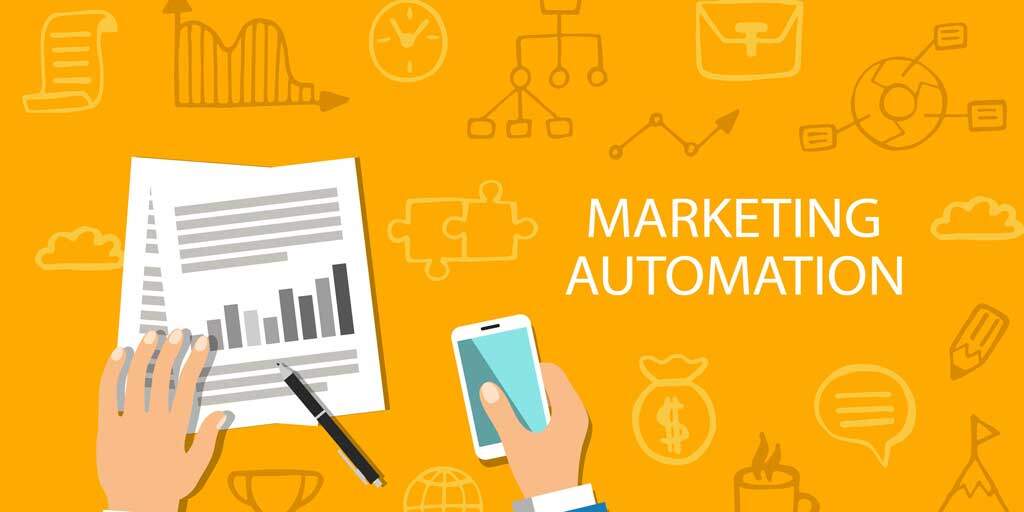
Unlocking Business Growth: The Power of Marketing Automation

In the digital age, marketing automation has transcended the status of just another tech trend, becoming an essential tool for integrating sales and marketing efforts. Far from being a mere celebration of technology, marketing automation is about enhancing the efficacy and efficiency of marketing strategies that businesses have historically implemented. It is about leveraging cutting-edge technology to achieve unprecedented results, such as boosting business by over 150% or increasing qualified leads by 75%. Could marketing automation triple your conversion rates? It’s not just a possibility—it’s becoming a reality for many businesses.

Key Components of Marketing Automation

Email Marketing

Email marketing remains a cornerstone of marketing automation, allowing businesses to send targeted messages to both current and potential customers. Whether reminding customers about an expiring sale or escalating urgency over time, automated email campaigns can deepen customer relationships and enhance marketing efforts.

Lead Generation

Modern marketing automation tools ensure that your website is fully optimized for today’s digital requirements. This includes SEO to enhance search visibility and strategically placed calls-to-action that encourage visitors to download resources, subscribe to newsletters, or engage with interactive content.

Lead Nurturing

The process often starts with a user filling out a form on your website. Capturing information such as email addresses allows businesses to maintain engagement through targeted, automated emails, nurturing the customer relationship until they are ready to make a purchase.

Prospecting

Effective marketing automation identifies prospective customers and communicates how your product or service solves their problems. This not only establishes your brand as a thought leader but also as a solution provider in your industry.

Sales Force Intelligence

This aspect of marketing automation provides invaluable insights into the buyer’s journey, equipping sales teams with detailed behavioral data. Understanding the actions that prospects take online helps tailor sales pitches to meet the specific needs and interests of each customer.

Analytics

Analytics are the backbone of marketing automation, offering deep insights into buying trends and customer behaviors. By analyzing where customers spend their time, what they engage with, and how they move through the sales funnel, businesses can refine their marketing strategies to be more effective and efficient.

Transform Your Marketing Strategy

Marketing automation is more than just software—it’s a strategic approach that integrates technology, business intelligence, and marketing to drive substantial growth. It provides a holistic view of the customer journey, streamlining processes and ensuring that marketing and sales efforts are perfectly aligned.

Are you ready to harness the power of marketing automation to transform your business? Contact Webociti today for a comprehensive strategy that tailors marketing automation to your business needs. With our expertise, your business can not only meet the digital demands of today but thrive in them. Call us at 678-892-7157 or visit the Webociti website to start your journey towards significant business growth.

#MarketingAutomation #DigitalMarketing #LeadGeneration #EmailMarketing #SalesForce #BusinessGrowth #MarketingStrategy #Webociti #LeadNurturing #ConversionOptimization

Performance Marketing Program Magnifies Your ROI

Marketing failures — pricing errors, business models, lack of understanding of customers — make up 6 of the top 10 reasons that businesses fail.

Business success is often attributed to marketing factors as well: disruption, reach, product mix and market.

Webociti’s new Performance Marketing Program isn’t for every business. It’s specifically tailored for organizations who are already experiencing growth, but who want to supercharge their results we call it our Growth Accelerator. Commit to going the distance to grow their confirmed clients and sales. Truly interested in tying marketing results to quantifiable ROI.

We Are Committed to Results. Not Tactics.

Few things are more frustrating than spending money on a marketing project and not being sure of the return on your investment. Perhaps you’ve updated your website, launched a new social media campaign and added pay-per-click advertising, but are you truly driving conversions?

If this question is keeping you up at night, then Webociti’s Performance Marketing Program is your solution. Marketers rely on an increasingly complex toolset to define success within the moving target of consumer expectations. Automation and proactive communication methods are the rules of the day, but it can be next to impossible to stay up to speed on all the tech needed to make results measurable.

Powerful Performance-Based Marketing

Great products and services deserve powerful marketing. What do you do when you don’t have in-house marketing staff and aren’t quite ready to invest in a traditional full-service marketing agency? Good news! If you are approved for our new Performance Marketing Program, you will get the exceptional performance-based marketing strategy and tactical Performance Marketing Programsupport that will make a long-term difference in your organization’s future.


Yes, you have to be approved for this new program. We have received a great deal of interest but acknowledge that this program simply isn’t for everyone. We are hand-selecting organizations we feel will benefit from a focused marketing effort. Our evaluation process ensures that the outcome is a win-win for everyone involved.

We take the risk out of your next big marketing push — no more worry about hiring the wrong marketing staff or agency. You can launch a new product or website without a massive outlay of capital. What do you get? The best marketing and sales minds in the business to supplement your marketing team.

Our next-generation Growth Accelerator model virtually eliminates your risk by putting the burden on our team to perform for you — when we come through, we receive a percentage and you get a steady stream of prospects or sales!

How Our Performance Marketing Program Works

Our team works with you to tightly define your goals. Perhaps you want to drive 50 leads per day to your telemarketing team. Maybe your goal is more sales-oriented, or you would like to raise the value of each sale.

Once we define the outcome you desire, our talented digital marketing team dives in and develops a comprehensive strategy that will help you reach even the most aggressive goals. This could include everything from:

  • Creating a complete website or campaign landing page
  • Defining an onboarding series that can be automated to encourage repeat purchases and upgrades
  • PPC advertising or remarketing for your products across the Google or Bing ad networks
  • Weekly or monthly email marketing campaigns
  • SEO strategies
  • Blogging
  • Video
  • and more

Each tactic is specially selected by our digital marketing experts to support your unique business needs — built to work together to improve your key metrics and provide you with measurable results.

Outside the (Marketing) Box

Are you used to hiring a marketing or sales firm to support your internal efforts, but never quite sure of the ROI that you receive? With Webociti’s Performance Marketing Program, a small monthly or upfront fee is complimented by a sliding scale of payments based on Webociti delivering results for your business. That puts the pressure on our team to perform beyond your expectations — essentially making us an extension of your marketing and sales team without adding to your overhead.

We have the resources to quickly put plans into action when you need it, allowing you to deploy with agility when a need has been identified. Even better, we can make quick course corrections when we find that something isn’t quite hitting the mark — always keeping those ultimate business objectives top of mind.

Not everyone who applies for Webociti’s revolutionary new Performance Marketing Program will be accepted. If this unique business model feels like a fit for your organization, contact Webociti today at 678-892-7157 or fill out our online contact form for a quick response.

Using Marketing Automation to Fill Your Sales Funnel.

Marketing automation may be the best way for small businesses to level the playing field against larger competitors. Are you fully utilizing your marketing tools to encourage prospects to become paying customers?

Every organization dreams about having an unlimited number of leads that magically turn themselves into sales after flowing through a perfectly-formed sales funnel. While this level of perfection doesn’t exist in the real world, there are ways that you can leverage each step of your marketing automation funnel to encourage prospects to blossom into customers, repeat customers and eventually advocates for your brand.

Digital marketing may seem like a mixture of science fiction and art, but using marketing automation relies a great deal on psychology and a deep understanding of your customers and prospects. Today’s customers do not follow a linear path to purchase. Instead, they may trickle in from a variety of different places. When you have your marketing automation fully built and Marketing Automation running on all cylinders, you’re able to meet each prospect and influence their unique journey by providing the right piece of information at the right time. Get it correct, and you’ll have an endless supply of engaged prospects to fill your sales funnel.

What is Marketing Automation?

Marketing automation is a term that you’ll hear used in a variety of different circles. However, it may mean something completely different to an enterprise marketing director than it does to a small business owner. You may think that just because you don’t have a full complement of marketers to drive content throughout your brand channels that you don’t need the complexity involved in marketing automation. Nothing could be further from the truth! Marketing automation allows the savvy marketer who truly understands their audience to define a variety of paths that customers are likely to travel and create a sequence that works for a broad spectrum of users. At each step of that path, prospects and customers have a choice: to engage with the information being provided or to ignore it. Ignore enough information, and the smart marketer knows that you should try different tactics to involve individuals with their brand.

Think of it like this: in a face-to-face sales call or even on the phone, you can quickly tell when your prospect is losing interest. Either their eyes will glaze, they’ll change the subject or simply dismiss you from their presence. Before that happens, a good salesperson looks for ways to re-engage by changing topics, bringing in a new visual element or switching sales tactics. Marketing automation will perform these same tactics for you — at scale.

Marketers rarely meet their prey in this type of situation, and instead have to rely on hidden cues or extrapolate (guess!) what’s going on in their prospect’s head based on data points. With marketing automation, there are specific triggers that your prospects aren’t engaging with your content such as:

  • Low email open rates and click-to-open rates
  • Fewer website visits
  • A limited number of downloads of your content upgrades
  • No recent additions to your newsletter

Each one of these metrics tells you something about the quality of your content and the willingness of that particular audience member to engage with your brand. When you are resonating with your audience, they are eagerly waiting for the information that you have to share and are actively seeking out new details to help them make a buying decision.

First-Time Website Visitors Aren’t Ready to Get Married

Be realistic, do you ever see something for the very first time and immediately decide that you must make a purchase before doing additional research? While this may happen once in a great while, Sales Automationthe majority of first-time visitors to your website are the digital equivalent of window shoppers. Something may have caught their attention for a moment, or perhaps they clicked through from another website. If their attention isn’t grabbed immediately, they are more likely to be skipping merrily off to another website than looking for a “Buy Now” button. Your job as a marketer is to get just enough information from the prospect that you can deepen the relationship through marketing automation.

Here’s an example of how marketing automation could work for a real estate agent:

  • Bob is moving to Atlanta, so he goes to Google and types in “real estate agent Atlanta”
  • There are several different options, but he thinks Betty White looks like a good pick
  • Bob visits Betty’s website, where he finds a house that looks interesting that is about to go on the market
  • Bob fills out a form on the website to be notified when the home is available for sale

Now, here is where it gets interesting. In a non-automated sales process, Bob would probably get a call from Betty or her assistant who would answer any questions he has and put his name on a mailing list to get an annual calendar. However, with marketing automation the lead nurturing process looks more like this:

  • Bob immediately receives an email confirmation with demographics and information about the Atlanta area, signed personally by Betty
  • The email would also include other listings that were similar to the one in which Bob indicated interest: same neighborhood, general price-range or school system
  • For the next week or so, Bob receives automated emails with tidbits of information welcoming him to the Atlanta area, telling about fun things to do and generally building a relationship between Betty and Bob — all without Betty lifting a finger!

When Betty does have an opportunity to connect with Bob in person or on the phone, Bob already has a great feeling about Betty. She appears to be thoughtful, proactive and willing to help make his home buying experience easy — which is what all customers truly want. This additional information that trickles through to Bob aids his comfort level in the decision to select Betty as his real estate agent; a lucrative decision for Betty.

Using marketing automation to fill your sales funnel doesn’t happen overnight, and there is some level of complexity involved. However, the benefit of working out the kinks is well worth the time you invest as it will work for you 24/7/365 to shuttle leads through the customer journey to becoming paying customers for your business. Get started on a customized marketing automation strategy for your business by calling the digital marketing and advertising professionals at Webociti at 678-892-7157 or request a free quote online.