
If you’re a local restaurant owner, we feel your pain. It’s been a tough year and a half dealing with the COVID-19 pandemic, and now that the nation is beginning to reopen, there is a lot of pressure to bring more clients through your doors. But, where do you spend your limited advertising budget? You could produce lots of fancy TV and radio ads or advertise in local newspapers and magazines; however, all of these channels are expensive and hard to track. Social media is an affordable channel that you can control. With a bit of originality, you can leverage social media to bring the diners back.


Three Facts About the State of the Post-COVID Restaurant Industry

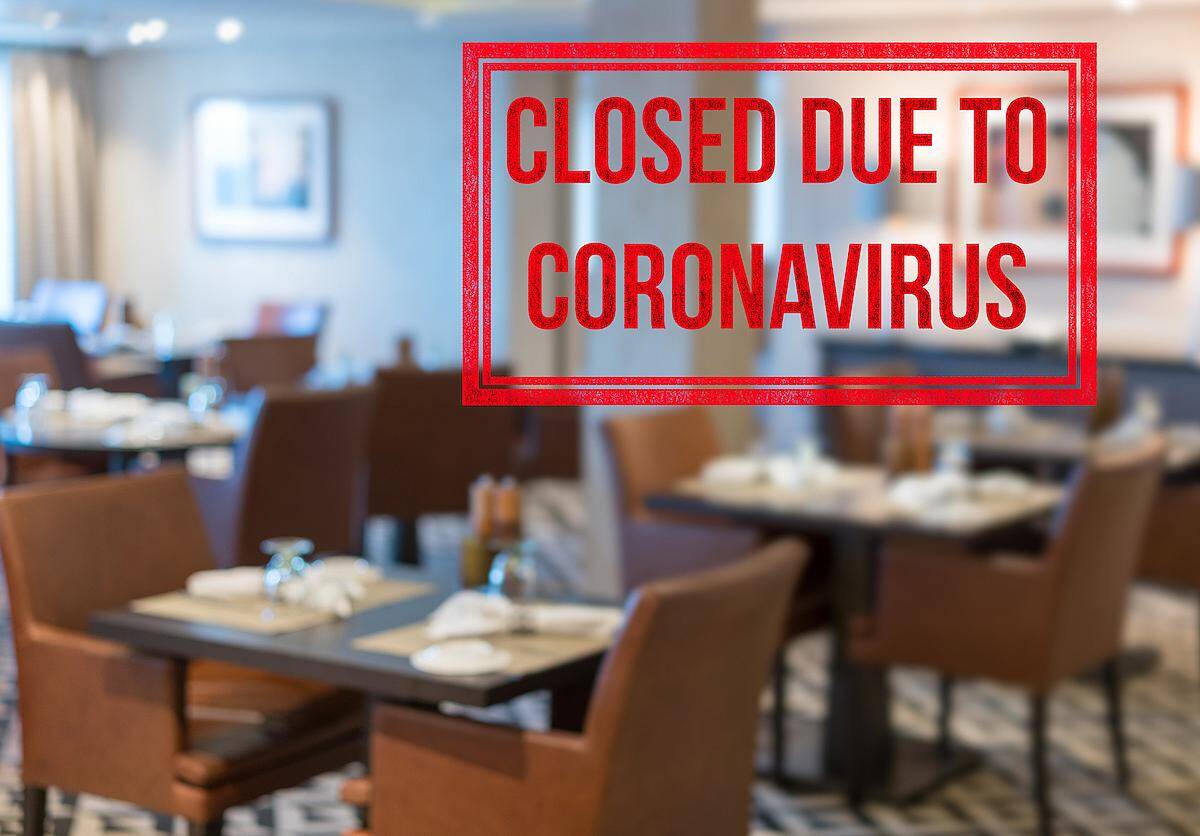
The rampage from the pandemic hit the restaurant industry more than any other sector of the economy in 2020. The National Restaurant Association reports that sales were $240 billion below the pre-pandemic forecast before the pandemic hit. More than 110,000 eating and drinking places closed temporarily or for good. At the peak of the pandemic, over 8 million workers were laid off. The good news is that most of the bad news is behind us, and the economy is surging back despite particular food, equipment and labor shortages.

Benefits of Using Social Media for Your Restaurant

Benefits of Using Social Media for Your Restaurant
The days of depending on a good location and splashy billboard are over. Consumers are pickier than ever, and they look to their friends and neighbors to suggest new places to eat and drink. Today, social media networks connect hundreds of millions of computer users and are used daily to obtain news, shop for products and suggestions for places to eat. Social media users love to share restaurant reviews and often record videos and audio recordings — or podcasts — to make their opinions heard. You can spread the word by posting articles on social media sites like Facebook, post images on Instagram, videos on YouTube and reviews on Yelp. All of these networks are free to use. If you want to increase your reach, social media advertising is a cost-effective way to put your message in front of your future patrons.

How Viral Videos Can Put Your Restaurant on the Map

When social media users like something, they share it. When enough people share an article or view a video, it spreads like wildfire or, in other words, goes viral. While many people may not prefer that term, viral videos generate a life of their own, often becoming their own story. YouTube and TikTok are the two most popular video networks. When videos go viral, traditional media and cable networks create their own stories or broadcasts based on the social media phenomenons. Many people like to visit restaurants and share their thoughts with their video articles or vlog. You can create your own video blog or encourage your better customers to record their own. Some vloggers become so popular that they get sponsored by restaurant chains or food brands to cover their production costs.

Restaurant Marketers Can Create Their Own Social Media Campaigns

It’s easy to create a social media page or share messages on Twitter. It’s free to create an account and easy to write short posts about food-related topics. Direct promotion is often frowned on by social media audiences. Be sure not to make the mistake of being overly promotional and attract bad reviews, which can have a negative effect on your business.

Social Media Advertising vs. Traditional Media Advertising

There was a time when advertising your restaurant on the local radio station or newspaper guaranteed a way to bring in traffic. But today, social media has surpassed traditional media for researching products, and global social media ad spending has grown by 50% in a single year.

Social Media Attracts All Generations

There is something for everyone in social media, and market research shows every generation uses social media to some extent. Social posts and ads are most popular among millennials and the younger “Generation Z.” Creating fun, trendy posts will draw the attention of young, upwardly mobile consumers willing to spend their money and share their experiences.

Make Social Media a Part of Your Restaurant’s Growth Strategy

Now is the best time to start your social media campaign. You can begin with free posts to your inner circle of friends and customers and ask them to share your posts. Then, you can graduate to public posts and eventually to paid advertising, where you can target the types of customers you believe will be likely to patronize your eatery. Use fun, trendy topics and take great photos and videos of your food and ambiance. Don’t be afraid to experiment, and — most importantly — spread the word to anyone willing to listen. You never know; you may soon find your tables full with a line of people waiting outside your door sharing their experiences on social media.

Contact Webociti to learn more about Social Media Marketing and how to promote your restaurant.

Grocery Store Location-Based Advertising

Retail grocery store owners depend on local shoppers to buy groceries in their stores. Major brands drive a lot of traffic through broadcast and print advertising. Those methods cannot target shoppers while they are in the store. Sure, newspaper flyers still exist, but young consumers turn to online sources for news about their favorite brands. Location-based advertising targets local audiences through digital advertising and online apps. Grocery store owners benefit in several ways.

The Growth of Location-Based Advertising and Marketing

The growth in location-based advertising for grocery stores follows the usage trends of mobile smartphones and apps. According to the Location Based Marketing Association’s (LBMA) fifth annual Global Location Trends report 2020, “52% of marketers globally say their budget went toward location-based marketing, with mobile, static billboards and digital out-of-home (DOOH) considered the top three media considered.”

1 – Increases Walk-In Traffic

Location-based advertising targets shoppers in the general geography near your store. These are your neighbors and local business owners who spend the most time and money in your store. Targeted location-based ads will promote brand products that offer limited-time coupons while shopping in your store. You can also use location-based Google and Facebook ads to target shoppers with your promotional campaigns.

2 – Delivers Targeted Ads

Shoppers will receive ads targeted to their likes and online shopping patterns. If one person likes a particular soft drink, then the manufacturer will deliver ads for those drinks to their cell phone. Certain brands have their mobile applications. The shoppers who follow those brands are very dedicated and look for opportunities to save money. Your neighborhood might have a unique cultural mix. Location-based advertisements will appeal to the unique customs and tastes of that culture. Special events like sporting competitions, parades and concerts will also generate retail traffic and interest in the sports team or entertainer.

3 – Helps Your Grocery Store Be More Competitive

Your grocery store needs to compete with other markets, convenience stores and online shopping services for business. Location-based advertising campaigns will promote your store in the local neighborhood and drive foot traffic to your location. If you are part of a regional chain, you can run several location-based ad campaigns to serve all of your local markets.

4 – Creates a Better User Experience

Shoppers will have a better experience in your grocery store if they are guided towards the brands they favor, Ways Your Grocery Store Can Benefit From Location-Based Advertising and it can also save them money. Saving time and money while shopping will please the consumer and they will enjoy shopping in your store.

5 – Lower Cost than Traditional Digital Advertising

Using traditional pay-per-click advertising is very expensive and difficult to target. Focusing on keywords is effective on broad audiences, but geography-based campaigns are ineffective if they are not properly targeted. Location-based campaigns target a specific area within a certain number of miles. Serving ads to mobile apps and to particular consumers who live in your neighborhood delivers your message more cost-effectively.

6 – Boost Sales During Off-Peak Times

Location-based advertising offers you the chance to create promotions during slower off-peak hours. You can reach consumers who like shopping during quieter times and consumers who spend a lot of time online.

7 – Focus On In-Store Promotions

Certain location-based technologies target shoppers while they are inside your store. These technologies give you the chance to reach out and capture their interest while shopping. You can reach out to certain types of shoppers with special interests while at the deli or fish counter.

8 – Consumers are Receptive to Location-Based Advertising

Since consumers need to opt in to use mobile advertising and marketing apps, consumers who use these apps are very open to the technology. According to an article on the nextweb.com, an overwhelming majority of consumers indicate they want location-based alerts. Of those consumers, approximately 75% noted that they completed an action after receiving a mobile proximity alert from a brand.

9 – Helps You Get to Know Your Customer Better

Location-based advertising campaigns produce a lot of statistics. It records the number of people viewing the ads, visiting your store and purchasing products. Analyzing and understanding these metrics help you get to know your customer better. You can learn about their shopping patterns, favorite times to visit stores and which products they prefer over others.

Location-Based Advertising Is Helping Grocery Stores Increase Revenues

While there are many ways to spend your money on advertising, location-based marketing campaigns will help you increase sales from your local community. Your most loyal shoppers will benefit and respond to the ads. Since they agree to receive the ads, mobile consumers tend to be more faithful to the brands you sell. Take advantage of geo-targeting and maximize the use of your advertising dollars.

Want to learn more about ways to market your Grocery Store contact us at 678-892-7157 or contact us today

Sources:

Location Based Marketing – The Ultimate Guide

52 Percent Of Marketing Budgets Go To Location-Based Marketing


https://thenextweb.com/news/why-location-based-marketing-outperforms-industry-averages

The Truth About SEO: It’s Not Dead, It’s Just Evolving

Many alarmists in the digital marketing world claim that Search Engine Optimization (SEO) is dead. They couldn’t be more wrong. While SEO has changed dramatically, its purpose remains the same: to attract relevant visitors to your site and convert them into customers.

The Impact of Google Algorithm Updates

Some believe SEO is obsolete due to frequent Google algorithm updates and similar changes by other search engines. However, these updates don’t kill SEO—they refine it, eliminating outdated tactics and rewarding high-quality, user-focused content.

Outdated SEO Tactics That No Longer Work

  • Keyword stuffing (overusing keywords unnaturally)
  • Duplicate content across multiple domains
  • Buying mass backlinks from low-quality sites
  • Spinning content (auto-generating low-value articles)
  • Over-optimizing just for rankings, instead of focusing on user experience

Using these tactics today can lead to penalties from search engines and lower your search rankings.

What SEO Has Become

Today’s SEO is about delivering value and relevance. Google now prioritizes:

  • Mobile-first optimization – Your site must work seamlessly on all devices.
  • Quality content – Informative, well-researched, and engaging.
  • Search intent optimization – Matching content with what users are actually looking for.

SEO Matters More Than Ever

Studies show that 51% of website traffic comes from organic search, and over 40% of online revenue is generated through organic traffic. Mobile searches now exceed desktop, making mobile SEO optimization critical to success.

How to Improve Your SEO

1. Use Long-Tail Keywords Strategically

Instead of keyword stuffing, focus on natural long-tail keywords that match search intent. For example, instead of just “cook,” you might use:

  • Home cooking tips
  • Easy cooking recipes
  • Professional chef techniques

2. Optimize for Mobile

If your website is more than two years old, it might not be mobile-friendly. With over 60% of searches now happening on mobile devices, having a responsive, fast-loading site is crucial for SEO and user experience.

3. Use Rich Media Wisely

Google favors content that engages users. Adding images, infographics, and videos boosts engagement, but balance is key. Ensure:

  • ALT text for images so search engines can understand them (e.g., “SEO optimization tips for better rankings”)
  • Text-heavy content to accompany visuals for better ranking
  • Fast-loading media to avoid slow site performance

4. Build High-Quality Backlinks

Backlinks from authoritative sites signal trust to search engines. Focus on:

  • Guest blogging on industry-relevant sites
  • Getting featured in online publications
  • Building partnerships for content collaborations

5. Improve Page Speed and User Experience

Google considers page speed a ranking factor. Slow-loading pages lead to high bounce rates and poor SEO performance. Optimize by:

  • Compressing images for faster load times
  • Using caching plugins for improved performance
  • Eliminating unnecessary scripts that slow down the site

6. Leverage Local SEO for Better Reach

For businesses with a physical location, local SEO is crucial. Optimize by:

  • Creating a Google My Business profile
  • Getting listed in local directories
  • Encouraging customer reviews

Need Help with SEO? Contact Webociti!

Struggling to rank higher on Google? Let Webociti help you implement a modern, effective SEO strategy. Call us today at 678-892-7157, or contact us here to start improving your online presence!


Photo Credit: Molly SVH License: Creative Commons Attribution 2.0 Generic. Courtesy of Wikimedia Commons

SEO: Keywords or Key Topics?

Everything you know about Search Engine Optimization (SEO) and keywords is wrong. No, wait – everything you know about SEO and keywords is absolutely correct. Keywords

Confusion is King Regarding SEO & Content

The gurus of online marketing have been contradicting themselves since SEO became a thing;

  • SEO is dead
  • SEO is alive and kicking
  • Content is king, and SEO is out
  • Content is king, and SEO works well with quality content

The question is, who is correct?

The answer is equally confusing – No one is right, and everyone is correct. How can that be? Supporters of SEO and supporters of content can point to results that prove their point of view. They claim, “cause and effect” but are unable to prove this is so.

So, how do you get your content noticed for the rest of 2017 and through 2018?

The Case for Key Content

A few years ago, Google started using a new algorithm called Hummingbird. According to Google, Hummingbird is designed to offer users a better search experience by understanding the meaning of your words. For example, before Hummingbird, the Google algorithm if you Key Topicssearched for the Serrano Hotel reservations in San Francisco, you were directed to the home page. Once there, you clicked on the appropriate tab for reservations. With Hummingbird, the same search brings you directly to the reservations page. Many elements of Hummingbird were part of Google’s old algorithm, only Hummingbird is smarter.

Key Content is Also Known as Content Marketing

The main difference between keyword and key content is that key content drills down to a more exact search. Since Hummingbird’s release in 2013, key content is text, videos, images, and news. It is crucial that each of these content types is optimized so that search engine ranking is as high as possible.

The old way of optimizing for SEO was to do a keyword search. The more popular a search term is, the more likely it would end up as part of your content.

If we go back to our hotel example, keywords might be:

  • San Francisco
  • Hotels
  • Union Square
  • Reservations
  • Pet-friendly

No one involved in internet marketing would suggest eliminating keywords from websites, but better searches for users requires sites to develop key content too.

Key Topics for our hotel could include:

  • Weekend Adventures in San Francisco
  • Union Square Hotels in San Francisco
  • Pet-Friendly Hotels in San Francisco

The Hummingbird algorithm pushes site owners to write content that naturally includes keywords – this is the antithesis of keyword stuffing. In fact, site owners who engage in keyword stuffing might find they incurred the wrath of Google and not show in search engine results (SER) at all.

While Hummingbird is supposed to make searches on the internet more user-friendly, it makes it far more difficult for internet site owners.

Till next time
Joe Mediate
Digital Marketing Consultant

How to Differentiate Your Restaurant Brand

Navigating the food and beverage industry while ensuring your brand stays relevant is no simple task. Whether your products have been around for decades or are just entering the scene, regularly assessing how effectively you reach your target audience is critical. By keeping an eye on shifting diner trends and evolving consumer preferences, your brand can stay ahead in the marketplace and secure a loyal customer base.

In today’s dynamic food and drink landscape, diners are more aware of ingredients and demand transparency from the brands they support. Studies show that consumer preferences have shifted to reduce the intake of common ingredients like sugar and beef. To dive deeper into consumer preferences, check out this insightful guide from the National Restaurant Association on restaurant industry trends. To remain relevant, restaurants and food brands must embrace these changes while finding innovative ways to differentiate themselves.

Here are some actionable strategies to create and maintain a successful and memorable restaurant brand.

Differentiation Is Key

To thrive in the food and beverage industry, establishing a strong brand identity is essential. A compelling brand identity distinguishes your business from competitors and resonates with your target audience. It’s more than just a logo or tagline—it’s the mission, values, and unique experience you deliver to your customers.

Tips to Build a Unique Brand Identity

  • Define Your Mission: Clearly articulate what your restaurant stands for and the value you bring to diners.
  • Engage Through Storytelling: Share your brand’s origin story or highlight the journey of your ingredients. Authentic narratives resonate deeply with diners.
  • Optimize Visual Elements: Invest in professional logos, packaging, and interior design that reflect your brand’s personality.
  • Simplify Your Messaging: Make your messaging clear and easy to understand, ensuring it appeals to a wide range of audiences.

Pro Tip: Your brand’s story is a powerful marketing tool. Use it to emotionally connect with your audience and stand out in a crowded marketplace.

Know Your Diners Inside Out

Understanding your target audience is a cornerstone of a successful marketing strategy. How can you serve diners effectively if you don’t know what they want? By actively listening to your customers, you’ll uncover valuable insights that can shape your offerings and messaging.

Ways to Understand Your Diners

  • Leverage Social Listening: Monitor social media platforms to see what customers are saying about your brand and competitors.
  • Encourage Feedback: Use in-store surveys, online reviews, and direct interactions to gather insights.
  • Analyze Trends: Stay informed about emerging food trends and dietary preferences.

Pro Tip: Data-driven decisions based on consumer behavior will help you remain agile and responsive to changing diner expectations.

Align Your Brand With a Cause

Modern diners are not just looking for great food—they’re also looking for brands that align with their values. Supporting a cause authentic to your brand can deepen customer loyalty and attract socially conscious consumers.

How to Align With a Cause

  • Choose a Relevant Mission: Support a cause that connects naturally with your restaurant’s story, such as sustainability, local farming, or food insecurity.
  • Highlight Impact: Share stories of how your efforts are making a difference, whether it’s through sourcing practices or charitable donations.

Did You Know? Over half of today’s consumers identify as belief-driven buyers, prioritizing brands that share their values.

Embrace E-commerce and Digital Solutions

The rise of e-commerce has transformed how diners interact with brands. Even if your restaurant primarily operates in a physical location, establishing a strong online presence is vital. This includes offering online ordering, delivery options, and an optimized website.

Steps to Elevate Your Online Presence

  • Create an Intuitive Website: Ensure it’s mobile-friendly, visually appealing, and easy to navigate.
  • Partner With Online Platforms: Collaborate with delivery services like Uber Eats or DoorDash to expand your reach.
  • Offer Unique Digital Experiences: Develop exclusive online offers or promotions to encourage digital engagement.

Pro Tip: A seamless online shopping experience, including attractive packaging and a smooth delivery process, can boost repeat customers.

Invest in Multichannel Marketing

Reaching diners through various platforms ensures maximum visibility for your brand. By adopting a multichannel marketing strategy, you can engage with customers wherever they spend their time—whether on social media, email, or in-app notifications.

Strategies for Multichannel Marketing

  • Social Media Advertising: Use platforms like Instagram and TikTok to showcase your dishes with mouthwatering visuals.
  • Email Campaigns: Send personalized offers or updates to your subscribers.
  • Analytics Tools: Utilize tools like Webociti’s Audience Activator to gain insights into customer behavior and preferences.

Did You Know? Engaging customers across multiple platforms increases brand recall and builds stronger connections.

Create a Memorable In-Restaurant Experience

While digital presence is important, the in-person experience is equally critical for leaving a lasting impression. Diners remember how they felt during their visit, so every detail counts.

Tips for Enhancing In-Restaurant Experience

  • Personalized Service: Train staff to deliver exceptional customer service tailored to individual preferences.
  • Unique Atmosphere: Use music, lighting, and decor to create a distinct vibe.
  • Interactive Elements: Incorporate elements like open kitchens or tableside preparations to engage diners.

Conclusion

In the competitive food and beverage industry, building a memorable restaurant brand requires a combination of authenticity, innovation, and adaptability. By differentiating your brand, knowing your audience, aligning with meaningful causes, and embracing digital solutions, you can create a powerful and enduring presence in the market.

Need Help With Your Restaurant’s Marketing Strategy?

At Webociti, we specialize in helping businesses like yours thrive through personalized marketing solutions. From social media advertising to sales analytics, we’ll guide you through every step of the process. Contact us today at (678) 892-7157 or to schedule your free consultation and take your restaurant brand to the next level.

To say that the last six weeks has been devastating for restaurant owners would be an understatement. From the nightmarish landscape of having to close indoor dining locations to the sudden drop-off in diners, restaurant owners and managers from around the country are struggling to see a future for their business with no sure end to the corona virus quarantine in sight.

With the first estimates of closures being relatively mild, no one truly expected the unbelievable impact on the American economy. Even if diners wanted to eat out Restaurant Marketingsimply as a way to escape the four walls of their homes, small businesses are shuttered — draining the country of much-needed revenue and families of their excess income. In a time when it seems everyone is hunkered down waiting for the storm to pass, it may feel as though there is little hope for the future for individually-owned restaurants and small chains that don’t have the massive funds to support their business over this “break”.

With all of this negativity, it can be difficult to even consider marketing your restaurant, but now is the time to take a deep breath from the helter-skelter work of running a fast-paced restaurant and be strategic with your funds.

Are you confident that you’re getting the return on investment from newspaper ads or community billboards? How much traffic do you think those radio ads truly drive? What about expensive coupon mailings — are you getting a significant number of diners for the cost of the promotions?

If not, here are five ways you can create new revenue for your restaurant and prepare for the coming onslaught of diners when the country is finally re-opened for business.

1. Reassure Your Customers About Restaurant Safety

One of the biggest challenges that restaurants face is the idea that diners cannot control the individuals that were in the restaurant before them — making every Marketing meal feel like a potential risk. When you share with your diners and the community that your restaurant is taking extraordinary measures to maintain sanitation, you are greatly reducing the risk . . . and increasing the possibility that they are willing to partake in take-out, delivery or drive-thru options even under quarantine. Once the quarantine ends, there will still be a lingering concern around contagion. Combat this with practical actions such as sending an email to customers with your new sanitation measures, having individuals very visibly cleaning tables with extra care after each diner leaves, posting signs and hand sanitizer stations (when available!) and reinforcing the message everywhere your brand is active: on social media, on your website and via email. Plan for shifting tables further apart and updating your restaurant’s reservations policy in an effort to limit groups gathering for tables in the lobby.

When you make the cleanliness and an abundance of caution part of your brand, you’re reinforcing your message of personal caring for your diners.

2. Identify New Opportunities for Cost Savings and Review Government Stimulus Packages

As you’re sheltering during the storm, now is the ideal opportunity to dig deep into the analytics of your business and leave no stone unturned for cost savings. Food waste is one of the largest problems that restaurants have, so perhaps there are some menu items that could be refreshed to limit waste?

When you partner with nearby restaurants, there may be opportunities to share costs or even create great synergies. During this time, there truly are no competitors — simply a community of restaurant owners attempting to stay afloat during an unbelievably challenging time.

Fortunately, there are some bright spots, such as these resources that we’ve gathered to help:

Resources:
– Find your local Chamber of Commerce
– Hospitality Cares, a non-profit for hospitality operators
– The National Restaurant Association’s COVID-19 resource page
– The US CDC’s resource page for Businesses and Employers

This is also a good time to review your marketing dollars, to be sure that each valuable penny spent on marketing is able to deliver a significant return on your investment.

3. Review Your Menu Offerings for Delivery-Friendly Options

Family-style restaurants offering high-end meals might be in for a challenge when they attempt to retool their menu to work with delivery-minded diners. However, many restaurants are finding that delivery allows them to provide enough revenue to maintain operations during the COVID-19 crisis and provide a springboard of customers that are grateful to them for staying open. It didn’t take long for people to be bored with their own cooking and offering the ability to enjoy a meal cooked outside the home during a stressful time will provide additional points for your brand when the crisis has ended.

GrubHub and other delivery options are expanding throughout the U.S., allowing restaurants unprecedented opportunities to engage with a new audience of diners in their local areas.

4. Target your Local Audience

With “delivery” the word of the day for restaurant owners, finding your local audience is more important than ever before. Even restaurants that have a significant email database are only capturing a small portion of the individuals that dine with them on a regular basis. 5 Ways Restaurant Are Maintaining Operations Capturing this information, storing it and then being able to actively leverage it in the future with appropriate outreach often requires a great deal of time and technical resources that are outside the reach of most restaurant chains.



This makes it particularly difficult for locally-owned chains to compete with massive restaurant groups with near-unlimited resources and extensive marketing budgets. With limited experience in local marketing, many restaurants are simply relying on Google reviews and expensive newspaper or magazine ads to drive business. Major restaurant chains are able to take advantage of software solutions that can target audiences that live and work in the area through a variety of methods, where local chains are able to reach a much more limited audience through social media and word of mouth.

5. Hyper-Personalize Your Marketing Messages

Social media campaigns and email campaigns are all excellent uses of marketing dollars, but what if you could take it a step further and personalize your offerings? Discovering the specific audience members that live or work within a 5-mile radius of your restaurant isn’t information you can expect to get from simply an email address. Making your marketing hyper-personalized starts with having the best possible information about your audience, and that means tapping into their visits and activities in your geographic area.

Whether that means going to the bank down the street before they grab lunch at your restaurant or heading to your place a few evenings a month for a special dinner out, when you have a greater knowledge of their activities you can more appropriately market to your diners. Restaurants around the country are turning to mobile-based marketing tools that allow you to gain a greater understanding of your diners so you can serve them more effectively.

With Audience Activator from Webociti, you accomplish two goals: maximize your marketing dollars and provide a better experience for your diners. When you are capturing valuable information about your best diners (and those of your targeted competitors!), you’re able to develop a more comprehensive view of your audience activities. This helps you target your marketing messages to those that will be most valuable, which helps you pull in repeat business at a faster rate.

Data Gathering for Restaurants
This type of next-generation, connected marketing may sound too good to be true. The reality is that you can create new revenue for your restaurant by shifting your marketing dollars to this targeted new paradigm. Many restaurants find that they will not even need to increase their marketing budget in order to achieve these results — it simply requires a shift in strategies to bring in more diners when you need them.


Contact the Webociti team today at 678-892-7157 to receive your free initial consultation. Our team of digital restaurant strategy professionals will work with you to refine your business goals and determine the ideal mix of strategies to exceed your expectations.

Webociti Recognized as a Leading SEO Company in Atlanta by SEO Tribunal

We are thrilled to announce that Webociti has been featured as one of the leading SEO companies in Atlanta by SEO Tribunal! This recognition is a testament to our ongoing commitment to excellence and our passion for helping businesses achieve their digital marketing goals.

About SEO Tribunal’s Recognition

SEO Tribunal’s mission is to identify the top performers in the SEO industry. Their rankings are based on a rigorous and carefully designed methodology that evaluates multiple qualitative and quantitative factors. These include:

  • Client Feedback: What our clients say about their experiences with Webociti.
  • Quality of Work: Our proven track record of delivering outstanding SEO results.
  • Market Presence: Our ability to stand out in a competitive SEO landscape.

This recognition highlights our dedication to not only staying ahead of industry trends but also delivering measurable success for our clients.

Top SEO Agency Seal

Why Choose Webociti for SEO?

At Webociti, we believe in pushing the boundaries of what’s possible in digital marketing. Our approach to SEO is both strategic and innovative, combining deep industry expertise with the latest technologies. Here’s what sets us apart:

1. Customized SEO Strategies

We understand that no two businesses are the same. That’s why we tailor our SEO strategies to meet the unique needs and goals of each client. From on-page optimization to advanced technical SEO, we craft solutions that drive results.

2. Results-Driven Approach

Our team is dedicated to delivering tangible outcomes. Whether it’s increasing website traffic, improving search engine rankings, or boosting conversions, we measure success by our clients’ growth.

3. Staying Ahead of Trends

The digital landscape is constantly evolving, and so are we. By staying up-to-date with the latest algorithm updates and SEO best practices, we ensure our clients remain competitive in their industries.

4. Transparency and Communication

We pride ourselves on maintaining open and transparent communication with our clients. Through regular updates, detailed reports, and ongoing consultations, we keep our clients informed every step of the way.

A Thank You to Our Clients

This achievement would not have been possible without the trust and support of our clients. Your success is our success, and we are grateful for the opportunity to partner with you in achieving your digital marketing goals.

We’d also like to extend our gratitude to the SEO Tribunal team for recognizing our efforts and featuring us in their rankings. This acknowledgment motivates us to continue refining our strategies and enhancing the services we offer.

Our Vision for the Future

At Webociti, we’re constantly striving to innovate and adapt to the ever-changing digital marketing landscape. Looking ahead, we’re excited to introduce more advanced tools and techniques to help our clients succeed. From leveraging artificial intelligence to exploring new data-driven approaches, our goal is to remain at the forefront of the SEO industry.

Looking to Partner with a Leading SEO Company?

If you’re ready to elevate your online presence and achieve your business objectives, Webociti is here to help. Contact us today to learn more about our SEO services and how we can help your business thrive in a competitive digital landscape.

Thank you for being a part of our journey. We look forward to continuing to deliver innovative and impactful SEO solutions for businesses across Atlanta and beyond!

Schedule a Consultation

Performance Marketing Program Magnifies Your ROI

Marketing failures — pricing errors, business models, lack of understanding of customers — make up 6 of the top 10 reasons that businesses fail.

Business success is often attributed to marketing factors as well: disruption, reach, product mix and market.

Webociti’s new Performance Marketing Program isn’t for every business. It’s specifically tailored for organizations who are already experiencing growth, but who want to supercharge their results we call it our Growth Accelerator. Commit to going the distance to grow their confirmed clients and sales. Truly interested in tying marketing results to quantifiable ROI.

We Are Committed to Results. Not Tactics.

Few things are more frustrating than spending money on a marketing project and not being sure of the return on your investment. Perhaps you’ve updated your website, launched a new social media campaign and added pay-per-click advertising, but are you truly driving conversions?

If this question is keeping you up at night, then Webociti’s Performance Marketing Program is your solution. Marketers rely on an increasingly complex toolset to define success within the moving target of consumer expectations. Automation and proactive communication methods are the rules of the day, but it can be next to impossible to stay up to speed on all the tech needed to make results measurable.

Powerful Performance-Based Marketing

Great products and services deserve powerful marketing. What do you do when you don’t have in-house marketing staff and aren’t quite ready to invest in a traditional full-service marketing agency? Good news! If you are approved for our new Performance Marketing Program, you will get the exceptional performance-based marketing strategy and tactical Performance Marketing Programsupport that will make a long-term difference in your organization’s future.

Yes, you have to be approved for this new program. We have received a great deal of interest but acknowledge that this program simply isn’t for everyone. We are hand-selecting organizations we feel will benefit from a focused marketing effort. Our evaluation process ensures that the outcome is a win-win for everyone involved.

We take the risk out of your next big marketing push — no more worry about hiring the wrong marketing staff or agency. You can launch a new product or website without a massive outlay of capital. What do you get? The best marketing and sales minds in the business to supplement your marketing team.

Our next-generation Growth Accelerator model virtually eliminates your risk by putting the burden on our team to perform for you — when we come through, we receive a percentage and you get a steady stream of prospects or sales!

How Our Performance Marketing Program Works

Our team works with you to tightly define your goals. Perhaps you want to drive 50 leads per day to your telemarketing team. Maybe your goal is more sales-oriented, or you would like to raise the value of each sale.

Once we define the outcome you desire, our talented digital marketing team dives in and develops a comprehensive strategy that will help you reach even the most aggressive goals. This could include everything from:

  • Creating a complete website or campaign landing page
  • Defining an onboarding series that can be automated to encourage repeat purchases and upgrades
  • PPC advertising or remarketing for your products across the Google or Bing ad networks
  • Weekly or monthly email marketing campaigns
  • SEO strategies
  • Blogging
  • Video
  • and more

Each tactic is specially selected by our digital marketing experts to support your unique business needs — built to work together to improve your key metrics and provide you with measurable results.

Outside the (Marketing) Box

Are you used to hiring a marketing or sales firm to support your internal efforts, but never quite sure of the ROI that you receive? With Webociti’s Performance Marketing Program, a small monthly or upfront fee is complimented by a sliding scale of payments based on Webociti delivering results for your business. That puts the pressure on our team to perform beyond your expectations — essentially making us an extension of your marketing and sales team without adding to your overhead.

We have the resources to quickly put plans into action when you need it, allowing you to deploy with agility when a need has been identified. Even better, we can make quick course corrections when we find that something isn’t quite hitting the mark — always keeping those ultimate business objectives top of mind.

Not everyone who applies for Webociti’s revolutionary new Performance Marketing Program will be accepted. If this unique business model feels like a fit for your organization, contact Webociti today at 678-892-7157 or fill out our online contact form for a quick response.

Using Marketing Automation to Fill Your Sales Funnel.

Marketing automation may be the best way for small businesses to level the playing field against larger competitors. Are you fully utilizing your marketing tools to encourage prospects to become paying customers?

Every organization dreams about having an unlimited number of leads that magically turn themselves into sales after flowing through a perfectly-formed sales funnel. While this level of perfection doesn’t exist in the real world, there are ways that you can leverage each step of your marketing automation funnel to encourage prospects to blossom into customers, repeat customers and eventually advocates for your brand.

Digital marketing may seem like a mixture of science fiction and art, but using marketing automation relies a great deal on psychology and a deep understanding of your customers and prospects. Today’s customers do not follow a linear path to purchase. Instead, they may trickle in from a variety of different places. When you have your marketing automation fully built and Marketing Automation running on all cylinders, you’re able to meet each prospect and influence their unique journey by providing the right piece of information at the right time. Get it correct, and you’ll have an endless supply of engaged prospects to fill your sales funnel.

What is Marketing Automation?

Marketing automation is a term that you’ll hear used in a variety of different circles. However, it may mean something completely different to an enterprise marketing director than it does to a small business owner. You may think that just because you don’t have a full complement of marketers to drive content throughout your brand channels that you don’t need the complexity involved in marketing automation. Nothing could be further from the truth! Marketing automation allows the savvy marketer who truly understands their audience to define a variety of paths that customers are likely to travel and create a sequence that works for a broad spectrum of users. At each step of that path, prospects and customers have a choice: to engage with the information being provided or to ignore it. Ignore enough information, and the smart marketer knows that you should try different tactics to involve individuals with their brand.

Think of it like this: in a face-to-face sales call or even on the phone, you can quickly tell when your prospect is losing interest. Either their eyes will glaze, they’ll change the subject or simply dismiss you from their presence. Before that happens, a good salesperson looks for ways to re-engage by changing topics, bringing in a new visual element or switching sales tactics. Marketing automation will perform these same tactics for you — at scale.

Marketers rarely meet their prey in this type of situation, and instead have to rely on hidden cues or extrapolate (guess!) what’s going on in their prospect’s head based on data points. With marketing automation, there are specific triggers that your prospects aren’t engaging with your content such as:

  • Low email open rates and click-to-open rates
  • Fewer website visits
  • A limited number of downloads of your content upgrades
  • No recent additions to your newsletter

Each one of these metrics tells you something about the quality of your content and the willingness of that particular audience member to engage with your brand. When you are resonating with your audience, they are eagerly waiting for the information that you have to share and are actively seeking out new details to help them make a buying decision.

First-Time Website Visitors Aren’t Ready to Get Married

Be realistic, do you ever see something for the very first time and immediately decide that you must make a purchase before doing additional research? While this may happen once in a great while, Sales Automationthe majority of first-time visitors to your website are the digital equivalent of window shoppers. Something may have caught their attention for a moment, or perhaps they clicked through from another website. If their attention isn’t grabbed immediately, they are more likely to be skipping merrily off to another website than looking for a “Buy Now” button. Your job as a marketer is to get just enough information from the prospect that you can deepen the relationship through marketing automation.


Here’s an example of how marketing automation could work for a real estate agent:

  • Bob is moving to Atlanta, so he goes to Google and types in “real estate agent Atlanta”
  • There are several different options, but he thinks Betty White looks like a good pick
  • Bob visits Betty’s website, where he finds a house that looks interesting that is about to go on the market
  • Bob fills out a form on the website to be notified when the home is available for sale

Now, here is where it gets interesting. In a non-automated sales process, Bob would probably get a call from Betty or her assistant who would answer any questions he has and put his name on a mailing list to get an annual calendar. However, with marketing automation the lead nurturing process looks more like this:

  • Bob immediately receives an email confirmation with demographics and information about the Atlanta area, signed personally by Betty
  • The email would also include other listings that were similar to the one in which Bob indicated interest: same neighborhood, general price-range or school system
  • For the next week or so, Bob receives automated emails with tidbits of information welcoming him to the Atlanta area, telling about fun things to do and generally building a relationship between Betty and Bob — all without Betty lifting a finger!

When Betty does have an opportunity to connect with Bob in person or on the phone, Bob already has a great feeling about Betty. She appears to be thoughtful, proactive and willing to help make his home buying experience easy — which is what all customers truly want. This additional information that trickles through to Bob aids his comfort level in the decision to select Betty as his real estate agent; a lucrative decision for Betty.

Using marketing automation to fill your sales funnel doesn’t happen overnight, and there is some level of complexity involved. However, the benefit of working out the kinks is well worth the time you invest as it will work for you 24/7/365 to shuttle leads through the customer journey to becoming paying customers for your business. Get started on a customized marketing automation strategy for your business by calling the digital marketing and advertising professionals at Webociti at 678-892-7157 or request a free quote online.

Email is the One Marketing Strategy You Can’t Afford to Ignore

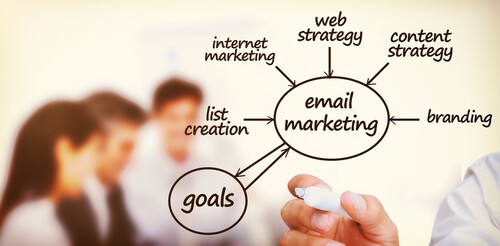
You have probably heard the statistics: millions of businesses are using e-mail marketing and it is incredibly difficult to gain attention in people’s overcrowded inboxes. If you’re waiting around to be picked up with the junk mail, then you’re doing email marketing the wrong way! When you work with your prospects and customers to provide messages that are engaging and interesting to read — and that add true value to the reader — your emails are much more likely to be read. Nurturing your prospects and turning customers into advocates is not a shift that happens overnight. It takes work, empathy and a willingness to think long and hard about each message before sending it to be successful in this crowded environment. Do you have what it takes to create an email marketing strategy that simply cannot be ignored?

The Power of Email Marketing

If you have been in business for a few years, you are probably already sending a sporadic email or two to your list. You may even have what feels like a strong strategy with a bi-weekly or monthly newsletter. Have you noticed that your open and click rates are dropping off a bit and that your list tends to stagnate over time? The same people are opening your emails, but they are not necessarily taking action on the information that you are providing. Emails can be sent for a variety of different reasons such as information, engagement to read more or to make a purchase. With 73% of the rising Millennial spenders looking to email as their preferred method of communication and 2.9 billion email users worldwide by 2019, now is the time to take full advantage of this powerful communications medium.

There are five steps you should take on your journey to email marketing nirvana: building audience personas, cementing a strategy, mapping customer journeys, writing like a human and looking for ways to personalize.

Building Audience Personas

E-mail marketing
Whether or not your organization has a robust CRM (Customer Relationship Management) platform, it is critical that you first understand who you are speaking to. Think of it like this: when you go into a meeting, you have a general idea of how Bob in Finance is going to react to a particular suggestion, and you can phrase your message in a way that Bob is most likely to accept. The same is true of email marketing. You must deeply understand your prospects and customers in order to nuance your message to be heard in their language. Spend time digging into your current customer and prospect data. Can you determine some traits that are shared by your best customers? What about people who have never purchased from you?

These tidbits of information, along with data from your social media channels, can be compiled into audience personas that you can use in your ongoing communications.

Cementing Your Strategy

Okay, you may not want to put your strategy in actual cement, but it is good to at least firm it up a bit. Sending emails off the cuff based on a whim is rarely a good business decision. Customers are fickle (and prospects are worse!), and once they decide that your message is not relevant to their needs — they will unsubscribe quickly or send your messages straight to spam. Forming a strategy helps you focus your efforts on where they will do the most good. This could be around upcoming sales and special offers or times of the year, for instance. Once you have a strategic direction in mind, your next step involves crafting actionable metrics. Click rates and open rates are nice to know, but the true value of metrics is being able to measure the final outcome: a purchase, a download or a phone call.

What’s best is that a strategy gives you a roadmap. Once you create a strategy, pass it off to someone else to implement — but always keep track of the actionable metrics to assure that it’s being executed to plan. Don’t be afraid to make tweaks mid-stream, either!

Understand Your Customer’s Journey

Journey mapping for your customer can be as simple or as complex as you would like. A simple version of a journey map would include steps such as how the prospect became aware of your offering (via a search ad), the landing page where they submitted their contact information and the final step it took to push them over the edge to purchase. A more complex map could include each of the standard phases:

  • Awareness
  • Consideration
  • Purchase
  • Retention
  • Advocacy

You may have a different email strategy for each of these various stages, always in an effort to move individuals further down the path to advocacy for your brand.

Develop a Likable Voice

Marketing Voice
Your brand’s “voice”, or the way you convey your messages, says a lot about your brand. A high-end clothing brand is likely to speak differently to their customers than a Chuck-E-Cheese, for instance. While these are two extremes, everything from your selection of specific words to your use (or overuse!) of exclamation points helps your customers form an opinion of your brand. Look for a way to communicate authentically at all times. Some marketers find it helpful to write as if they’re communicating with a trusted friend, which adds a layer of personality, style and warmth that might otherwise be lacking.

Make it Personal

Today’s personalized emails go far beyond “Dear Mike”, and include everything from messages that contain details about previous purchases to up-sells for items that customers have viewed on your website. This new level of high-tech personalization draws upon all of the sources of metadata that could exist for your customer and pulls them together into a cohesive message map. Email open rates with personalization are 30% higher, and consumers are 80% more likely to make a purchase from an email that is targeted to their unique needs and wants. Overall purchase rates can increase as much as 20%, according to recent statistics from Campaign Monitor. Abandoned cart emails are particularly effective, and followup emails for purchases that include review requests are as well.

While all of these tactics build together to create a great strategy, don’t forget one of the cardinal rules of marketing: ask for feedback! Provide your customers with ample opportunity to tell you what resonates and what fell flat. When your customers are given the opportunity to offer their ideas for your improvement, be sure you are showing that you are not only listening — but making changes based on their recommendations.

Are you ready to put these stellar email best practices to work in your business? Contact Webociti today to get started at 678-892-7157 or fill out our quick online contact form to receive your free personalized consultation. We provide marketing automation, social media marketing and digital advertising services for all types of organizations from doctors and dentists to automotive industries, legal and real estate professionals!